New Linoleum Floor Smell

Clara Townsend
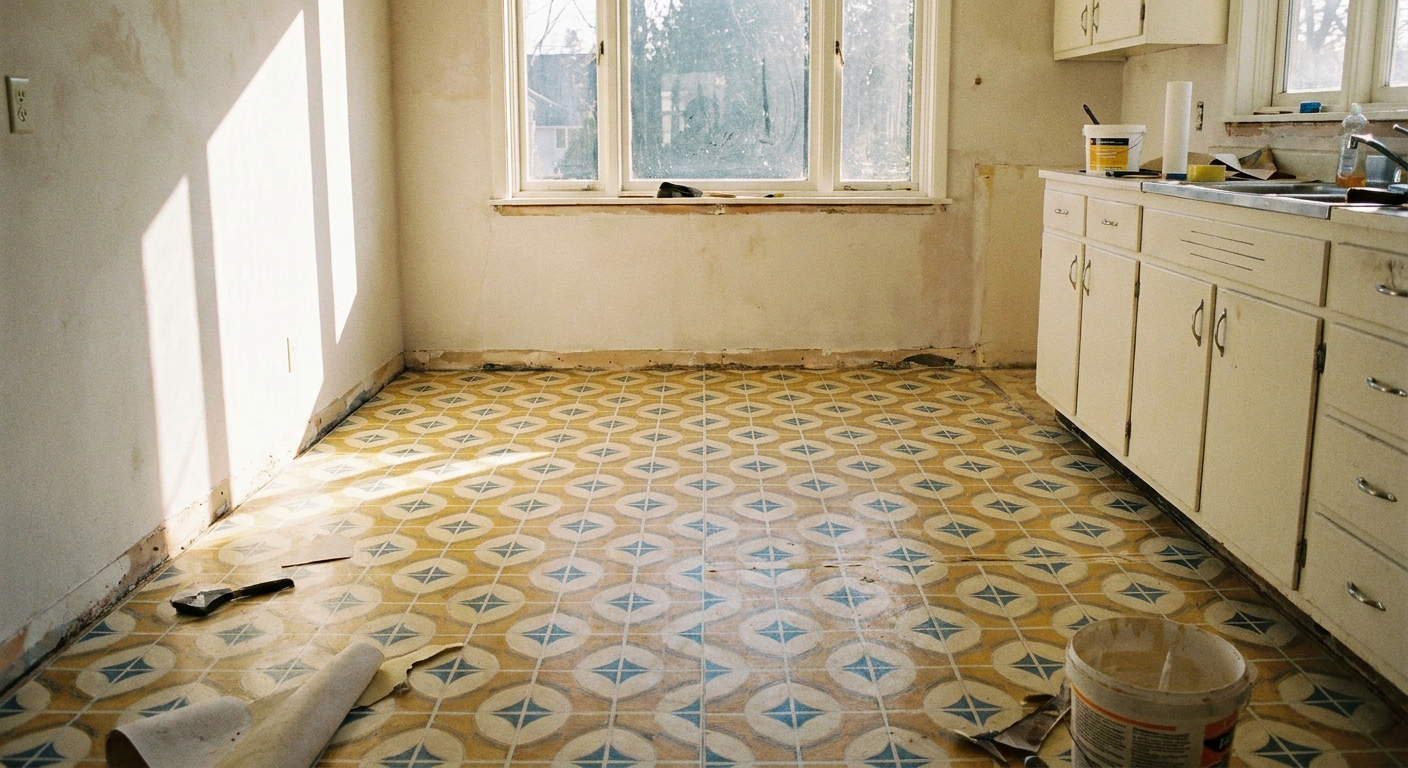
The first time I installed real linoleum in a little galley kitchen, I expected that sharp, chemical “new floor” scent I associate with big box renovations. Instead, the room smelled… oddly warm. A little like flaxseed oil and fresh paper, with a faintly sweet, earthy edge that kept catching in the back of my throat when the windows were shut. (In my case, cracking a window made a big difference.)
If that sounds familiar, take a breath. A new linoleum floor smell is often the scent of linseed oil curing, not the same thing as the plastic odor you might notice with PVC sheet vinyl. Knowing which material you have matters, because the timeline and the red flags are different.
Why new linoleum smells the way it does
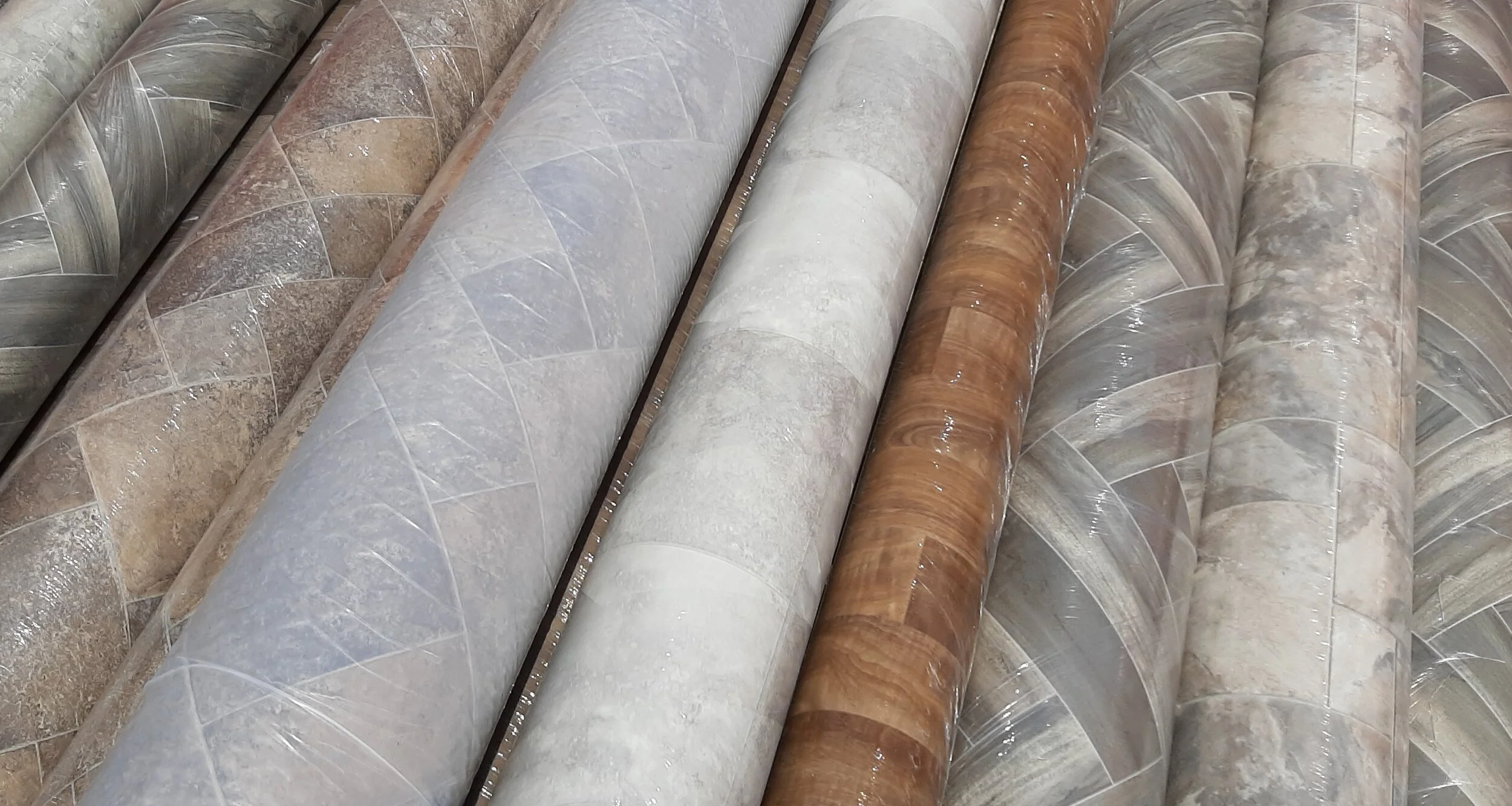
Traditional linoleum is made from a mix of linseed oil (pressed from flax), resins, wood flour or cork dust, pigments, and a backing like jute. Linseed oil does something important as it ages: it oxidizes and polymerizes, meaning it reacts with oxygen and slowly hardens into a durable, flexible binder.
That curing process is where the smell comes from. Many people describe it as:
- “Flax oil” or “linseed oil” (similar to oil-based art supplies)
- Warm, earthy, slightly sweet
- Waxy or resinous, especially on day one
- A little “hay-like” in a sunny room
This scent is usually strongest right after installation and fades as the floor finishes curing and the space is ventilated.
Linoleum vs vinyl smell
Linoleum and sheet vinyl often get lumped together in casual conversation, but their odors are typically very different.
New linoleum odor
- Comes mostly from linseed oil curing and natural resins
- Tends to be earthy, oily, sometimes slightly sweet
- Often fades noticeably with fresh air and time
New PVC vinyl odor
- Can come from plastics and manufacturing residues, plus printed layers, backings, and especially adhesives
- Tends to smell sharper, “plasticky,” sometimes like a new shower curtain
- Can feel more irritating in small, closed rooms, particularly for sensitive noses
If your installer called it “linoleum” but the smell is aggressively plastic, double-check what was installed. Many people use “linoleum” as a catch-all term for sheet flooring.
How long does the smell last?
There is no single magic number because curing depends on temperature, humidity, airflow, and how much adhesive was used. The adhesive itself can also contribute to odor, and its cure time can matter just as much as the linoleum.
In real homes, a typical pattern looks like this:
- First 24 to 72 hours: strongest smell, especially if the room is closed up.
- First 1 to 2 weeks: noticeable but steadily fading when you ventilate daily.
- Several weeks: a faint lingering “linseed” note can hang around in low-airflow spaces like pantries, laundry rooms, and bathrooms.
If the odor is not gradually improving after about a week of daily ventilation, that is when I stop assuming “normal cure” and start looking for an installation or moisture issue.
Ventilation that is safe
Your goal is simple: exchange indoor air with outdoor air without doing anything that could damage the new floor or interfere with adhesives.
My low-fuss routine
- Cross-ventilate: open two windows (or a window and a door) on opposite sides if possible.
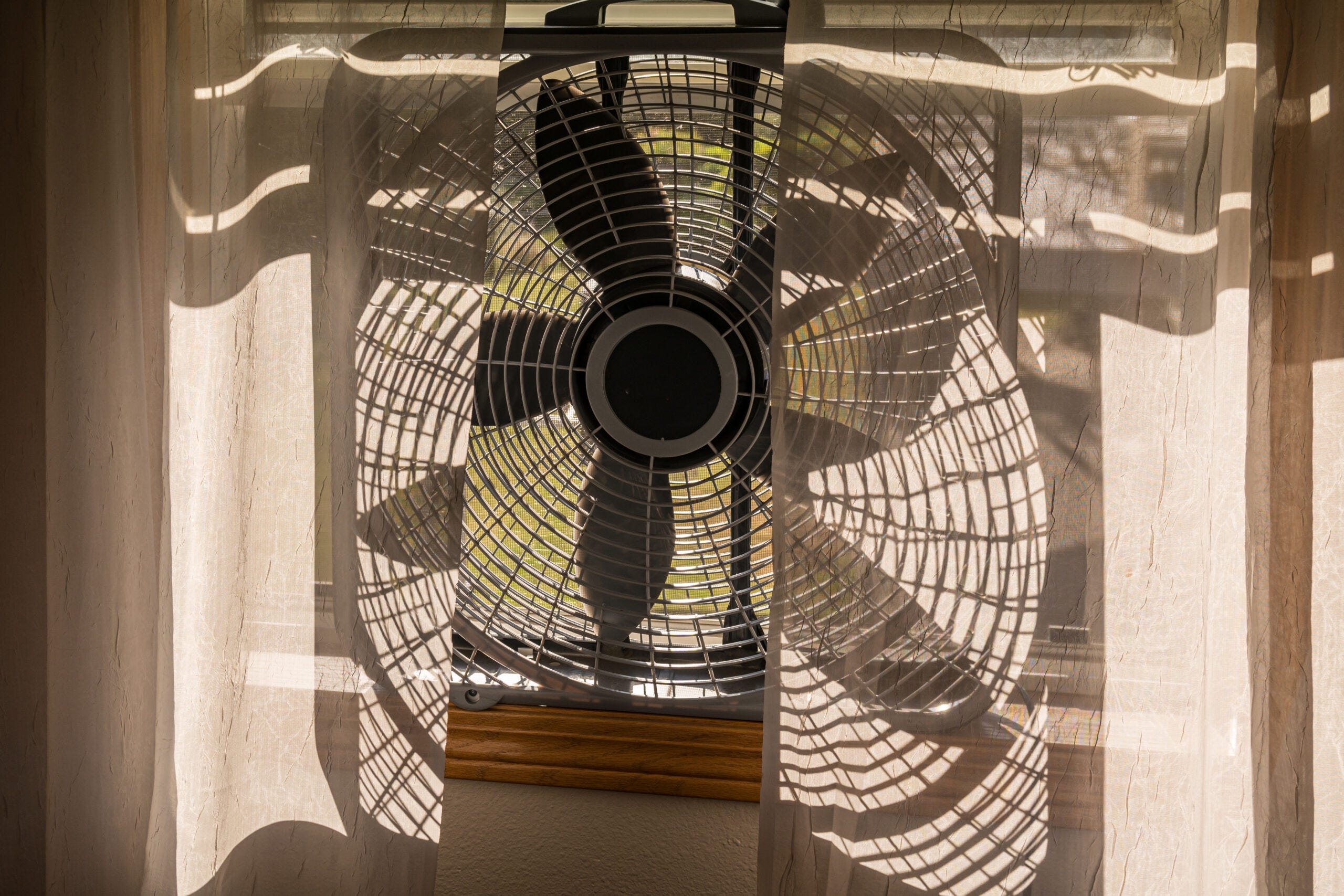
- Use a fan to push air out: set a box fan in a window facing outward to exhaust the smell, and crack another window for fresh air intake.
- Keep the temperature comfortable: aim for normal living temps. Very high heat can make odors feel stronger and can stress some adhesives.
- Run your bath fan or range hood: if the linoleum is in a kitchen or bath, those exhaust fans help more than you would think.
What I avoid in the first days
- Ozone generators: ozone should not be used in occupied spaces. It can irritate lungs and can also degrade materials like rubber and some plastics. This is not the place for it.
- Heavy fragrance “cover-ups”: they often make the room feel worse. Better to remove the odor than to layer perfume on top.
- Steam cleaning: introducing a lot of moisture too soon is a bad idea for seams, edges, and subfloors.
If someone in your home is sensitive to smells, consider keeping that room closed off and ventilated, and spend time in other parts of the house until the scent calms down.
When the smell is not normal
This is the part I care about most, because it is where people get misled. Not every “new floor smell” is harmless, and not every bad smell can be fixed with airflow.
A linseed-oil cure smell is usually oily, warm, and gradually fading. A sour, swampy, or musty odor is a different story.
Musty smell can mean moisture under the sheet
If moisture is present under linoleum, it can create a damp, basement-like smell that does not improve. The moisture might come from:
- A damp or not fully cured subfloor (common over concrete slabs if moisture testing was skipped)
- A leak from a dishwasher, fridge line, sink, or toilet
- Adhesive that stayed wet because it was installed over a less-than-dry substrate
- Moisture wicking from below (crawlspace humidity, missing vapor barrier, etc.)
If you are over a slab and you are unsure what testing was done, ask your installer what moisture test they performed before installation. You do not need to memorize standards to ask that question, but you do deserve a clear answer.
Sour smell can point to adhesive or moisture
Some adhesives have a stronger odor than linoleum itself, and different formulas can smell very different (including some low-VOC products that still have a noticeable scent while curing). But if you notice sour, rotting, or fermented notes, especially near seams and edges, treat it as a “check this now” signal.
One important reality check: odor alone cannot diagnose mold or pinpoint a single cause. What matters is whether the smell is improving, and whether there are physical signs that something is wrong underneath.
Signs moisture might be involved
- The smell is worse in the morning or after the room has been closed up.
- You see bubbling, rippling, or lifted edges.
- There is darkening along seams or at the perimeter.
- The floor feels spongy in spots or makes a “squish” sound when walked on.
If you suspect moisture, the safest next step is to contact the installer or manufacturer support promptly. Trapped moisture is not something to out-ventilate. It can lead to adhesive failure, subfloor damage, and in worst cases microbial growth.
What to do right now
If the smell seems like normal linoleum curing, these steps usually help within a few days:
- Ventilate twice a day for 15 to 30 minutes with cross-breeze if weather allows.
- Keep furniture off any areas your installer told you to leave clear, so adhesives and seams can settle properly.
- Wait before wet mopping unless your installer gave the green light. Use a dry microfiber dust mop instead.
- Use gentle air movement, not heat blasting. A fan and fresh air beat a closed-up room every time.
If you are tempted to scrub because it “smells like oil,” pause. You do not want to introduce excess water at the edges or seams, and you do not want to use harsh cleaners on a brand-new finish.
FAQ
Is the smell toxic?
Real linoleum typically smells because linseed oil is curing, which is not the same as PVC off-gassing. That said, any strong indoor odor can be irritating, especially for people with asthma, migraines, or chemical sensitivities. Ventilation is the safest, simplest approach, and if symptoms are strong, step away from the room and consult a professional.
Can I speed it up?
You can improve your comfort level by increasing air exchange: open windows, exhaust with a fan, and keep the room at a normal temperature. What you should not do is soak the floor, steam it, or introduce gimmicky treatments that could damage the surface or interfere with adhesives.
Why does my “linoleum” smell like plastic?
It may be PVC sheet vinyl, not linoleum. Many retailers and installers use “linoleum” casually. Check your paperwork for words like “vinyl,” “PVC,” or a brand and product line, then follow the care and curing guidance for that specific material and adhesive.
When should I call the installer?
Call sooner rather than later if the odor is musty, sour, or getting worse, if it is not improving after about a week of daily ventilation, or if you see bubbling, lifting seams, or discoloration at the edges. Those clues point to moisture under the sheet or adhesive issues, not a normal linseed-oil cure.
Bottom line
A new linoleum floor often comes with a distinct linseed-oil curing scent that can feel surprising if you expected a plastic smell. In a well-installed, dry space, it should fade steadily with simple ventilation. If the odor turns musty or sour, does not improve after several days of good airflow, or the floor starts to lift or ripple, trust your nose and investigate what is happening under the sheet. A beautiful floor should not smell like a damp basement.