New Vinyl Floor Smell After Installation

Clara Townsend
The first time I installed click-lock LVP in a rental, I was smug for about twelve minutes. The planks looked gorgeous, the seams were tight, and then the room warmed up in the afternoon sun and it hit me: that unmistakable new-plastic smell. Not exactly the cozy, linen-curtain vibe I was going for.
The good news is that a new vinyl floor smell after installation is usually normal and temporary. The trick is knowing what you can do when the floor has to stay put, how long to give it, and when the odor is a sign something went wrong.

Why new vinyl floors smell
Most vinyl flooring is made with PVC (polyvinyl chloride) plus plasticizers and stabilizers. On top of that, some installations use adhesives, primers, patch compounds, or underlayments that have their own odors. What you notice as a “vinyl smell” is typically VOC off-gassing from the materials involved as they acclimate and cure.
Common odor sources:
- The planks or sheet vinyl itself: a plasticky, shower-curtain type smell.
- Adhesive (glue-down sheet vinyl, glue-down LVP, some peel-and-stick): sharper, chemical, sometimes sweet or solvent-like.
- Underlayment (foam) or moisture barrier: can smell a bit like new sneakers or packaging.
- Subfloor patch or leveling compound: can smell dusty, “cementy,” or mildly chemical while curing.
If you want to get very specific (especially as a renter), ask for the product name and look up the SDS (Safety Data Sheet) for the flooring and any adhesive. The SDS often lists VOC-related information and safety notes. Many manufacturers also publish an installation guide or technical data sheet with temperature, humidity, and ventilation requirements.
How long a “normal” vinyl smell lasts
There is a wide range depending on product chemistry, room size, airflow, and temperature. In real homes I style, the timelines often land in these common ranges, but your manufacturer’s guidance and the SDS are the most defensible references:
- Click-lock LVP (floating): often noticeable for a few days to about a week. Some sensitive noses notice it for a few weeks, especially in small, closed-up rooms.
- Glue-down sheet vinyl or glue-down LVP: can be stronger at first and last one to three weeks, sometimes longer if curing conditions are not ideal.
- Peel-and-stick tile: often several days up to two weeks, but it depends heavily on the brand of adhesive and how warm the space gets.
Two things make the smell feel like it lingers: heat and lack of ventilation. Heat can increase the short-term concentration in the air (so your nose notices it more), but it can also move the process along faster in some cases. Translation: a warm afternoon can smell worse even if you are generally trending in the right direction.
What you can do when the floor has to stay down
If this were a rug, you could toss it outside and call it a day. With a floor, you are playing a different game: lower the VOC concentration in the air and help the installation materials finish curing, using the conditions recommended by the manufacturer.
1) Ventilate like you mean it
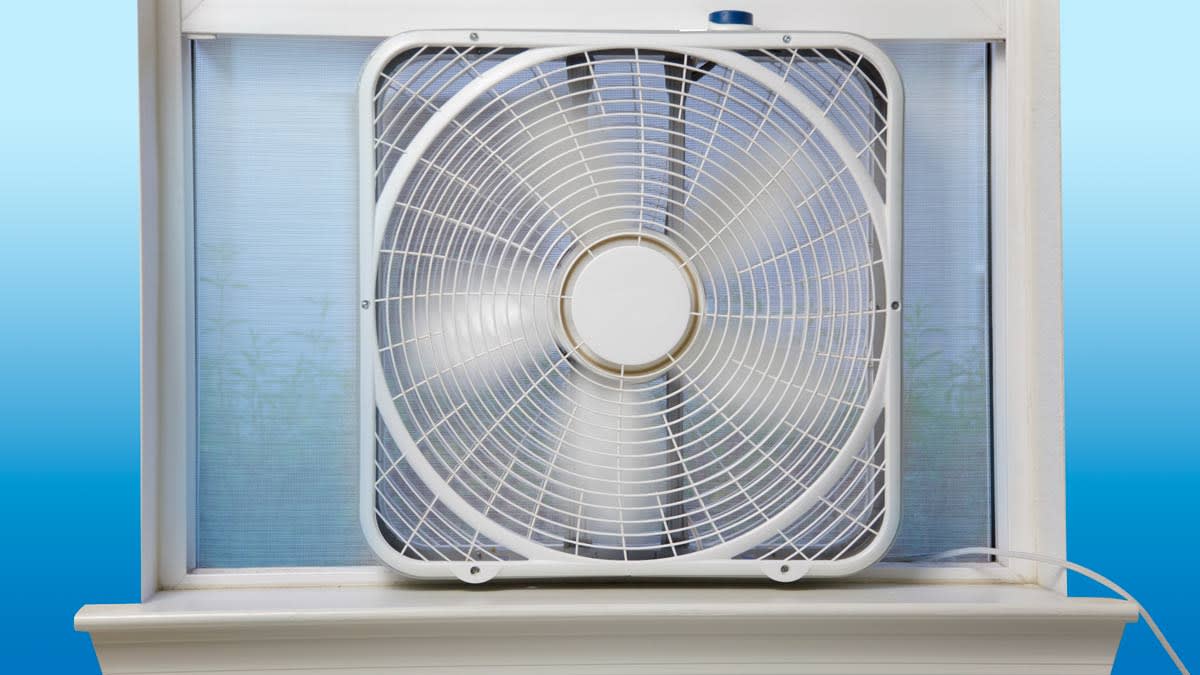
Open windows on opposite sides of the home if possible to create cross-breeze. Then add a fan to push air out one window (not just swirl it around).
- Best setup: one box fan facing out in a window near the smelliest room, and another window cracked open elsewhere to pull fresh air in.
- Do it in cycles: 30 to 60 minutes a few times a day can help more than one quick airing.
2) Use an air purifier with a carbon filter
HEPA is wonderful for dust, but for odors you want activated carbon. If you already own a purifier, check that it has a decent carbon component and that the filter is not past its prime.
- Place it in the room where the odor is strongest.
- If you close doors to focus the purifier on one room, do it for a limited stretch, then still bring in fresh air with ventilation cycles. You want filtration and air exchange, not a sealed box.
3) Keep conditions steady
It is tempting to crank the heat to “bake out” the smell, but that can spike the odor and make the space miserable. A steadier approach is kinder and usually more practical:
- Aim for moderate, steady temperatures with good airflow.
- Follow the adhesive, patch, or leveler temperature and humidity ranges if any were used. Try not to create high heat plus high humidity (for example, running a humidifier hard enough to make the room feel damp).
4) Wash the surface gently once it is safe
For click-lock LVP and finished vinyl, a first wash can remove manufacturing residue and packaging film that holds odor.
- Wait until the floor is fully installed and any adhesive products are within their “light use” window per the label.
- Use warm water with a small amount of pH-neutral cleaner, or a tiny drop of dish soap in a bucket.
- Wring your mop well. You want damp, not wet.
Avoid strong solvents, ammonia, or heavy fragrance cleaners. They can add a whole new layer of stink, and sometimes they dull the finish.
5) Charcoal or baking soda can help, but set expectations
Bowls of baking soda or activated charcoal bags can slightly reduce lingering odor, especially in closets or small rooms. They will not fix a strong adhesive smell on day one, but they can help once you are in the “fading but still there” stage.
- Place several small containers around the room.
- Keep them away from pets and kids.
What not to do
- Do not seal the floor with random coatings to “trap” odor. Many vinyl floors do not need sealing, and coatings can interfere with slip resistance or warranty terms.
- Do not steam mop new LVP or vinyl. Heat plus moisture can stress seams and adhesives.
- Do not mix vinegar and bleach or use harsh chemical cocktails. They can create dangerous fumes that are worse than the original problem.
- Do not cover the whole floor immediately with rugs or floor mats. It can slow dissipation and sometimes trap odor pockets underneath, especially with thick pads.
Renter-friendly options
If you are renting, removal is usually not on the table, and you may not have permission to run specialized ventilation equipment. Here is what is typically safe and reasonable:
- Ventilation (windows, fans) and air purifiers are your best tools.
- Ask for documentation: request the flooring brand and product name, plus any adhesive used. You can look up the SDS and see whether the product carries emissions certifications like FloorScore or GREENGUARD Gold.
- Document the timeline: take notes on when installation happened, what the odor is like, and whether you are having symptoms (headaches, throat irritation). That makes conversations with a landlord clearer and calmer.
If the smell is intense beyond a couple of weeks, or you cannot be in the space comfortably, it is fair to ask the landlord to involve the installer or provide product details. In some cases, an adhesive issue, moisture issue, or incorrect product can keep odors from dissipating.
If the smell feels truly unbearable, prioritize people over pride. Ventilate aggressively, and consider having sensitive individuals (kids, pregnant people, asthma sufferers, anyone getting headaches) spend time elsewhere until you have answers. If symptoms persist, an indoor air quality professional or local health resource can help you sort out what you are actually dealing with.
Vinyl vs linoleum smell
This matters because people often say “linoleum” when they mean “vinyl,” but the materials and smells are different.
Vinyl (PVC)
- Smell: plasticky, like a new shower curtain, inflatable pool toy, or fresh sneaker sole.
- Often strongest when the room warms up.
Linoleum (natural materials like linseed oil)
- Smell: more earthy and “oily,” sometimes described as flaxseed or paint-like in a natural way.
- Can still be strong when new, but it does not read as plastic.
If you have paperwork, look for the word PVC, vinyl, or LVP for vinyl products. True linoleum is usually labeled clearly as linoleum and often highlights natural ingredients.
What if the smell is the rug?
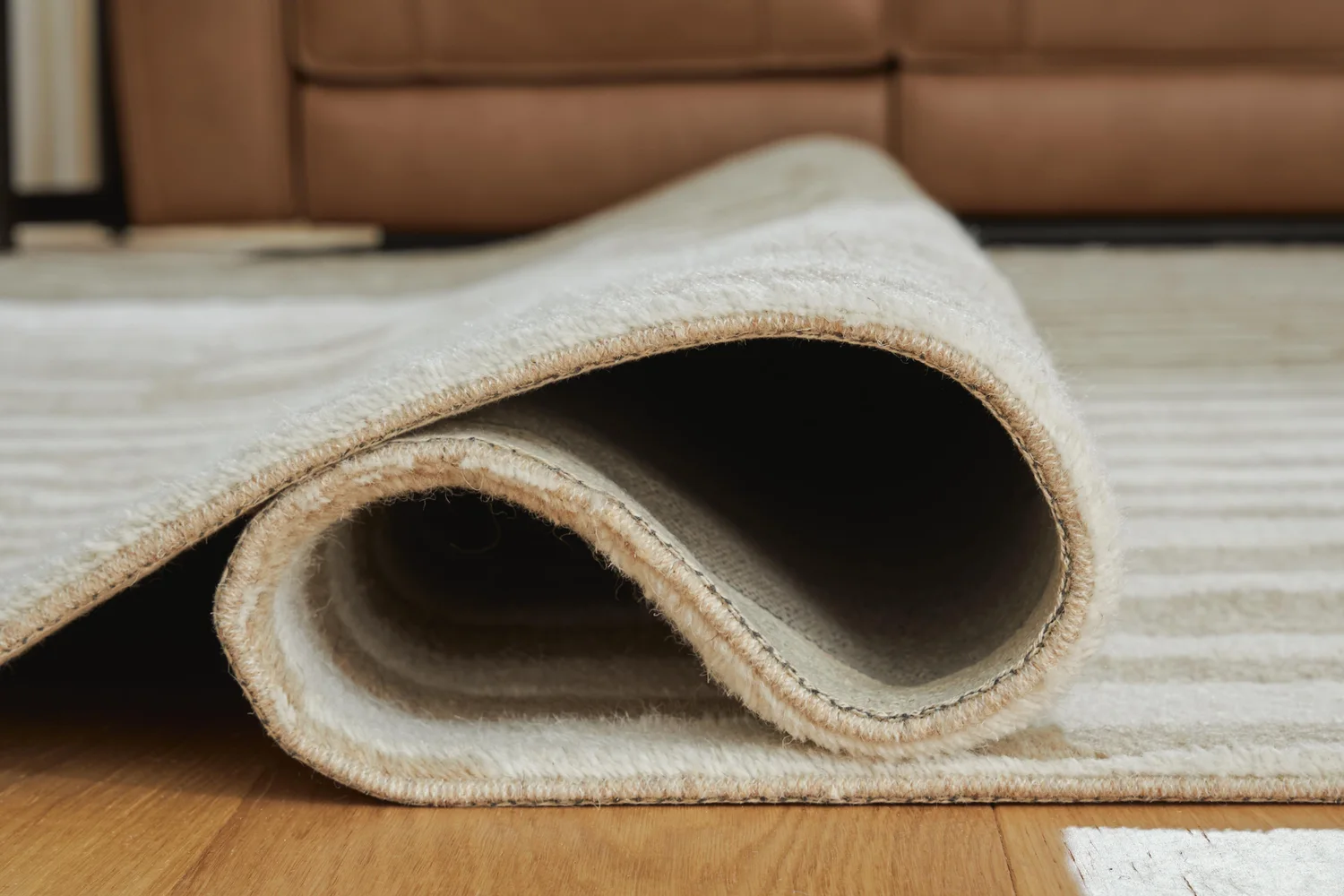
I see this constantly after renovations: the floor gets blamed, but the real culprit is the brand-new rug rolled out the same day.
To troubleshoot:
- Do a 24-hour test: remove the rug and pad (if possible) and ventilate. If the smell drops dramatically, you found your source.
- Sniff close to the surface: get near the rug backing and rug pad. Many pads off-gas more than the rug itself.
- Check for trapped odor: a thick rug can hold the vinyl smell underneath, too. In that case, you might have two contributors, not one.
When to worry
A temporary “new floor” odor is one thing. A strong, persistent, or worsening chemical smell is another.
Call the installer, retailer, or landlord if you notice:
- The odor is not improving at all after 10 to 14 days of regular ventilation and normal living conditions.
- The smell is eye-watering, or you feel burning in the nose or throat.
- You notice bubbling, lifting, soft spots, or wet areas that could indicate moisture under the floor.
- The smell is musty rather than plasticky, which can point to moisture or mold issues under sheet goods.
- You or a household member has asthma flare-ups or persistent symptoms in the room.
If anyone is having severe symptoms such as difficulty breathing, get medical advice and leave the space until you understand what is happening.
Quick FAQ
Will the smell go away if I just wait?
In most cases, yes. Waiting plus ventilation is the winning combo. Vinyl and adhesives typically off-gas most strongly at first, then taper.
Can I paint over it, seal it, or coat it?
I would not. Vinyl flooring is designed to be a finished surface. Coatings can create adhesion problems, change traction, or void warranties. Focus on airflow and filtration instead.
Does mopping with vinegar help?
Vinegar can cut residue, but it will not “neutralize” VOCs in the air. If you use it, keep it very diluted and do not combine it with other cleaners. If your floor manufacturer discourages vinegar, skip it.
Why is it worse in the afternoon?
Heat increases off-gassing and can raise the short-term concentration in the room air, so the smell can spike when the sun hits the floor. That does not always mean the problem is getting worse overall, it can be a daily wave while things taper off.
I installed peel-and-stick tile and the smell is intense. Is that normal?
Peel-and-stick uses adhesive across a large surface area, so a noticeable odor in the first days can be normal. If it is not improving after two weeks, or if it is extremely sharp, contact the manufacturer or whoever supplied it. The SDS can also tell you what “normal” curing ventilation should look like.
A realistic game plan
If you want the short version I give friends (usually while we stand in their doorway and squint at their beautiful new floors):
- Day 1 to 3: cross-ventilate, run a fan out the window, keep the space breathable.
- Week 1: add an activated carbon air purifier if you can, and do a gentle surface clean once it is safe.
- Week 2: if it is improving, keep going. If it is not improving, ask for the exact flooring and adhesive products, look up the SDS, and bring the installer or landlord into the conversation.
Your home should smell like you, not like a shipping warehouse. With a little airflow and patience, most new vinyl floor smells fade into the background and then disappear completely, leaving you with the part you actually wanted in the first place: a fresh, functional foundation for the rest of your room.