Ink Stains on a Leather Sofa: What to Try First
Gust
A little flutter. A cozier corner.
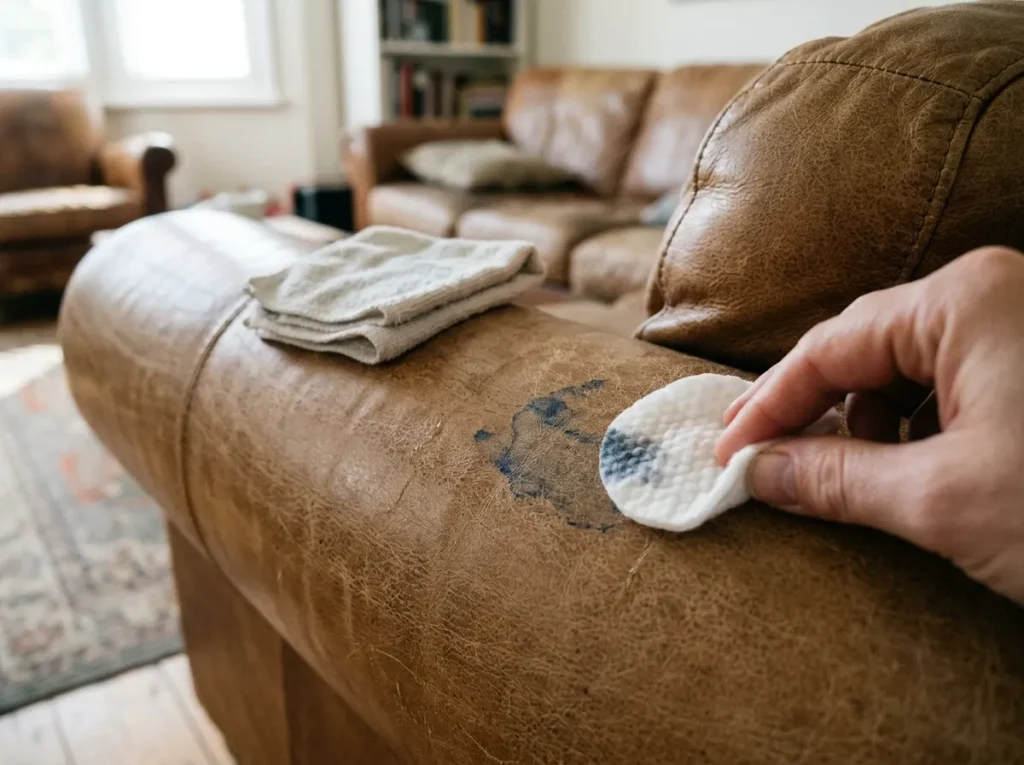
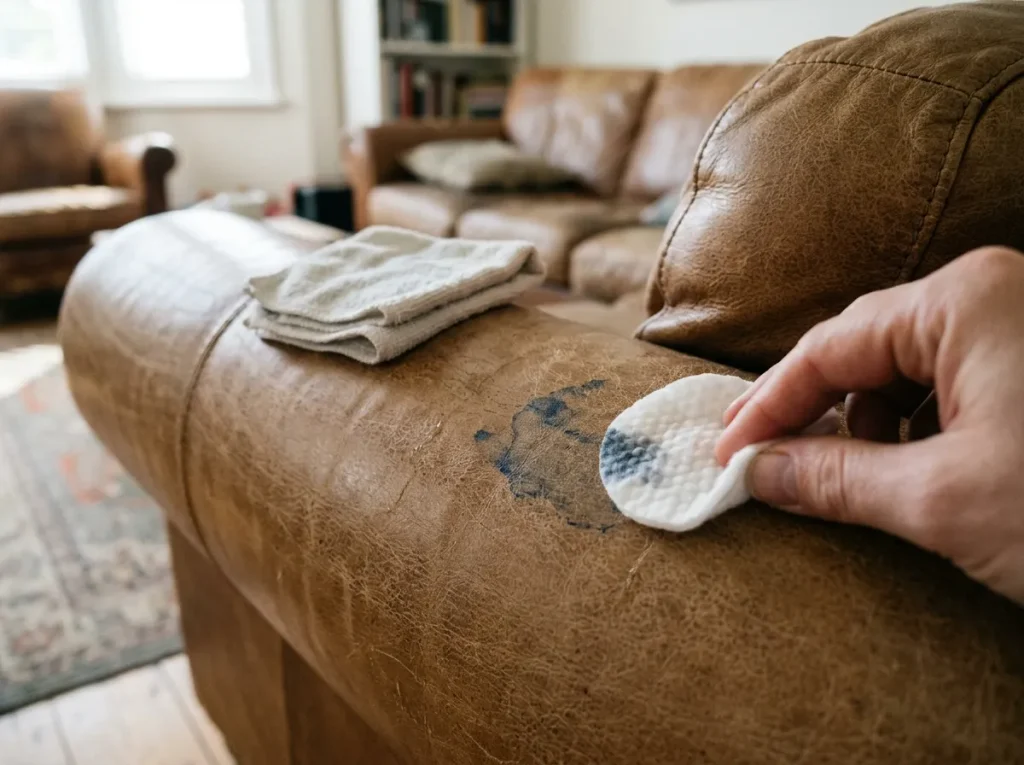
Ink on leather feels personal, like the sofa just got signed without permission. The good news is that many leather sofas are finished leather, meaning there is a protective topcoat between the ink and the hide. The tricky news is that the same tricks that work on fabric can quietly damage that protective finish.
Here is what to try first, how to tell what kind of leather you are dealing with, and the moment to stop before a small mark becomes a big, dull patch.
What not to do first
If you only read one section, make it this one. These are the fast moves that tend to turn a tiny line into a bigger problem.
- Do not scrub, especially with anything abrasive.
- Do not saturate the leather or let cleaner pool in seams.
- Do not heat-dry with a hair dryer. Heat can set some inks and stress finishes.
- Do not jump to solvents (alcohol, acetone, nail polish remover) without a spot test and a leather-specific product.
On leather, the safest plan is usually: go slower, use less liquid, and stop sooner.
Why fabric methods can damage leather
Most fabric stain advice is built around flushing, foaming, and lifting dye out of fibers. Leather is different. Finished leather has a color coat and a clear protective topcoat. Strong cleaners do not just remove ink, they can remove the protection and sometimes the color.
- Rubbing alcohol, acetone, and nail polish remover can strip or haze the topcoat, leaving a light spot or a tacky-feeling patch.
- Magic erasers and abrasive scrubs can sand the finish, making the area look matte or fuzzy compared to the surrounding sheen.
- Soapy water flooding can push ink outward, enlarge the stain, or wick into seams and piping, causing water marks or deformation in stitching and padding.
- Hair spray is unpredictable. Some formulas contain alcohol, fragrance oils, or polymers that leave residue and attract grime.
First, figure out what leather you have
This matters because the safest try-first steps are meant for finished (protected) leather, the most common upholstery leather. If your sofa is unfinished or very absorbent, DIY ink removal can spread the stain deeper fast.
Quick clues at home
- Finished or protected leather: feels smooth, often has an even color, and resists a tiny droplet of water for a moment before it slowly evaporates. Many sofas from mainstream furniture brands are in this category.
- Aniline or semi-aniline (more absorbent): feels softer and more natural, shows pores and subtle shade variation, and a small drop of water tends to darken the spot quickly.
- Bonded leather or faux leather (PU/PVC): looks very uniform, sometimes has a repeated grain pattern, and may feel cooler or more plastic-like. It can still be damaged by solvents, and peeling risks are different.
If you still have the care tag or paperwork, check for words like protected, pigmented, top-coated, semi-aniline, aniline, PU, or vinyl. When in doubt, treat it like delicate leather and keep everything gentle.
Before you clean: do a tiny spot test
Leather can surprise you, so give it no chance.
Choose a hidden test area
Pick a spot under a cushion, along the back skirt, or a lower rear corner.
How to test safely
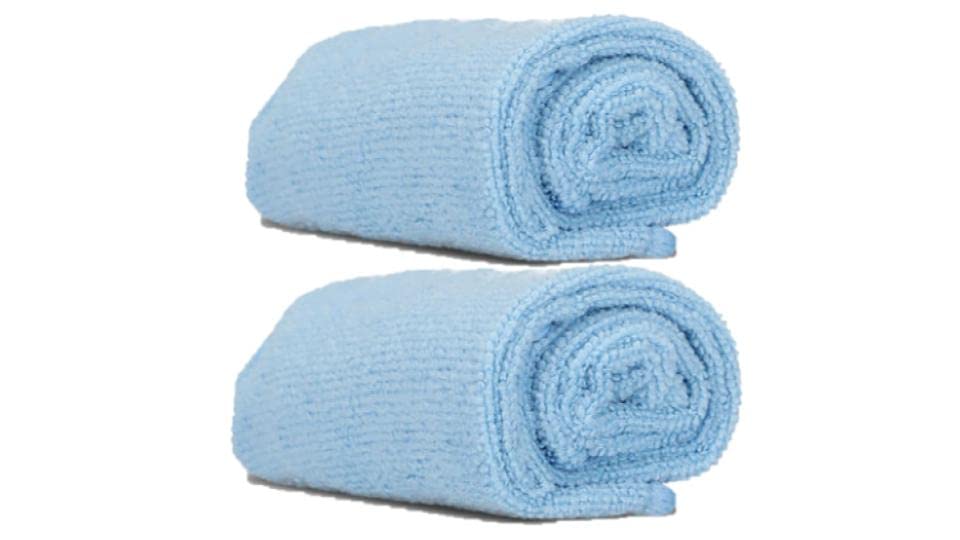
- Use a white microfiber cloth or white cotton pad.
- Apply the product to the cloth, not directly to the leather.
- Lightly dab for 10 to 15 seconds.
- Wait a minute and check for color transfer on the cloth, shiny to dull changes, or a sticky feel.
If you see dye on the cloth or the finish changes, stop. That is your sign the method is too aggressive for that sofa’s coating.
What to try first on finished leather
These steps are arranged from lowest risk to higher risk. The goal is to lift what is sitting on top of the finish without breaking the finish itself. Fresh ink is easier. Older stains may only lighten, especially if the ink has worked past the topcoat.
Step 1: Blot, do not rub
If the ink is fresh, gently blot with a clean, dry white cloth. Work from the outside edge toward the center so you do not grow the mark. Rubbing can drive ink into the texture and seams.
Step 2: Wipe with barely damp water
Dampen a cloth with distilled water, wring it out thoroughly, then lightly wipe the mark. Immediately buff dry with another cloth. This will not remove most ballpoint ink, but it can remove surface smears and help prevent a halo.
Step 3: Use a pH-balanced leather cleaner
If you have a leather cleaner labeled for finished or protected leather, put a small amount on a cloth and dab the ink. Work from the outside edge toward the center. Then wipe with a slightly damp cloth and buff dry.
Why this often helps: some “ink stains” are actually a mix of ink and skin oils. A proper leather cleaner can lift the oily part so the mark fades dramatically.
Step 4: Try a leather ink remover, cautiously
If the mark is still obvious, the next step is a product specifically labeled as a leather ink remover for finished leather. Use it exactly as directed and keep contact time short. Many ink removers are solvent-based, and some can still lighten pigment if you overwork the spot.
Apply to a cotton swab or cloth, dab lightly, and switch to a fresh section of cloth often so you are not redepositing ink.
- Do not scrub the grain.
- Do not soak the area.
- Do not chase perfection. Getting the mark 80 to 90 percent lighter without harming the finish is a win.
Afterward, wipe with a clean, slightly damp cloth, buff dry, and apply a leather conditioner only if it is appropriate for your leather type. Many modern finished leathers need very little conditioner, and overdoing it can change sheen or attract grime.
Ballpoint pen vs marker
Ballpoint pen
Ballpoint ink is typically oil-based or hybrid and can cling to topcoats. A leather cleaner may reduce it, but stubborn lines sometimes need a leather ink remover. Work slowly and stop if the area turns dull or lighter.
Permanent marker
Marker ink can be more aggressive, more dye-heavy, and more likely to migrate. The priority is containment: dab inward, use minimal product, and do not spread it wider trying to erase the last shadow.
Gel pen
Gel ink can smear and stain quickly. Blot first, then try leather cleaner. If it has already set, you may need professional help to avoid creating a pale spot.
When ink is under the finish
Finished leather ink is easiest when the topcoat is intact. If ink gets past that layer, it behaves more like a dye stain inside the leather.
Signs the ink is under the finish
- The mark looks embedded and does not change after gentle cleaning.
- The ink follows the leather’s pores or texture in a way that looks inside, not on top.
- The area has a slightly darker cast rather than a crisp line.
- You are tempted to increase pressure or move to harsh solvents to see progress.
That last one is the most important. When you start wanting to “just try alcohol,” that is usually the moment the finish is about to lose the fight.
Stop signs
- Color transfer on your cloth that matches the sofa color, not the ink.
- A matte, hazy, or lighter patch forming where you cleaned.
- A sticky or squeaky feel that was not there before.
- The ink is near piping, seams, tufting, or stitching where liquid can wick and spread.
If any of these happen, stop, let the area dry completely, and reassess. Sometimes the best next step is not more cleaning, it is a targeted repair of the topcoat and color.
When to call a specialist
Some ink situations are simply better handled by someone who can clean and then re-dye or re-topcoat to blend the area.
Call a specialist if:
- The sofa is aniline or semi-aniline, or it darkens immediately with water.
- The ink is large, very dark, or has been there for weeks or months.
- The mark is on a high-visibility panel like the seat center or arm top.
- You see finish damage already: peeling, cracking, or worn-through spots.
- You tried a gentle step and the area changed sheen or color.
A specialist can sometimes remove what they can and then refinish the area so the repair disappears into the room, instead of shouting “someone attacked me with rubbing alcohol.”
Aftercare
- Let it fully dry before judging. Damp leather can look darker for a while.
- Buff lightly with a clean cloth to restore natural sheen.
- Condition sparingly, and only with products intended for your leather type. Many finished leathers need little to none, and over-conditioning can make the area sticky and attract dirt.
- Keep pens off the sofa zone. A tray, a lidded cup, or a paper corner on an end table saves a lot of drama.
Quick FAQ
Can I use rubbing alcohol on finished leather?
It is a common suggestion, and it can also be a common way to dull or strip a leather topcoat. If you choose to try anything alcohol-based, it should be a product made for leather ink removal, spot-tested first, used sparingly, and stopped at the first sign of finish change.
Will hairspray remove ink from leather?
Sometimes it appears to, because some hairsprays contain alcohol. The risk is residue, finish damage, or spreading the stain. Leather-specific products are more predictable.
What if the ink is on white or very light leather?
Light leather shows everything, and aggressive cleaning can turn an ink mark into a pale patch. Go gently, expect partial improvement, and consider a specialist sooner if the spot is in a high-visibility area.
What if it is faux leather?
Faux leather can still discolor or get tacky with solvents, and abrasion can remove the printed color layer. Start with mild soap and water on a cloth, then stop if the surface gets dull or sticky.