Why Your New Jute Rug Smells Like Hay

Clara Townsend
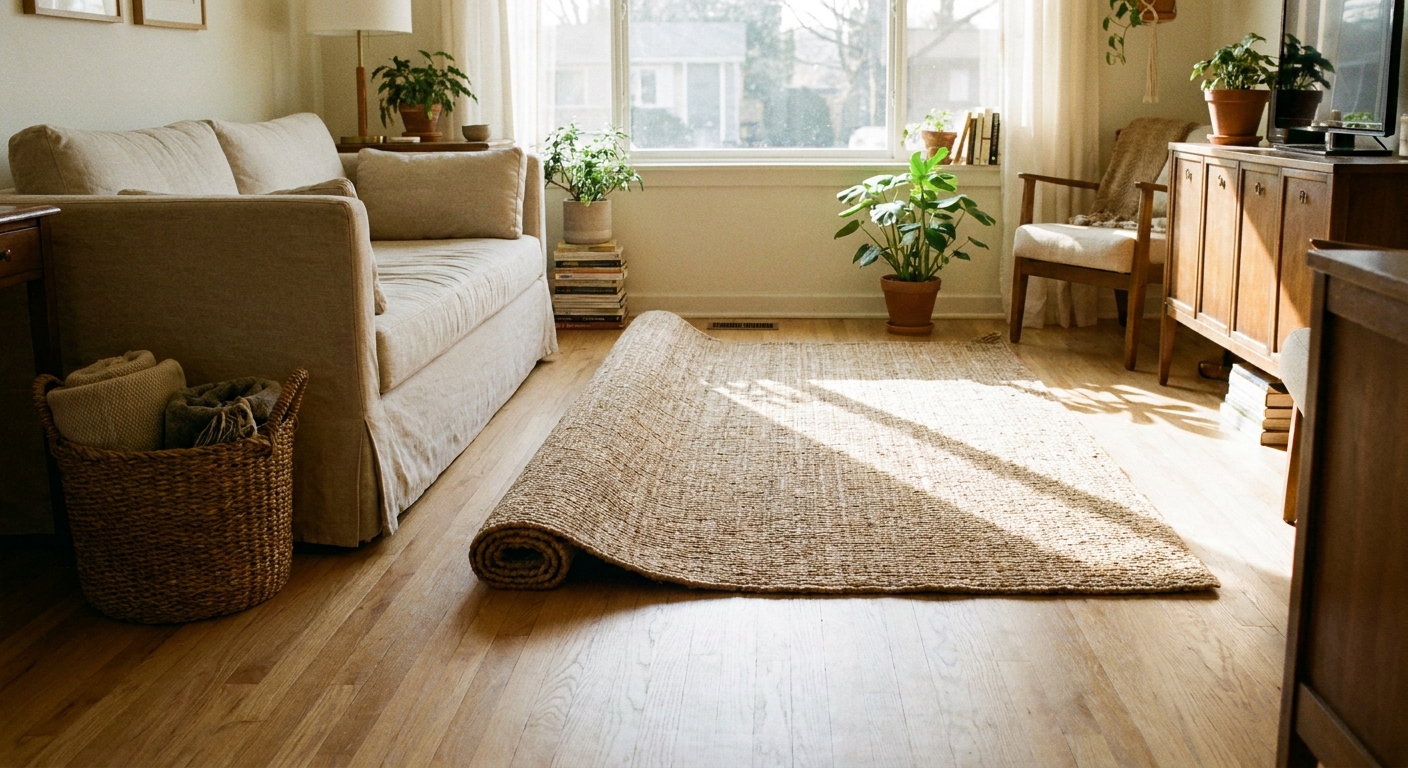
The first time I unrolled a brand-new jute rug in my apartment, I had a full moment of, “Why does my living room smell like a loft over a horse barn?” If yours has that dry, grassy, straw-like scent, you are not imagining it. In many cases, it is simply the natural smell of jute fiber, especially right out of tight packaging.
The trick is knowing when you are smelling healthy plant versus something you need to deal with, like chemical off-gassing, damp storage funk, or a spot that got wet in transit. Let’s separate the scents and get you to the calm part.
The hay smell is often normal
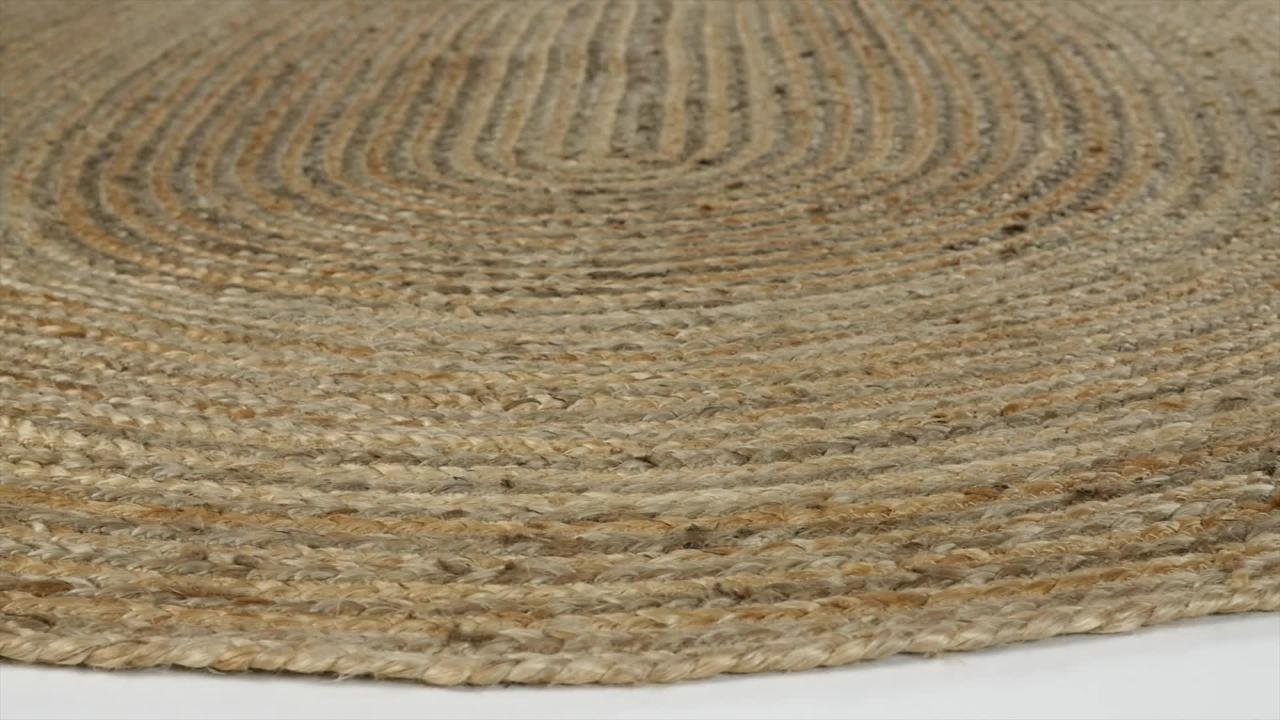
Jute is a bast fiber (it comes from the stalk of the plant, sort of like the plant’s “outer structure” fibers). When it is harvested, dried, and woven into a rug, it can retain a dry, grassy aroma. Think hay, tea, dried field grass, or even a little burlap sack.
This scent tends to be strongest:
- Right after unrolling (the fibers have been compressed and trapped in plastic).
- In warm rooms or direct sun (heat wakes up natural odors).
- In high humidity (jute is hygroscopic, meaning it absorbs moisture from the air and can smell stronger).
Good news: a normal jute smell is usually just a natural-fiber thing. It is generally different from chemical off-gassing, but a quick qualifier: some “natural” rugs still include binders, latex backing, dyes, or finishes, and those can add their own odor.
Quick sniff test
If you are trying to figure it out in the first five minutes, here’s a practical breakdown.
Natural jute odor (typically normal)
- Smells like hay, straw, dried grass, burlap, earthy plant.
- Odor is dry, not sour.
- Strongest up close, especially if you put your nose near the weave.
- Often fades gradually without you doing anything dramatic.
Chemical off-gassing (not the “hay” smell)
- Smells like plastic, paint, new car interior, glue, sharp “chemical”.
- Can feel irritating faster than a grassy smell.
- Often tied to latex backing, adhesives, dyes, or finishes (it can show up in blends and even in some natural-fiber rugs with added backing).
Musty storage smell (mildew risk)
- Smells like damp basement, wet cardboard, old towels.
- Has a sour or stale edge rather than dry-grassy.
- May be stronger on one section (where it sat against moisture).
- You might see faint spotting or feel cool dampness in the fibers.
Wet jute or sisal smell (localized)
- Smell concentrates around a specific spot or edge.
- Often follows a spill, a delivery-in-the-rain moment, or over-wetting during cleaning.
- Can smell like wet straw, and it will usually be more intense and more localized than an overall new-jute aroma.
When airing out is enough
If your rug smells like dry hay and looks completely clean and dry, you are usually in the “wait it out” zone. In real-home terms, that means:
- No visible damp patches (especially along edges and corners).
- No sour or moldy odor underneath.
- No oily or chemical film feeling on the surface.
- The smell is even across the rug, not concentrated in one suspicious area.
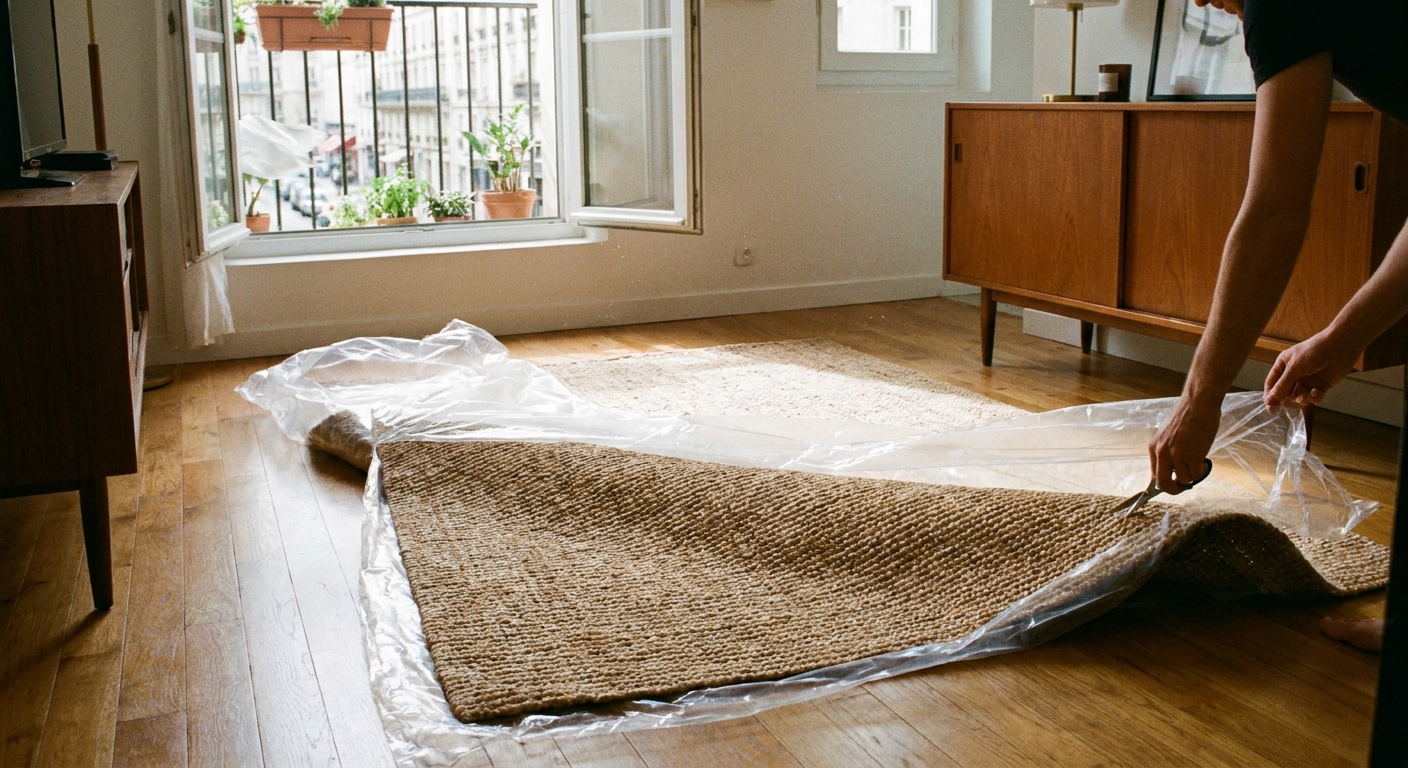
For a standard new-jute smell, the fix is pleasantly simple: give it time and fresh air. Open windows when you can, keep the room comfortably dry, and let the fibers settle. Many people notice improvement within a few days, and the smell often continues to soften over the next week or two. That said, timing can vary depending on backing, finishes, humidity, and how tightly it was packaged.
How to reduce the smell gently
I am not a fan of masking natural-fiber smells with heavy sprays because it often turns into “hay plus perfume,” which is somehow worse.
Instead, aim for gentle, fiber-friendly steps:
- Vacuum slowly. Suction lifts dust and helps release trapped odor. Use a suction-only setting if your vacuum allows it, and avoid aggressive beater bars that can fuzz natural fibers.
- Keep it dry. Jute and water are not best friends. If your home is humid, a dehumidifier can make a noticeable difference.
- Flip it for a day if possible. Sometimes the underside holds more aroma from storage and packaging.
- Use light carefully. Bright indirect light is great. Long stretches of harsh direct sun can fade fibers, and heat can temporarily make odors seem stronger.
Jute cleaning do’s and don’ts
If the smell has you tempted to scrub, here is the part where I try to save you from turning a minor odor into a bigger problem.
Do
- Blot spills fast with clean towels. Press, do not rub.
- Spot-clean with minimal moisture if you must. Use a barely damp cloth and a tiny amount of mild soap, then blot with a dry towel.
- Dry immediately with airflow. A fan in the room helps, and lifting the spot so air can reach both sides helps even more.
Don’t
- Do not steam clean, shampoo, or soak a jute rug. Over-wetting can cause lasting odor, browning, rippling, or mildew.
- Do not saturate with vinegar solutions or water-based sprays. Even if it “works” for odor, jute can hold moisture deep in the weave.
- Do not leave powders sitting in the rug for long periods. More on that below.
Check your rug pad and floor
Sometimes the rug is innocent and the smell is coming from what is under it.
- Rubber or latex pads can smell, especially when new or warm.
- Moisture can get trapped between a natural-fiber rug and a pad, particularly on concrete, in basements, or in humid climates.
If you are getting a musty note, lift a corner and smell the underside and the pad. If the odor is stronger underneath, give the floor and pad time to air out too, and make sure everything is fully dry before putting it back down.
If it smells chemical
If the smell is sharp, plasticky, or glue-like, treat it as a different situation than a dry jute scent. This can happen if your rug has:
- a latex or rubber backing
- adhesives used to stabilize the weave
- dyes or finishes
Two practical clues:
- The odor clings to the packaging. If the plastic wrap or shipping sleeve smells strongly chemical, that is a hint.
- Your nose reacts. A grassy scent is usually just “there.” A chemical smell can feel irritating.
If you suspect off-gassing, prioritize ventilation and time. If it is intense or not improving, it is reasonable to contact the retailer. If anyone in your home is sensitive to fumes, do not force it. A return is often the simplest fix.
If it smells musty
A musty smell is the one I do not like to ignore, especially with jute. Natural fibers can hold onto moisture, and mildew can take hold if a rug was stored damp or shipped through a humid route.
Signs it is more than “new jute”
- Smell is damp, sour, or basement-like.
- You see spotting, especially grayish or dark specks.
- The rug feels cool, clammy, or wavy in one area.
What to do right away
- Get it off the floor if the floor might trap moisture underneath (especially over concrete).
- Check both sides, especially corners and edges.
- Do not soak-clean it. Over-wetting can make the problem worse on jute.
If you truly suspect mildew or mold (not just a dry grassy scent), I would not play hero with a brand-new rug. Contact the seller for an exchange. If it is an older rug you are trying to salvage, look for a professional cleaner who specifically handles natural fibers and low-moisture methods.
If you see visible mold, or if anyone in your home has asthma or respiratory issues, it is smart to avoid keeping the rug indoors while you sort it out.
If it is one wet spot
This is the “something got damp” scenario. You might still describe it as barn-like, but it usually has a wet-straw intensity that sits in one area.
What helps most is drying, not deodorizing:
- Blot gently with clean towels if there is any moisture.
- Elevate that section so air can reach both sides.
- Run a fan in the room (not pressed directly against the fibers).
- Keep the area warm and dry until the smell noticeably lifts.
Once it is fully dry, reassess. If the odor persists in that one area, the rug may have been compromised during shipping or storage.
When to return it
My personal rule: a natural fiber scent that steadily fades is normal. A smell that intensifies, turns sour, or feels irritating deserves a closer look.
Consider a return or exchange if:
- The odor is overwhelming and does not improve after several days in a normal living environment.
- You detect mustiness or see signs of moisture or spotting.
- The smell is strongly chemical, especially if it causes headaches or throat irritation.
- The rug arrived visibly damp or has a suspicious wet patch.
FAQ
How long does a new jute rug smell last?
For a typical dry, grassy jute scent, many rugs mellow within a few days and continue to soften over one to two weeks. Some take longer, especially if there is backing, added finishes, higher humidity, or limited airflow.
Is a hay smell from jute toxic?
A hay-like smell is usually just the natural aroma of dried plant fiber. If the scent is sharp, plasticky, or irritating, treat it as possible off-gassing from backing, adhesives, dyes, or finishes, and prioritize ventilation or a return.
Why does my jute rug smell worse on humid days?
Jute absorbs moisture from the air. Higher humidity can make natural odors more noticeable and can also raise the risk of mustiness if the rug, pad, or subfloor is holding dampness.
Can I sprinkle baking soda on a jute rug for smell?
You can, but be cautious. Jute is coarse and textured, so powders can be hard to fully remove, and leftover powder can attract moisture in humid conditions. If you try it, use a very light dusting, keep the dwell time short (think 15 to 30 minutes), test a small corner first, and vacuum slowly and thoroughly.