Vomit on a Mattress: Cleanup and Smell Removal
Gust
A little flutter. A cozier corner.
And then, a very un-cozy moment: vomit on the mattress. It happens fast, and the clock starts ticking on two things that love to linger deep in foam and fibers: stain and sour odor. The good news is you do not need to soak your mattress to fix it. You need sequence, enzymes, and fast drying.
First: what to do right away
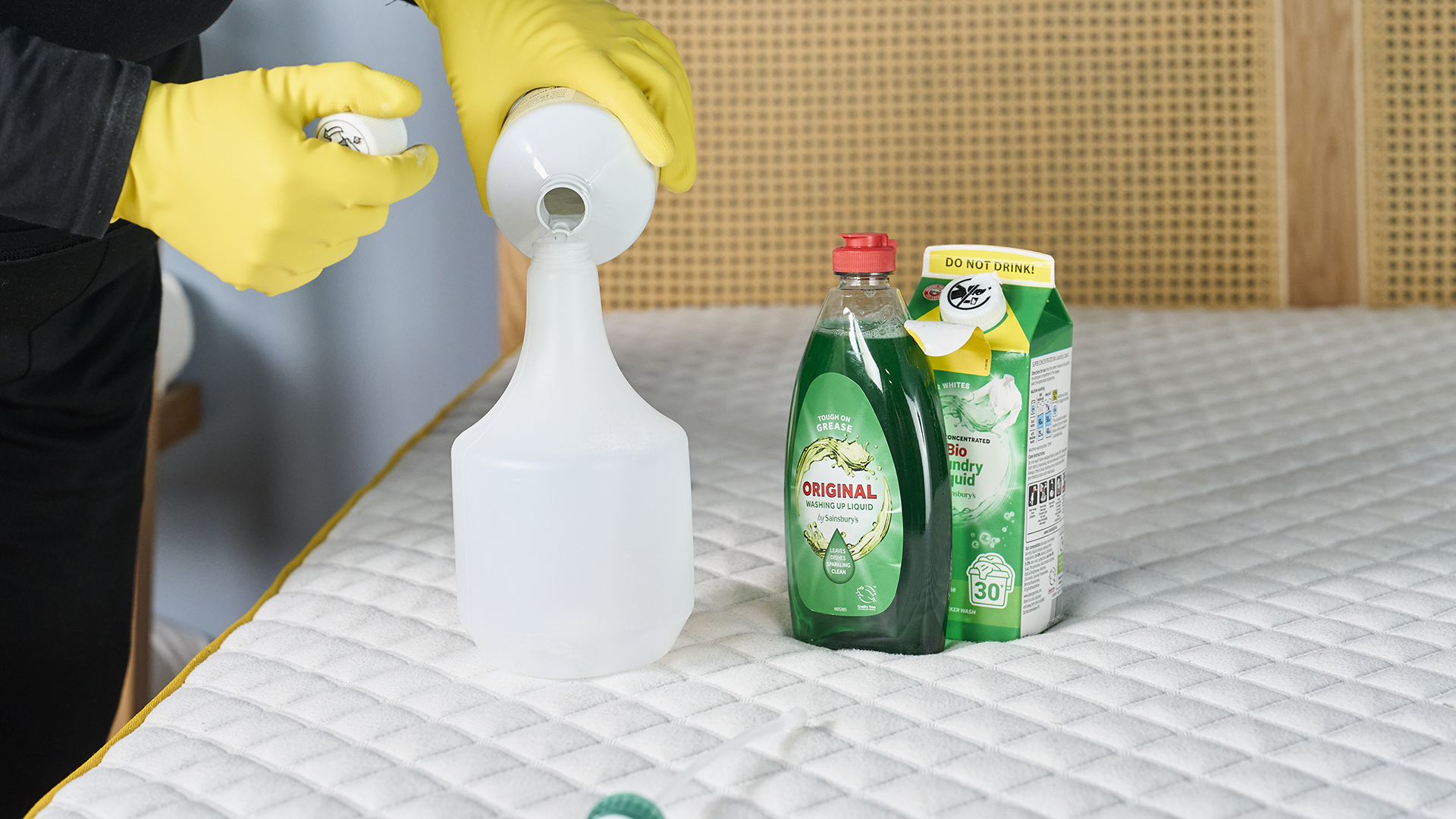
Before any cleaner comes out, set yourself up to remove the mess without driving it deeper.
- Strip the bed. Pull off sheets, blanket, duvet cover, and mattress protector right away.
- Ventilate. Open a window, turn on a fan, and if you have it, run an air purifier nearby.
- Glove up. Disposable gloves make cleanup quicker and safer.
- Do not rub. Rubbing pushes the mess deeper into the mattress.
- Avoid steam and high heat. Heat can set protein-based stains and can make odors harder to remove.
Quick health note: If this is tied to illness, wash your hands well afterward and wipe nearby hard surfaces (nightstand, floor, bed frame) with a normal household disinfectant. Mattresses are hard to truly disinfect internally without over-wetting, so the goal here is thorough removal, odor control, and fast drying.
Handle bedding and protectors
That sour smell can boomerang if bedding sits in a heap. Deal with anything removable first.
Washable items
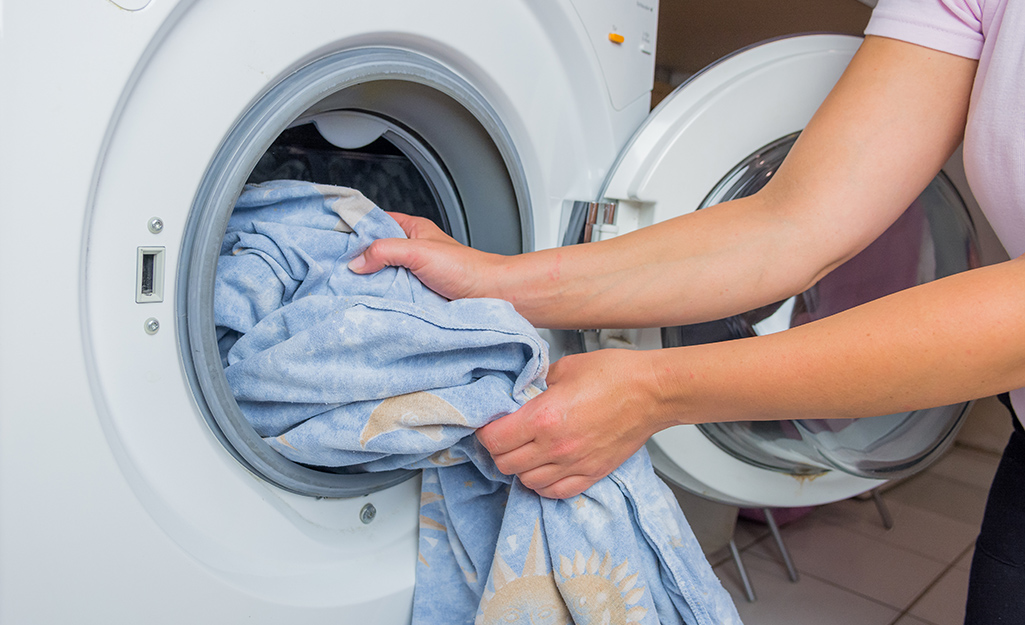
- Rinse or scrape first. If there are solids, scrape into the toilet or a lined trash bag. If fabric is heavily soiled, a quick cold rinse in a utility sink or tub helps.
- Wash as hot as the care label allows. Use your regular detergent.
- Add an enzyme laundry booster if you have one. Vomit is protein-heavy, and enzymes are designed to break that down.
- Skip chlorine bleach unless the label allows. It can weaken fibers and is not ideal for many colors.
- Dry completely. Any lingering dampness can hold odor.
Non-washable items
If a duvet insert or pillow cannot be washed, spot-clean it and dry it aggressively with airflow. If the smell has penetrated the fill, professional cleaning is often the cleanest exit.
Step-by-step: clean vomit off the mattress
Think of this as a four-part job: remove solids, blot up liquid, break down residue with enzymes, then manage odor with low moisture and thorough drying.
Before you start: If you are using any product (enzyme cleaner, soap solution), test it on a small, out-of-the-way spot first to check for discoloration.
Step 1: Remove solids without smearing
- Use a spoon, spatula, or stiff piece of cardboard to lift solids.
- Work from the outside toward the center to keep the mess contained.
- Dispose into a lined trash bag, then tie it off.
If the mess dried a bit, resist the urge to scrub. Lift what you can, then proceed to blotting and enzymes to loosen what remains.
Step 2: Blot, do not rub
- Press paper towels or clean white cloths firmly onto the wet area.
- Swap to fresh towels as they become saturated.
- To prevent spreading, keep your pressure from the outside toward the center, catching the edges as you go.
Important: Your goal is to remove as much moisture as possible before you apply any liquid cleaner.
Step 3: Use an enzyme cleaner (best for sour smell)
Vomit includes organic material (including proteins) and stomach acid. An enzyme-based cleaner helps break down what causes lingering odor. Disinfectants and fragranced sprays can cover smells, but they often do not remove the source.
- Choose an enzyme cleaner suitable for upholstery or mattresses and follow the label directions.
- Lightly spray the affected area. It should be damp, not drenched.
- Let it dwell for the time on the label. That contact time matters.
- Blot again with clean towels to lift the cleaner and dissolved residue.
If you can still smell it up close after it dries, repeat the enzyme step. Odor that remains usually means residue remains.
If you do not have enzyme cleaner yet
Do the solids removal and thorough blotting now. If needed, use a cloth lightly dampened with cool water to dab at residue (not pour, not soak), then blot dry again. Use an enzyme cleaner as soon as you can, once you have it.
Step 4: Low-moisture odor control (baking soda, then vacuum)
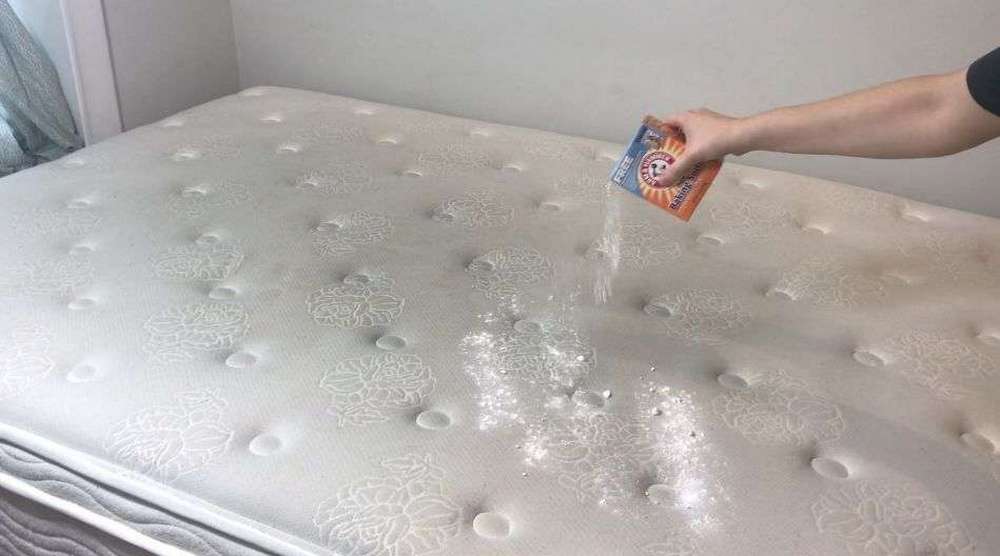
Once you have blotted thoroughly and completed enzyme treatment, baking soda can help absorb residual odor and a bit of surface moisture.
- Let the area dry until it is only slightly damp, not wet.
- Sprinkle a generous, even layer of baking soda over the spot.
- Leave it for several hours to overnight, if possible.
- Vacuum only when the baking soda is fully dry, using an upholstery attachment.
Tip: Baking soda works best on odor after the enzyme step. If you use it too early on a wet, dirty spot, you can end up with paste that is harder to remove.
Dry fast
A mattress that stays damp becomes a tiny, hidden smell trap. Drying is not the extra step. It is the step that decides whether your room smells normal tomorrow.
- Airflow: Aim a fan directly at the cleaned area for several hours.
- Dehumidify: If you have a dehumidifier, run it in the room with the door mostly closed.
- Sunlight (if feasible): If the mattress is light enough to safely move, fresh air and indirect sun can help. Long periods of harsh direct sun may degrade some foams and fabrics over time.
- Stand it up for airflow: If you can do it safely, propping the mattress on its side exposes more surface area and speeds drying.
Avoid: Hair dryers on high heat and steamers. Gentle airflow beats heat for this kind of mess.
Mattress types and care notes
Most mattresses respond well to the same low-moisture approach, but a couple of details matter:
- Memory foam and pillow-tops: These hold moisture. Use the lightest possible spray and extra drying time.
- Innerspring mattresses: Liquid can travel through padding into layers you cannot reach. Blot aggressively and prioritize airflow and dehumidifying.
- Latex: Avoid soaking. Latex dries more slowly than a thin quilted top, and moisture can linger if you over-wet it.
- Do not automatically flip. Many modern mattresses are one-sided. If your manufacturer says do not flip, do not flip. Standing it up for airflow is usually fine if you can do it safely.
If there is a stain after it dries
Sometimes the smell goes away but a shadow remains. Treat stains with a light touch, because over-wetting brings odor problems back.
Try a mild soap solution
- Mix a few drops of gentle dish soap into a cup of cool water.
- Dampen a clean cloth and dab the stain. Do not pour water onto the mattress.
- Blot with a dry towel to pull moisture out.
Then repeat baking soda and drying
After any spot-cleaning, go back to low moisture odor control and fast drying: a light baking soda layer, vacuum when fully dry, then fan.
What not to use
- Vinegar as the main cleaner: Vinegar can help with some odors, but vomit is protein-heavy and enzymes tend to work better on the source. Vinegar also adds moisture, and its scent can linger in foam.
- Bleach: Harsh on fabrics and foams, and usually unnecessary for odor removal here.
- Too much water: The fastest way to create a smell that keeps coming back is to soak the mattress and trap dampness.
- Rubbing or scrubbing: Drives the mess deeper and can fuzz mattress fibers.
- Making the bed before it is fully dry: Trapped moisture equals trapped odor.
When to call a pro
Sometimes the kindest thing you can do for yourself and your mattress is to escalate quickly.
- The vomit soaked deep into memory foam or a thick pillow-top.
- The smell persists after two enzyme treatments and full drying cycles.
- You are dealing with repeated incidents and need a deeper reset.
- The mattress shows signs of moisture retention, mustiness, or possible mold risk.
Prevention for next time
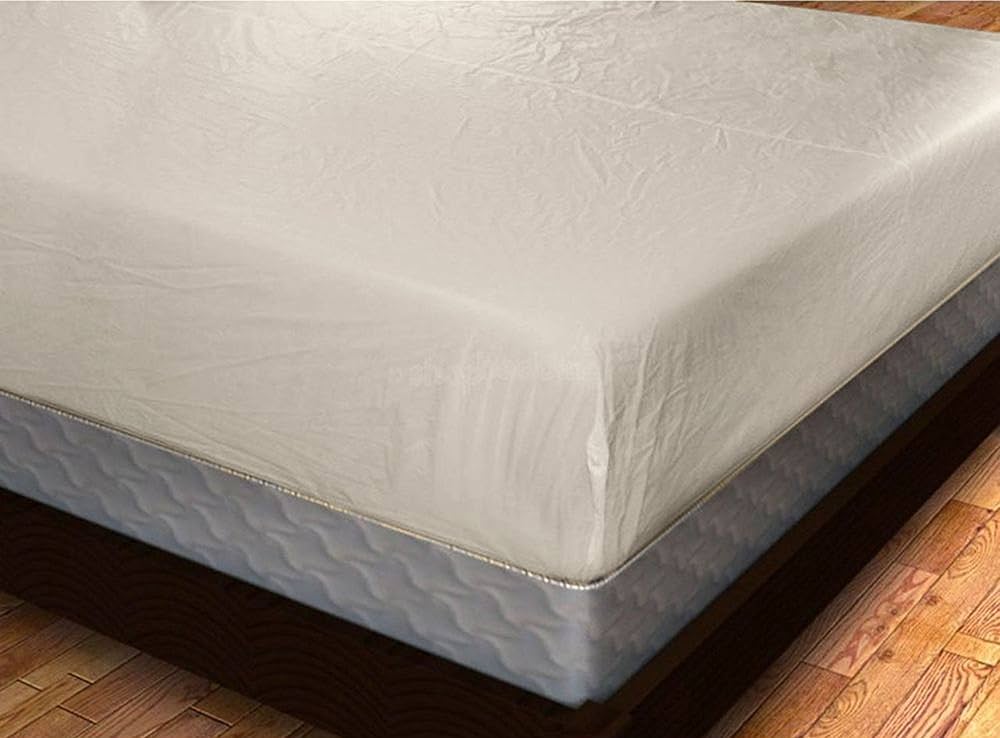
- Use a waterproof, zippered mattress protector. The zippered style protects the sides too, which matters when spills spread.
- Keep a small oops kit nearby. Gloves, paper towels, a spoon or scraper, enzyme cleaner, baking soda, and a small spray bottle.
- Layer smartly. Protector plus fitted sheet makes stripping fast.
Quick FAQ
How do I get rid of vomit smell in a mattress fast?
Blot thoroughly, use an enzyme cleaner with the proper dwell time, blot again, then dry aggressively with a fan and low humidity. Once mostly dry, use baking soda for several hours or overnight and vacuum when fully dry.
Can I sleep on the mattress tonight?
Only if the area is truly dry and odor-free up close. If it is still damp, keep the bed stripped and use a different sleeping spot if possible. Trapping moisture under sheets is how smells linger.
Why does it still smell after I cleaned it?
Usually one of three things: it soaked deeper than you think, the enzyme cleaner did not have enough contact time, or the mattress stayed damp too long. Repeat enzyme treatment lightly and focus on faster drying.
Is baking soda enough by itself?
It can help with odor, but it does not break down the source. For vomit, baking soda works best after an enzyme cleaner has done the heavy lifting.