Urine on a Mattress: Stains, Smell, and What to Do Next
Gust
A little flutter. A cozier corner.
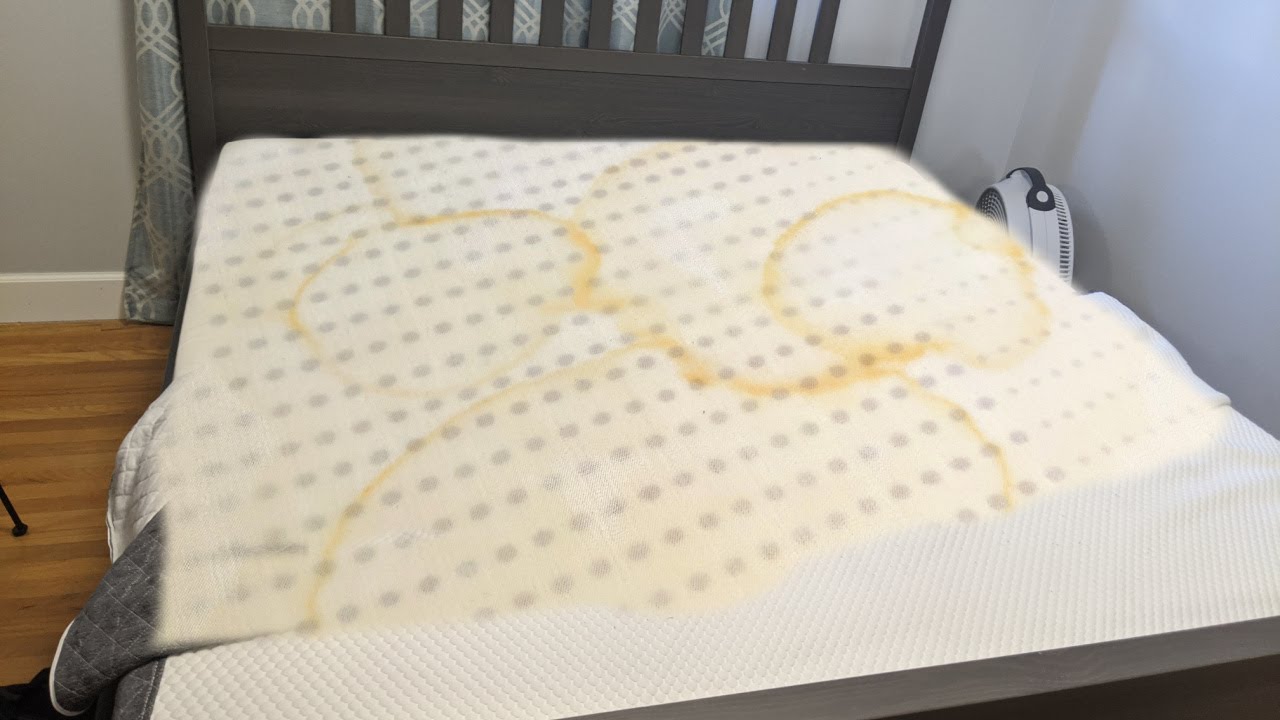
And then the corner gets… less cozy. If a pet or kid accident landed on your mattress, the goal is simple: get the liquid out, break down what causes odor, and dry it quickly so you do not trade urine smell for mildew smell. Here is how to handle both a fresh accident and one you found too late.
First things first: stop the spread
Strip the bed in the right order
Remove bedding fast, but do it with a little strategy so you do not drip across the room.
- Lift off blankets and comforter and keep them away from the mattress surface.
- Roll the fitted sheet inward as you pull it off, like you are wrapping the mess inside.
- If there is a mattress protector, peel it off and fold it inward too.
- Toss items straight into the washer, or into a hamper lined with a trash bag if you cannot wash immediately.
If the urine is fresh, blot like you mean it (but do not mash)
Your instinct may be to press hard. On foam and pillow-top beds, that can push urine deeper into layers that are harder to dry. You want firm contact, not downward force.
- Use white towels or paper towels.
- Blot from the outside in to keep the spot from growing.
- Stand and lean lightly with flat hands, then lift. Repeat with dry towels.
- If liquid is still coming up, keep blotting before you add any cleaner.
If you have a wet dry vacuum, you can use it on suction only (no water) to pull more moisture out.
The cleaning plan: enzymes, then deodorize
Urine odor lingers because of compounds that do not rinse away easily. Enzyme cleaners are made to break those down. The key detail people skip is dwell time, meaning how long the cleaner stays wet on the area so enzymes can work.
Step 1: Apply enzyme cleaner
- Choose a cleaner labeled for pet urine or urine odor and safe for fabrics.
- Test in an inconspicuous area if you are worried about discoloration.
- Lightly saturate the stain area. The cleaner needs to reach where the urine went, but you do not want to flood the mattress.
Step 2: Give it dwell time
Enzymes need moisture and time. Follow your product label, but as a general rule, plan for 10 to 15 minutes minimum for fresh accidents and 20 to 30 minutes for dried spots. Some products call for longer. If yours does, believe it.
To prevent the cleaner from drying too fast while it works, you can lay a piece of plastic wrap loosely over the damp area. This is especially helpful in dry climates or under strong fans.
Step 3: Blot again, then deodorize
After dwell time, blot up as much moisture as you can. Then, if the smell is still noticeable, you have two low moisture options:
- Baking soda layer: Sprinkle a generous, even layer over the spot and a few inches beyond it. Let it sit at least 8 hours (overnight is ideal), then vacuum thoroughly.
- Light vinegar mist (optional): If you do not have enzyme cleaner, a very light mist of a 1:1 mix of white vinegar and water can help neutralize some odor. Blot after 5 to 10 minutes. Do not combine vinegar and enzyme cleaner in the same step, since changing pH can make enzymes less effective.
Dried urine: rehydrate, do not soak
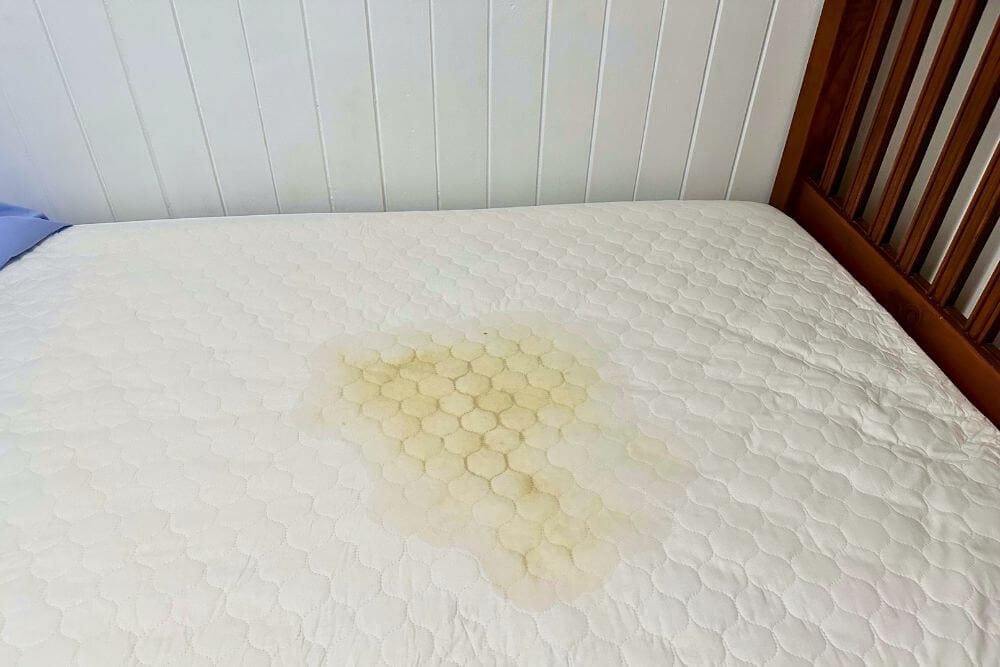
Dried urine is stubborn because it has already crystallized and settled into fibers or foam. You need to lightly re-wet the area so the enzyme cleaner can penetrate, but you still want to avoid drenching.
- Vacuum first if there is any dried residue on the surface.
- Mist the area with plain water until it feels slightly damp, not wet.
- Apply enzyme cleaner and follow the dwell time on the label (lean longer rather than shorter here).
- Blot thoroughly, then use baking soda overnight if odor remains.
If the stain has a visible ring, treat the whole ring, not just the center. Rings form because liquid spreads outward through padding.
Low moisture methods (memory foam)
Foam mattresses can hold onto liquid like a sponge. If your mattress is memory foam or has a thick foam comfort layer, favor methods that use less liquid and more blotting.
- Spray, do not pour any solution.
- Blot in cycles: spray lightly, dwell, blot, repeat instead of soaking once.
- If you need extra pull, press a stack of dry towels over the spot and place a flat, heavy object on top for 10 minutes, then swap towels.
- Avoid steam cleaners. Heat can set some stains and adds a lot of moisture.
Protectors and covers
If your protector is washable
- Rinse or pre-soak if the accident is heavy.
- Wash with your usual detergent.
- If odor lingers, add an enzyme laundry booster if you have one, or run a second rinse cycle.
If your protector is not waterproof
Some “water-resistant” protectors slow liquid down but do not stop it. If urine got through, you did nothing wrong. It just means the mattress needs the full cleanup steps above.
If urine reached a zipper seam
If you use a zippered encasement and urine seeped into seams or the zipper edge, treat those areas too. Seams can hold odor even when the top looks fine.
Dry fast to avoid mildew
Your finish line is not “clean.” It is “clean and dry.” A mattress that stays damp for hours can develop a musty smell that is difficult to remove.
Best quick-dry setup
- Airflow: Point a fan across the surface, not straight down into it.
- Dehumidify: If you have a dehumidifier, run it nearby with the door closed.
- Warmth: Gentle warmth helps. Avoid high heat (like a space heater too close) that could damage foams or adhesives.
- Sunlight: If you can safely put the mattress in direct sun for a short stretch, it can help drying and odor. Do not leave foam baking for hours in extreme heat.
As a rule, give it several hours with active airflow. If it still feels cool-damp to the touch, keep drying before remaking the bed.
When the smell is still there
If you cleaned and dried properly and you still catch a whiff, it usually means one of three things:
- The urine soaked deeper than the treatment reached. Repeat the enzyme step with slightly broader coverage.
- It never stayed wet long enough for enzymes to work. Next round, honor dwell time and consider lightly covering with plastic wrap so it does not evaporate.
- The mattress is not fully dry yet. Dampness can amplify odor. Keep the fan going and reassess after drying.
One more trick for “is it really gone?”: once the mattress is dry, put your face close to the area and sniff. If you can smell it up close, a pet probably can too, which can invite repeat accidents in the same spot.
When to replace the mattress
I am all for rescuing what can be rescued. But sometimes the calmest choice is replacement, especially for a child’s bed or if someone has allergies.
- Repeated accidents in the same area over weeks or months.
- Urine reached the underside of the mattress, or you see staining on the bottom. That suggests deep saturation.
- Persistent odor after multiple enzyme treatments and thorough drying.
- Musty or moldy smell that developed after the mattress stayed damp.
- Visible mold spots, especially along seams or under the mattress.
- Someone in the home is immunocompromised, very young, or medically vulnerable. In that case, err on the side of safety.
If you suspect mold growth inside the mattress, replacement is typically the safer route. Mold is not a “surface wipe and done” problem when it has penetrated padding.
Quick FAQ
Should I use bleach on a urine stain?
Generally no. Bleach can discolor fabric, damage foams, and does not break down the specific odor-causing compounds the way enzymes do. It also adds more moisture to a place you are trying to dry quickly.
Can I use a carpet shampooer or upholstery machine?
Be cautious. Those tools can push liquid deeper and leave the mattress too wet. If you do use one, use minimal water, extract thoroughly, and commit to aggressive drying afterward.
Do I need to flip the mattress to dry it?
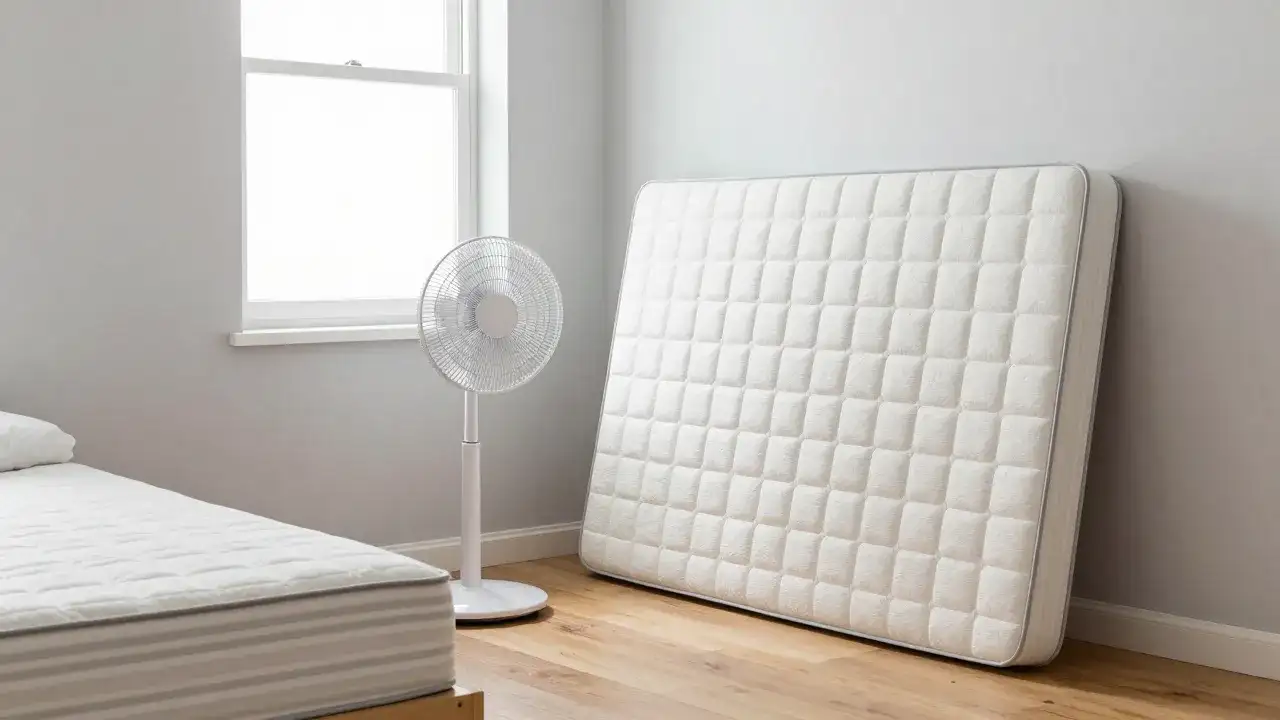
Not usually. Focus on airflow across the cleaned area. If the accident was heavy and you think it soaked through, you can carefully stand the mattress on its side to help air circulate, as long as it is stable and safe.
What if the stain is gone but the smell comes back at night?
Warmth and humidity can “wake up” lingering odor. It is a sign the area either needs more enzyme dwell time or more drying, sometimes both.
A calmer tomorrow setup
Once everything is clean and dry, add a waterproof mattress protector before remaking the bed. It is the small, quiet kind of insurance that keeps a future midnight cleanup from turning into a whole weekend project.