Mold or Mildew Spots on a Mattress: What to Do
Gust
A little flutter. A cozier corner.
If you have spotted speckles on a mattress, you are not alone. Mattresses are basically big, cozy sponges wrapped in fabric. Give them a little humidity, a small spill that never fully dried, or a bed frame that traps moisture, and they can start growing things you did not invite.
Let’s sort out whether you are looking at mildew-like surface growth, deeper mold growth, or just a stubborn stain, then walk through a safe clean and dry routine. I will also help you decide when the growth is too deep and replacement is the gentlest option for your lungs and your sleep.
Mildew-like growth vs. mold vs. stains
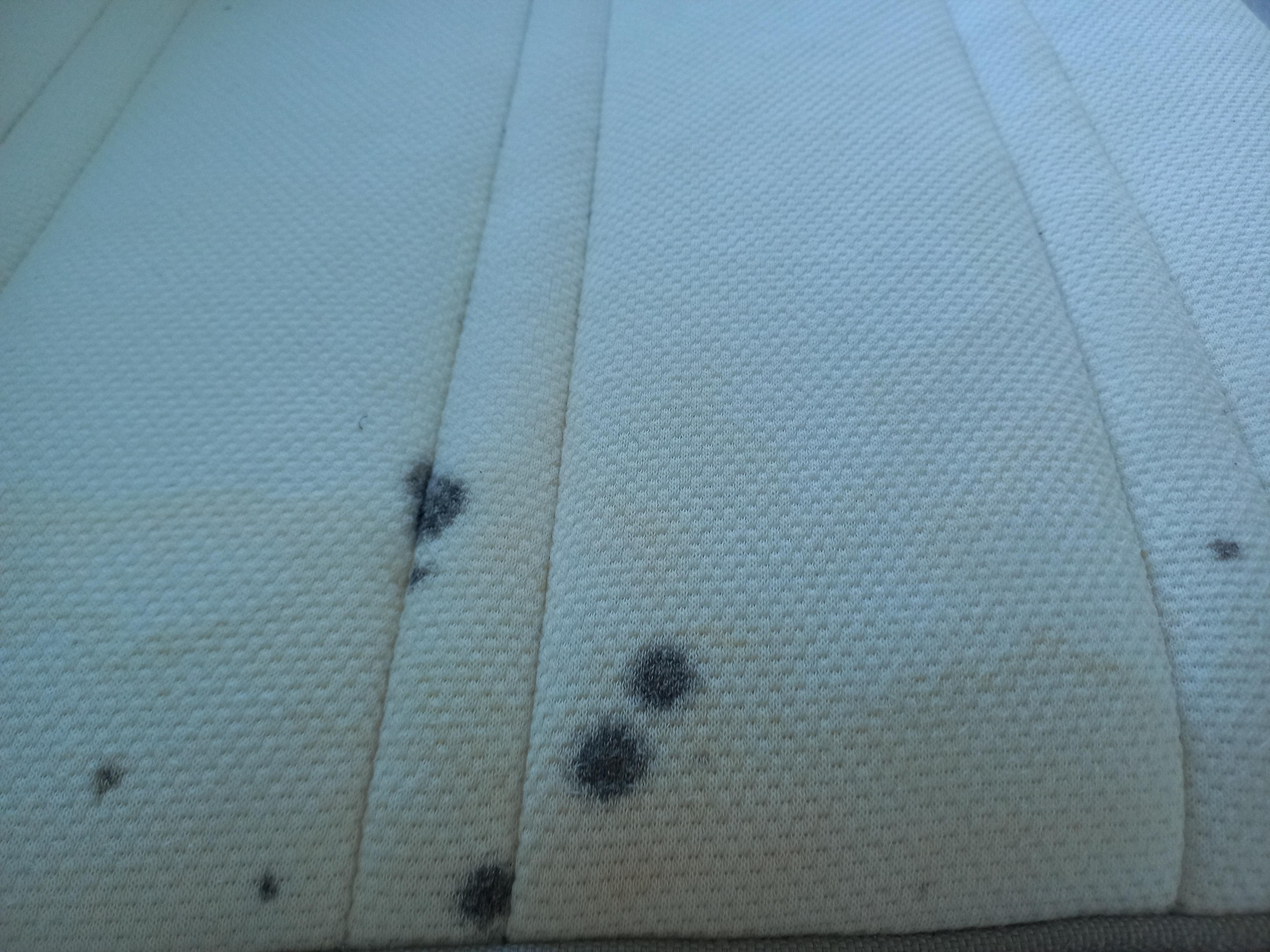
You cannot reliably identify the exact species of mold just by looking. Also, in everyday language, “mildew” is usually just a type of mold that shows up as lighter, more surface-level growth. What matters most is whether you are dealing with active growth (especially anything that seems to be spreading or returning) or a non-living stain.
You can often tell the difference by combining sight, smell, and how the spot behaves when cleaned.
Common signs of mildew-like surface growth
- Looks: light gray, white, or pale yellow patches, sometimes powdery on the surface.
- Smells: musty, like damp towels or a closed-up basement.
- Where it shows up: areas with frequent humidity, like the side against a wall, under the bed, or where a protector trapped moisture.
Common signs of deeper mold growth
- Looks: black, dark green, brown, or rust-colored specks or blotches. It may look fuzzy, peppered, or smudgy.
- Smells: stronger musty odor, sometimes earthy or sour.
- Behavior: may come back after “cleaning” if the inside of the mattress stayed damp.
Signs it may be a stain, not growth
- No musty odor even when you put your nose close (not glamorous, but effective).
- Color matches a known event: yellowing from sweat, brown rings from an old spill, or a faint gray scuff from a bed frame.
- It does not spread and does not change after humid weather.
If anyone in the home has asthma, severe allergies, is immunocompromised, or you are dealing with a baby’s sleep space, treat suspicious spots more cautiously. Also, if anyone gets significant symptoms when handling the mattress or being in the room, step back and consider replacement and professional help.
First: do not spread it around
Mattress mold problems get worse when we accidentally help spores travel. Before you start scrubbing:
- Move the mattress into a well-ventilated area if you can. A garage with the door open or a room with multiple open windows is better than a closed bedroom.
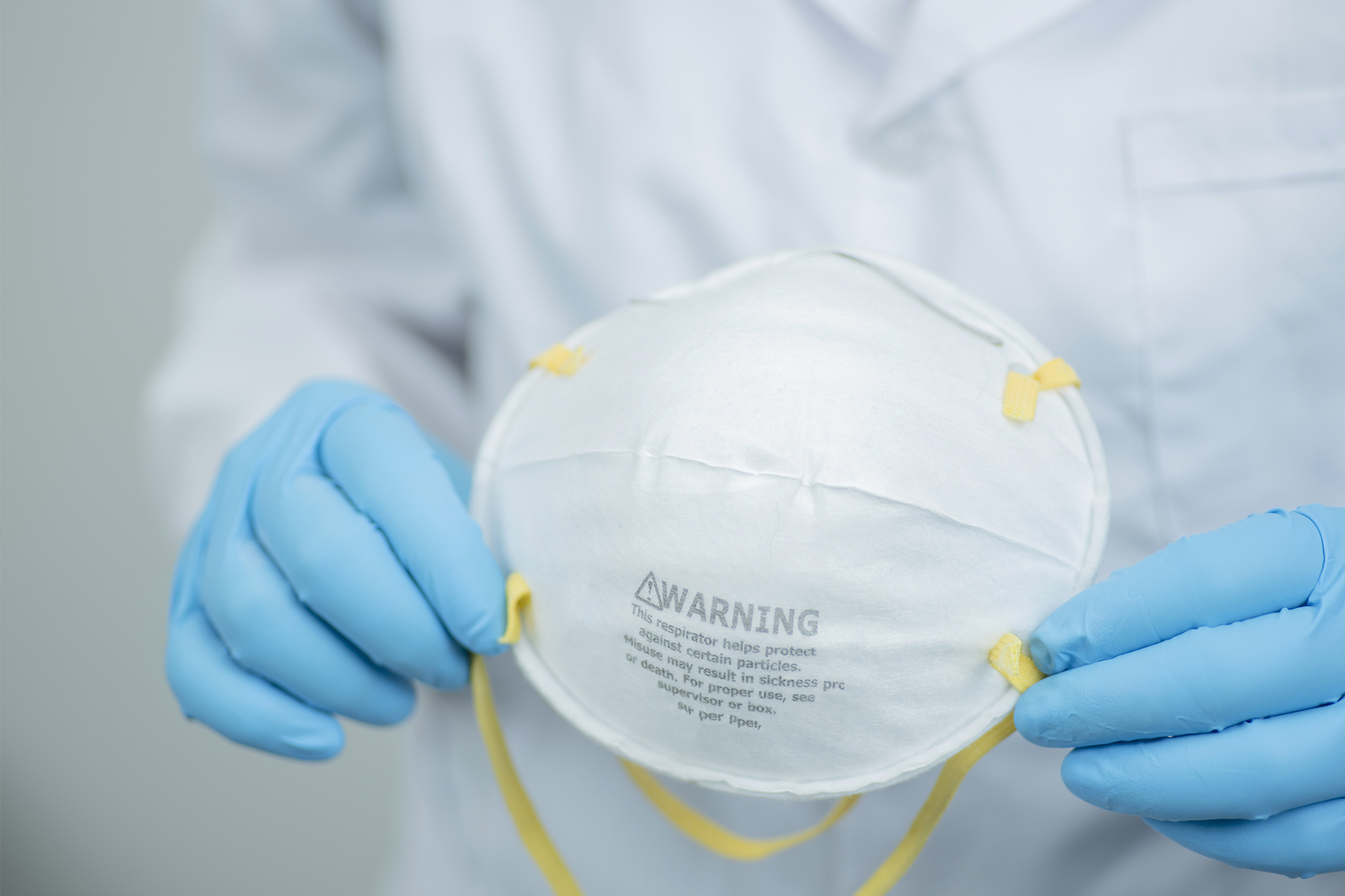
- Put on protection: disposable gloves and a well-fitting NIOSH-approved N95 respirator if you have one (P100 is also good). If you only have a basic dust mask, it is better than nothing, but not ideal for mold.
- Keep kids and pets out until cleanup is done and the mattress is fully dry.
- Do not dry-brush visible growth. That can puff spores into the air.
- Do not soak the mattress. More water is the enemy. Your goal is controlled, minimal moisture and maximum drying.
Quick decision: clean it or replace it?
Here is the practical line: a mattress is difficult to fully decontaminate because it is layered, padded, and designed to hold air pockets. If growth has moved beyond the cover fabric into the foam or fibers, it can keep returning.
Foam mattresses in particular can trap moisture and dry slowly. If you cannot get it fully dry, do not keep trying to rescue it with more cleaning.
Leaning toward cleaning makes sense when
- The spots are small and clearly on the surface.
- The area is dry to the touch and there is no strong musty smell coming from inside the mattress.
- You can fully dry the mattress quickly and fix the moisture source so it does not recur.
Replacement is the safer call when
- You see large areas of growth, multiple patches, or spreading.
- The mattress has been damp for 24 to 48 hours or more (after a flood, leak, or prolonged humidity).
- There is a persistent musty odor even after surface cleaning and thorough drying attempts.
- The stain looks like it has wicked deep into quilting and padding.
- Someone in the home has serious respiratory sensitivity.
If you are unsure, you can do a small cleaning test on one patch. If the spot lightens but the odor remains, or it reappears after a week in the same location, that is a strong hint it is living deeper than the surface.
Supplies to gather
You do not need a chemistry set. You need a few basics, and a drying plan.
- N95 respirator and disposable gloves
- Vacuum with a sealed HEPA system if possible
- Spray bottle
- Clean white cloths or paper towels
- Mild dish soap
- Hydrogen peroxide 3% (common first-aid peroxide)
- White vinegar (optional, see note below)
- Baking soda
- Fan and dehumidifier if you have one
- Sunlight access, if available
A note on mixing: never mix cleaning chemicals together. In particular, do not mix bleach with ammonia or vinegar. For mattresses, bleach is generally a poor choice anyway because it can damage fabrics and still fail to reach growth inside the padding.
Safe cleaning order
Think surface-first and minimal moisture. You are cleaning and treating what you can reach, then drying like your comfort depends on it.
1) Strip the bed and contain the linens
Remove sheets, mattress protector, and any pad. Bag them on the way to the washer so you do not scatter spores through the house. Wash with the warmest water safe for the fabric and dry completely.
2) Vacuum carefully (only if it is dry)
If the area is dry and you have a sealed HEPA vacuum, you can vacuum slowly over the spotted area and the surrounding few inches using an upholstery attachment. This can remove loose debris before you do any damp blotting.
If the spot looks fuzzy, powdery, or you see any dust plume when you start, stop. Vacuuming can kick particles into the air if the setup is not truly HEPA-sealed or the growth is actively shedding. In that case, skip this step and move straight to careful blotting and drying.
When finished, empty the vacuum outdoors if it is bagless. If it uses a bag, seal and discard it.
3) Spot-clean with soapy water (gentle)
Mix a few drops of dish soap into a bowl of warm water. Lightly dampen a cloth, then blot the spot. Do not saturate. Work from the outside of the spot inward to avoid spreading.
Follow with a clean cloth dampened with plain water to remove soap residue, again blotting, not soaking.
4) Treat the surface (choose one approach)
On mattress fabric, peroxide or vinegar can help treat surface growth and staining. They are not a guarantee of “disinfection” in porous, layered materials, so the goal here is practical: reduce what is on the surface and then dry thoroughly.
Test any method on an inconspicuous area first.
- Hydrogen peroxide method: Lightly mist the spot (do not drench). Let it sit for about 10 minutes. Blot thoroughly with a clean cloth.
- Vinegar method (optional): Lightly mist white vinegar, let sit about 1 hour, then blot. Vinegar odor fades as it dries, but only if drying is complete.
If the mattress has a strong odor, peroxide plus aggressive drying often feels “cleaner” in the end. Vinegar can help on the surface, but a damp mattress that smells like vinegar is still a damp mattress, and damp is what mold loves.
5) Deodorize with baking soda
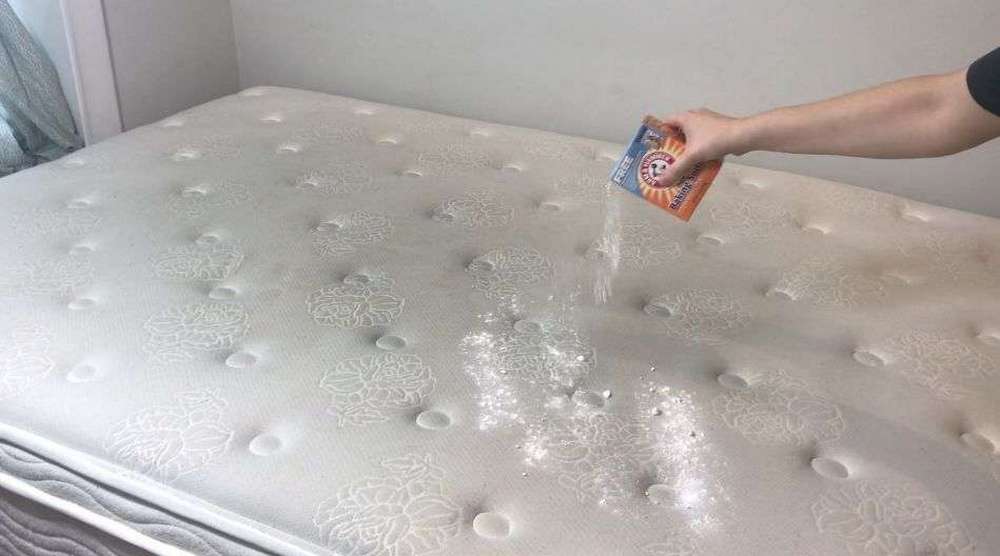
Once the area is only slightly damp, sprinkle a light, even layer of baking soda over the cleaned zone and a wider ring around it. Let it sit for at least a few hours, or overnight if you can keep the space ventilated. Then vacuum it up thoroughly.
How to dry the mattress fast
Cleaning without drying is like mopping a floor and closing the door with the windows shut. Your best results come from airflow, warmth, and low humidity.
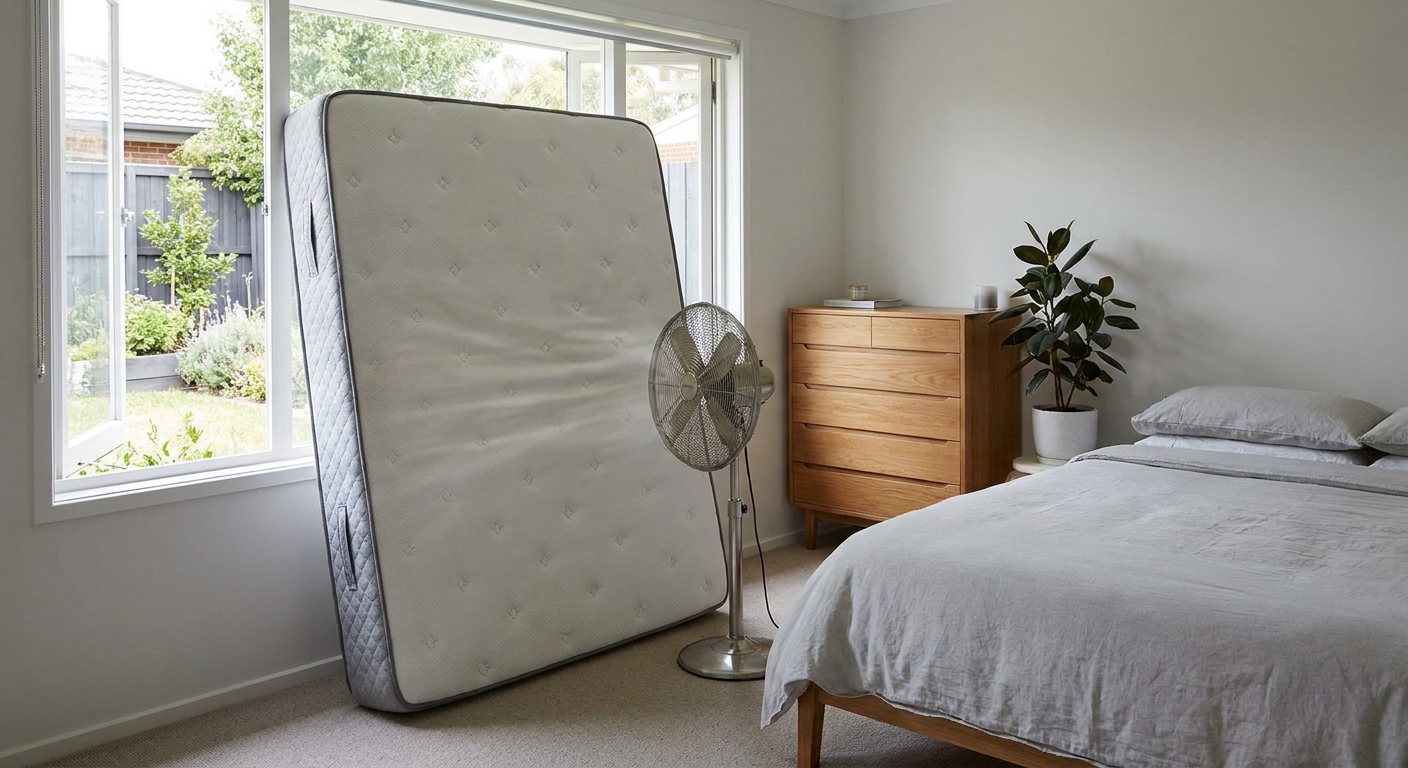
- Stand the mattress on its side so both faces can breathe. If you cannot, at least lift it so air can move underneath.
- Run a fan aimed across the surface, not straight into it.
- Use a dehumidifier in the room if you have one, especially in humid climates or basements.
- Bring in sunlight if possible. Indirect sun plus airflow can help a lot. Avoid high heat on foam.
- Be careful with electricity and heat: keep cords and plugs away from damp spots. Avoid space heaters blowing directly onto foam or fabric. Skip hair dryers up close, since hot spots can damage materials and you can end up pushing moisture deeper.
- Give it time: plan on several hours at minimum. After any liquid contact, an overnight dry is often the calmest choice.
Before you remake the bed, press a dry towel into the cleaned area firmly. If the towel picks up moisture, keep drying.
Fix the moisture source
Mold on a mattress is rarely a random event. Something is feeding it. Here are the usual suspects and how to nudge them back into good behavior.
Mattress on the floor
A mattress directly on the floor, especially carpet or concrete, is a moisture trap. Warm body heat rises into the mattress at night, then cooler floor temperatures can encourage condensation underneath.
- Raise the mattress on a frame.
- If you must floor-sleep for a while, stand the mattress up daily to air out both sides.
- Use a dehumidifier in the room if humidity is high.
Solid platform bed with no ventilation
Solid platforms can block airflow. That is great for dust bunnies, less great for moisture.
- Add ventilation: a slatted base, a bunkie board designed for airflow, or spaced slats per your mattress brand’s recommendations.
- Air out the mattress monthly by stripping the bed and running a fan for an hour.
Bed against an exterior wall
Exterior walls can run cooler, especially in winter. That temperature difference can create a clammy zone behind the head of the bed.
- Pull the bed a few inches away from the wall for airflow.
- Check for wall condensation, peeling paint, or a musty smell. If the wall is damp, the mattress will not win that fight.
High indoor humidity
If your bedroom regularly sits above about 50% relative humidity, mold has a better chance of thriving. Sustained humidity above about 60% is a common risk zone.
- If you can, aim for about 30 to 50% relative humidity.
- Run a dehumidifier or your HVAC in dehumidify mode.
- Vent the bathroom during and after showers.
- Do not dry laundry indoors in the bedroom.
Spills, night sweats, and a too-sealed mattress protector
Protectors are wonderful, but if moisture gets underneath and cannot evaporate, it can linger.
- After any accident or spill, remove the protector and dry both the protector and the mattress immediately.
- Consider a breathable, washable protector and launder it regularly.
- Rotate and air out the mattress more often if you deal with heavy sweating.
If the spots keep coming back
Recurring spots usually mean one of two things:
- The mattress never fully dried and growth remained in deeper layers.
- The moisture problem is still active (floor contact, humidity, leak, condensation, or a damp platform).
If you have cleaned twice and the musty smell persists, treat that as a red flag. At that point, replacement is often the simplest and healthiest resolution, especially if the mattress is older and already due for retirement.
When to call a pro
Professional help is worth considering if:
- There was a flood or sewage backup.
- You see mold on multiple items in the bedroom (mattress, baseboards, walls, rugs).
- You suspect an ongoing leak inside a wall or under flooring.
- Anyone in the home has serious symptoms when in the room.
A pro can help identify the moisture source and check surrounding materials. Even if you replace the mattress, the room still needs to be dry and stable or the new one may develop the same problem.
FAQ
Can I use a steam cleaner on mold or mildew-like spots?
I would avoid it for mattresses. Steam introduces a lot of moisture into layers that are slow to dry. If the inside stays damp, you can trade a surface spot for a deeper problem.
Is bleach a good idea?
Usually no. Bleach can discolor mattress fabric and does not penetrate well into porous materials. It can also create harsh fumes in a soft, absorbent item you put your face near every night.
Will sunlight kill mattress mold?
Sunlight can help reduce surface microbes and, more importantly, help the mattress dry. Drying is the real win. Do not rely on sun alone if you have active growth or a persistent smell.
If the spot is gone, is it safe?
Not always. A stain can remain after growth is gone, and growth can remain even if a stain fades. Your best indicators are: no musty odor, no new growth after humidity changes, and a mattress that is fully dry with the moisture source fixed.
Should I keep using the mattress while it dries?
No. Sleeping on a damp mattress slows drying, adds more moisture, and can increase exposure to irritants. Give it the time and airflow it needs, even if that means a night on the couch or an air mattress.
A calmer bedtime, going forward
Mildew-like growth and mold thrive in the quiet, damp places we forget to look. Once your mattress is clean and dry, the coziest habit is simple: let your bed breathe. Pull back blankets for a bit each morning, keep humidity in check, and give the mattress airflow under and around it.
If the spots were a one-time surface issue, you are likely in the clear. If they were a symptom of a damp room or a trapped, unventilated base, fixing that source is what keeps the whole bedroom feeling lighter.