Smoke Smell in an Area Rug

Clara Townsend
There are few home smells that feel as stubborn as smoke trapped in an area rug. It clings like a bad memory, especially in a plush pile, and it has a way of blooming back the moment the room warms up. The good news is that rugs are easier than upholstery in one big way: you can move them, flip them, and treat both the fluffy top and the often forgotten underside.
Below is exactly how I tackle cigarette, candle, or wildfire smoke odor in a movable area rug without turning it into a wavy, dye-bleeding mess. I start by figuring out what your rug is made of, then choose the lowest-moisture approach that still works.

What is holding the smell
Smoke odor is usually a mix of tiny particles and oily residues that lodge into fibers. An area rug has two main zones that trap it:
- The pile (top fibers): This is where soot and odor compounds cling, especially in high pile, shag, and anything textured.
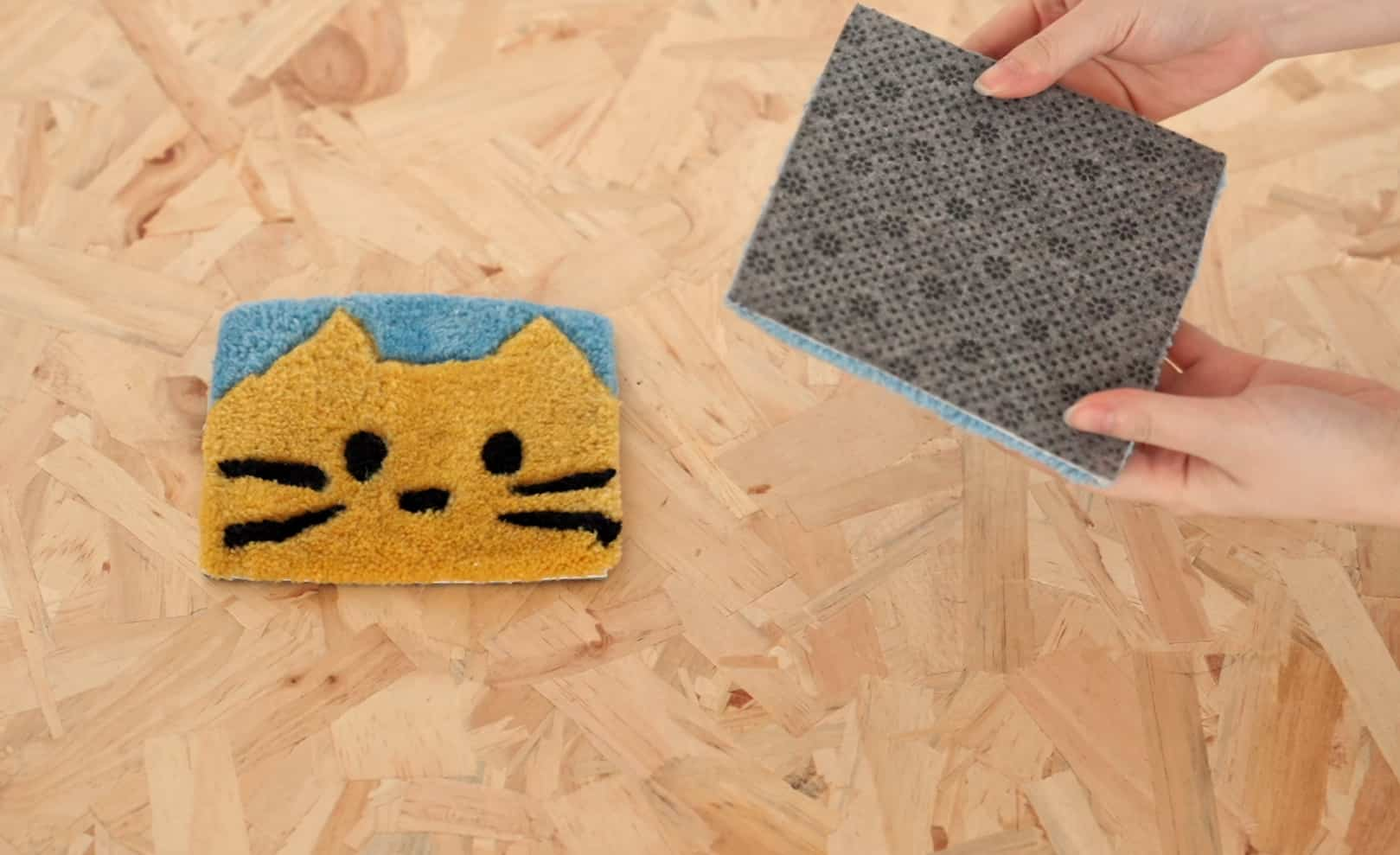
- The backing (underside): Often overlooked. Latex, rubber, and synthetic backings can hold smoke odor and re-release it. If the rug sat in a smoky room for weeks, the backing matters as much as the pile.
If you only treat the top, you can get a rug that smells fine until you walk on it, warm it, or vacuum it, then the odor puffs right back up.
Quick safety check
1) Identify the fiber (or make your best guess)
Look at the care label if you have it. If not, here are quick tells:
- Wool: Springy, warm, slightly fuzzy look. Often sheds a bit. Can smell a little “sheepy” when damp.
- Cotton: Softer, flatter, more matte. Common in dhurries and woven rugs.
- Jute or sisal: Very textured, straw-like, stiff. Usually a natural tan color. Hates moisture.
- Silk or viscose (art silk): Very silky sheen, drapier feel. Viscose is notorious for water marks and pile distortion.
- Synthetics (polypropylene, polyester, nylon): Often very uniform fibers, less shedding, sometimes a slightly waxy feel. Usually more water tolerant.
2) Check the dyes before you do anything
Color bleeding is the heartbreak you do not want. In a hidden spot, dab with a white cloth barely dampened with cool water. If dye transfers, treat this rug as “delicate dye” and avoid soaking, heavy wetting, and harsh cleaners.
3) Know your backing
Flip the rug. If you see a grippy rubber or latex backing, keep moisture minimal. These can trap water, encourage mildew, and sometimes break down or curl when saturated.
Low-moisture odor removal
If you are dealing with candle smoke, a few smoky evenings, or mild wildfire odor, start here. Low moisture protects dyes, prevents rippling, and avoids pushing odor deeper into the backing.
Step 1: Vacuum the top and the bottom slowly
Vacuuming is not glamorous, but it is the foundation. Go over the rug in overlapping passes, then flip it and vacuum the backing too. Smoke particles love to sit down in the base of the pile.
- If your rug has fringe, avoid vacuuming fringe directly. Use suction only or a handheld attachment.
- If it is shag, use a suction-only setting if possible to avoid tangling.
If the situation involved ash or soot, go gentle. Do not brush or grind it in. A vacuum with a HEPA filter (or a HEPA-rated shop vac with the right bag and filter) helps keep the finest particles from getting redistributed back into the room.
Step 2: Baking soda, but use a light hand
Lightly sprinkle baking soda across the pile. Think a thin dusting, not a thick white layer, especially on dense or high-pile rugs where residue can be stubborn to remove. Use a soft broom or upholstery brush to gently work it down into the fibers. Let it sit at least 8 hours, overnight if you can. Vacuum thoroughly.
Important: Baking soda is a deodorizer, not a magic eraser. It works best when the rug is dry and you give it time. It also works best when you remove it completely, so do extra vacuum passes until you stop picking up any powder.
Step 3: Ventilate with intention
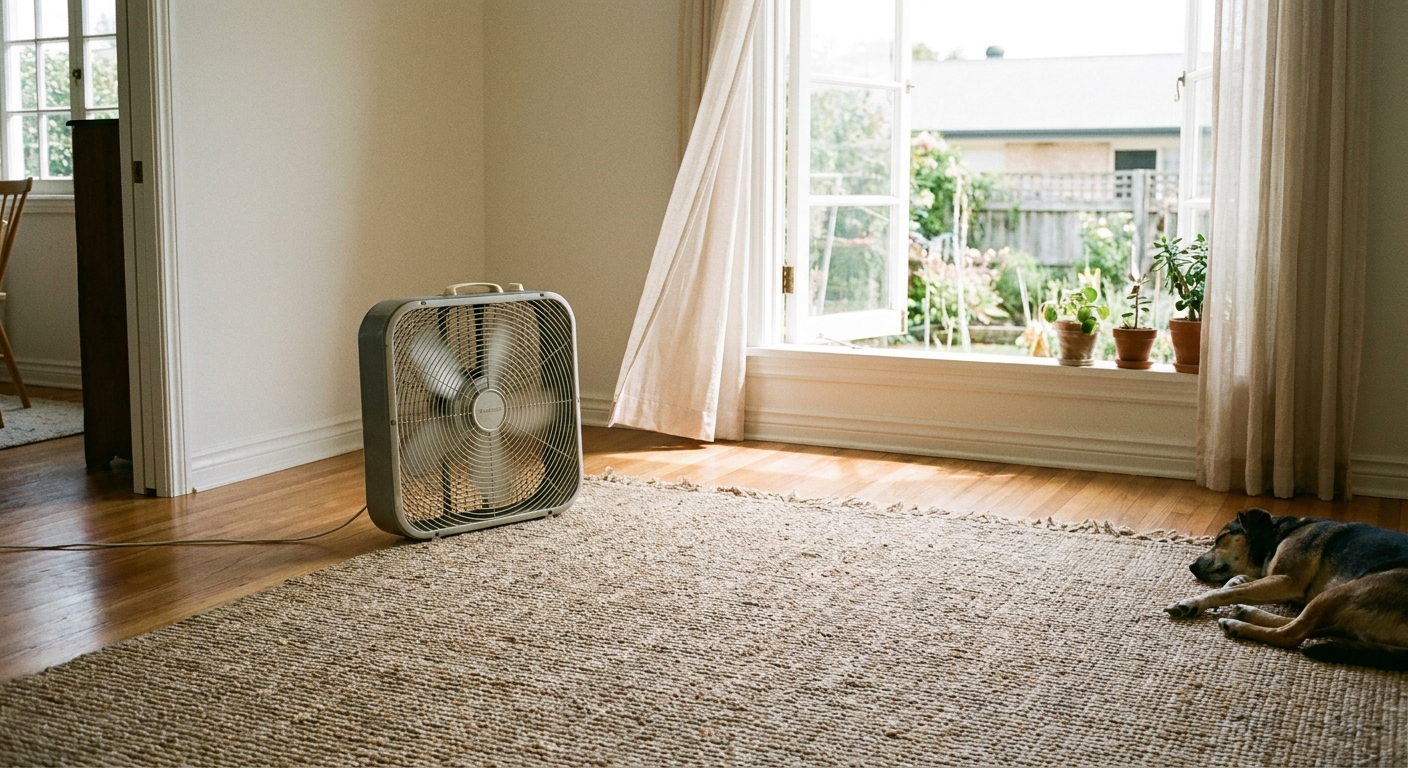
Open windows, run a fan across the rug surface, and if you have an air purifier, park it nearby for a day or two. Air movement matters more than you would think.
Outdoor airing
Outdoor airing can help smoke odor because fresh air (and a bit of sunlight) can reduce some odor intensity over time. It is not foolproof, and it is not worth it if it risks fading.
When outdoor airing is generally safe
- Most synthetic rugs with stable dyes
- Many wool rugs if you keep the time limited and avoid harsh sun
- Flatweaves that dry quickly
When to be cautious
- Rugs with dye transfer on your spot test: Avoid dew, humidity, or any damp outdoor conditions, and avoid sun that could shift or fade color.
- Viscose or silk: Keep it out of direct sun and away from moisture. These fibers can watermark or lose their surface look.
- Jute and sisal: Airing is fine only if it stays bone dry. Even a little damp can create a sour smell or staining.
How to air a rug outside without creating new problems
- Pick a dry day. No rain, no heavy humidity, no overnight dew.
- Choose shade or gentle light. Full sun all day can fade dyed rugs.
- Hang it over a wide railing or lay it flat on a clean surface. Avoid thin lines that crease the rug.
- Do short sessions in gentle light. Think 1 to 3 hours, then reassess.
- Flip and air the backing side too.
If wildfire smoke is active outdoors where you live, airing outside can make odor worse. In that case, focus on indoor ventilation and filtration until the air is truly clean.
Stronger odor: deodorize by fiber
When baking soda and airflow are not enough, you need something that neutralizes odor, not just masks it. The key is using the lowest moisture that your rug fiber can tolerate.
What I look for in an odor neutralizer
- Labeled for textiles or carpets, and designed to neutralize odor (not just perfume it)
- No bleach, no brighteners, no dye
- Low residue formulas you can apply lightly and dry quickly
If you are shopping, look for categories like fabric-safe smoke odor neutralizers or enzymatic odor products made for soft surfaces. Always spot test first.
Wool rugs
- Moisture limit: Low to moderate, but avoid soaking and long wet dwell time.
- What works: A light mist of a fabric-safe odor neutralizer, then airflow. For deeper odor, a professional wash is often best.
- Avoid: High alkalinity cleaners, hot water, and aggressive scrubbing that can felt the fibers.
Cotton rugs and flatweaves
- Moisture limit: Moderate, but watch for dye bleed.
- What works: Gentle washing can work if dyes are stable, but thorough drying is non-negotiable.
- Avoid: Leaving it damp or folded. Cotton holds water longer than you think.
Polypropylene, polyester, nylon (most synthetics)
- Moisture limit: Moderate to higher, depending on backing.
- What works: Low-moisture shampooing, gentle extraction, and strong drying airflow.
- Avoid: Soaking rubber-backed rugs, and avoid high heat that can distort some synthetics.
Jute and sisal
- Moisture limit: Extremely low. Think “barely damp cloth” at most.
- What works: Dry deodorizing (baking soda with thorough vacuuming), and long indoor airflow.
- Avoid: Steam cleaning, rinsing, or any method that wets through to the core. It can cause browning and a musty odor that is harder than smoke to fix.
Viscose and silk
- Moisture limit: Very low.
- What works: Gentle dry deodorizing and professional cleaning when odor is strong.
- Avoid: DIY soaking, aggressive spot cleaning, and any rubbing that can distort the pile or create shiny patches.
Do not skip the backing
If you have done everything to the top and it still smells smoky, flip the rug. The underside can hold a surprising amount of odor, especially if it lived over padding.
- Vacuum the backing thoroughly.
- If the backing is woven fabric (no rubber or latex), you can do a light deodorizing treatment similar to the top, then dry fast.
- If the backing is latex or rubber, keep it dry. Focus on vacuuming, airflow, and deodorizing the pile. If odor is trapped in the backing itself, that is often a job for a pro cleaner who can treat without saturating.
Also check the rug pad if you use one. Pads absorb smoke and can re-contaminate a freshly cleaned rug. If the pad smells like smoke up close, replace it.
What not to do
- Do not reach for bleach or ammonia. They can damage fibers, shift dye, and create lingering chemical odor.
- Do not drench a rug to “rinse out” smoke. Slow drying is how mildew and rippling happen.
- Do not rely on heavy fragrance to cover smoke. It usually turns into “smoke plus perfume,” and it is harder to live with.
- Do not leave a dyed rug in direct sun all day. Fading is forever.
When not to soak a rug at home
Soaking sounds satisfying, but it is where most DIY rug disasters happen: dye bleed, rippling, a stiff crunchy feel, or mildew trapped in the center.
Skip home soaking and move to professional help if any of these apply:
- The rug is viscose, silk, antique, or hand-knotted.
- You see dye transfer during your spot test.
- The rug has a latex or rubber backing that cannot dry quickly.
- The smoke exposure was heavy (long-term indoor smoking, a house fire, or weeks of wildfire infiltration).
- There is visible soot or gray dust that keeps coming up even after vacuuming.
- The rug smells fine dry, but gets smoky again when the room is warm or humid. That can mean odor is deeper in the foundation and needs a full wash and extraction.
What a pro can do
A good rug cleaner is not just running a carpet machine over the top. They can:
- Dust rugs properly before washing, which removes embedded particles that hold odor.
- Wash and rinse evenly without leaving detergent residue that attracts grime.
- Control drying so the rug does not mildew from the inside out.
- Treat odor at the foundation level, including the backing, without damaging dyes or fibers.
If your rug is valuable, sentimental, or simply too big to dry quickly at home, professional cleaning is money well spent. It is also often the fastest route back to a room that feels like yours again.
FAQ
How long does it take to get smoke smell out of a rug?
For mild odor, you can notice a real difference in 24 to 72 hours with vacuuming, baking soda, and airflow. For heavier smoke exposure, it may take multiple rounds or a professional wash to fully reset the rug.
Will vinegar remove smoke smell from a rug?
Vinegar can help neutralize certain odors, but I do not love it for many rugs because it adds moisture and can interact unpredictably with dyes and natural fibers. If you use it, keep it very diluted, spot test carefully, and never soak.
Can I steam clean a smoky rug?
Use caution. Steam adds heat and moisture fast, and most DIY steamers make it easy to overwet a rug and hard to dry it quickly enough. Many wool rugs can be wet-cleaned safely with the right approach, but I would avoid DIY steam cleaning on wool, hand-knotted, jute, sisal, viscose, and silk unless you can truly control moisture, chemistry, and drying speed. For synthetic rugs with stable dyes and a backing that dries quickly, light steam followed by aggressive drying can be workable.
Why does my rug smell fine, then smell smoky again later?
That usually means odor is still in the backing, pad, or deep in the base of the pile. Warmth and humidity make odor compounds more noticeable. Treat the underside, check the pad, and consider a professional cleaning if it keeps returning.
Does activated charcoal help with rug odor?
It can help in the “scent zone” around the rug. If the room still smells smoky, set bowls of activated charcoal nearby for a few days (out of reach of kids and pets, and away from light textiles because charcoal dust can stain). It is not a substitute for cleaning, but it can take the edge off while you work.
Reset the whole scent zone
Once the rug is improving, take five minutes to deodorize the things that sit right on top of it. Throw pillows near the floor, curtains, the sofa skirt, even the basket that holds your blankets can hold onto smoke odor and make you think the rug is still the culprit.
When the rug is finally neutral again, it is genuinely like someone opened a window in your whole home’s mood. And you deserve that.