Sisal Rug Dark and Stiff After Water

Clara Townsend
The first time I watched a sisal rug get “helpfully” mopped, it looked fine for about twenty minutes. Then the fibers started to deepen in color, the edges curled, and by the next morning it had the personality of a giant saltine cracker. Sisal is gorgeous, hardworking, and absolutely unforgiving about water. If yours is now dark, stiff, rippled, or oddly brittle, you are not alone.
This is the honest, damage-control page: what you can do right now, what might lighten as it dries, what usually stays forever, and when replacement is the kindest outcome.
What water does to sisal
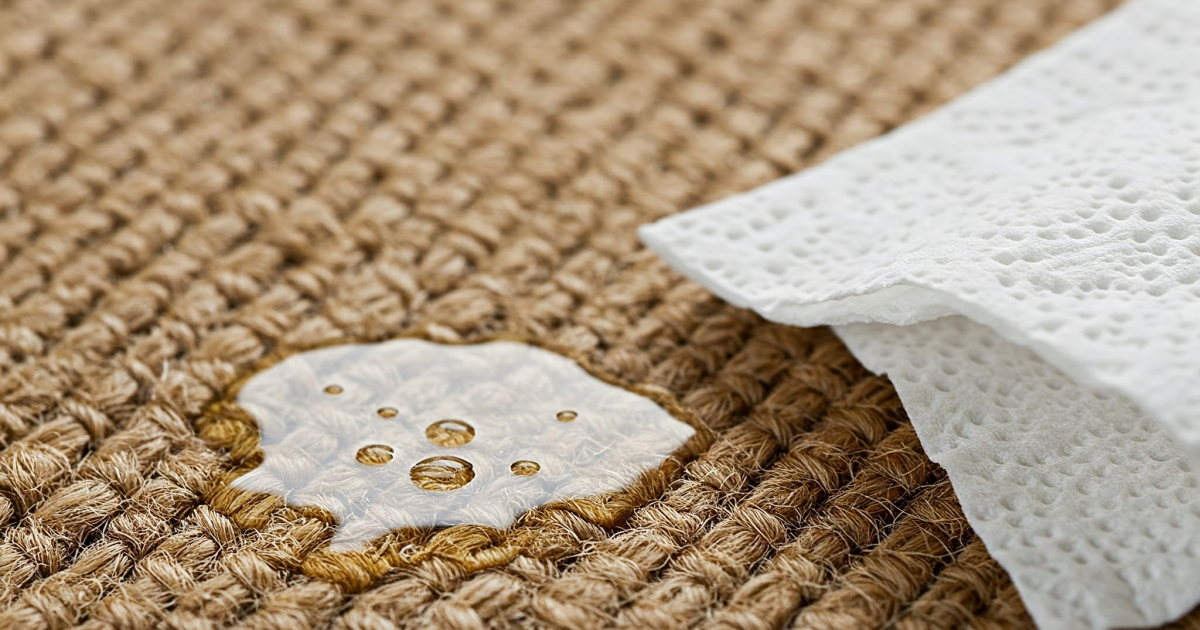
Sisal is a plant fiber. Think of it like a tightly twisted paper rope. When it gets truly wet, a few things can happen at once:
- Darkening: Water penetrates the fiber and, in some rugs, the latex or adhesive used in the backing. As it dries, it can leave behind dissolved impurities that read as a darker patch.
- Stiffness and crunch: As the fiber dries, it can tighten and harden. If soap or cleaner was used, leftover residue can make it feel even stiffer.
- Warping and curling: The weave swells unevenly. If the rug dries while buckled, it can set in that shape.
- Backing trouble: Many sisal rugs have a latex backing, but not all. Water can soften some backings, make them tacky, or contribute to delamination. That can create ripples that may not fully relax.
- Mildew risk: If moisture sits in the core of the rug or pad, musty odor and spotting can appear days later.
The frustrating part is that the damage often reveals itself during drying, not at the moment of the spill or mop.
Do this first
If you can, check the care label or manufacturer instructions before you do anything else. Some natural-fiber rugs are sealed or blended, and their do and do-not list can be very specific.
Also, be practical: wet sisal is heavy. If the rug is large, get help lifting it. And avoid dragging a wet rug across hardwood, since moisture and grit can damage the finish.
1) Stop adding water
No more mopping, steaming, shampooing, or rinsing. With sisal, “flushing it out” often expands the stain and the warp.
2) Get it off anything that traps moisture
If the rug is on a rug pad, lift the rug and remove the pad immediately. If water reached the pad, assume the pad may need to be replaced. Pads love to hold moisture against the underside long enough to create odor, discoloration, and a wavy edge that never quite goes back.
If this happened on hardwood, check the floor too. Trapped moisture can cause wood cupping or staining, especially under a pad.
3) Blot firmly, do not rub
Use clean, dry white towels. Step on them to press moisture out. Replace towels as they dampen. If you can safely flip a corner, blot the underside too.
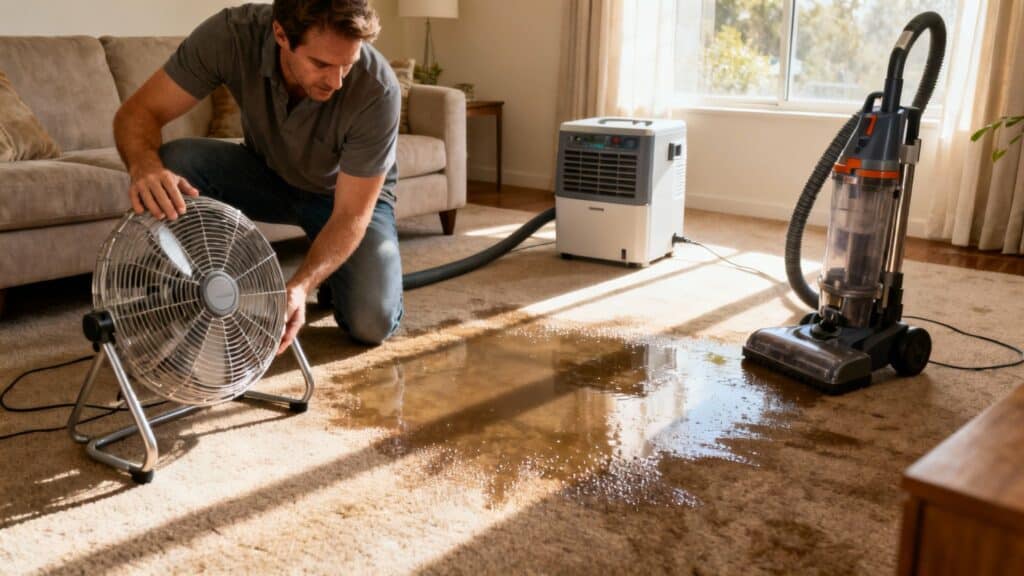
4) Start moving air
Point a fan across the rug surface to create a cross-breeze, not straight down. If you have a dehumidifier, run it in the room with the door mostly closed.
Dry it flat
The goal is even drying, gentle tension, and no trapped moisture underneath.
If the rug is still flexible
- Lay it as flat as possible on a dry, hard surface.
- Skip plastic underneath. Plastic traps moisture. If you need a barrier for wood floors, use layers of towels or unprinted kraft paper and change them as they dampen.
- Weight the edges. Use books or flat boxes with weight spread evenly. Put a towel between the rug and anything that could transfer dye or leave an imprint.
- Use fans and a dehumidifier. Keep air moving continuously until it feels dry on top and underneath.
- Rotate the rug once or twice during drying so one side is not always closest to airflow.
If the rug is already curling
- Flip it over for part of the drying time if you can. In some constructions, the backing dries slower than the face.
- Gently massage the buckled area with your hands to loosen the set, then re-flatten and re-weight.
- Do not use high heat. Avoid hair dryers on hot, space heaters aimed directly at the rug, or full sun baking. Fast, hot drying can lock in stiffness and can aggravate backing issues.
A note from my own styling life: I have had better luck with slow, even drying plus heavy, patient weighting than with any aggressive trick. Sisal responds to calm consistency, not panic.
Will the dark spot go away?
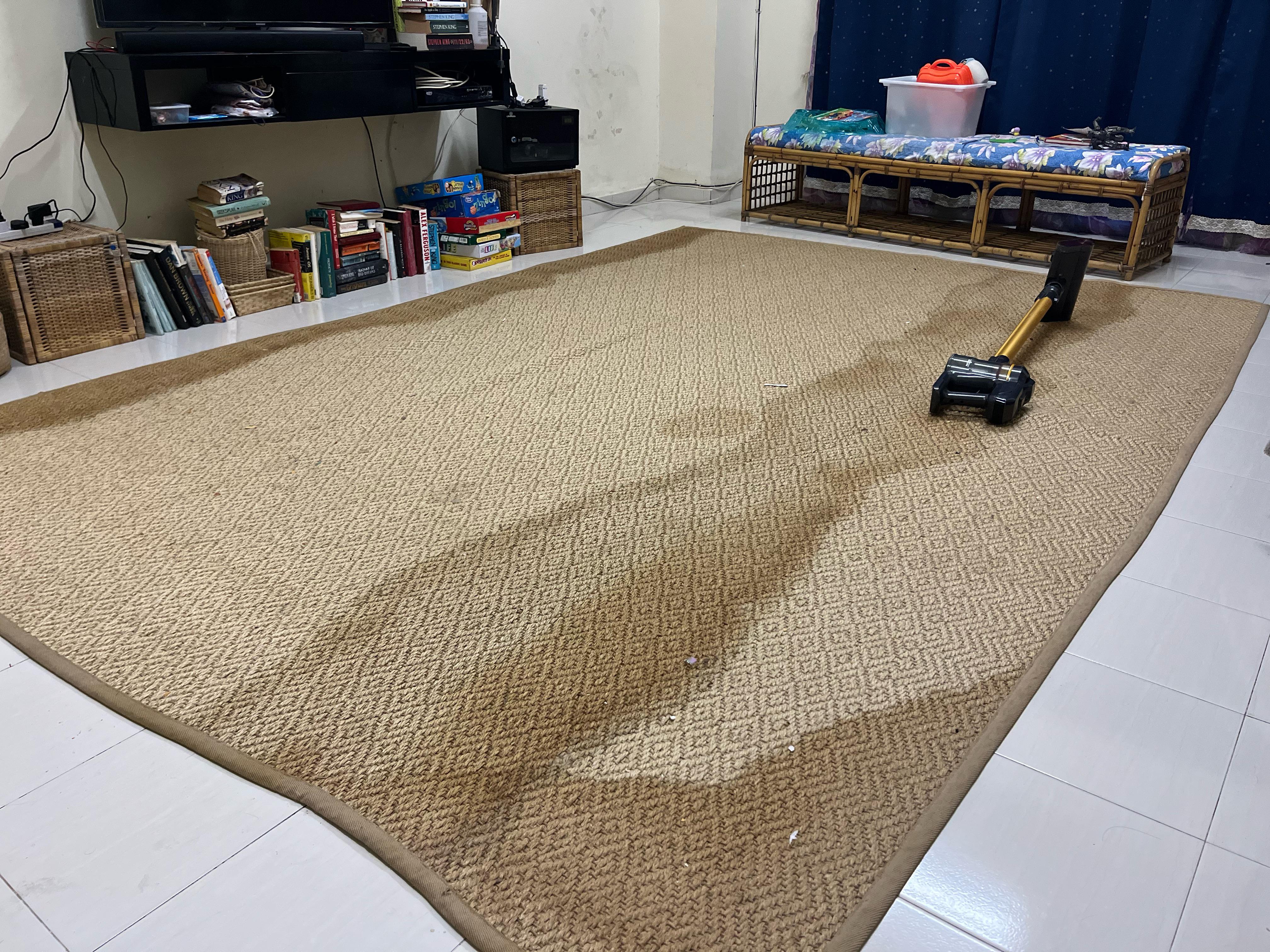
This is the part most people want a yes or no answer to, and sisal gives us a maddening “it depends.” Here are the most common outcomes. Also, not every dark area is the same thing. Some are plant-fiber staining, some are soil redeposit, some are pad dye transfer, and some are backing or adhesive bleed from below.
Darkening that may lighten
- Plain water that was blotted quickly and dried fast, especially on unbacked or lightly backed sisal.
- Uniform dampness across a large area, with no defined edge.
Darkening that often stays
- Ring-shaped marks where the edge dried first and pulled discoloration to the border of the wet area.
- Gray-brown or tea-colored staining from natural plant compounds wicking as it dries, or from whatever the water carried into the fibers.
- Any water event mixed with cleaner or soap. Residue can deepen the color and make fibers feel crunchy.
- Backing bleed-through from latex or adhesive in some rug constructions, which can read as a shadowy stain from below.
Hard truth
With natural fibers, water is not neutral. It is a vehicle. It moves color, impurities, and sometimes backing compounds through the weave.
Can it be softened?
Sometimes you can improve the feel, especially if the stiffness is from residue rather than fiber damage.
Try this gentle approach
- Let it dry completely first. Sisal that is even slightly damp will feel stiffer than it will once truly dry.
- Vacuum thoroughly once dry to lift the weave and remove dried grit. Use suction only if your vacuum allows it, and avoid aggressive brushrolls that can fuzz fibers.
- Lightly brush the area with a soft upholstery brush to lift crushed strands.
What to avoid
- Fabric softener, vinegar rinses, or soaking sprays. Anything that adds moisture can re-trigger staining and rippling. Always defer to the rug’s care label if it says otherwise.
- Steam. It sounds gentle, but it is moisture plus heat, and sisal often does not forgive that combination.
If the rug feels crunchy because the fibers themselves shrank and tightened after a real soak, you may be able to reduce the harshness a bit with vacuuming and gentle brushing, but you usually will not get back that original pliable texture.
Flattening: when it works
Flattening often works when:
- The rug was wet for a short time.
- The backing is intact and not gummy.
- The ripple is mild and you can weight it while it dries.
Flattening is harder when:
- The backing has wrinkled or delaminated. You may see bubbles, ripples that feel like layers separating, or a crackly underside.
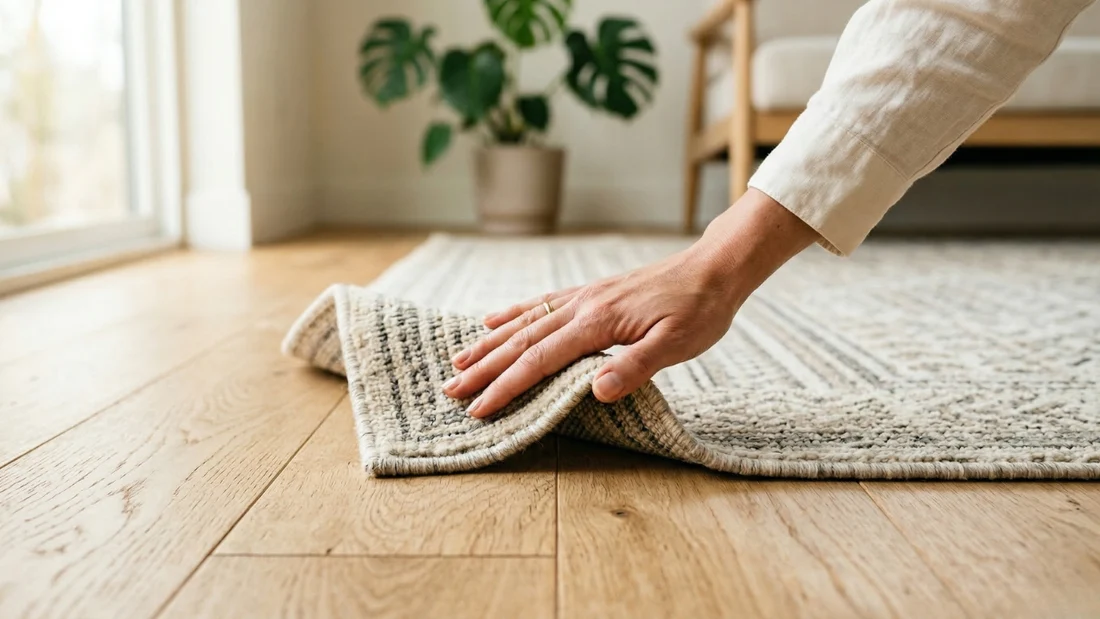
- The edges are cupping hard. If the border is curling like a potato chip and it is already fully dry, it may not relax.
- The rug dried folded or bunched. Sisal can set creases.
If your rug is buckling because the backing changed shape, no amount of top-side weighting will fully correct it. That is not you failing. That is the rug’s construction.
Mold and odor check
If your sisal rug has a musty smell, do not try to perfume it away. Odor usually means moisture stayed in the core or in the pad.
Signs to take seriously
- Musty, basement-like smell that persists after drying.
- Speckled spotting (gray, green, or black) that appears days later.
- Any dampness lingering underneath after 24 to 48 hours of airflow.
At that point, the safest move is to remove the rug from the room and dry it aggressively with airflow and dehumidification. Consider professional evaluation. If mold is present, replacement is often the healthiest option, especially if the rug sat wet on a pad.
When to call a pro
If the rug is valuable, custom-sized, or sentimental, it can be worth talking to a professional rug cleaner who has experience with natural fibers. The key is experience with sisal, not just general carpet cleaning.
- Call quickly if the rug is still wet, heavily stained, or beginning to smell.
- Tell them exactly what happened, including any product used (even “just a little dish soap”).
- Ask how they dry natural fiber rugs and whether they routinely deal with rippling and backing issues.
Be wary of anyone who immediately suggests steam cleaning, hot water extraction, or saturating treatments. Sisal damage often comes from saturation, so repeating it is rarely the answer.
When replacement is best
I love saving things. I am the person who will re-glue a wobbly vintage chair before I buy a new one. But sisal has a point of no return. Consider replacing if:
- The rug is stiff across a large area and uncomfortable to walk on.
- Dark staining is prominent and sits in the most visible part of the room.
- The backing is distorted and the rug will not lay safely flat (trip hazard matters).
- There is persistent odor or any sign of mildew.
- The edges will not relax and keep curling back up even after weighting.
If you are in the replacement zone, I like to reframe it this way: you did not ruin a rug by being “bad at cleaning.” You met a material that has very strict rules. Next time, you can choose a rug that fits your real life, whether that means a wool flatweave, an indoor-outdoor option, or simply a sisal lookalike that does not panic at the sight of a mop.
Quick answers
Why is my sisal rug darker after mopping?
Sisal absorbs moisture, and as it dries it can wick natural compounds and whatever the water picked up to the surface. If a cleaner was used, residue can deepen the color and make the fibers feel stiff. In some cases, the pad or backing contributes to the discoloration.
My rug dried stiff. Is it permanently damaged?
Not always. Mild stiffness can improve once the rug is fully dry and vacuumed. But if the rug was soaked, the fibers may have tightened as they dried and it may never return to its original feel.
Can I lighten a water stain on sisal?
Once sisal has water staining, attempts to “wash it out” often enlarge the mark or create a ring. If the stain is cosmetic and the rug is otherwise stable, the most realistic options are living with a bit of patina, repositioning furniture to disguise it, or replacing.
How long does it take to dry?
With strong airflow and a dehumidifier, surface dampness can improve within hours, but full drying can take 24 to 72 hours depending on humidity, rug thickness, and whether a pad was involved. If the underside still feels cool or damp after a day, keep drying and consider professional help.
Fast list: what not to do
- Do not rub or scrub.
- Do not steam clean or hot water extract.
- Do not soak or rinse repeatedly.
- Do not aim high heat directly at the rug.
- Do not use bleach or ammonia.
- Do not put a damp rug back on a pad.