Rust Spots Inside a Dishwasher Tub
Gust
The first time I noticed rusty freckles inside a dishwasher tub, I did what any optimistic homebody does. I grabbed a sponge, made a little paste, and started scrubbing like I was polishing a vintage mirror for a photoshoot. Ten minutes later, the “rust” looked exactly the same, and I realized I was fighting the wrong battle.
Those orange-brown spots can come from a few different places, and the fix depends on what is actually rusting. Let’s sort it out calmly and cleanly, without turning this into a whole different guide about smells or gaskets.
First, figure out what you are looking at
In most homes, one of these is happening:
- True tub rust (uncommon in modern stainless tubs, but possible if the surface is scratched, exposed to harsh cleaners, or the tub is not stainless).
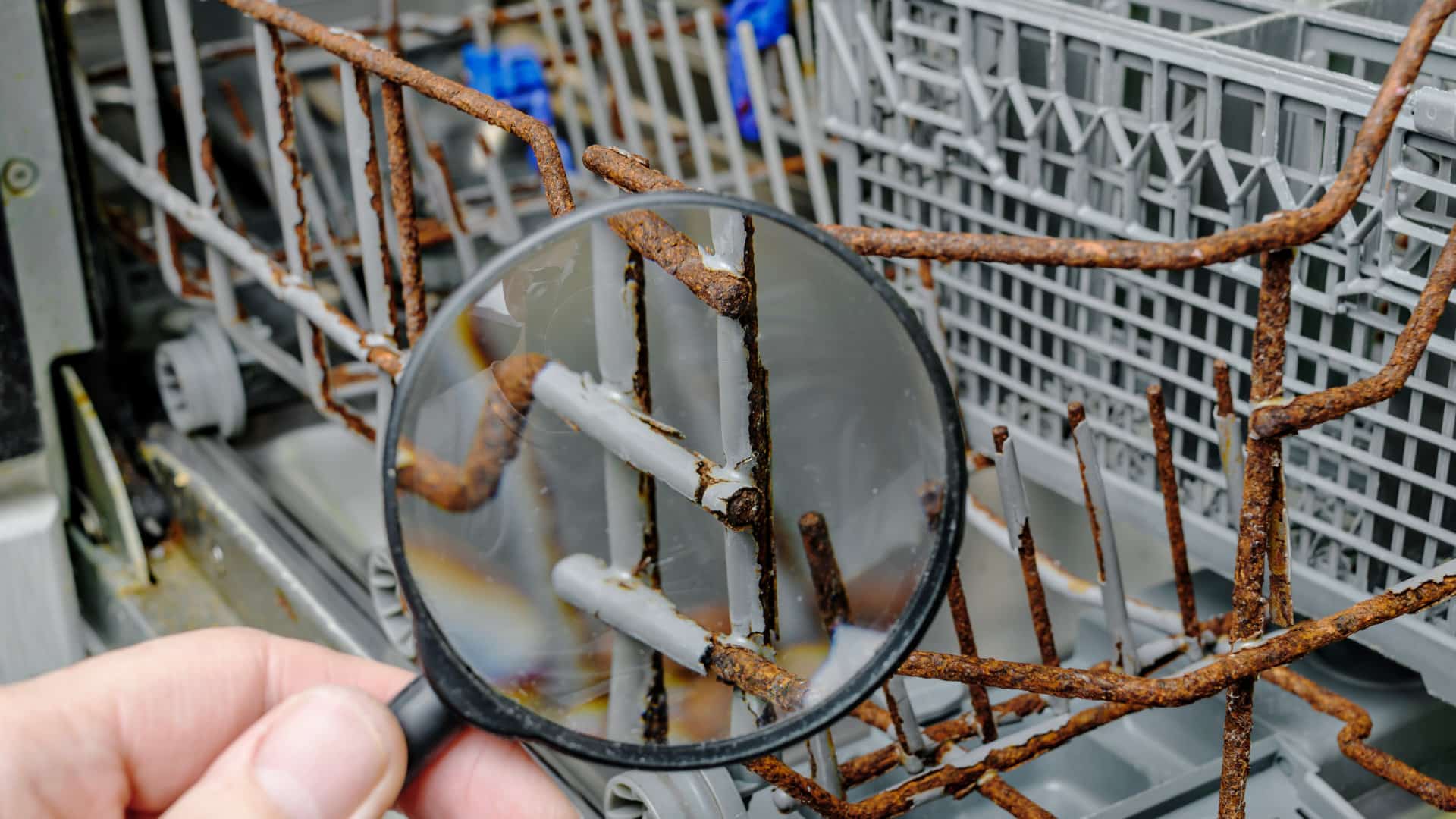
- Rust from the racks (common, usually starts at a nicked rack tine).
- Rust transfer (very common, caused by something metal inside the wash, like a cast iron pan or a cheap steel utensil).
- A chipped coating that is exposing metal underneath (often on racks, occasionally on certain interior parts).
Here is my favorite quick test: dry the area completely, then rub the spot with a white paper towel. If you get orange residue, you are often dealing with surface transfer or active rust. Wipe it off, then check the area again after the next cycle to see if it returns. If nothing lifts and it looks like the color is under a clear layer, it may be staining inside a scratch or chip. And if your tub is stainless, keep in mind that some “rust” is actually surface contamination (sometimes called tea staining), not the stainless itself dissolving.
Tub rust vs rusty rack: the easiest tells
Signs it is the rack (not the tub)
- Spots line up with a specific tine or the edge of a rack where dishes rub.
- You see a break in the rack coating, usually a gray nick that has turned orange.
- Rust appears directly underneath the rack or on the door below where water drips.
If you suspect the rack, pull it out and inspect it in good light. Tilt it a bit and look at the undersides of tines. That is where little chips love to hide.
Signs it is the tub
- The rust-looking spots are on the side walls or ceiling of the tub, not just the floor or door.
- The spots are far from the racks and do not correspond to rack geometry.
- You can feel pitting with a fingertip, meaning the surface itself is being eaten away.
- Your dishwasher tub is not stainless steel (some older models have painted or coated interiors that can fail).
True tub corrosion matters because it can spread, and in a rental, it is not your job to DIY structural appliance issues into submission.
What is safe to clean on stainless vs plastic
Dishwasher interiors usually include stainless steel (tub walls, door panel), plastic (spray arms on some models, caps, trim, detergent cup parts), and rubber (small bumpers or edge seals). The trick is to treat stainless gently, and treat plastic even more gently.
Generally safe on stainless steel interiors
- Baking soda paste (baking soda plus a few drops of water)
- White vinegar used sparingly on a cloth for wipe-downs
- Non-scratch sponge or soft microfiber cloth
Avoid on stainless: steel wool, wire brushes, and aggressive abrasives. They can scratch the surface and make future staining and corrosion more likely.
Generally safe on plastic dishwasher parts
- Dish soap plus warm water
- Baking soda (lightly, as a gentle polish)
- Soft toothbrush for textured areas
Be cautious with vinegar on plastic and rubber: it is generally safe in small amounts, but avoid soaking parts repeatedly. Over time, acids can shorten the life of some materials and dull certain finishes. I treat it like perfume. A little is lovely, a lot is too much.
What not to use
This is where a lot of well-intended cleaning goes sideways.
- Chlorine bleach on stainless: bleach and other chloride-heavy products can pit stainless and make rust problems worse.
- Harsh cleaners with chlorides: some heavy-duty cleaners and powders can be rough on stainless surfaces.
- Abrasive powders not labeled non-scratch: if it feels gritty, it can change the finish.
- Metal scrubbers: they can leave behind tiny bits of iron that rust later, which is extra rude.
How to clean rust-looking spots without damaging anything
Before you start: if there is loose debris, run a quick hot rinse cycle or a short empty cycle without detergent, then let the interior cool. You will work better on a clean surface.
Step 1: Try the gentlest option first
- Make a baking soda paste (about 2 tablespoons baking soda with just enough water to make it spreadable).
- Apply to the spot and let it sit for 10 to 15 minutes.
- Rub gently with a non-scratch sponge or soft cloth.
- Wipe clean with a damp cloth.
This works best for light surface staining and minor transfer.
Step 2: If it is rust transfer, remove the source
If the spot keeps coming back, look for what is seeding it:
- A cast iron pan washed in the dishwasher
- A chipped metal utensil or cheap steel whisk
- Bottle caps, small screws, or metal bits that fell into the bottom
- A rusty rack tine dropping rusty water during the cycle
Remove the item, then clean the spot again. Otherwise it is like mopping with the faucet still running.
Step 3: A stronger option for stainless staining
If baking soda is not touching it and you are confident the surface is stainless, an oxalic-acid cleaner (the kind commonly used for stainless cookware and sinks) can help lift rust transfer and surface staining.
- Use it only on stainless, not plastic or rubber.
- Follow the label, use a light touch, and rinse very well.
- Never mix with bleach or other cleaners.
- When in doubt, test a small hidden spot first.
Step 4: For a rusty rack tine, focus on the rack, not the tub
If the rack is rusting, scrubbing the tub is temporary. The long-term fix is usually:
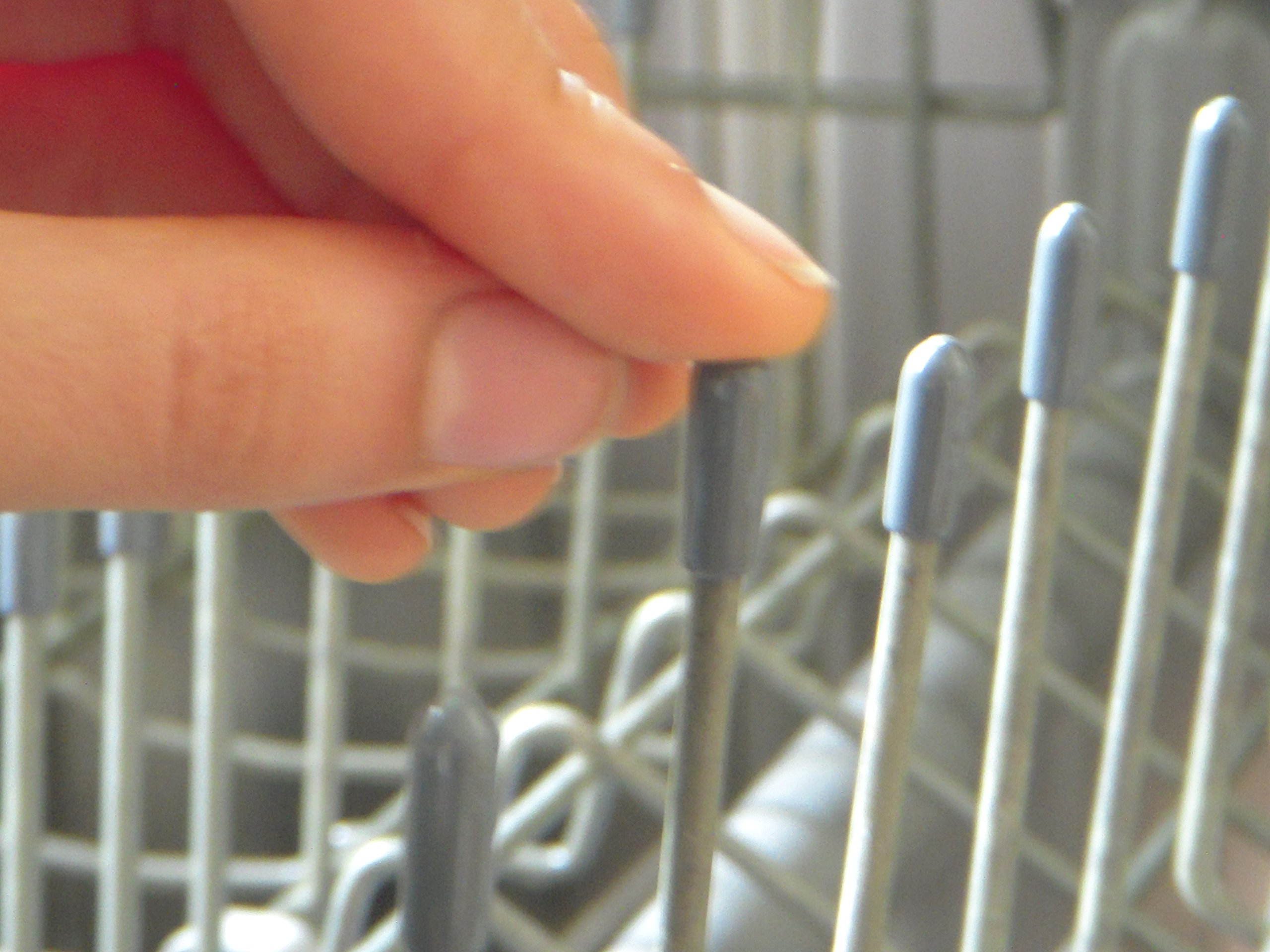
- Clean and dry the tine completely.
- Gently remove loose rust with a nylon scrubber.
- Seal the damaged area using a rack repair coating specifically labeled dishwasher-safe and heat-safe, following the product directions.
- Let it cure fully before the rack goes back into daily use (cure times vary, and this is not the step to rush).
If you are a renter, take photos and ask maintenance before applying a coating. Many property managers prefer to replace racks or handle repairs themselves, and you do not want to accidentally void that option.
When rust spots mean you should stop scrubbing
I love a good DIY moment, but there are times when continued scrubbing can make things worse, especially in a rental where you do not want to be blamed for damage.
Stop and call maintenance if:
- You see pitting, bubbling, or peeling on the tub surface.
- The “spot” is actually a chip or crack in the interior coating.
- Rust is appearing in multiple places on the tub walls (not just beneath a rack).
- There are sharp edges forming where a coating has failed.
- You cleaned it once gently and it returns quickly without an obvious rusty rack or metal item causing it.
In your message to maintenance, include: a close photo, a wider photo showing where it is inside the tub, and whether the spot feels rough or raised. That helps them decide whether it is a rack replacement, a tub issue, or something else entirely.
Quick renter script (copy and send)
If you want a simple note that sounds calm and competent:
Hi, I noticed rust-colored spots inside the dishwasher tub. I inspected the racks and do not see obvious rust transfer from a dish, but the spots are still present after gentle cleaning. Could someone take a look to confirm whether this is rack damage or an issue with the tub coating? I can share photos.
Preventing new rust spots
- Do not wash cast iron or carbon steel in the dishwasher.
- Check racks for chips occasionally, especially if you load heavy pots.
- Keep metal items from rubbing the tub walls during cycles.
- Pick up stray metal bits from the bottom (twist ties and tiny screws are surprisingly common).
- If your water is high in minerals or iron and you keep seeing orange staining, run a dishwasher cleaner or descaler occasionally, following the manufacturer instructions.
Think of your dishwasher like a steamy little weather system. If one rusty element is in there, it can rain rust elsewhere.
FAQ
Is it dangerous to use a dishwasher with rust spots?
If the rust is on a rack tine, the dishwasher will usually still function, but the rust can spread and stain. If the rust appears to be the tub itself corroding or a coating is failing, that is a maintenance issue. In that case, avoid aggressive scrubbing and request a repair.
Are orange spots always rust?
Not always. Some orange-brown marks are rust transfer from cookware or utensils. They can also be mineral staining that reads rusty in warm light, especially with hard water or higher iron content. The paper towel test and a gentle baking soda paste usually clarify what you are dealing with.
Can I use a magic eraser inside the dishwasher?
I treat melamine foam like very fine sandpaper. On stainless, it can change the finish and create micro-scratches. If you must try it, test a tiny, hidden area first and use almost no pressure. In rentals, I usually skip it and stick to gentler methods.
If the tub is stainless, how can it rust?
Stainless steel is stain-resistant, not stain-proof. Rust can appear if the surface is scratched, if there is persistent contact with rusty metal, or if harsh cleaners damage the protective layer. Sometimes it is also surface contamination that looks like rust but cleans off once you remove the source. That is why identifying the cause matters more than scrubbing harder.