How to Clean a Mattress Topper
Gust
A little flutter. A cozier corner.
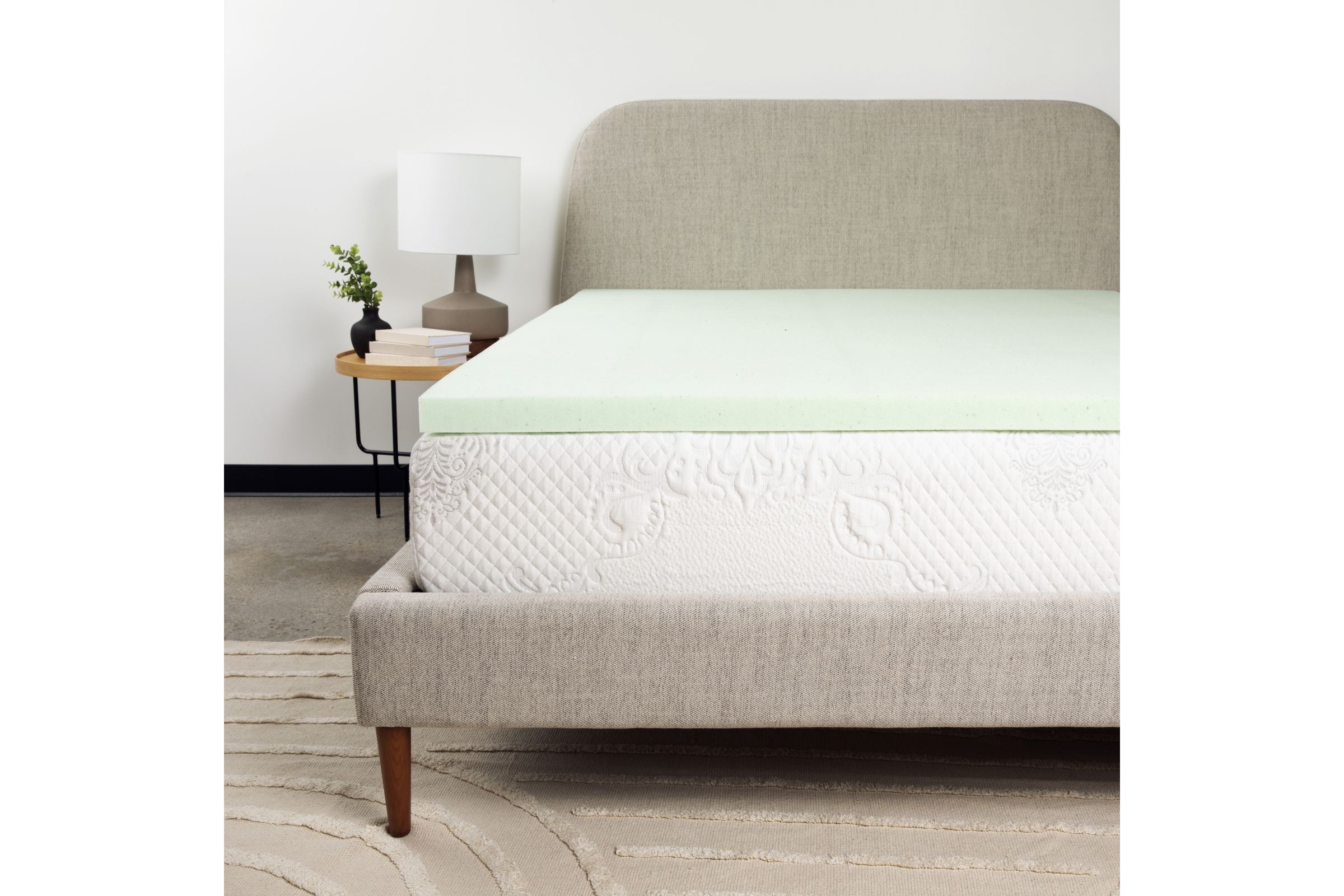
Mattress toppers do a quiet job. They soften a too-firm bed, add warmth in winter, and take the daily wear that you would rather not grind into your mattress. The tricky part is that “topper” can mean three totally different creatures: a big slab of foam, a springy sheet of latex, or a fluffy bag of feathers. They do not clean the same way.
Below, I will help you pick the safest method for your topper material, avoid the classic mistakes (hello, foam that never dries), and get rid of odors and stains without turning your bed into a chemistry project.
First, identify what you have
If you are not sure, check the tag or packaging. If that is long gone, these clues usually help:
- Memory foam: A single foam slab, slowly springs back when you press it, often 2 to 4 inches thick.
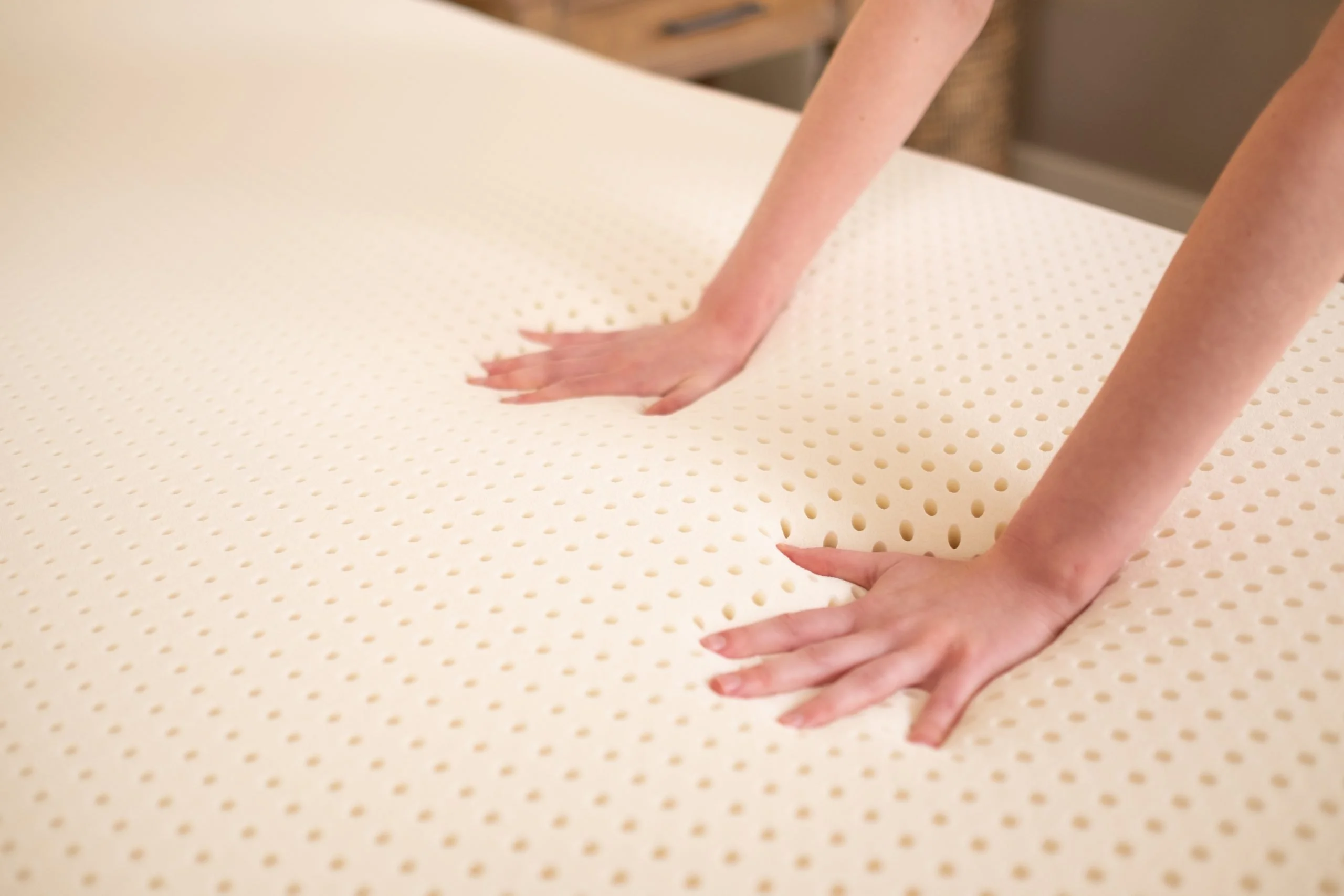
- Latex: Feels bouncy and resilient right away, may have small pinhole perforations, often heavier than it looks.
- Feather or down: Puffy, quilted channels or baffles, shifts when you move it, sometimes makes a soft rustle.
- Fiberfill or “down alternative”: Looks like a comforter-style topper and is often machine washable, but always confirm the care label.
- Cooling or gel-infused foam: Still basically memory foam. Clean it the same way, and wash the removable cover (if it has one) separately.
- Hybrid toppers (foam plus a sewn-on pillowtop): Follow the care label, and default to the strictest component. Usually that means spot-clean the foam and wash only what is removable.
One rule that behaves nicely across materials: If a cover unzips, wash the cover separately and treat the insert more gently.
Quick cheat sheet
| Topper material | Machine wash? | Best cleaning method | Drying notes |
|---|---|---|---|
| Memory foam | No | Vacuum + spot-clean + deodorize | Air-dry fully, no heat, expect time |
| Latex (natural or synthetic) | No | Vacuum + light spot-clean | Air-dry flat away from sun and heat |
| Feather or down | Sometimes (label decides) | Machine wash if allowed, otherwise professional cleaning | Low heat tumble with dryer balls, dry completely |
| Down alternative / fiberfill | Often | Machine wash gentle | Low heat or air dry, fluff periodically |
If your topper is foam or latex and the label says “spot clean only,” believe it. Soaking or machine washing can trap water inside and invite mildew, or damage the structure.
Before you clean
Cleaning goes smoother when your topper can breathe. Here is a simple setup:
- Pick a dry day if you can. Humidity makes drying take forever.
- Clear a flat drying spot: a clean floor with towels, a spare bed, or a large table.
- Gather basics: vacuum with upholstery attachment, clean cloths, spray bottle, mild detergent, baking soda.
Avoid: harsh bleach, high heat, and over-wetting foam. Those three cause most topper tragedies.
Clean a memory foam topper
Memory foam is basically a sponge with opinions. The goal is to clean the surface and keep moisture shallow.
Step 1: Strip, air out, and vacuum
- Remove sheets and any removable cover.
- Stand the topper on its side for 30 to 60 minutes to air out.
- Vacuum both sides slowly using an upholstery attachment, focusing on seams and edges.
Step 2: Spot-clean stains (the low-water method)
Mix a small bowl of lukewarm water with a few drops of mild liquid detergent. You want suds, not a swimming pool.
- Dip a cloth in the solution and wring it out well.
- Blot the stain. Do not scrub hard. Scrubbing can shred foam cells and spread the stain.
- Use a second cloth lightly dampened with plain water to blot away soap residue.
- Press with a dry towel to pull up as much moisture as possible.
If you are dealing with a stubborn spot, repeat gently instead of soaking the area.
Step 3: Deodorize with baking soda
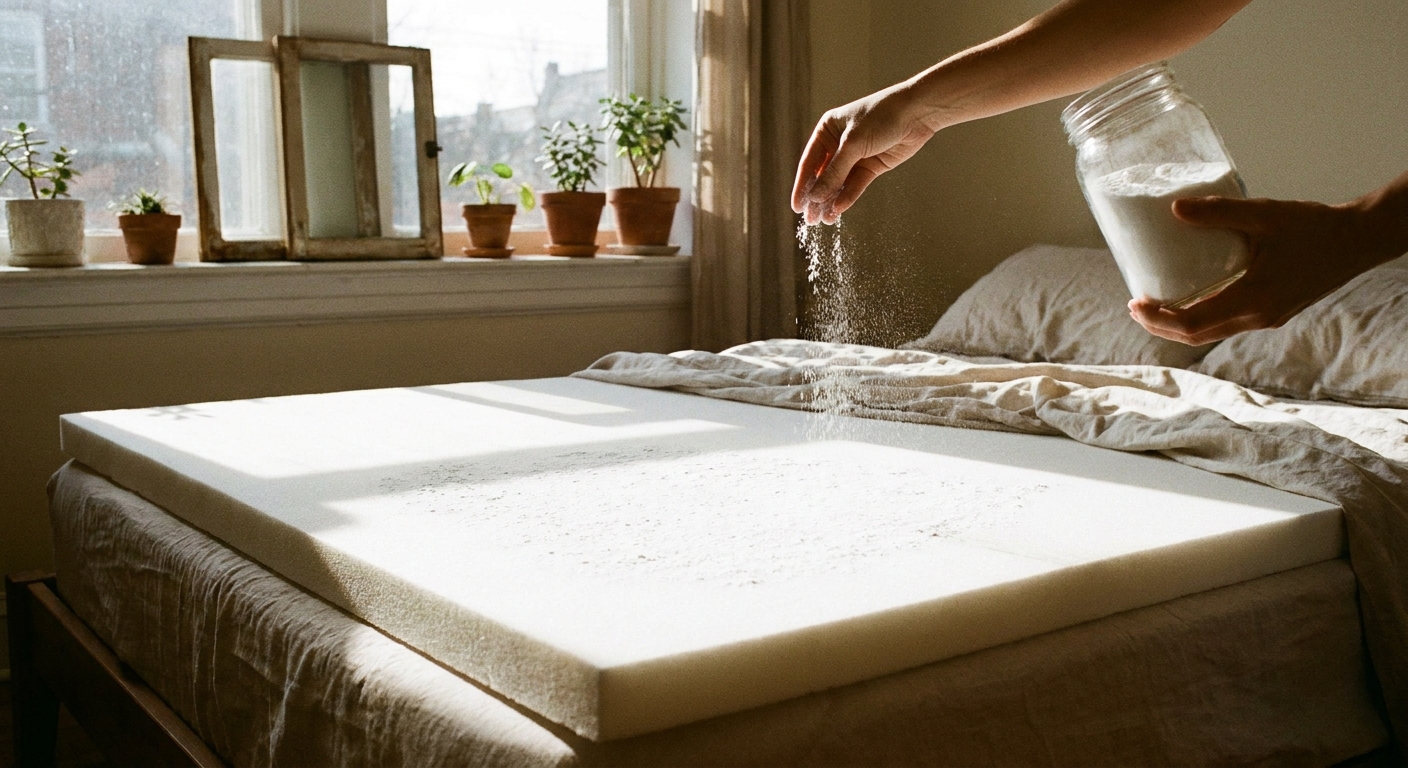
- Sprinkle a light, even layer of baking soda over the surface.
- Let it sit at least 4 hours. Overnight is even better for sweat and musty smells.
- Vacuum thoroughly.
Dry thick foam safely
Drying is the whole game. Foam that feels dry on top can still be damp inside.
- Air-dry flat in a well-ventilated room.
- Use a fan aimed across the surface, not directly down into one wet spot.
- Flip every few hours so both sides release moisture.
- Avoid heat: do not use a hair dryer on hot, a heating pad, or direct sunlight for long stretches. Heat can warp memory foam and break down adhesives.
- Avoid extraction machines like carpet cleaners unless the manufacturer explicitly approves it. They tend to over-wet foam.
Timing: A lightly spot-cleaned area may dry in 8 to 24 hours. If you over-wet foam, drying can take 48 hours or longer, which is exactly why we keep water to a minimum.
If you see visible mold in foam: At-home cleaning is rarely satisfying, and it is often safer to replace the topper than to sleep on something you cannot fully sanitize and dry.
Clean a latex topper
Latex is springy, supportive, and more durable than memory foam in many ways. But it still dislikes soaking, and UV light and heat can speed up breakdown over time. When in doubt, follow the care label.
Step 1: Vacuum gently
Latex can tear if you yank it around. Support it with your forearm while vacuuming, especially if it is perforated.
Step 2: Spot-clean with mild soap
- Mix lukewarm water with a small amount of mild detergent.
- Use a well-wrung cloth to blot stains.
- Wipe again with a cloth dampened with clean water.
- Press with towels to remove moisture.
Cleaner note: Avoid strong solvents or harsh acidic cleaners on latex. If you want to try diluted vinegar for odor or light staining, patch-test first in a hidden spot, use it sparingly, and keep the area as dry as possible.
Step 3: Dry away from heat and sun
Dry it indoors with airflow. If you must dry near a window, keep it out of direct sun and rotate it.
If you see cracking or sticky, crumbling spots: that is usually material breakdown, not dirt. Cleaning will not fix it.
Clean a feather or down topper
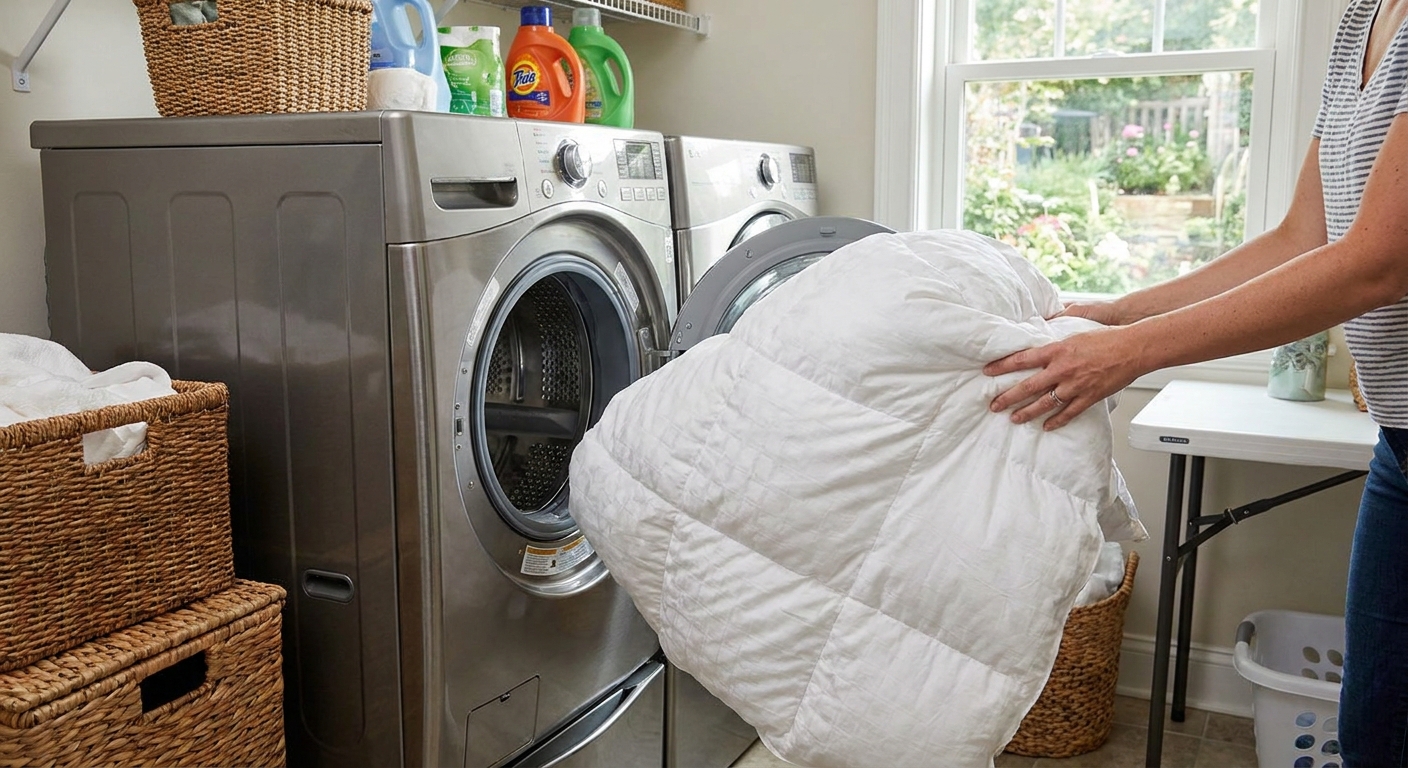
Feather and down toppers are the most likely to be machine washable, but only if the label approves and your washer can handle the bulk. When down stays damp inside, it can mildew and smell, so the drying step matters as much as the washing.
If the care label allows machine washing
- Washer type: Use a large-capacity front-load washer if possible. Agitators can be rough on baffles.
- Load: Wash alone, or only with similarly bulky items if the drum can still move the load freely. If it is packed tight, it will not rinse well.
- Cycle: Gentle or delicate.
- Water: Cold or lukewarm.
- Detergent: Small amount of mild detergent. Too much soap is hard to rinse out.
- Rinse: Add an extra rinse cycle if you can.
Dry down safely
- Dryer: Low heat or air fluff.
- Add dryer balls or clean tennis balls in socks to break up clumps.
- Pause and redistribute every 20 to 30 minutes. Pull apart any damp clumps with your hands.
- Dry completely before putting it back on the bed. Down that feels “almost dry” is not dry enough.
Reality check: Drying can take hours. If you cannot commit to fully drying it, skip the wash and spot-clean instead.
If the label says dry clean only or you cannot machine wash
Spot-clean small stains and deodorize lightly with baking soda, then air out. For heavy soiling or strong odors, look for a professional cleaner experienced with down items, and confirm what method they use and how they ensure thorough drying.
Odors
Odors usually live in oils and moisture. For most toppers, the best order is boring but effective: air it out, do a light surface clean if needed, then use baking soda and vacuum it up well.
Foam and latex
- Air it out first: Stand it up in a room with airflow.
- Baking soda helps: Sprinkle, wait several hours, vacuum.
- Go light on sprays: A slightly damp cloth wipe is safer than saturating with fabric freshener.
If a foam topper smells musty after a spill, prioritize drying. Odor removers do not help much if moisture is still trapped inside.
Feather and down
- Fresh air and thorough drying restore loft and reduce that “damp feather” smell.
- Sunlight in small doses can help on a dry day, but do not leave it out for hours.
Stains
Common stain fixes (all materials, with care)
- Fresh liquid spills: Blot immediately with towels. Do not rub.
- Body oil and sweat marks: Mild detergent solution, blot, then deodorize with baking soda once dry to the touch.
- Urine: Blot, then use a small amount of enzyme cleaner on the surface if the label does not forbid it. Patch-test first, use as little as possible, then blot aggressively and dry with fans.
Avoid these stain mistakes
- Bleach on foam or latex: can degrade and discolor materials and may irritate skin and airways. If you smell it later, that is your cue that residue is still hanging around.
- Hot water on protein stains: can set stains like blood, vomit, and some bodily fluids. Lukewarm is safer for initial cleaning.
- Over-saturating: the stain looks bigger, drying takes longer, and mildew risk goes up.
How often to clean
Your schedule can be simple and still effective:
- Weekly or every two weeks: Wash sheets. If you have allergies or pets, a quick vacuum of the topper surface when changing sheets helps.
- Monthly: Air out for an hour or two. Deodorize with baking soda if needed.
- Every 3 to 6 months: Deeper clean based on material. Wash feather or fiberfill toppers if the label allows. Spot-clean foam or latex and vacuum thoroughly.
- Immediately: After spills, accidents, or illness.
A mattress protector over the topper (or between topper and sheets) reduces how often you need to do anything dramatic. It is one of those small barriers that saves a lot of effort later.
When to replace
Even well-cared-for toppers eventually stop doing their job. Consider replacement if you notice:
- Permanent body impressions that do not rebound, especially on memory foam.
- Cracking, tearing, crumbling, or sticky spots (common with older foam or heat and sun exposure).
- Persistent odors that return quickly after deodorizing, especially mustiness that suggests trapped moisture.
- Visible mold or mildew that you cannot confidently remove and dry out completely.
- Allergy flare-ups that improve when you sleep elsewhere or after you remove the topper.
- Clumping and flat spots in feather or down that never fully loft again.
Typical lifespan (very general): Memory foam often lasts around 2 to 4 years, but density and thickness matter. Latex commonly lasts 5 years or longer, and in many cases considerably longer with good care. Feather and down varies widely depending on quality and how often it is washed and dried thoroughly. Your topper gets to retire the moment it stops making sleep better.
FAQ
Can I put a memory foam topper in the washing machine?
Usually no. Foam holds water, can tear when heavy and wet, and is difficult to dry all the way through. Vacuum, spot-clean, and deodorize instead.
Can I steam clean a foam topper?
I treat steam as “water plus heat,” which is not foam’s favorite combination. Light surface steaming might be okay for some toppers, but it can push moisture deeper and slow drying. When in doubt, stick with low-moisture spot-cleaning.
Why does my topper still smell after cleaning?
Most lingering smells come from remaining moisture or soap residue. Vacuum up baking soda thoroughly, avoid overusing detergent, and give it more airflow time. For foam, dryness is the finish line.
Is vinegar safe for toppers?
Sometimes, but it depends on the material and the topper’s instructions. Strong acids and solvent-based cleaners can be rough on latex and some foams. If you use vinegar at all, dilute it well, patch-test first, use it sparingly, and focus on drying thoroughly.
What is the easiest way to keep a topper clean?
Use a washable protector, keep liquids off the bed when possible, and vacuum occasionally. Small habits beat big rescue missions.