Mattress Protectors vs Encasements

Clara Townsend
Clara Townsend is an interior stylist, vintage furniture enthusiast, and the creative voice behind Velvet Abode. With over a decade of experience transforming both cramped city apartments and sprawling fixer-uppers, she believes that a beautiful home is built on personal stories rather than massive budgets. When she isn't hunting for the perfect brass sconce at a local flea market, she can usually be found rearranging her living room for the third time this month.
Shopping for anything that goes between you and your mattress can feel weirdly high-stakes, especially if you rent, share walls, or have had one too many nightmare posts served to you about bed bugs. The good news is that the jargon is usually the only scary part. Once you know what each style actually covers, you can choose the simplest layer that matches your real-life worries: spills, allergies, or pests.
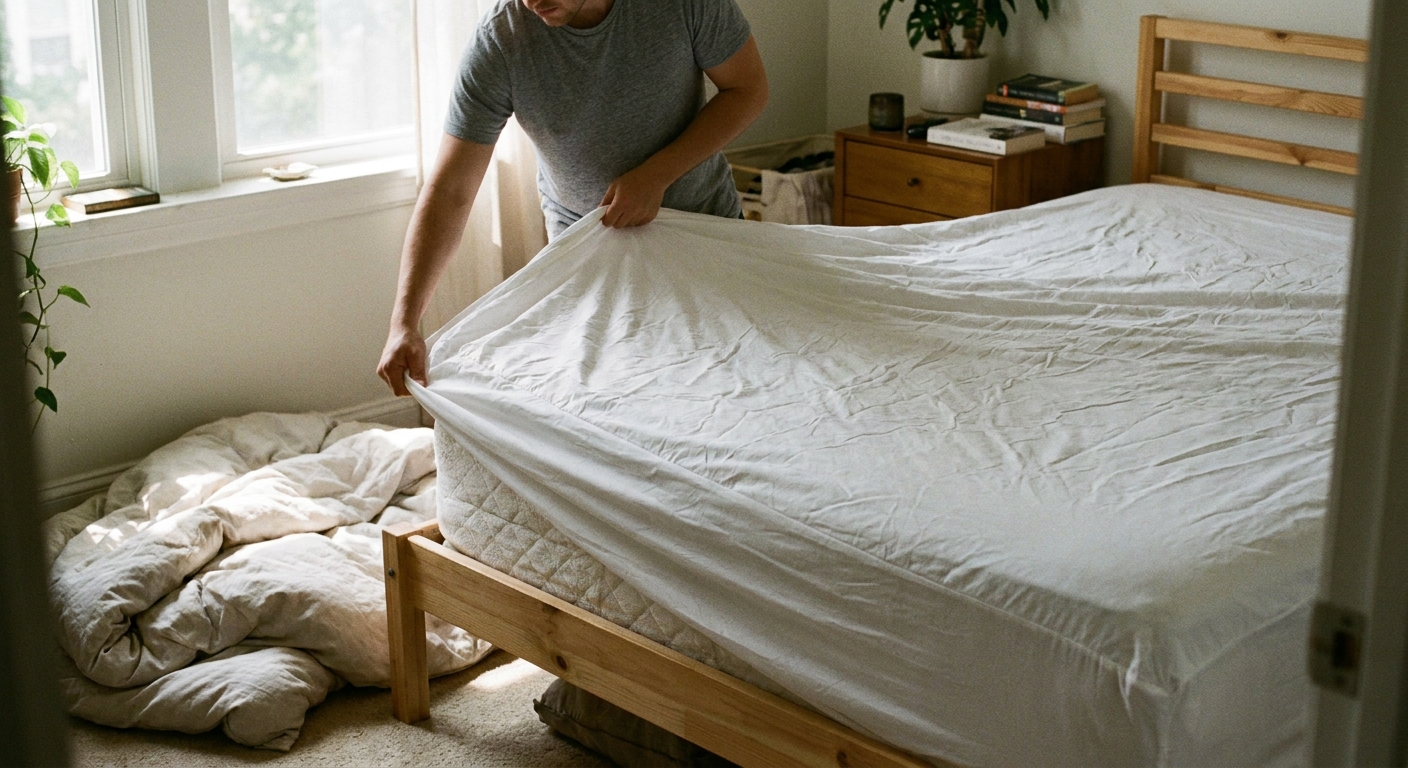
Three types, three levels of coverage
Think of mattress protection like outerwear. A fitted protector is your everyday jacket. A five-sided cover is more like a rain shell that wraps farther down. A full encasement is the full zip-up suit that leaves almost nothing exposed.
1) Fitted mattress protector (top + elastic skirt)
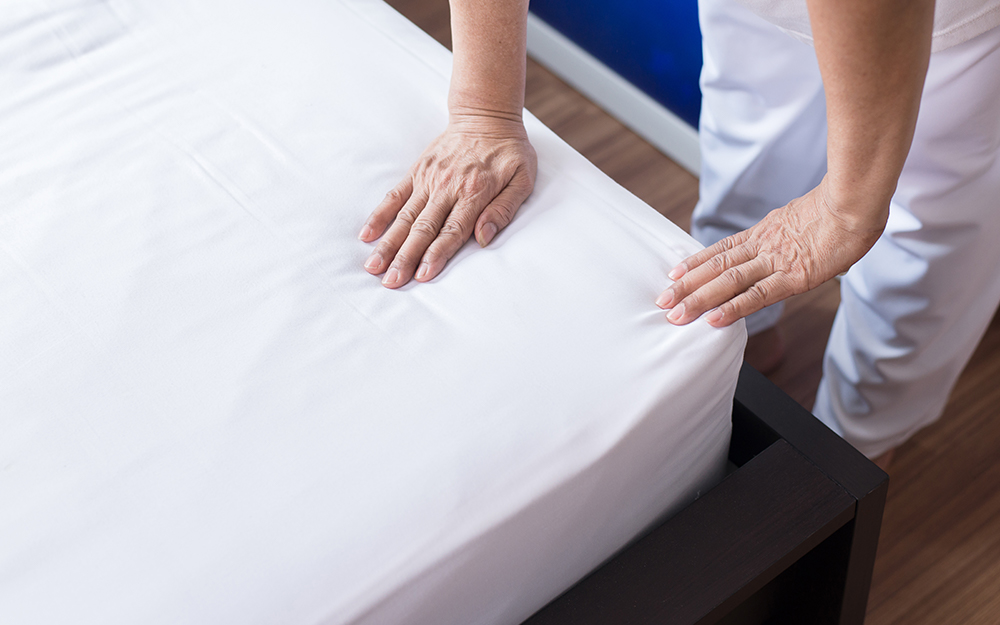
This looks and installs like a fitted sheet. It protects the sleep surface and has an elastic skirt that grips the mattress. Depending on the design and pocket depth, it may shield some of the sides, but it is not fully sealed.
- Best for: everyday sweat, small spills, light allergy control, keeping your mattress looking new.
- Not ideal for: bed bug prevention, because the bottom is exposed and the edges are not sealed.
2) Five-sided cover (top + four sides, open bottom)
This style has more structure than a basic fitted protector. It wraps the top and all four sides more securely, but leaves the underside open. Some brands call these “box-style protectors” or “fitted encasements,” which is confusing because they are not fully enclosed.
- Best for: stronger spill protection on the sides, better dust and dander control than a thin fitted protector, especially for deep mattresses.
- Not ideal for: true bed bug containment or prevention, because an open bottom is still an entry point.
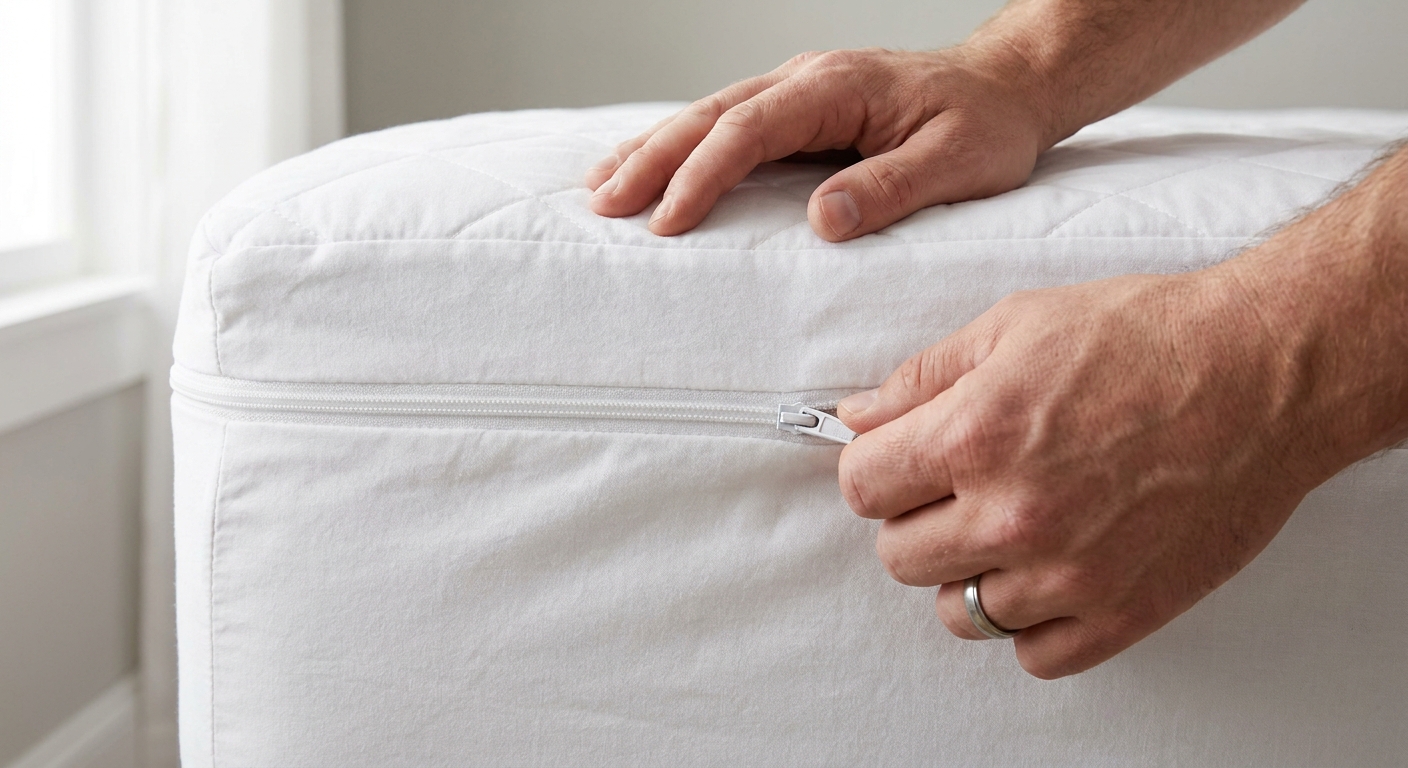
3) Full zip encasement (six sides, fully enclosed)
An encasement fully surrounds the mattress and closes with a zipper. The ones marketed for bed bugs are designed to seal completely, including at the zipper end, so there is no gap. Many use a membrane-backed fabric or other barrier material, not just a “tight weave,” because the practical goal is blocking tiny pests and allergens at the pore level.
- Best for: bed bug prevention and containment, serious allergen reduction (dust mites, dander), and protecting a rental mattress you do not fully trust.
- Tradeoffs: can feel less breathable depending on materials, and it is fussier to install.
Spills: what actually stops liquid
For spill protection, the most important detail is not the shape, it is the waterproof barrier. Most modern waterproof protectors use a thin membrane (often polyurethane or TPU) laminated to fabric. Some cheaper or older options use vinyl/PVC. When the membrane is done well, it is quiet and flexible. When done poorly, it can feel plasticky or trap heat.
Choose based on your spill reality
- Occasional coffee, water bottle leaks: a fitted waterproof protector is usually enough.
- Kids, pets, breakfast in bed: consider a higher-quality fitted protector with a deeper pocket, or a five-sided cover for better side protection.
- Frequent accidents or caregiving: a waterproof encasement can help, but many people prefer a breathable encasement plus a washable waterproof fitted protector on top. That way, you launder the top layer often and disturb the encasement less.
Clara note: If you have ever tried to get spilled red wine out of a mattress seam, you already know why I am a fan of “two-layer thinking.” One layer for daily life, one layer for long-term peace of mind.
Allergens: dust mites, dander, and pollen
If allergies are your main issue, coverage and barrier tightness matter more than waterproofing. Dust mites thrive in soft, protected places, and mattresses are basically luxury condos for them.
What helps most
- Full encasement: strongest choice because it blocks allergens from the entire mattress, including the bottom. Look for claims like “dust mite proof” or “allergen barrier,” typically tied to a tested barrier fabric or membrane.
- Five-sided cover: a solid middle ground if you cannot stand the feel of a full encasement but want better coverage than a basic fitted protector.
- Fitted protector: helpful, especially if it is washed regularly, but it does not isolate what is already inside the mattress.
If you are sensitive, pair your mattress layer with a pillow encasement. Pillows hold a surprising amount of allergens, and it is the fastest win for the least effort.

Bed bugs: protectors vs encasements
Let us be very clear, because marketing can get fuzzy here: a standard mattress protector is not a bed bug solution. A true bed bug encasement is designed to do two things.
- Keep bed bugs out: a true barrier fabric (often membrane-backed) plus a properly sealing zipper makes it much harder for bugs to enter the mattress.
- Trap bed bugs in: if a mattress is already compromised, encasing it can prevent bugs from escaping to feed, which supports treatment. The catch is that bed bugs can survive a long time without feeding.
What to look for
- “Bed bug proof” claim from a reputable brand, not just “pest resistant.” Bonus points if the brand references independent lab testing, a stated pore size, or a published standard.
- Zipper seal + locking feature (end stop, Velcro flap, and or a zipper lock) so there is no tiny gap at the end and it stays fully closed.
- Reinforced seams because bugs love a weak stitch.
- Correct depth for your mattress (including any topper). A strained encasement is more likely to tear.
Reality check: An encasement is prevention and containment, not a full treatment plan. If you suspect an active infestation, professional guidance is worth it.
Important if you have active bed bugs: once you encase a mattress or box spring, do not remove the encasement for at least 12 to 18 months. This is not a “wash it whenever” situation. Removing it too soon can release trapped bugs back into your room. If the encasement must be cleaned, follow the manufacturer instructions and do it without breaking the seal longer than absolutely necessary.
Also: bed bugs often hide in box springs and bed frames, not just mattresses. If bed bugs are a real concern, consider encasing the box spring too and keep that zipper closed and locked.
Breathability vs waterproofing
Breathability is where people get disappointed. A completely waterproof layer can reduce airflow. The goal is to pick the least sweaty option that still matches your risk level.
Materials that matter
- Top fabric: cotton terry or a soft knit tends to feel more cozy and less slippery than smooth polyester.
- Membrane type: polyurethane (PU) and TPU membranes are common and can be very comfortable when thin and well-laminated.
- Avoid PVC/vinyl: these tend to be hotter, crinklier, and more “plastic” feeling. They can also have a stronger odor, especially when new. If you want waterproofing without the classic sweaty, noisy vibe, PU or TPU is usually the better direction.
- “Cooling” claims: treat them as a bonus, not a guarantee. Your sheets, duvet, and room temperature still do most of the work.
A simple layering trick
If you want both comfort and protection, try this order: mattress → encasement (if needed) → fitted waterproof protector → fitted sheet. The protector takes the daily abuse, the encasement stays cleaner, and your sheets still feel like sheets.
How often to wash each layer
This is the part nobody tells you in the store aisle. Washing cadence matters because body oils and detergent residue can change how fabrics feel over time, and allergens build up quietly. Think of these as typical ranges, then adjust based on your household and the care tag.
- Fitted protector (daily-life layer): every 2 to 4 weeks, or immediately after any spill or illness. If you have allergies, lean closer to every 1 to 2 weeks.
- Five-sided cover: every 1 to 2 months, unless there is a spill. Many people treat it like a seasonal reset.
- Full encasement: every 3 to 6 months, or as needed. It is harder to remove and reinstall, and frequent handling can stress seams and zippers.
- If it is a bed bug encasement during an active issue: do not remove it for 12 to 18 months after installation. Treat it like a sealed barrier, not a laundry item.
Care tip: Always follow the tag. Hot washing and drying is most relevant for dust mites and depends on temperature and time. For pollen and dander, frequent washing and thorough drying do most of the work. High heat can also degrade waterproof membranes, so when in doubt: warm wash and low tumble, or air dry.
Quick picks
Anxious renter
Go with a bed bug rated full encasement plus a soft fitted waterproof protector on top. This combo is my favorite “sleep like you own the place” setup.
Kids or pets
A quality waterproof fitted protector is usually the sweet spot. Buy a second one so you can swap it immediately when life happens.
Allergies
Choose a full allergen-barrier encasement, and add pillow encasements. Wash your top protector and sheets frequently.
Hot sleeper
Prioritize a breathable protector with a soft top fabric and a PU or TPU membrane. Skip PVC/vinyl options. If you do not need bed bug protection, you may not need a full encasement at all.
Before you add to cart
- Measure your mattress depth, including any topper.
- Decide your primary goal: spills, allergens, bed bugs, or a mix.
- Confirm the return policy. Feel matters, and you cannot always predict it from photos.
- Look for quiet materials if you are a light sleeper.
- If bed bugs are a concern, verify zipper seal and “bed bug proof” labeling, ideally with mention of testing.
- Check your mattress warranty. Stains can void coverage, and some warranties require a protector.
A protected mattress is not just about preserving a big purchase. It is about lowering the little daily stressors so your bedroom can do what it is supposed to do: make you feel safe, clean, and deeply off-duty.