Dryer Squealing, Thumping, or Rattling: What Each Noise Means
Gust
A little flutter. A cozier corner.
Except when the “cozy” is interrupted by a dryer that suddenly sounds like it is auditioning for a haunted-house soundtrack. If you are renting, the goal is not to become the building’s unofficial appliance mechanic. It is to translate the noise into a likely cause, do a few safe, simple checks, and then call maintenance with clear details.
First: quick safety steps before you investigate
Dryers combine heat, electricity, and moving parts. Your renter superpower is knowing when to pause.
- If you smell burning, see smoke, or the noise is accompanied by sparking or a tripped breaker: turn the dryer off, do not run it again, and contact maintenance right away.
- If the noise is new and loud (metal-on-metal scraping, heavy banging): stop the cycle and check for simple causes like loose items before restarting.
- Before touching anything around the drum, press power off and, if you can safely access it, unplug the dryer.
- Do not open the cabinet or remove panels in a rental unless your lease and management explicitly allow it. The checks below are meant to stay outside the machine.
Match the sound to the most likely cause
Dryer noises tend to be repetitive. That repetition is a clue. Does it happen once per drum rotation, only when heating, or only when the load is heavy? Use the sections below like a sound decoder ring.
Squealing or high-pitched screeching
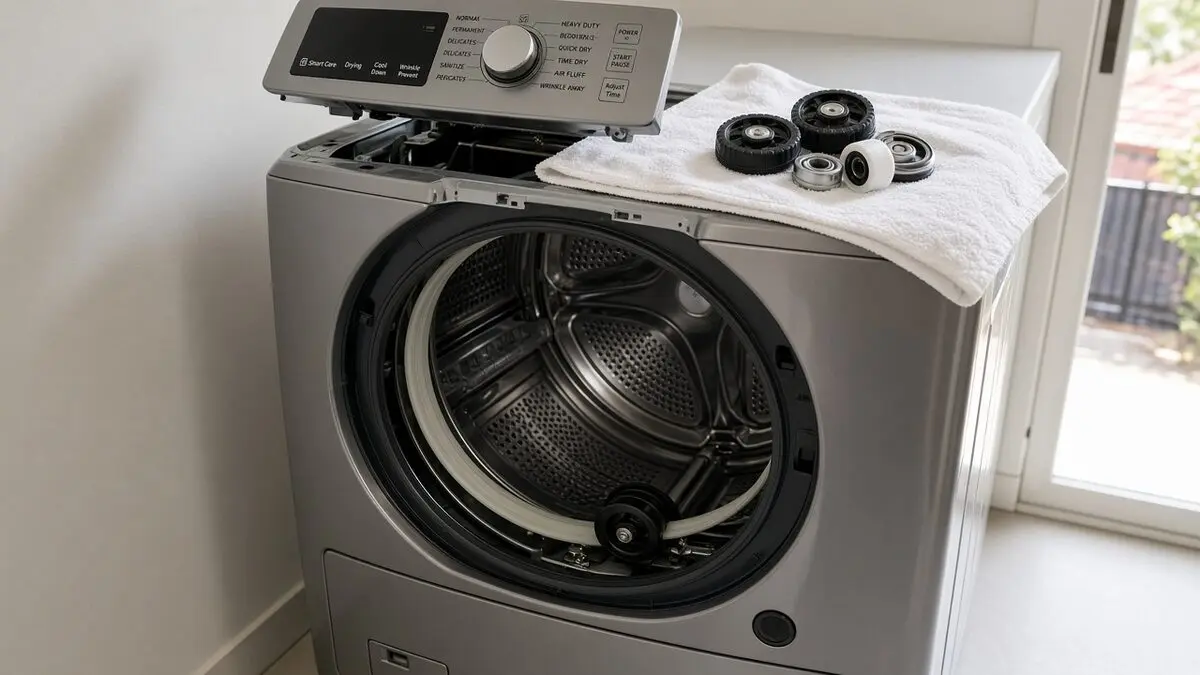
What it often means: Something that should glide or roll smoothly is struggling. The classic culprits are drum support rollers, drum glides (sometimes called slides), and the idler pulley that keeps tension on the belt.
Common causes behind the squeal
- Worn drum rollers: Many dryers support the drum with small wheels. When they wear, they can squeak or squeal, especially as the drum heats up.
- Worn drum glides: Some designs use plastic or felt-like glides at the front of the drum. When they wear through, you may hear squealing or a rougher rubbing sound.
- Idler pulley squeal: The pulley bearing can dry out or wear, creating a sharp squeal during operation.
- Belt issues: A belt that is glazed, stretched, or beginning to crack can chirp or squeal as it moves.
Renter-safe checks
- Run a 30-second “empty drum” test: Remove everything and run the dryer briefly on air fluff or no heat. If the squeal remains, it points away from the load and toward wear parts like rollers, glides, belt, or pulley.
- Listen for warm-up changes: If the squeal gets worse after a few minutes, that can align with parts expanding with heat or bearings warming up. That is useful info for maintenance.
- Check the lint screen area: Make sure the lint screen is seated correctly and that there is no debris that could vibrate or rub.
When to call maintenance: If the squeal happens with an empty drum or is getting louder week over week. Worn rollers, glides, pulleys, and belts are normal service items, but they are not “ignore it forever” items.
Thumping or rhythmic bump-bump-bump
What it often means: Something is hitting once per rotation, or the drum is not rotating smoothly under load. The good news is that many thumps are caused by the laundry itself.
Likely causes
- Heavy item balled up: A comforter corner, hoodie, or sheet can wrap around other items and form a lump that thumps each time it drops.
- Overloading: Too much laundry can create uneven weight distribution and cause repetitive thumping.
- Items with hard parts: Sneakers, belt buckles, buttons, and thick seams can create impact noise.
- Flat-spotted drum rollers: If a dryer sat unused for a long time, rollers can develop flat spots. You might hear a thump that improves slightly as the dryer warms and runs.
- Loose drum baffle/paddle (less common): Inside the drum, the raised fins that tumble clothes can loosen and knock. Renters typically cannot tighten this without opening the machine, but you can spot symptoms.
Renter-safe fixes
- Pause and redistribute: Open the door, shake items out, and separate heavy pieces.
- Dry bulky items with a partner: Add a few towels to help balance a comforter or blanket so it tumbles rather than forming one heavy mass.
- Try a smaller load: If thumping disappears with half the laundry, you likely found the cause.
- Remove shoes and hard objects: Air-dry sneakers or use a proper rack if your dryer has one, rather than letting them tumble freely.
When to call maintenance: The thump persists with an empty drum, sounds like the drum is dropping, or the dryer also vibrates across the floor. Mention whether it is rhythmic (once per rotation) or random. That helps narrow it down to rollers versus loose internal parts.
Rattling or rapid vibration noises
What it often means: Something small is shaking, tapping, or bouncing. Rattles are frequently “easy wins” because they can come from pockets, the top of the dryer, or the vent connection.
Most common causes
- Loose items in pockets: Coins, keys, hair clips, screws, and even pen caps can rattle loudly.
- Items caught in the drum edge: Underwire bra tips, drawstrings, or small socks can get pinned and make a rapid tapping sound.
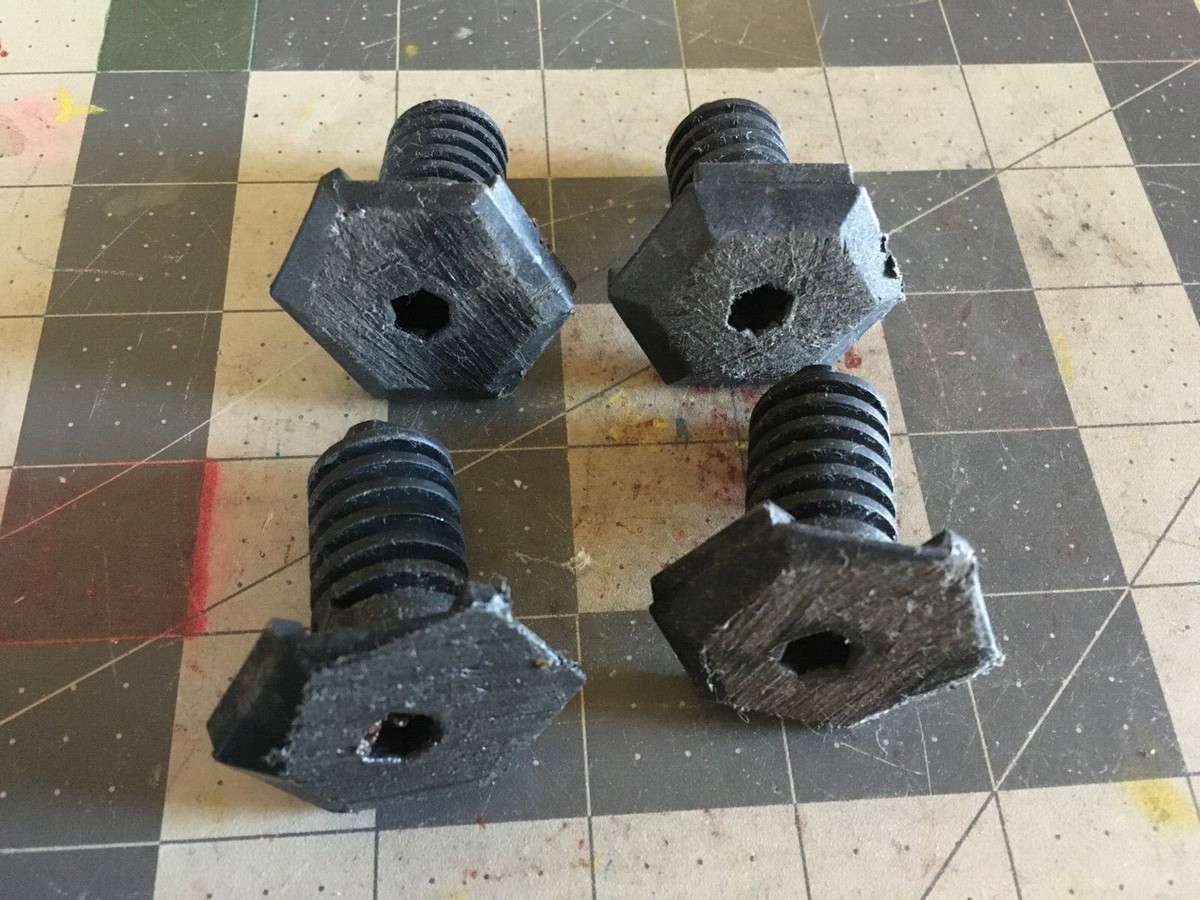
- Dryer not level: If the feet are uneven, the whole cabinet can vibrate and rattle against the floor.
- Dryer touching something: A dryer pushed tight to a wall can rattle against the baseboard. A nearby shelf can buzz in sympathy.
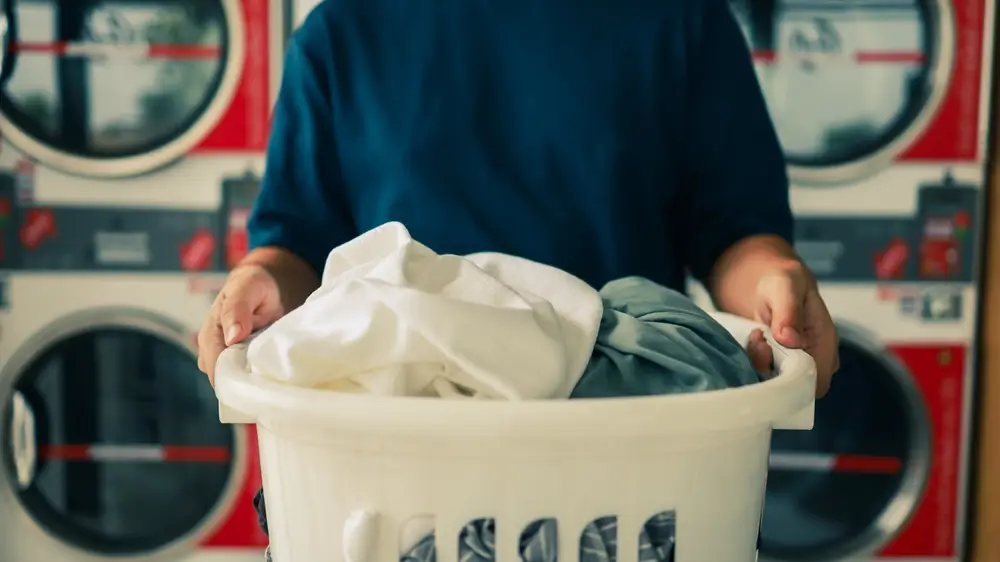
- Loose vent hose clamp: The metal clamp or flexible vent can vibrate when airflow kicks up.
Renter-safe checks
- Do the pocket sweep: Check every pocket before restarting.
- Check the drum lip: With the dryer off, run your fingers gently around the front rim (where clothing sometimes gets trapped). If something is caught, remove it.
- Clear the top: Bottles of detergent, a laundry basket, or a stray hanger can rattle on top of the dryer.
- Confirm it is stable: With the dryer off, place a hand on the top and gently rock it corner to corner. If it wobbles, it likely needs leveling.
- Look behind the dryer: If you can safely access the back, make sure the vent hose is not kinked, crushing, or banging the wall.
When to call maintenance: If leveling is needed and you are not allowed to adjust appliance feet, or if the rattle sounds internal and continues with empty drum and cleared pockets.
Scraping, grinding, or metal-on-metal sounds
What it often means: Friction where there should not be friction. This is the category to take seriously, because continued use can chew up the drum, the front seal area, or other components.
Likely causes
- Worn drum glides or front support: When glides wear down, the drum can rub the front housing.
- Something trapped between drum and front or rear: A bra wire, coin, or small metal piece can slip into a gap and scrape each rotation.
- Damaged belt or pulley alignment: A belt that is fraying can create a rough rubbing sound, sometimes paired with a burning smell.
- Foreign object in blower wheel area (varies by model): Debris can cause scraping or rattling that changes with airflow.
What you can do safely
- Stop the dryer and check the drum: Look for a visible object stuck in the front gap or caught in a seam.
- Inspect clothes for “missing pieces”: If a zipper pull broke off or an underwire is missing, tell maintenance. That clue matters.
- Do not keep running it to “see if it goes away”: Scraping is the sound of things wearing down right now.
When to call maintenance: Immediately if scraping is loud, persistent, or paired with a hot smell. Tell them whether the noise begins the moment the drum turns or only after a few minutes.
Vibrating, banging, or the dryer walking forward
What it often means: The dryer is not sitting solidly, the load is unbalanced, or the floor is extra bouncy. In small apartments, even a normal spin can sound dramatic because walls and cabinets amplify it.
Renter-safe fixes
- Level check: If the dryer wobbles when you press on opposite corners, it needs leveling. Some rentals want you to request service rather than adjusting feet yourself, so check your lease or ask.
- Anti-vibration basics: Make sure the dryer is not touching the wall. Even half an inch can reduce banging.
- Load balance: Dry one heavy item with a few lighter companions (like towels) rather than alone.
- Solid footing: If the dryer is sitting partly on a rug edge or an uneven transition strip, reposition it so all feet are on the same surface.
When to call maintenance: If the dryer is actually moving, if it cannot be leveled easily, or if the noise is accompanied by an internal thump even with a small load.
Cheat sheet: noise to likely cause
- Squeal or screech: drum rollers, drum glides, idler pulley, belt
- Rhythmic thump: heavy lumped load, flat-spotted roller, loose drum baffle
- Rattle or buzzing: coins or debris, trapped small item, cabinet vibration, vent hose tapping
- Scrape or grind: worn glides, foreign object between drum and housing, belt or pulley trouble
- Banging plus movement: leveling issue, unbalanced load, dryer touching wall or cabinet
What to tell maintenance so it gets fixed faster
A good maintenance request is basically a tiny mystery novel with a strong opening line.
- The sound: squeal, thump, rattle, scrape, grinding
- When it happens: right at start, only when heating, only on heavy loads, after 10 minutes
- Whether it happens empty: yes or no
- Any extra symptoms: burning smell, longer dry times, dryer walking, door area getting hot
- Your quick checks: pockets cleared, lint screen cleaned, load redistributed, vent not kinked
If you can, record a short video from a safe distance. A 10-second clip can be more useful than three paragraphs of description.
FAQ
Is it safe to run a dryer that squeals?
If the squeal is brief and goes away after you remove a trapped item, fine. But a persistent squeal often points to rollers, glides, the idler pulley, or the belt. Those are wear parts, and running it for weeks can turn a small fix into a bigger one. In a rental, it is smart to report it early.
Why does my dryer thump only with one blanket or comforter?
Bulky items love to form a heavy ball. As it tumbles, it drops like a single weight, creating a repeating thump. Add a few towels to help it tumble more evenly, or dry it in shorter cycles with redistributing in between.
What causes a rattling sound even when the dryer is empty?
Empty-drum rattles often come from the dryer vibrating against the wall, a loose vent hose clamp, or an internal part that needs tightening or replacement. Check for wobble and wall contact first, then call maintenance if it persists.
Should I adjust the dryer feet myself?
Some buildings are fine with it, others prefer you do not. If you are not sure, request maintenance for leveling. A dryer that is stable is quieter, and it is less likely to “walk” and stress the vent connection.
Could a scraping noise be a coin stuck somewhere?
Yes. Coins, bra wires, and small metal bits can slip into gaps and scrape each rotation. Stop the dryer and check the drum opening and clothing for missing pieces, then report it. Continued scraping can damage the drum or front support area.
A soft landing
Dryers are supposed to fade into the background, doing their warm, fluffy work while you go live your life. When one starts squealing, thumping, or rattling, you do not need to diagnose it down to the exact part number. You just need to identify the “noise family,” do the simple safe checks, and hand maintenance a clear trail of clues.
I will be over here, fluttering in the laundry nook, cheering for peaceful, drama-free tumble cycles.