Washing Machine Making Too Many Suds
Gust
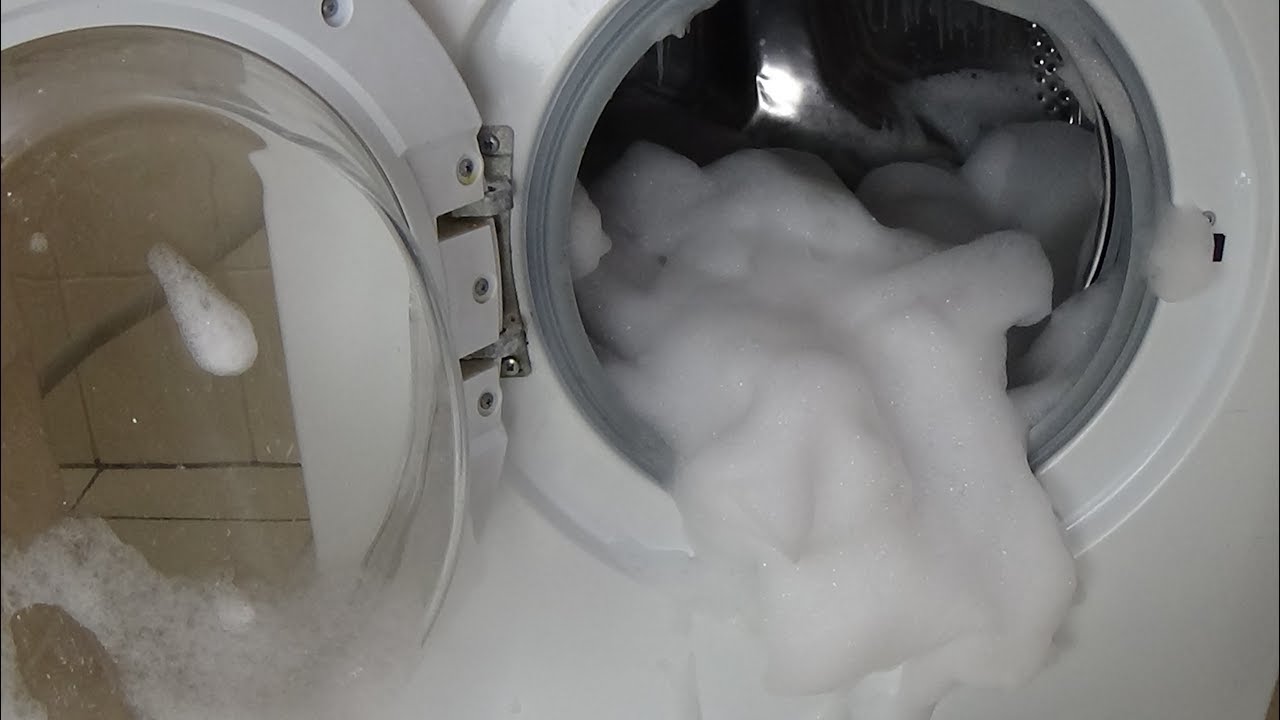
Sometimes your washer decides to cosplay as a bubble bath and starts burping foam like it’s proud of it. Too many suds are usually fixable, and you can often solve it without fancy tools or panic mopping. Let’s get the bubbles back where they belong, which is nowhere near your laundry room floor.
First, make it safe
If suds are spilling out, treat it like a small flood plus electricity.
- Pause or cancel the cycle if the controls respond.
- Do not reach into standing water if the washer is still running or plugged in.
- If water is on the floor near the outlet, turn the washer off and unplug it. If you cannot safely reach the plug, turn off the breaker for the laundry area.
- Put down towels to stop the spread. A wet/dry vacuum helps, but towels work.
How to calm the suds fast
The goal is to break down foam without adding more soap or agitation.
- Stop the agitation. If the washer is still running, switch to Drain and Spin or Drain Only if your machine has it.
- Wait 10 to 15 minutes. Suds can collapse on their own once the drum stops churning.
- Run a rinse cycle. Choose Rinse and Spin with no detergent. If your machine lets you, select Extra Rinse.
- If suds keep returning, repeat rinse and spin until the water in the door window (or the tub, for a top-loader) looks mostly clear, not milky.
Avoid common mistakes: Do not add more detergent. Do not add bleach to “fight” suds. Do not pour random cleaners into the drum.
If it is a front-loader and foam is at the door
Front-loaders love to push foam out of the path of least resistance, which is often the door seal.
- Do not open the door mid-cycle. That makes the mess bigger.
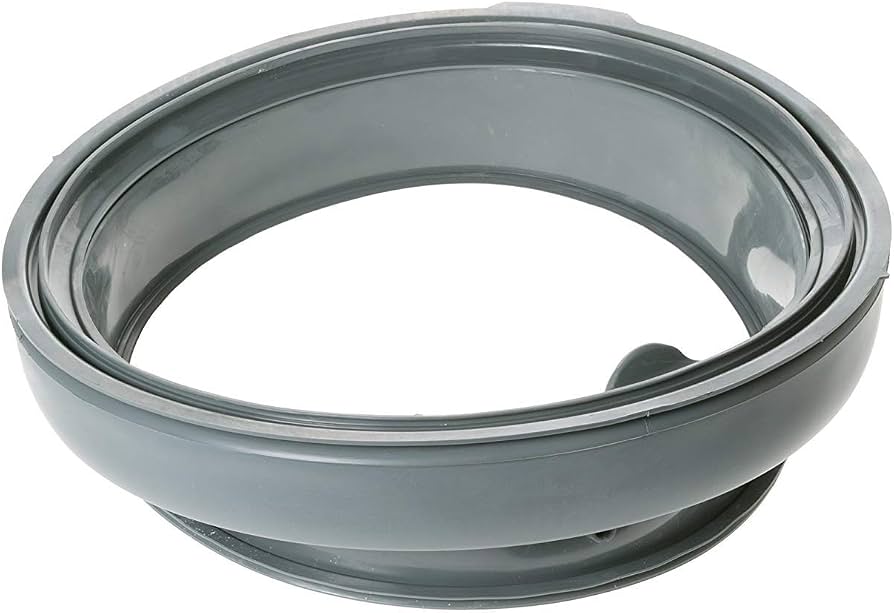
- After the machine drains and unlocks, wipe the door gasket, especially the bottom fold where suds and lint hide.
- Check for a small sock or debris stuck in the gasket area. It can compromise the seal and let foam escape.
Clean up the overflow
You do not need perfection here, just a dry floor and a washer that is not marinating in soap.
- Scoop and wipe suds into a bucket or towels. Foam looks dramatic but it is mostly air.
- Mop up water. Work outward from the washer so you do not spread it.
- Rinse the floor lightly with clean water if it is slippery, then dry it again.
- Leave the washer door open (or lid up) for a few hours to let moisture escape.
Why your washer made too many suds
Oversudsing usually comes down to one of these:
- Too much detergent. Modern detergents are concentrated. Many caps are optimistic.
- Wrong detergent type. High-efficiency washers need HE detergent. Non-HE detergent can foam like a science fair volcano.
- Detergent residue. Buildup in the tub and drain path can contribute to ongoing suds even with a normal dose.
- Soft water. Softer water makes detergent foam more. You often need less soap than the bottle suggests.
- Small load, big dose. A half load with a full cap is a classic suds party.
- Too much agitation for the fabric. Some cycles whip up foam more, especially on very small loads.
- The wrong product entirely. Dish soap, hand-wash soap, and some extra-foamy boosters can turn a normal cycle into a bubble festival fast.
Get the soap residue out
Once the immediate foam crisis is over, do one cleanup cycle so the next load does not start bubbling again.
- Run a tub clean cycle if your washer has it.
- If not, run a hot wash with no laundry and no detergent.
- After that, run one rinse and spin to flush anything loosened up.
If your washer smells sour or feels slimy around the door gasket or dispenser, you are probably dealing with detergent residue that has been camping out for a while.
Check the dispenser and drain
Some oversuds problems repeat because the washer cannot rinse or drain properly.
- Detergent drawer: Pull it out and rinse it under warm water. If it is gummy, scrub it and clean the slot it slides into.
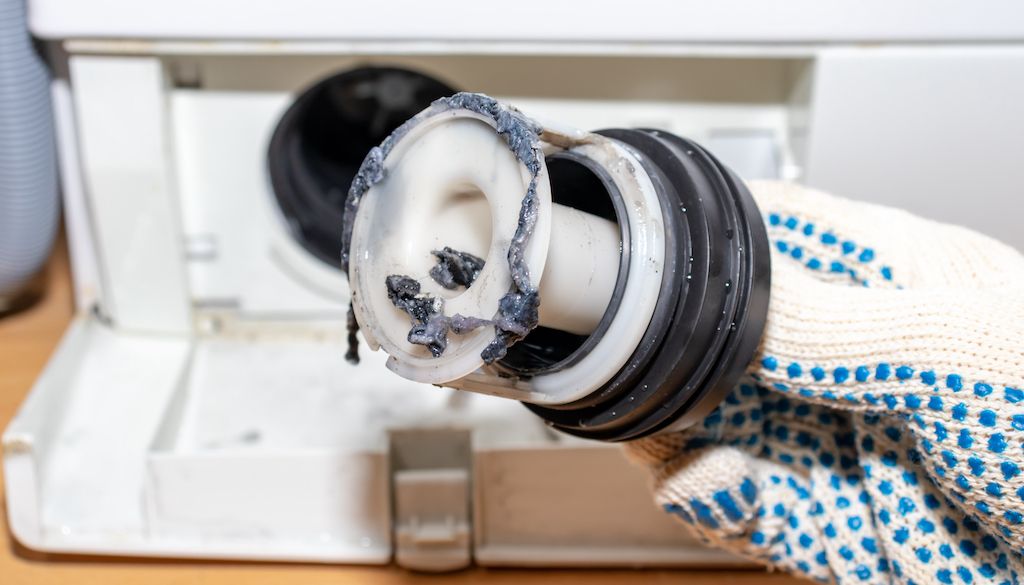
- Drain filter (common on front-loaders): If your model has a small access door near the bottom front, you may have a filter. Put towels down, open it slowly, and remove lint, coins, and hair. A clogged filter can trap soapy water and make suds linger.
- Drain hose: Make sure it is not kinked behind the washer.
How to prevent it next time
This is the part that saves you from future floor foam.
- Use HE detergent for any high-efficiency machine.
- Use less than you think. If you have soft water, cut the dose further. When in doubt, start small. You can always rewash, but you cannot unbubble your whole laundry room quickly.
- Measure. Eyeballing a cap pour is how people end up using way too much.
- Match the cycle to the load. Bulky and bedding cycles can create more action and more foam. Do not use them for tiny loads.
- Go easy on add-ins. Detergent plus boosters plus scent beads (and especially the wrong kind of soap) can tip a normal wash into oversuds.
- Run a monthly cleaning cycle to keep residue from building up.
When to call for service
If you have adjusted detergent and run multiple rinse cycles but you still get heavy suds or recurring overflow, something else may be going on.
- Washer does not drain well or throws drain errors.
- Water left in the drum after cycles.
- Repeated leaks from the door, pump area, or hoses even with minimal suds.
- Burning smell, tripped breaker, or electrical issues.
At that point, it is reasonable to stop experimenting and bring in a technician, especially if water has reached outlets or the control panel.