Sun-Faded Colored Curtains
Gust
The first time I truly noticed sun fade, it was on a pair of moody teal drapes I loved beyond reason. Morning light hit them like a spotlight, and one day I realized the “teal” nearest the glass had shifted into something closer to dusty seafoam. I did what any optimistic homebody would do. I washed them, expecting a miracle. They came out clean, soft, and exactly the same faded color.
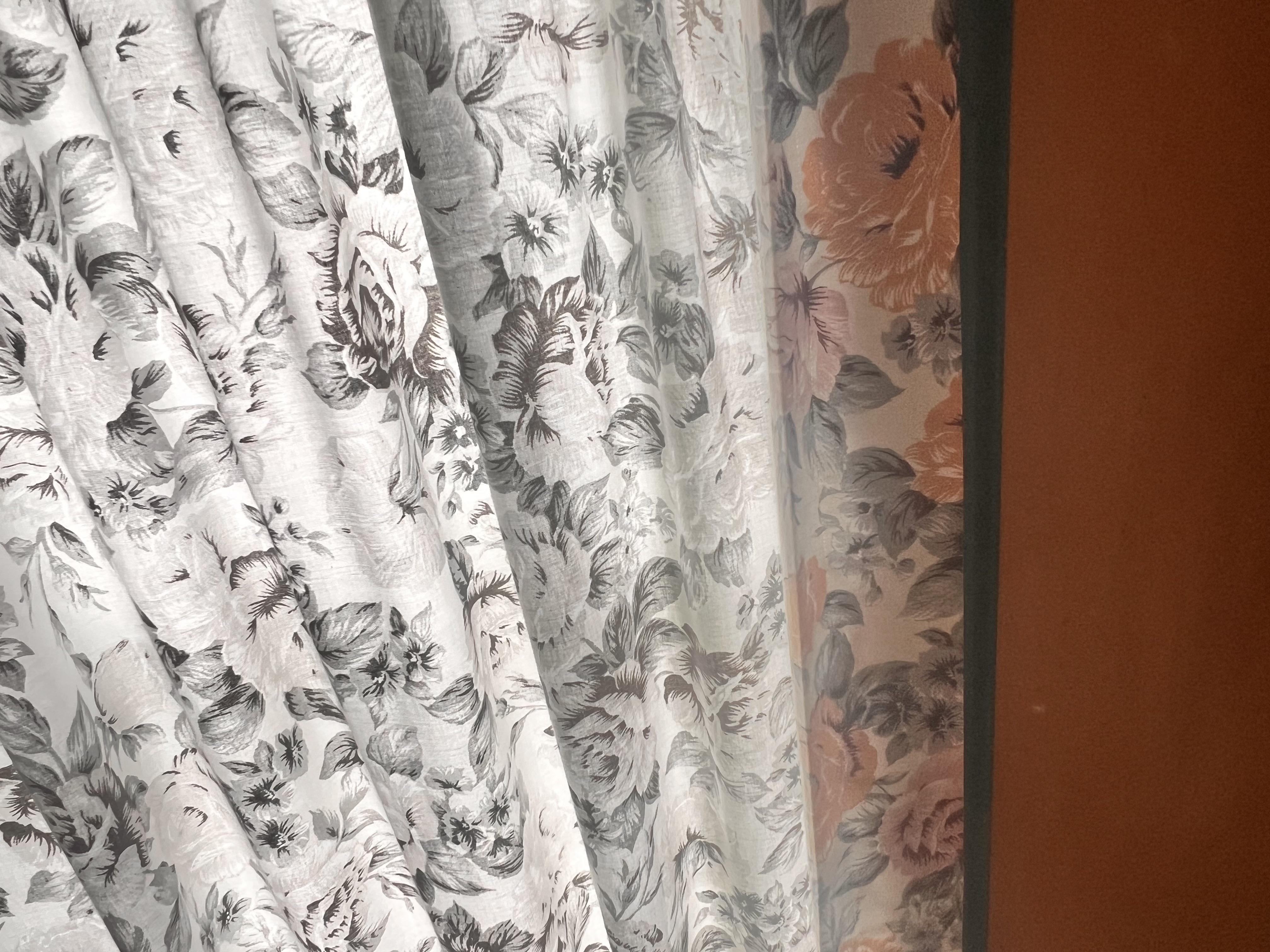
That is the tricky truth with sun-faded colored curtains: once dye has been broken down by UV light, it is not hiding under grime. It is simply gone. The good news is you still have options, from rotating and turning panels to overdyeing certain fibers or deciding when replacement is the kindest choice.
Fade or dirt? A quick diagnosis
Before you make any big decisions, confirm what you are seeing. Dirt and dust can dull color, and they often dull it fairly evenly. Sun fade creates a pattern that tells on itself.
Clues it is sun fade
- It is strongest where the sun hits. Look for a lighter band along the leading edge, the parts that sit in the window plane, or a bright rectangle that matches the windowpane.
- The back looks different than the front. The room-facing side can be lighter than the wall-facing side if folds and daily positioning expose one face more often.
- Fold lines are darker. Inside pleats and deep folds often stay richer because they are shaded.
- The color shift looks “washed out,” not dirty. Fading often pushes color toward gray, pastel, or a warmer tone depending on the dye.
Clues it is mostly dirt
- Color is dull in several areas, not just in a sun pattern.
- The hem and lower half look worse. That is where dust, pet hair, and hands tend to collect, and where airflow can deposit grime unevenly.
- You see actual discoloration. Yellowing from cooking oils, fireplace soot, or nicotine is usually more uniform and can respond to cleaning.
The towel test I use at home
Pick a hidden area like the inside of a pleat. Dampen a white cotton cloth with plain water and blot. If you get surface grime on the towel, you likely have dirt on top of whatever fading exists. If the towel comes back clean and the color difference remains dramatic, you are looking at UV damage.
Why washing will not bring the color back
It helps to picture dye as part of the fabric’s “ink.” UV light breaks down dye molecules over time. When that happens, you do not have removable residue. You have a chemical change, and the original pigment is no longer intact.
Washing can help if the curtain looks flat because of dust, smoke, or general life. It can also improve the overall look when grime is adding a gray veil on top of the fabric. But washing cannot rebuild dye that UV has destroyed.
One more important note: aggressive washing does not increase the actual sun damage, but it can make fading look more obvious because a cleaner fabric reflects light more evenly. That can boost the contrast between the unfaded folds and the sun-hit areas.
First steps before you choose a fix
If the curtains are still structurally strong, take ten minutes to gather information. It will save you money and heartbreak.
- Check the label for fiber content. This is the biggest factor in whether overdyeing will work.
- Look at lining. If the lining is intact and only the face fabric faded, you might be able to turn panels around or rehang differently for a while.
- Assess fabric health. Sun does not just fade dye, it weakens fibers. If the fabric tears easily at the top edge or along sun-facing folds, prioritize safety and replacement.
- Confirm whether you can buy one more panel. Some brands keep colors for years, others change each season. If you can still match, replacing a single damaged panel is sometimes the simplest win.
Your best options, from easiest to most involved
1) Rotate panels to redistribute fading
If your panels are a matched pair and one side gets hammered by sun, swap left and right. If you have four panels across a wide window, rotate positions like you would rotate a mattress. This does not restore color, but it can make fading less obvious by evening out the wear pattern over time.
2) Turn each panel so the “good edge” faces inward
This is my favorite stealth fix when the fade is concentrated along the outer edge that sits closest to the brightest light. If your curtain construction allows it, flip the panel so the less-faded edge becomes the outer edge. You will be amazed how quickly the room stops noticing.
Things to check first:
- Is the panel symmetrical? Some have a distinct leading edge, weighted corners, or a one-directional pattern.
- Does it have a single-sided header? Certain pinch-pleat tapes or buckram headers look odd when reversed.
3) Re-hem to remove the most damaged strip
If fading is severe at the bottom where sunlight pools, you can sometimes trim and re-hem, especially with linen-look panels that already have a casual vibe. This works best when the fade band is narrow and the panel length has room to spare.
4) Add a liner, even after the fact
A liner will not reverse fading, but it can slow further damage and soften the contrast as light becomes more diffused through the cloth. If you are attached to the curtains and they are only mildly faded, adding lining can extend their useful life.
Can you overdye faded curtains?
Sometimes, yes. Overdyeing is essentially giving the whole curtain a new color bath so the faded areas and the deeper areas move closer together again. It works best when you are open to a slightly different end color and a more organic, vintage-y finish.
Fibers that dye well
- Cotton
- Linen
- Rayon and viscose
- Silk (usually best handled by a professional due to water spots and shrink risk)
- Wool (less common for drapes, but dyeable with the right dye type)
- Nylon (often dyeable with the right dye type, but home drapes can be tricky if heat, finishes, or construction details do not tolerate a long hot bath)
Fibers that are difficult or inconsistent
- Polyester (often requires disperse dyes and high heat; home results are unreliable)
- Acrylic (very resistant)
- Blends (cotton-poly blends commonly take dye unevenly because the natural fiber accepts dye and polyester does not)
If your label says “100% polyester,” I generally skip the DIY dye route unless you truly love experimenting and can accept a result that might be uneven or only slightly improved.
What overdyeing can and cannot do
- It can: reduce the look of patchy fading by bringing the whole panel closer to one tone.
- It cannot: restore the original shade with perfect accuracy. UV damage changes the base, so the new color is built on a new foundation.
- It may: reveal old fade patterns if the curtain has areas that were protected and still have stronger dye. Those areas can end up slightly deeper after overdyeing.
A realistic approach to choosing a new shade
Overdyeing works best when you go darker or richer than what you have now. If your drapes were once emerald and are now sage, choosing a deep olive or inky green-black is more forgiving than trying to get back to bright emerald.
If you overdye, do these checks first
I am all for a brave DIY moment, but curtains are a lot of fabric. These quick tests prevent most disasters.
- Test for shrinkage. Dampen a hidden corner and dry it the way you would after dyeing. If it puckers or shrinks, proceed carefully.
- Check for water spotting. Some silks and rayons hate water and will show tide marks. Rayon can also weaken when wet, so be gentle with agitation.
- Inspect sun-weakened areas. If the fabric feels thin, papery, or tears easily along the sun line, dyeing agitation can finish it off.
- Look for coatings and finishes. Some blackout curtains have foam backing or coatings that will not dye and may degrade in hot water. Water-repellent and flame-retardant finishes can also interfere with dye uptake.
Before you dye, do a practical sweep too:
- Remove hooks, rings, and hardware. Metal can rust or discolor in a dye bath and leave marks you cannot unsee.
- Protect your tub and surrounding surfaces. Dye can stain porcelain grout, plastic, and caulk. A dedicated container is ideal if you have one.
- Expect the thread to behave differently. Some seams are stitched with polyester thread that may stay lighter than the fabric after dyeing.
If any of these raise red flags, turning, lining, or replacing is usually smarter than dyeing.
Pro options that can be worth it
If you love the fabric and the drape still has life, a local drapery workroom or tailor can sometimes give you a “new curtain” effect without starting over. Depending on how the panels are built, pros can add lining or interlining, swap leading edges, or add a contrasting banding trim along the sun-faded side so the change looks intentional. If your curtains are custom or sentimental, this route can be surprisingly cost-effective.
When a panel should be replaced
This is the part where we all want me to offer a clever hack. Sometimes the smartest styling move is admitting the fabric has had a good life.
Replace if:
- The fabric is sun-rotted. If it tears near the top where it hangs, it is a safety and longevity issue.
- Fading is extremely high contrast. If you can see a sharp window-shaped outline from across the room, overdyeing will not always disguise it.
- The curtain is a synthetic that will not dye well. Especially polyester with severe fading.
- You need light control and privacy to actually function. Sometimes aesthetics lose to sleep and sanity.
If you are replacing, consider it permission to keep the spirit of what you loved. Match the texture and weight you adored, even if you shift the color slightly so the room still feels like you.
How to hide fading while you decide
Not every fix has to happen this weekend. If you need a good-looking pause button, these are my go-to styling moves.
- Embrace fuller gathers. More folds can tuck faded bands into the back where they read less.
- Train the leading edge. A deliberate fold at the front can conceal a faded strip and look intentional.
- Add a second layer. Sheers or solar shades behind the drapes can reduce glare and stop further fading without changing the look you already love.
- Use tiebacks strategically. Pull the most faded area toward the wall side where it is less visible.
Preventing the next round of fading
If you replace or overdye, protect your future self. Sun is relentless, especially in south- and west-facing windows.
- Add lining or interlining. This is the single biggest upgrade for color longevity.
- Use UV-filtering window film or solar shades. Even a subtle film can reduce UV significantly while keeping the view.
- Rotate panels seasonally. If one side gets more sun, build a simple habit.
- Avoid leaving curtains pinned open in full sun every day. If you love a wide-open look, consider a shade that takes the hit while the drape stays more protected.
FAQ
Will dry cleaning restore the color?
Dry cleaning can remove oils and surface grime that dull the fabric, but it cannot restore dye that UV light has been broken down.
Why are my curtains faded in stripes?
Stripes often come from the way the fabric folds. The peaks of pleats get the most sun, while the valleys stay darker. You end up with a pattern that mirrors the curtain’s drape.
Can I dye just the faded area?
Spot dyeing almost always looks worse on large, flat textiles because it is hard to blend edges. A full overdye is usually more believable, or choose a structural fix like turning panels.
Is it worth replacing only one panel?
If you can still buy the exact same panel, yes. If you cannot match perfectly, replacing all panels on that window usually looks more intentional than mixing old and new.