Smoke Smell in Wall-to-Wall Carpet

Clara Townsend
Smoke smell in wall-to-wall carpet has a special talent for making an otherwise lovely room feel permanently “off.” I have walked into apartments where everything looks clean, the windows are open, and yet the carpet still whispers old cigarettes the second the heat clicks on.
The reason is simple and annoying: installed carpet is a layered system. The fibers (the pile, the part you see and vacuum) can hold odor, but so can the cushion underneath, the subfloor, and even the tack strip at the edges. As a renter, your goal is to improve the smell without creating a bigger problem like soaking the pad and growing mildew or violating your lease.
First, confirm the source
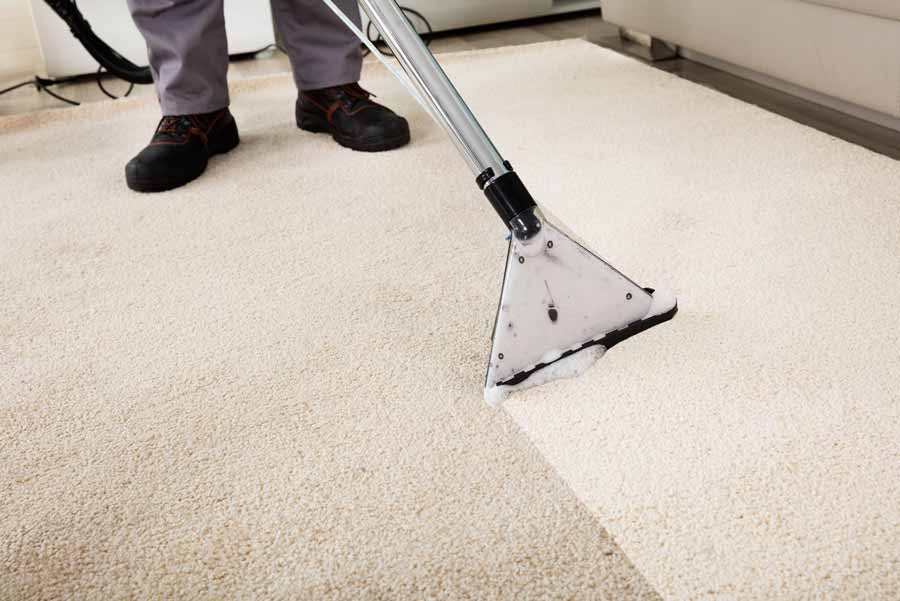
Before you spend money or elbow grease, do a quick sniff-audit. Smoke particles settle on soft surfaces, but they also cling to paint, blinds, HVAC components, and closet walls. If you only treat the carpet, the room can still smell smoky and you will feel like you are losing your mind.
Fast checks (10 minutes)
- HVAC return and filter: If your place has forced air, smell near the return vent when the system runs. A dirty filter or dusty return area can hold odor and the airflow can redistribute it through the unit.
- Closets and curtains: Open closet doors and take a sniff. Smoke odor lingers in stagnant closets and fabrics.
- Baseboards and walls: Lightly wipe a small area of wall near the floor with a damp white cloth. Yellow or gray residue may indicate nicotine and tar, but it can also be general grime from dust, cooking, or candles. Either way, it is a clue that hard surfaces need cleaning too.
- Carpet edges: The perimeter often smells worse because air is trapped and the pad can hold more odor there.
Quick parallel fixes (same day)
- Wash what you can: Curtains, removable cushion covers, and throw blankets can quietly carry a lot of smoke smell.
- Wipe hard surfaces: Baseboards, doors, closet shelves, and the lower portion of walls benefit from a simple wipe-down with a mild cleaner. You are removing film, not “deodorizing.”
- Do not spray into vents: Keep deodorizers and cleaners away from HVAC returns and registers.
Fibers vs pad odor
This is the fork in the road. If the smell is mostly in the carpet fibers, you have a solid chance of improving it with low-moisture methods and time. If it is in the pad (or below), you can mask it for a while, but it usually creeps back, especially in humidity or when the heat is on.
Signs it is mostly in the fibers
- The odor is strongest right at the surface when you put your nose close to the pile.
- Vacuuming with a clean filter improves it a little each time.
- The smell is fairly even across the room, not concentrated in one spot.
Signs it is mostly in the pad (or subfloor)
- The odor blooms when the room warms up (sunlight, heater, hot day).
- It is strongest along walls, under furniture, or in traffic lanes that likely ground smoke particles into the cushion.
- You smell it most when you press your hand or a clean towel firmly into the carpet, then sniff the towel.
- After “freshening,” it returns within days, especially after rain or high humidity.
A renter-safe towel test
Lay a clean, dry white towel on the carpet. Press down with your knees or hands for 10 seconds (firmly, like you are trying to reach the cushion). Lift the towel and smell it immediately. If the towel picks up the smoky odor strongly, that often suggests the smell is deeper than the surface.
Start with low-risk steps
These are the steps I would start with in any rental because they are low moisture, low drama, and they make everything else work better.
1) Vacuum like you mean it
Smoke particles hitchhike on dust. If dust is sitting in the pile, any deodorizer is fighting a losing battle.
- Use a vacuum with a beater brush if your carpet can handle it.
- Empty the canister or replace the bag before you start.
- Check or replace the vacuum filter. A smoky, dusty filter can put odor right back into the room.
- Go slowly and do two passes in different directions.
2) Ventilate smartly
On a dry day, open windows and create a cross-breeze. If you can, run a fan so it skims across the carpet surface. If your climate is humid, prioritize dehumidifying over open windows, because moisture can wake up odor trapped in the pad.
3) Use absorption and filtration (not perfume)
In styling, I love a good candle, but this is not candle season. Heavy fragrance can combine with smoke residue and feel even more cloying.
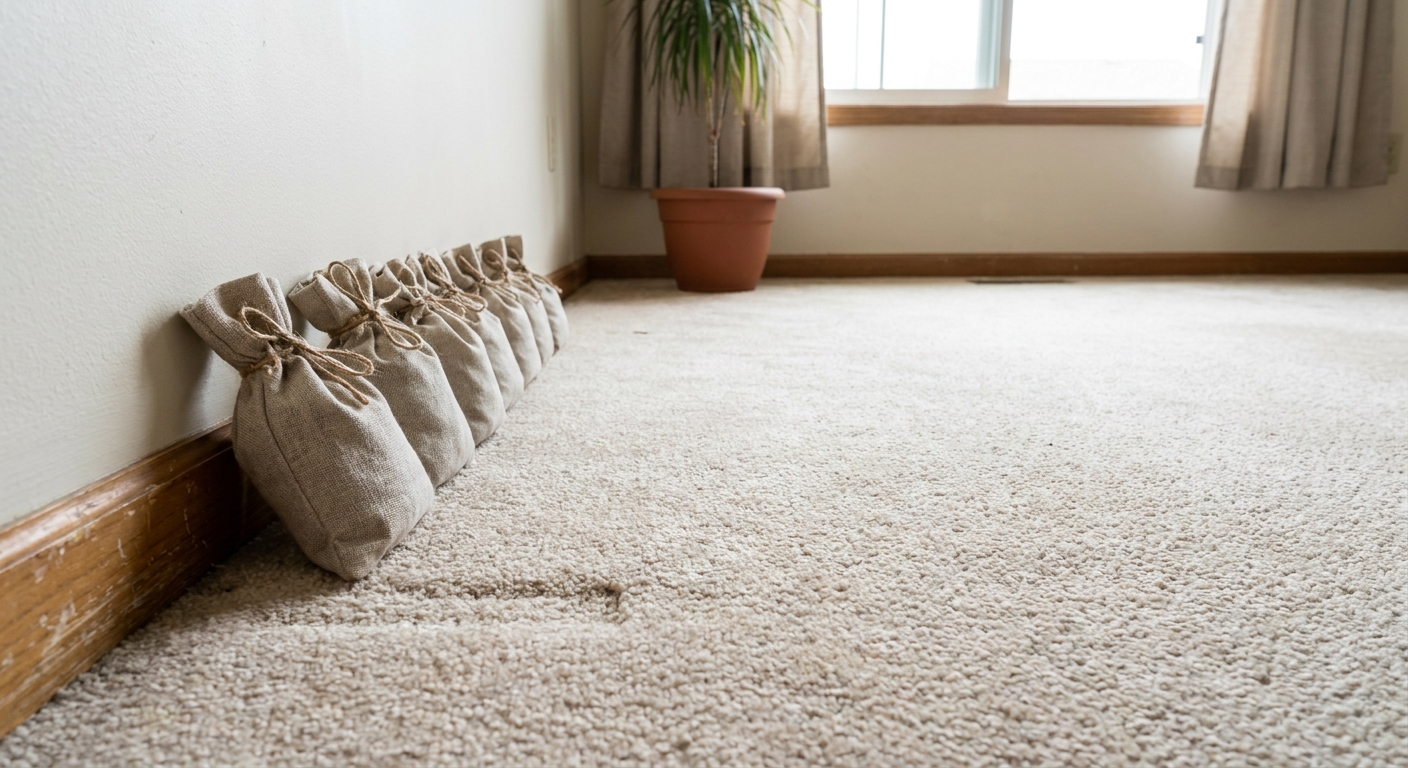
- Activated charcoal odor absorbers in corners and closets can help over time.
- An air purifier can help, with the right expectations: HEPA helps with airborne particles (dust and some smoke particulates). To help with odor, you want a unit that also has activated carbon. Even then, it will not “erase” smell embedded in carpet and pad, but it can make the day-to-day air feel more breathable.
Renter-friendly deodorizing
Here is the big rule: avoid saturating the carpet. When smoke odor is involved, people tend to over-wet in an attempt to “wash it out.” That is how you end up with a swampy pad that smells worse than the original problem.
Option A: Baking soda (lightly)
Baking soda can help with surface odor, but it is not magic, and fine powders can be rough on some vacuums and filters (especially finer pre-filters and some HEPA setups). If you use it, keep it light and intentional.
- Vacuum first.
- Sprinkle a thin veil, not a snowstorm.
- Let it sit 30 to 60 minutes.
- Vacuum slowly and thoroughly.
- If your vacuum is prone to clogging or struggles with fine powder, test a small area or skip this and use a carpet-safe deodorizing spray designed for fabrics.
Option B: Very light misting with a neutralizer
If you choose a spray, you want one that neutralizes odor rather than just perfumes the room. The safest approach is a fine mist high above the carpet so it lands lightly on the fibers.
- Test in a hidden corner first for colorfastness.
- Mist lightly, then run a fan to dry quickly.
- Do multiple light rounds over a few days instead of one wet round.
Option C: Dry foam carpet cleaner (spot-test)
Dry foam products can be a good middle ground because they use less liquid than shampooing. They still introduce moisture, so keep it controlled.
- Work in small sections.
- Use a soft brush, do not grind it in.
- Ensure the carpet dries the same day using fans or a dehumidifier.
Chemical safety basics
- Do not mix cleaners or deodorizers. Mixing products can create irritating or unsafe fumes.
- Keep sprays away from HVAC returns and do not “treat” vents yourself with household chemicals.
- If you have asthma or migraines, start with the lowest-scent, lowest-moisture option and ventilate while it dries.
What I skip as a renter
- Steam-only methods without strong extraction: Think steam mops or any tool that adds heat and moisture but does not pull it back out. That can mobilize residues and push odor deeper.
- Flooding with vinegar or DIY potions: Too wet, too risky, and the results are inconsistent.
- Ozone generators: These can be unsafe if used improperly and are often not allowed by leases. Leave ozone to trained pros when it is truly needed.
When extraction helps
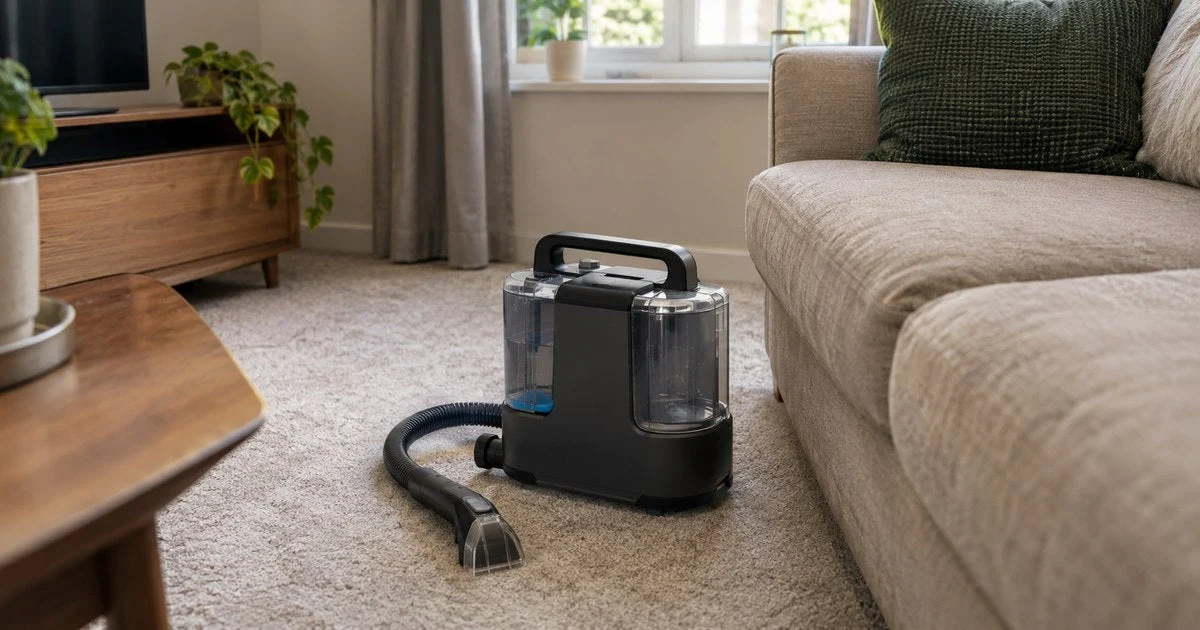
A rental machine can help when the smell is mostly in the fibers and the carpet is not already holding moisture. It can backfire when the odor is in the cushion, because over-wetting the pad can lock in smell and cause new issues.
If you extract, keep it as dry as possible
- Use the minimum water that still allows cleaning.
- Do extra dry passes to pull out moisture.
- Clean in the morning so it can dry all day.
- Run fans and, ideally, a dehumidifier until fully dry.
- Stop if you smell a damp, musty note. That is your warning sign.
What to document for your landlord
If you moved into a smoke-smelling unit, document it early and clearly. Odor disputes often get messy at move-out, and smell is hard to “prove” after you have lived there for months. A simple paper trail protects you and helps your landlord authorize the right fix.
What to record
- Date-stamped photos of the carpet condition, especially edges, stains, and high-traffic areas.
- A short written description of where the odor is strongest (for example: “strongest along bedroom closet wall and near living room baseboard”).
- Any triggers you notice (worse when heat runs, worse on humid days, worse after windows are closed).
- Steps you have taken that are lease-safe (vacuuming, ventilation, charcoal absorbers). Keep it factual, not apologetic.
- Health impact if applicable (asthma, migraines). You do not have to overshare, just be clear.
What you can reasonably ask for
- Professional carpet cleaning with strong extraction and fast drying.
- Pad replacement if the odor appears to be coming from below the surface.
- Subfloor sealing (in heavier cases) before new carpet and pad go in.
- Full carpet replacement if the materials are old or clearly contaminated.
How to phrase the request
Keep it calm and solution-oriented: you are reporting a pre-existing condition and asking for a remedy. If you suspect the pad is the source, say that the odor appears to be coming from below the surface and returns after surface cleaning.
When pros are worth it
If the carpet is otherwise in good shape and you want a real attempt before replacement, professional hot water extraction with strong vacuum recovery can help, especially when paired with fast drying. Ask questions before booking because the wrong approach can leave the pad damp.
What to ask a carpet cleaner
- Do you have experience with smoke odor in installed carpet and pad?
- How do you control moisture so the cushion does not stay wet?
- What is the expected dry time, and what do you recommend for airflow?
- Do you offer an odor treatment that is safe for occupied homes?
When replacement is the fix
This is the part nobody wants to hear, but it is also the part that saves you months of “trying everything.” If smoke odor is embedded in the pad or subfloor, surface treatments become a revolving door.
Replacement is likely if:
- The smell is strongest at the edges and returns quickly after cleaning.
- You have lived through a humid week and the odor resurges intensely.
- The carpet is old, flattened, or has visible staining, especially near baseboards.
- A cleaner tells you the cushion is contaminated or the subfloor needs sealing.
In many smoke cases, the most effective long-term approach is carpet and pad replacement, and in heavier contamination, sealing the subfloor before new materials go down. That is landlord territory, not renter DIY territory.
Action plan
- Vacuum thoroughly with a clean filter.
- Ventilate smartly (dry air good, humid air not so helpful).
- Towel test to gauge surface vs deeper odor.
- Try low-moisture deodorizing (light baking soda or neutralizing mist), then dry fast.
- Wash and wipe nearby surfaces (curtains, baseboards, lower walls) so you are not fighting a whole-room film problem.
- Document and contact your landlord if the smell seems pad-deep or keeps returning.
- Consider professional extraction only if you can keep drying under control.
- Push for replacement if evidence points to the cushion or subfloor.
FAQ
Will opening windows remove smoke smell in carpet?
It can help, especially if the odor is mostly in the surface fibers, but ventilation alone rarely solves pad odor. Think of open windows as step one, not the finish line.
Is vinegar safe on wall-to-wall carpet?
Vinegar is not inherently dangerous in tiny amounts, but the real risk is over-wetting the carpet and pad. If you use any liquid, use a very light mist, test first, and dry quickly. If the smell is deep, vinegar is usually not strong enough to solve it anyway.
Why does the smoke smell come back when heat turns on?
Warmth makes odor compounds release into the air more readily, meaning you smell them more. Airflow from heating and cooling can also stir up trapped particles in carpet and dust.
Can I cover it with a rug?
A rug can reduce what you smell day-to-day, but it can also trap odor underneath and make the “reveal” worse when you lift it. If you do cover it, choose a breathable rug pad and keep airflow and vacuuming in the routine.
How long should carpet take to dry after extraction?
Ideally within the same day. Longer dry times raise the risk of musty odors. Fast drying depends on airflow, dehumidification, and how much water was used.