Coffee Spilled on an Area Rug

Clara Townsend
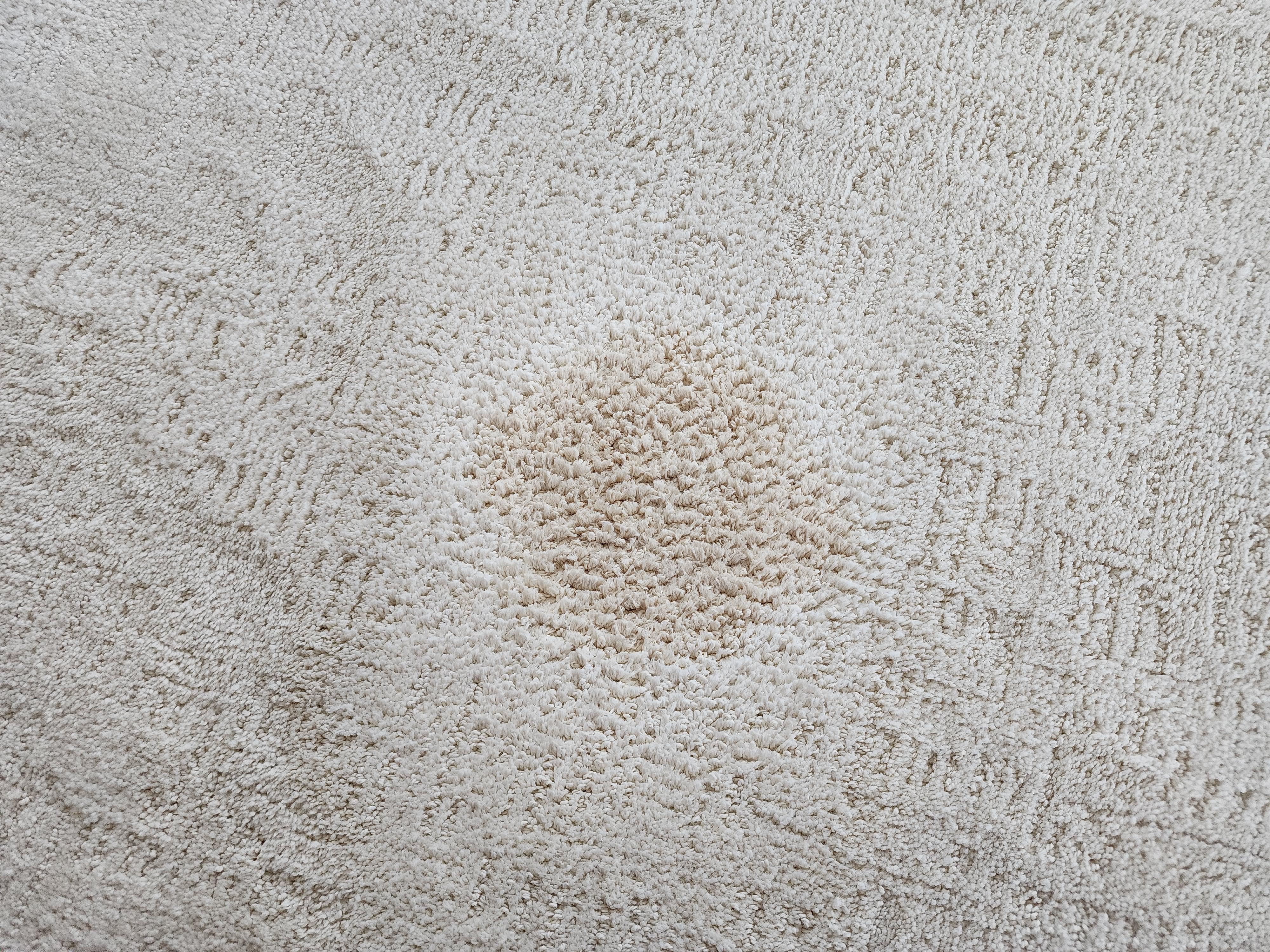
I have spilled coffee on more rugs than I care to admit, usually while balancing a mug in one hand and a vintage lamp shade in the other. The good news is that coffee is one of those “looks dramatic, cleans up well” stains if you treat it like what it is: a tannin stain that loves to travel down into the pile and then quietly creep back up later.
This is the gentle, blot-first path I use to lift coffee out of an area rug without beating up the fibers or accidentally inviting a bigger, wickier stain party from the rug pad underneath.
What you need
- White paper towels or clean white cotton cloths
- A dull edge for lifting solids (spoon or butter knife)
- Cool water
- Spray bottle (optional, but tidy)
- Mild dish soap
- White vinegar (for the tannin step)
- Baking soda (optional, for odor)
- A fan, or a stack of dry towels plus something heavy
Before you start
Blot, do not rub. Rubbing frays fibers, pushes coffee deeper, and can permanently rough up the pile.
Go easy on water. Your rug pad and subfloor do not need a latte too. Over-wetting is how stains rewick later.
Test first. Dampen a hidden corner with your cleaning mix and blot with a white cloth. If you see dye transfer or the pile looks odd (especially with viscose), stop and consider a pro clean.
Step-by-step: fresh coffee
1) Blot up what you can
Press a dry white towel into the spill and hold for a few seconds, then lift. Repeat with a clean section of towel until you are not picking up much liquid. I like to work from the outside edge toward the center so the stain does not spread.
2) Rinse lightly with cool water
Mist the area with cool water or dab a small amount on with a cloth. Then blot again. The goal is to dilute and lift, not soak. If the rug is thick, place one towel under the rug (if you can) and one on top, then press to pull moisture through.
3) Use a tiny bit of soap solution
Mix a few drops of mild dish soap into a cup of cool water. Dampen a cloth in the mix and gently dab the stained area, then blot with a dry towel. If suds appear in the pile, you used too much soap. Add plain water dabs and keep blotting to remove residue.
4) Hit the tannins with vinegar (if needed)
If you still see a light brown shadow, mix equal parts white vinegar and cool water. Lightly dab, then blot. Vinegar is my go-to for coffee because it helps with tannins, but I keep it controlled and brief, especially on natural fibers.
5) Final rinse and blot
Dab with plain cool water one last time, then blot until the rug feels only slightly damp. Soap or vinegar left behind can attract dirt later, so this rinse step matters.
6) Dry it fast to prevent rewicking
Lay a thick dry towel over the spot and put something heavy on top for 10 to 20 minutes, then swap for a fresh towel if needed. Finish with a fan aimed across the surface. Fast drying is what keeps a “gone for now” stain from returning.
If the coffee had milk or sugar
Milk and sugar leave a sticky residue that can darken over time. Do the same steps above, but do not skip the mild soap step and the final rinse. If there is odor the next day, sprinkle a light layer of baking soda on the dry rug, let it sit 30 to 60 minutes, then vacuum thoroughly.
For dried or old coffee stains
I usually rehydrate first, gently. Lightly mist with cool water, wait 5 minutes, then blot. After that, follow the soap step and the vinegar step. Old stains often take two rounds, and that is normal. Just keep your moisture controlled and let it dry fully between attempts if the rug feels damp.
Fiber notes (read this if you know your rug)
- Wool: Wool can handle careful spot cleaning, but it hates harsh scrubbing and too much water. Keep solutions weak, blot patiently, and dry quickly.
- Viscose, bamboo silk, art silk: These can water-mark, lose sheen, or distort. If the rug is viscose-heavy and the stain is noticeable, professional cleaning is often the safest move. If you do spot clean, use very little moisture and minimal agitation.
- Jute, sisal, seagrass: Natural plant fibers stain easily and can discolor with water. Blot dry and consult a pro if the stain is spreading or darkening.
- Synthetics (nylon, polypropylene): Usually the most forgiving, but still avoid soaking the pad and rinse out soap residue.
How to tell it is actually gone
When the rug is fully dry, look at it from a low angle in daylight. If a ring appears, it is usually rewicking from below. Repeat a light rinse and blot, then extend drying time, and consider lifting the rug edge to dry the pad too.
When to call in help
If the rug is heirloom, hand-knotted, viscose, or the coffee soaked through to the pad and subfloor, professional cleaning is worth it. The fastest DIY fix is not always the gentlest one, and rugs are expensive teachers.