Choosing a Lampshade Shape: Drum, Empire, Bell, or Coolie
Gust
A little flutter. A cozier corner.
The right shade shape can make a lamp feel like it belongs. Shade size gets most of the attention, but shade shape is the quiet magician. It decides where the light goes, how tall your lamp feels, and whether the whole setup reads crisp, romantic, vintage, or delightfully odd in a good way.
One quick caveat before we tour silhouettes: brightness and comfort depend just as much on shade fabric, lining, and bulb lumens as they do on shape. (LED “watt equivalents” vary a lot, so lumens are the better guide.)
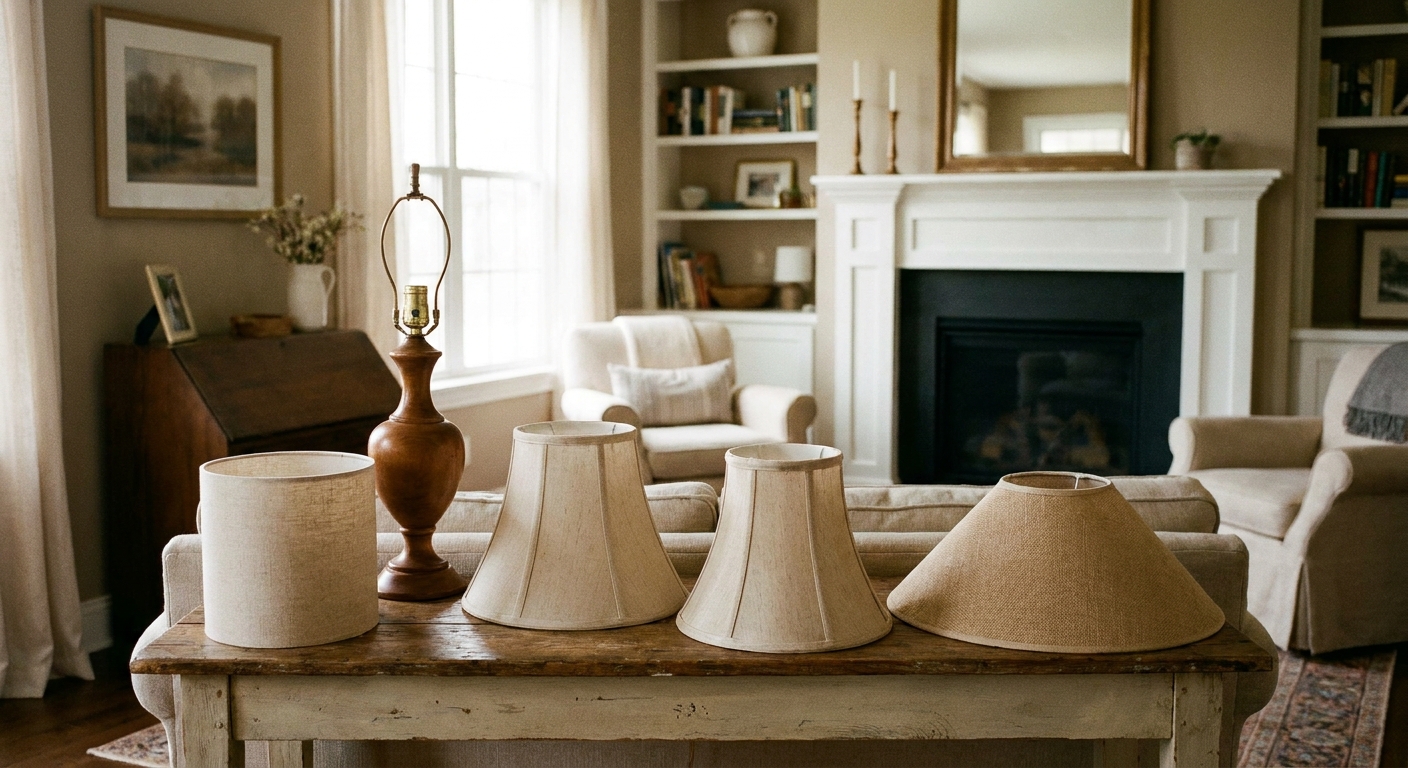
Let’s tour the four classics I see most often: drum, empire, bell, and coolie. I’ll show you what each one tends to do to the light, which bases it flatters, and how to keep proportions happy in real rooms with real ceilings and real side tables.
First, pick the job
If you start with style, you can still land in the right place. But if you start with light behavior, the right shape usually reveals itself.
Also, a small but mighty rule: downlight mostly comes from the size of the bottom opening plus where the bulb sits relative to that bottom rim. If the bulb is high and visible, the lamp feels harsher even with a pretty shade.
- More all-around glow: Wider shades with fairly open top and bottom often spread light into the room, especially with lighter fabrics and linings.
- More downlight for reading: Shapes that open wider at the bottom, or that place the bulb deeper inside the shade, tend to throw more usable light onto the table and your book.
- Less glare at eye level: Taller shades, deeper “drop” from fitter to bottom rim, and more opaque linings help hide the bulb, especially with higher-lumen bulbs.
- More ceiling bounce: If the top opening is roomy (and the lining is reflective), you get more uplight, which can make a low-ceiling room feel brighter.
Now we can match the shade silhouette to that job, and to your lamp base.
Fitters matter
Before you fall in love with a shape, check how the shade attaches. This is the moment people accidentally buy the wrong one.
- Spider fitter (most common): The shade sits on a harp with a finial on top. Harp height affects how much bulb you see and where the shade sits.
- Uno fitter: The shade sits on the socket (often with a ring). This can lower the shade and hide the bulb more, but it must match your socket style.
- Clip-on: Clips directly onto the bulb. Works for smaller lamps, but bulb shape and heat matter more here, and it usually offers less bulb concealment.
If glare is your main complaint, fitter choice and drop can matter as much as silhouette.
Quick proportion rules
Proportion is the difference between “nice lamp” and “why does this feel off?” These are meant to be flexible, not fussy.
- Shade width: A good starting point is a shade bottom diameter about equal to the widest part of the base, up to about 2 inches wider.
- Shade height: Aim for roughly one third of the lamp’s total height (base plus socket) for most table lamps. Taller shades can feel calmer and reduce glare.
- On a nightstand: Keep the shade from overhanging the table edge. A little overhang looks sloppy fast and steals your elbow room.
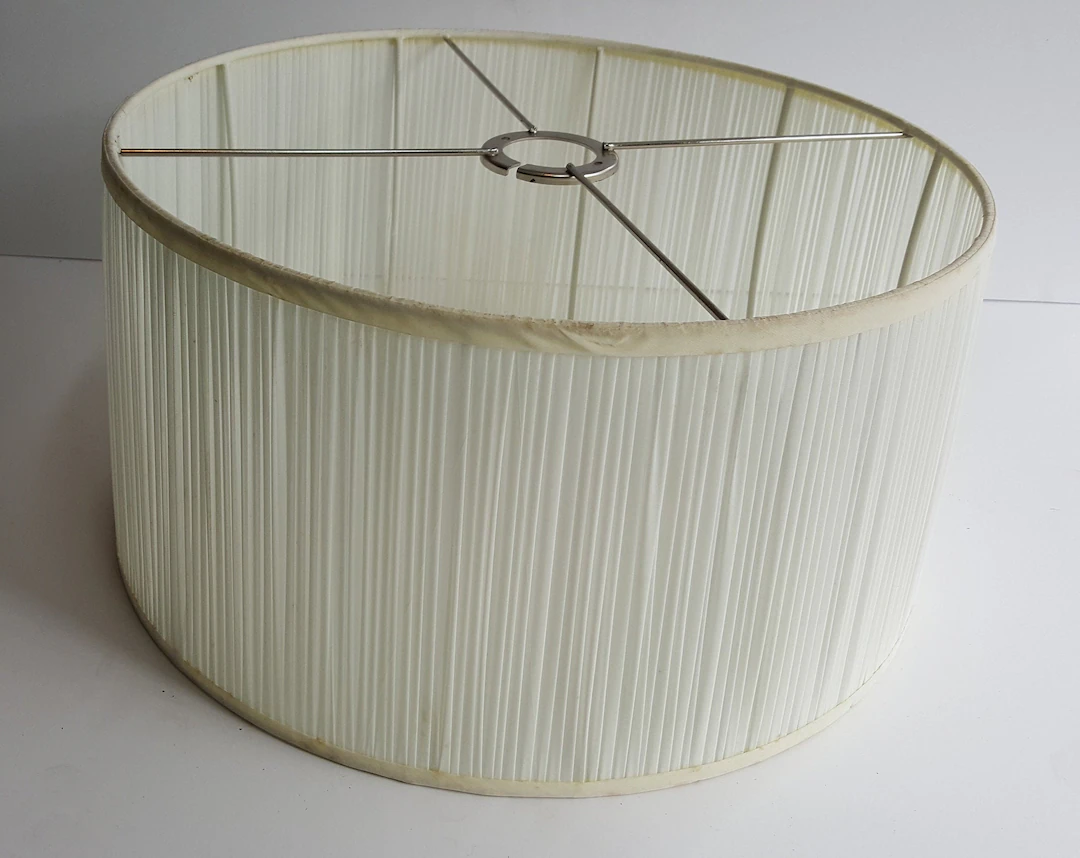
Drum shades
Silhouette: Straight sides, same diameter at top and bottom. Clean, modern, confident.
Best for: Pairs on a console, a modernized traditional base, or anywhere you want a tidy silhouette that behaves.
How a drum directs light
- Balanced light: Usually gives a steady, even glow when paired with a light fabric or lining.
- Uplight depends on the top opening: Many drums have a fairly open top, so they brighten the wall and ceiling nicely.
- Bulb visibility varies: Because drums do not taper, they can expose the bulb more if the shade is short, the harp is tall, or the bulb sits high. A taller drum, deeper drop, or more opaque lining helps a lot.
Best bases for drums
- Best matches: Cylindrical bases, stacked-disc bases, rectangular or geometric bases, mid-century shapes, and lots of contemporary ceramics.
- Also works with: Simple traditional bases when you want to modernize the vibe without buying a new lamp.
- Use caution: Very ornate, curvy, or antique bases can look top-heavy with a super crisp drum. If you love the mix, it can be great. If you want harmony, try an empire.
Room tips for drums
- Low ceilings: Drums read wider than they read tall. In a low-ceiling room, choose a drum that is slightly taller (not just wider) to avoid a squat look.
- Narrow tables: Drums can look bulky if the bottom diameter is nearly the same as the table width. If your table is slim, consider a smaller drum diameter or a more tapered shape like empire.
- Wide consoles: A drum is great here. It feels grounded and graphic, especially in pairs.
Empire shades
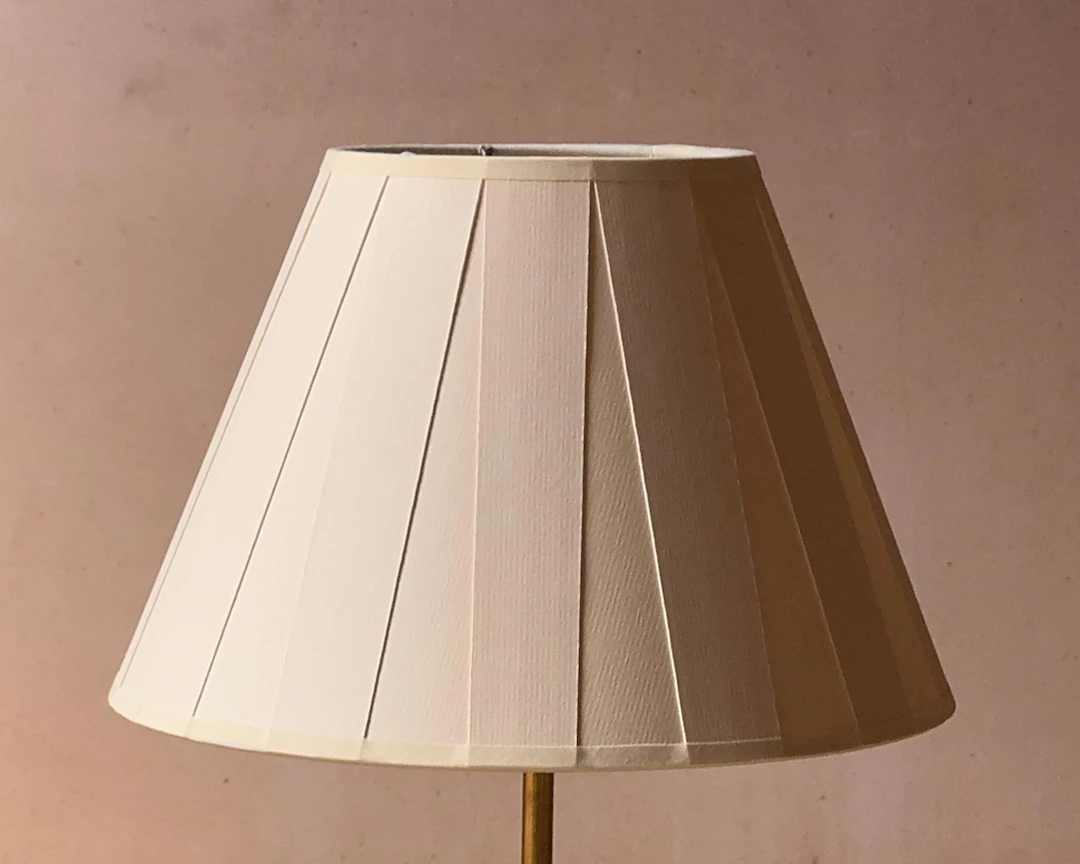
Silhouette: Tapered sides, smaller at the top and wider at the bottom. This is the classic, do-it-all shade shape for most rooms.
Best for: Bedside lamps, traditional bases, and anyone who wants useful light without a lot of drama.
How an empire directs light
- More downlight: That wider bottom opening often encourages light to spill onto the table surface, especially if the bulb sits a bit deeper in the shade.
- Comfortable glow: Still throws light into the room, but often feels less glaring than a short, wide drum, depending on fabric and lining.
- Dependable for everyday lighting: If your table lamp is doing real work at night, empire is usually a safe bet.
Best bases for empire
- Best matches: Traditional bases, gourd shapes, ginger jars, urns, candlesticks, and many vintage lamps.
- Also works with: Transitional spaces that mix modern and classic pieces.
- Use caution: Ultra-minimal bases can look a little dressed up with a strongly tapered empire, but this is a preference more than a rule.
Room tips for empire
- Low ceilings: Empire shades visually lift the lamp because the top is narrower. They tend to feel lighter in the room than a wide drum.
- Small tables: The taper helps. You can often use a shade with a generous bottom diameter without it feeling as blocky.
- Keep clearance in mind: If the shade bottom is very wide, make sure it does not crowd drink glasses, books, or that one permanent coaster that never leaves.
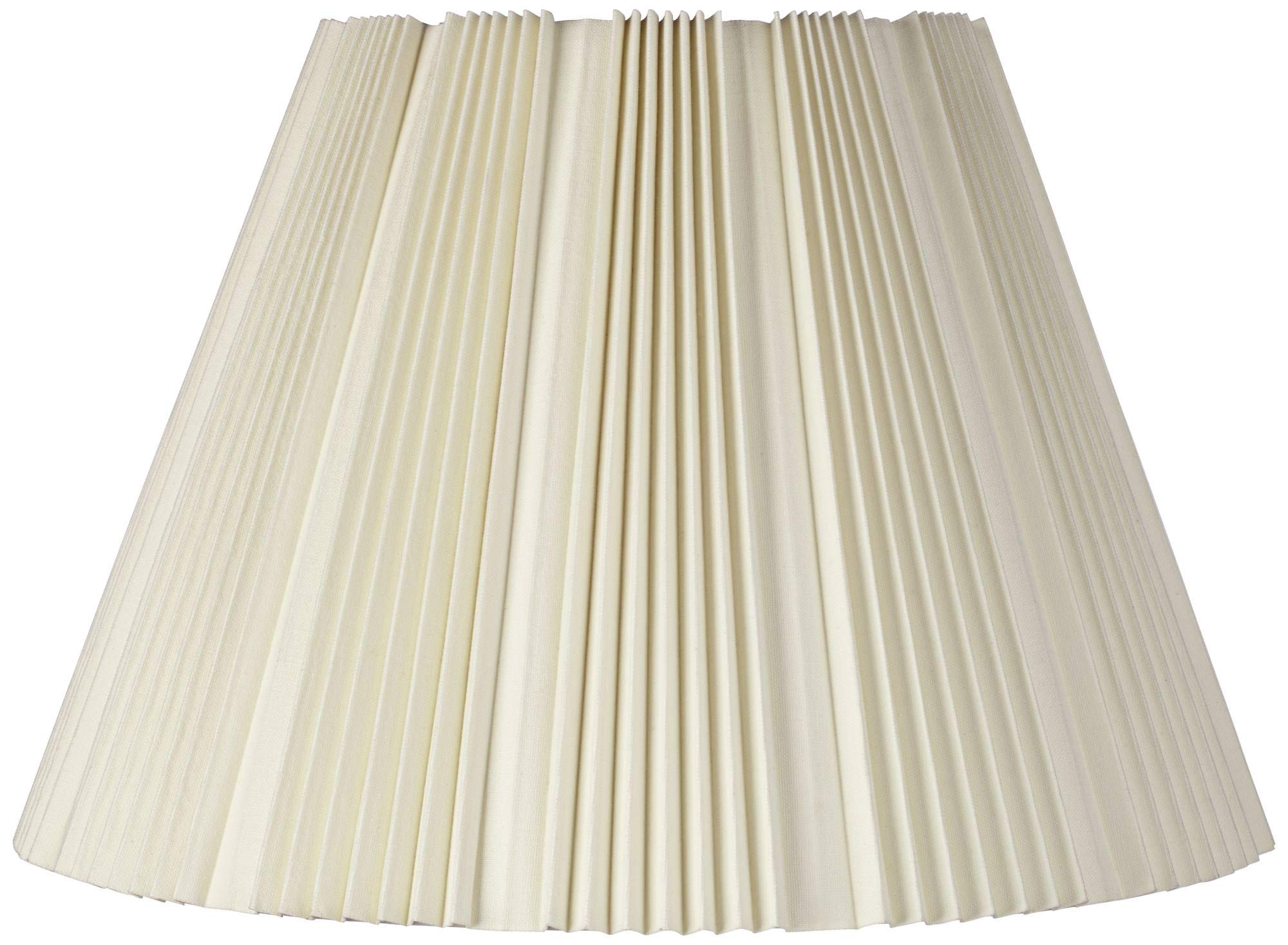
Bell shades
Silhouette: Curved sides that flare outward, often with a soft scallop-like profile. Bell shades are elegant, traditional, and a little romantic.
Best for: Antique bases, cottage bedrooms, and spaces that want a touch of softness and detail.
How a bell directs light
- Soft, cozy feel: Bells are often made as softback shades, frequently with pleats or trim, which can make the light feel gentler. The fabric and construction do a lot of the “softening” here.
- Nice pool of light: Like an empire, a bell shape usually provides good downlight thanks to the wider bottom opening.
- Glare control: Many bell shades are taller through the sidewalls, which can hide the bulb better from seated eye level, especially with an opaque lining.
Best bases for bells
- Best matches: Antique and traditional bases, candlestick bases, ornate metalwork, carved wood, and anything that already has curves and detail.
- Also works with: Cottage, French-inspired, grandmillennial, and vintage-mix rooms.
- Use caution: A bell shade on a sharp-edged, modern base can look intentionally eclectic, but it is a strong contrast. If you love a calmer look, choose drum instead.
Room tips for bells
- Low ceilings: Bell shades can feel visually tall, which is helpful, but they can also feel visually busy. In tiny rooms, consider a simpler trim and fabric to keep it airy.
- Narrow tables: Watch the flare. Bell shades often read wider at the bottom than you expect.
Coolie shades
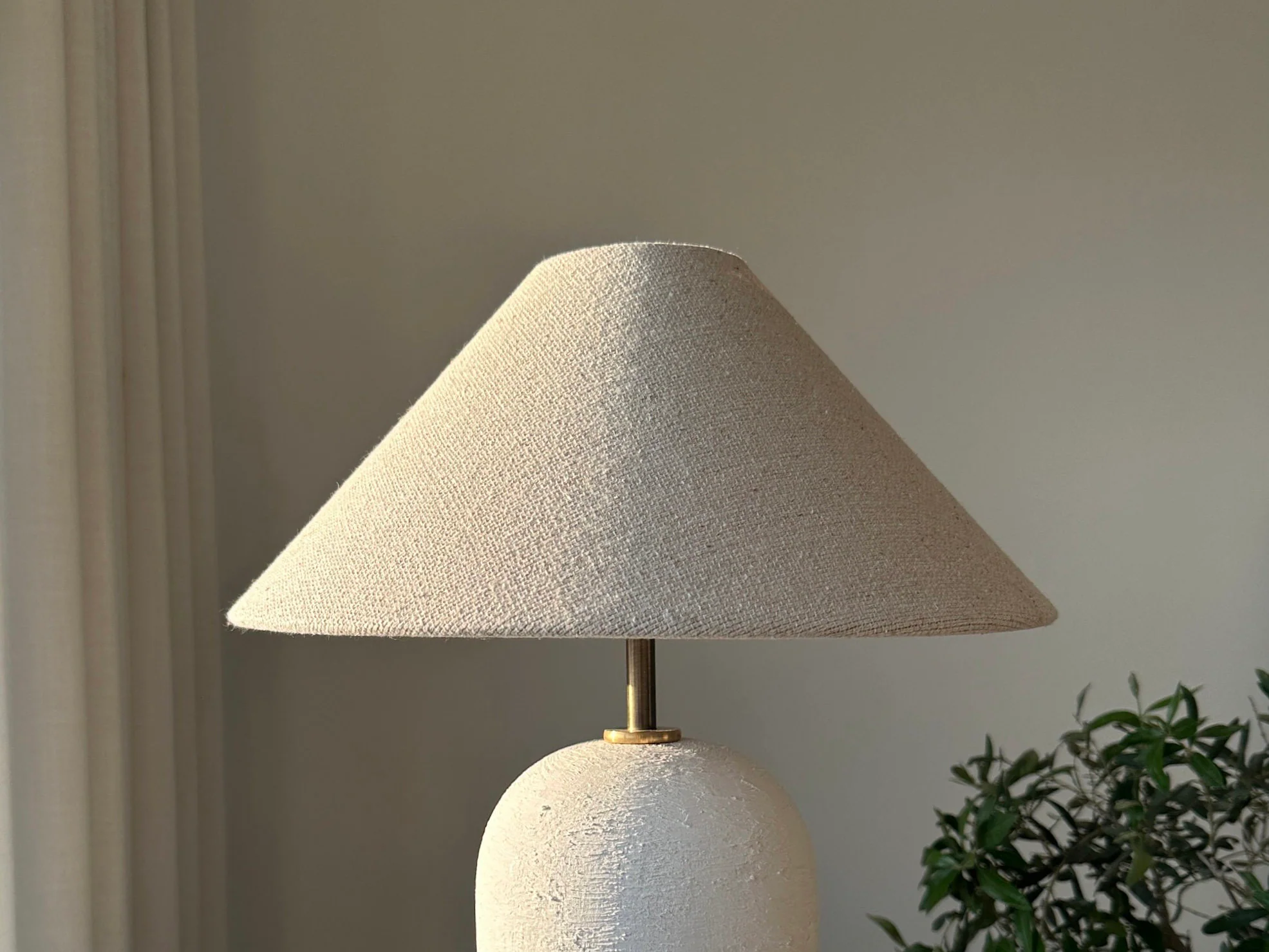
Silhouette: A wide cone, usually with a fairly flat slope from the top down to the rim. Coolie shades feel casual, vintage, and a bit playful. They are also sneaky-good for directed light.
Best for: Desks, reading nooks, and anywhere you want the light to land on the surface, not just glow politely in the corner.
How a coolie directs light
- More down and outward: The wide rim tends to throw light onto the table and outward into the room. Depending on the top opening, drop, and lining, it can also reduce some uplight compared with a more open drum.
- Good for task areas: Great on a desk, a reading nook side table, or anywhere you want the light to show up and do something useful.
- Ceiling bounce varies: Some coolies send less light upward, but it depends on the top opening and whether the lining is reflective.
Best bases for coolies
- Best matches: Simple bases, swing-arm or pharmacy-style lamps, ceramic bases with a relaxed shape, wood bases, and many mid-century or retro forms.
- Also works with: Coastal and casual spaces, especially in natural textures like linen or paper.
- Use caution: On a very formal, ornate base, coolie can look like sneakers with a tuxedo. Fun if you mean it, odd if you do not.
Room tips for coolies
- Low ceilings: Coolies feel visually low and wide. If your room already feels compressed, pick a steeper cone (more height) rather than a very flat coolie.
- Small tables: Measure the table width and keep the coolie from overhanging too far. A wide rim can swallow a petite nightstand.
Shape and base cheats
If your lamp base could talk, it would ask for one of these pairings:
- Column, cylinder, or stacked shapes: Drum for a clean echo, empire if you want it softer.
- Gourd, urn, ginger jar: Empire is the classic partner. Bell works if the room leans traditional.
- Ornate or antique base: Bell for romance, empire for a calmer traditional look.
- Minimal base that feels too plain: A bell can add charm, but a taller drum often looks intentional and tailored.
- Desk or reading lamp: Coolie for more useful downlight, especially with an opaque or lined shade.
Ceiling height tips
Ceilings are the silent judge of lamp proportions. Shade shape can help a room feel taller or calmer, depending on what you choose.
Low ceilings
- Best bets: Empire shades and taller drums. Their lines help the lamp read more vertical.
- Use caution: Very wide drums and very flat coolies can emphasize horizontals and make a room feel shorter.
- Extra trick: Lighter shade fabric and lighter lining make the whole lamp feel less heavy in the vertical stack.
High ceilings
- Best bets: You can go wider with drums, or more dramatic with bell shapes.
- Use caution: A tiny empire shade on a tall base can look like it is wearing the wrong hat. In tall rooms, you can usually size up and choose fuller silhouettes without overwhelm.
Table width tips
Even the prettiest shade gets cranky if it does not have enough elbow room.
- On a narrow nightstand: Empire shades often look best because the top stays visually slim. Bell and coolie shapes can crowd the tabletop edge if they flare a lot.
- On a wide side table or console: Drums look structured and substantial. Coolies can look great too, especially if you want a relaxed, pool-of-light effect.
- Next to a sofa arm: Watch for flare. A wide bell or coolie can bump visually into the sofa, especially in small spaces. A drum keeps its boundaries.
- In pairs: Drums read polished as matched twins. Empires look classic and cozy. Bells look romantic and traditional. Coolies feel casual and a bit retro.
Details that change everything
Shape is the headline, but these details write the rest of the story.
Hardback vs softback
- Hardback: Holds a crisp silhouette, especially for drums. Looks tailored and modern.
- Softback: Has gentle waves and texture. Often suits empire and bell shades beautifully for a relaxed, lived-in look.
Lining and opacity
- White lining: Brighter output, cleaner light.
- Gold or warm lining: Toastier light, cozy mood.
- Opaque lining: More focused pools of light and less glare through the shade walls, great for bedside comfort.
Trim, pleats, and texture
- Trim: Makes bell and empire shades look more traditional, and can make a drum feel less stark.
- Pleats: Add vintage softness, especially on bell shapes.
- Natural fabrics: Linen, cotton, and woven textures make any silhouette feel less formal.
Safety basics
A lampshade is not the place to wing it.
- Follow the lamp’s max bulb rating: Use bulbs within the fixture’s listed limits. With LEDs, check lumens and heat notes too.
- Give the bulb breathing room: If a shade is too small or sits too low, heat can build up, especially with clip-on shades and tighter linings.
- Avoid contact: Make sure the bulb does not touch the shade or lining.
Fast picks
- Choose a drum if you want clean lines, an even glow, and a modern or transitional look.
- Choose an empire if you want the most universally flattering shape, with good downlight and a classic profile.
- Choose a bell if your base is traditional or antique, and you want a softer, more decorative silhouette.
- Choose a coolie if you want a relaxed vibe and more directed light onto a table, desk, or reading spot.
FAQ
Does shade shape affect brightness?
Yes, but it is a team effort. A wide-bottom shade (empire, bell, many coolies) tends to send more light downward onto surfaces. A shade with a roomy top opening (many drums) tends to bounce more light upward to walls and ceiling. Fabric opacity, lining, and bulb lumens can change brightness just as much as shape.
Can I put a drum shade on a traditional lamp base?
Absolutely. It is a common way to make a traditional base feel more current. If the base is very ornate, a drum reads more modern and can look like a deliberate mix, which is often the point.
What shade shape is best for a bedside lamp?
Empire is usually the most reliable for bedside use because it often gives a comfortable pool of downlight without blasting the room. If glare is a problem, consider a taller shade, a deeper drop, or an opaque lining so the bulb is less visible from bed.
Why does my lamp look top-heavy?
Often it is a wide shape (big drum or flared bell) sitting on a slender base or a narrow table. Switching to a tapered empire, a taller drum, or a slightly less flared bell usually restores balance.
Why is my bulb so visible even with the “right” shade?
It is often the fitter and height setup, not the silhouette. A harp that is too tall, a shade with a shallow drop, or a bulb that sits above the shade’s bottom rim line can create glare. Try a taller shade, a different harp height, or a fitter style that lowers the shade.