Chocolate Stain on a Mattress
Gust
The quickest way to turn a tiny chocolate smudge into a mattress memory is to treat it like a washable cushion: too much water, too much rubbing, too much faith in “the label.” Mattresses are fussy in a very specific way. They hate being soaked, they dry slowly, and once chocolate oils sink into foam or quilting, they can linger like a bad houseguest.
The good news: you can usually lift chocolate from a mattress cover or the mattress face with a gentle, low-moisture approach. Think: scrape, dab, blot, repeat. Not: flood, scrub, panic.
Before you start
- Spot test first. Try any cleaning mix on an inconspicuous area and let it dry to check for water marks, color change, or texture changes.
- Ventilate. Open a window or run a fan while you clean and dry.
- Do not mix chemicals. Especially do not mix hydrogen peroxide with bleach or other cleaners.
- Check your warranty or care guidance. Some manufacturers allow limited spot cleaning, and others are strict about moisture.
What you are cleaning
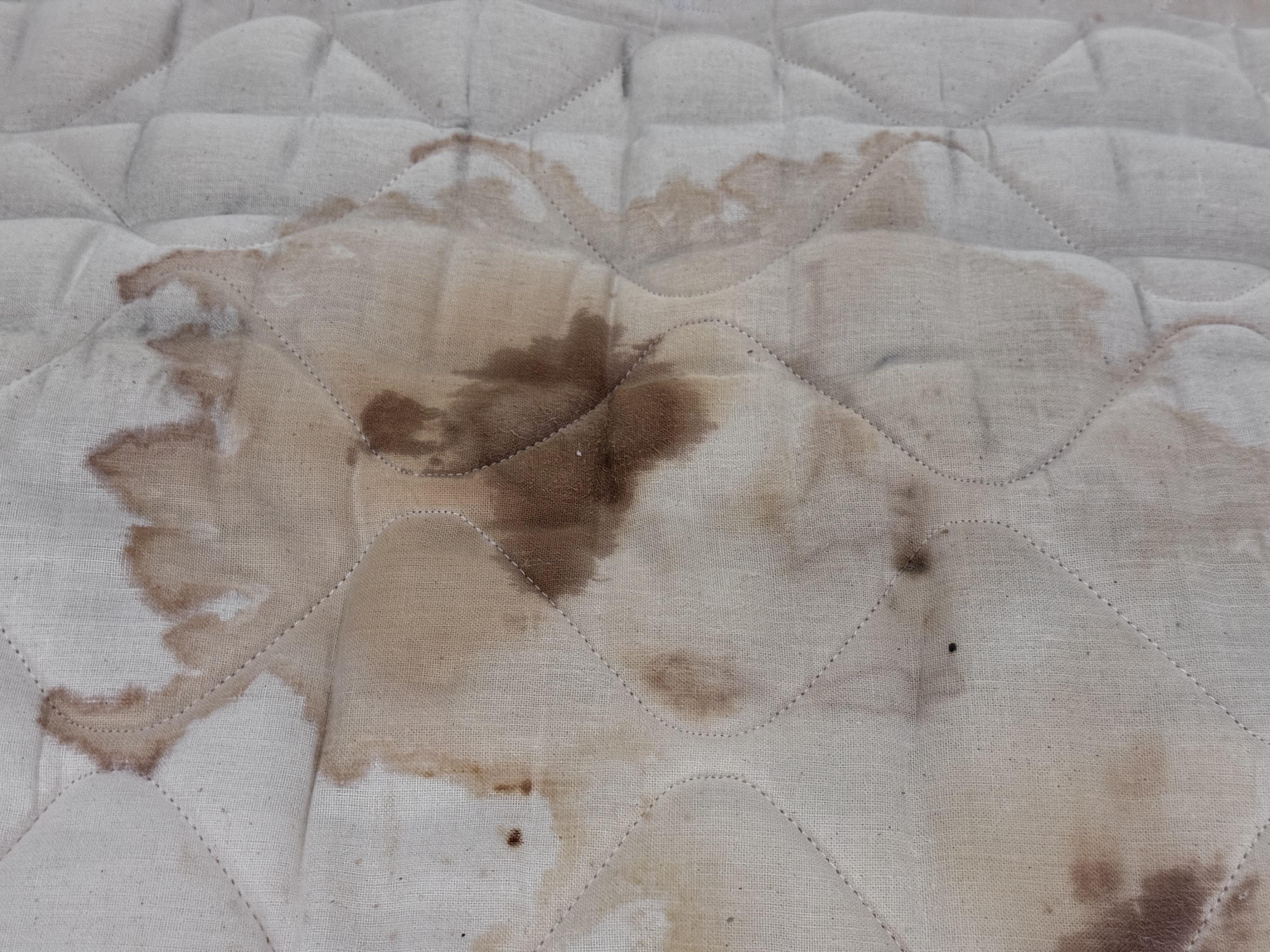
Chocolate is a combo stain. It is made of pigment (brown color) plus fat (oil). On a mattress, that means you want to lift the solids first, then loosen the oily residue gently, without saturating what is underneath.
On a removable protector
If you have a zippered mattress protector or a removable cover that is truly meant to be laundered, take it off and treat it like fabric laundry. That is the easiest scenario.
Still, do not ignore what is underneath. Check the mattress face. If any chocolate seeped through, follow the steps below for the mattress itself.
On the quilted top
This is the most common situation and the one where people over-wet the spot. The goal is to clean the top fibers and stitching without pushing chocolate down into padding or foam.
On foam or latex
Be extra stingy with liquid. Foam is absorbent and slow to dry. You can clean it, but you will use smaller amounts and spend more time drying.
On tricky fabrics
If your mattress has wool, viscose/rayon blends, or “cooling” knit fabrics, be especially cautious. These can water-spot or show rings. Keep moisture minimal, blot evenly, and dry fast. When in doubt, test first and work in small sections.
What you need
- Dull knife or spoon (for scraping)
- Vacuum with an upholstery attachment (helpful, not required)
- White cloths or paper towels (avoid colored cloths that can transfer dye)
- Small bowl of cool water
- Liquid dish soap (a grease cutter)
- Optional: a tiny drop of mild laundry detergent for washable covers
- Optional: 3% hydrogen peroxide for light mattresses (spot test first)
- Fan or hair dryer on cool setting
- Baking soda (for odor and surface dampness)
Avoid: hot water (it can melt fats, spread the stain, and make it harder to lift), steam cleaners (too much moisture), and soaking sprays that promise miracles. Your mattress is not the place for a dramatic before-and-after experiment.
Fresh chocolate
1) Chill it if it is soft
If the chocolate is smeared or melty, you will get better results if you firm it up first.
- Put a few ice cubes in a bag, wrap it in a thin towel.
- Hold it on the chocolate for 2 to 3 minutes.
- Lift the bag away and move to scraping.
This keeps you from spreading the stain while you work.
2) Scrape off the solids
Use a spoon or dull knife to lift chocolate from the surface. Work from the outside edge toward the center so you do not widen the stain.
If crumbs break loose, vacuum them up. Do not press them in with a towel.
3) Blot with a barely damp cloth
Dampen a white cloth with cool water and wring it out hard. You want it just damp, not dripping.
- Blot, do not rub.
- Switch to a clean part of the cloth often.
- If brown transfers to the cloth, you are winning.
4) Use a tiny amount of dish soap
In a bowl, mix:
- 1 cup cool water
- 1/4 teaspoon liquid dish soap
Dip a cloth in the solution and wring it out until nearly dry. Dab the stain lightly. Let it sit for 1 minute, then blot with a dry cloth to pull up loosened chocolate oil.
Repeat in short rounds instead of soaking once. This is the mattress-friendly rhythm: apply a little, blot a lot.
5) Rinse lightly
Soap left behind can attract dirt later. Rinse by blotting with a new cloth dampened with plain cool water and wrung out very well.
6) Press-dry the area
Put a dry towel over the damp spot and press down firmly with flat hands for 20 to 30 seconds. Do this a few times, rotating to a dry section of towel.
Dried chocolate
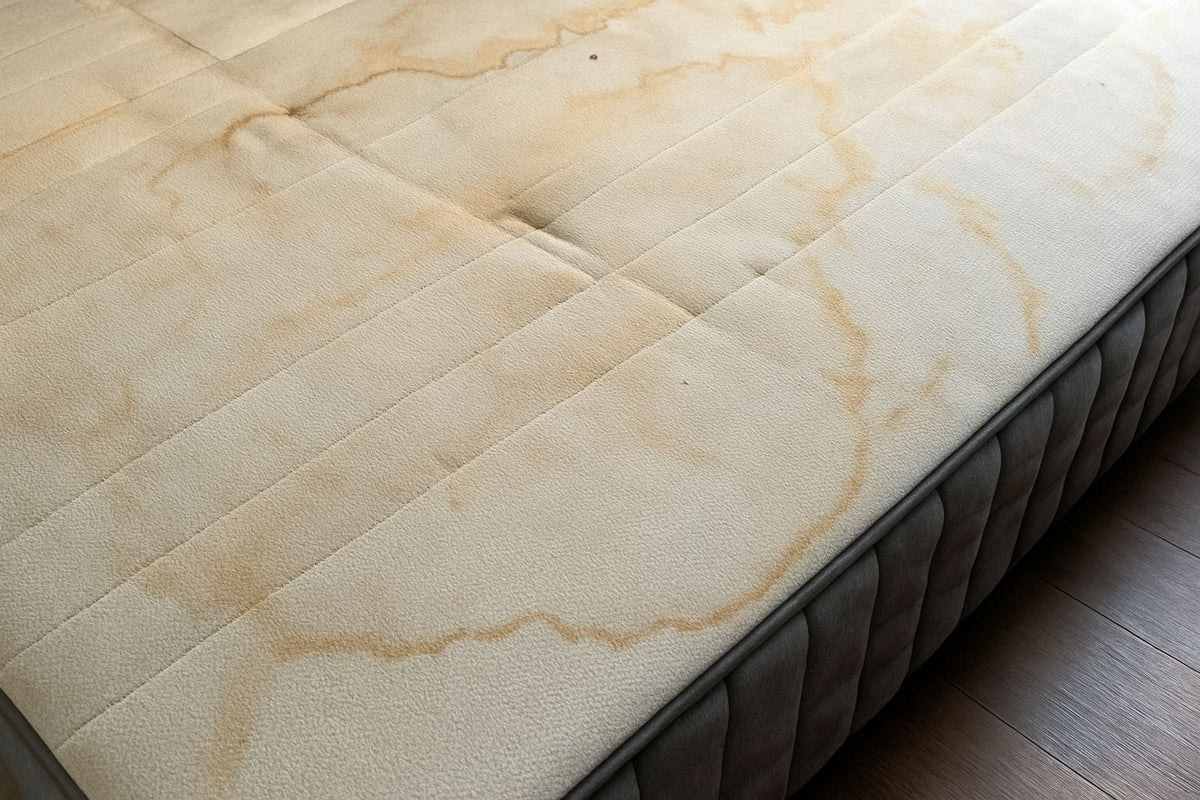
Dried chocolate usually means the pigment has had time to cling, and the fat has had time to settle. The approach is the same, but you will need a few more passes.
1) Loosen the top layer
Start with gentle scraping to remove any crusted chocolate. Vacuum crumbs.
2) Rehydrate slowly
Use a cool, barely damp cloth and blot the stain for 30 to 60 seconds. This softens what is left on the surface without sending liquid deep.
3) Dab with dish soap solution
Use the same diluted dish soap mix. Dab, wait 1 minute, then blot dry. Repeat. Expect 3 to 6 rounds for a stubborn spot.
4) For a faint shadow on a light mattress
If the mattress is white or very light and you are left with a pale brown cast, you can try 3% hydrogen peroxide, but only after a spot test in an inconspicuous area. Peroxide can lighten dyes, weaken some fibers over time, and in some cases contribute to discoloration on certain materials if overused. Use a small amount, keep contact brief, and avoid saturation.
- Put a small amount on a cotton swab or corner of a white cloth.
- Dab only the stained area.
- Blot with a dry cloth after 2 to 3 minutes.
- Do a light water-blot rinse afterward.
Skip peroxide on dark covers, printed ticking, wool blends, or anything you suspect is not colorfast.
Dry it fast
This part matters as much as stain removal. Mattresses can hold moisture in their layers, especially foam. If the spot stays damp, it can develop a musty odor or even mildew.
1) Blot until it is nearly dry
Press with dry towels to remove as much moisture as possible. Standing on towels works well if the bed frame is sturdy: socks on, gentle pressure, no bouncing.
2) Add a thin layer of baking soda
Sprinkle baking soda over the cleaned area and an inch beyond it. It can help with odor and surface dampness, but it is not a substitute for blotting and airflow.
- Let it sit 4 to 8 hours, or overnight if you can.
- Vacuum thoroughly.
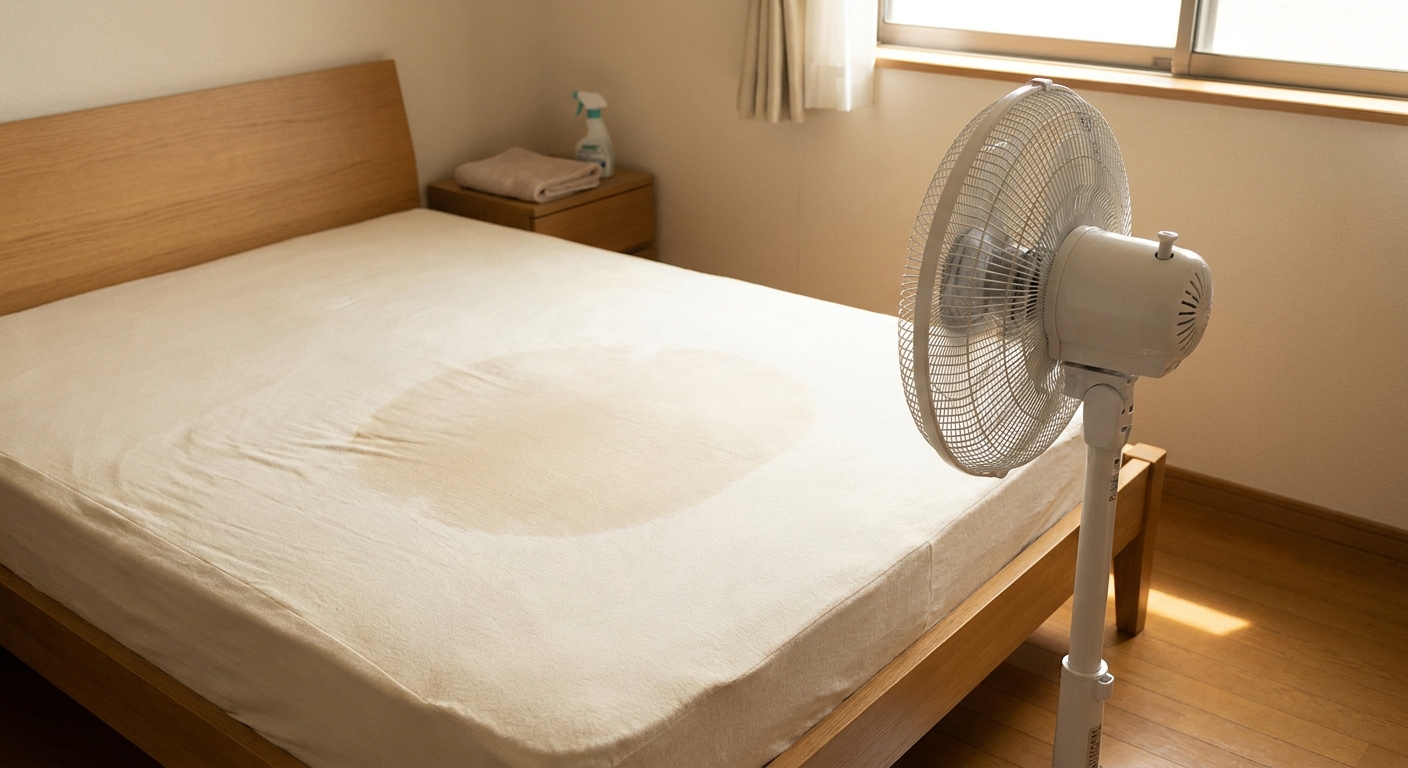
3) Use moving air
Point a fan directly at the spot for at least 1 to 2 hours. If you need the bed sooner, a hair dryer on cool or low held at a distance can help, but do not overheat foam or adhesives.
4) Let it breathe
If possible, pull bedding back and let the mattress air out for the day. A bright room with airflow is a huge upgrade from trapping moisture under sheets.
Why sofa codes do not apply
If you have ever flipped a cushion and hunted for the little tag that says “W” or “S,” you are not alone. Sofa care codes are meant for upholstery fabric and they assume a few things mattresses simply do not share.
- A mattress is layered. Fabric sits over batting, quilting, fire barrier materials, and often foam. A product that is “safe for fabric” can still soak into layers that are difficult to dry.
- Most mattresses are not meant to be wet-cleaned. Even if a surface fabric tolerates water, the interior may trap it. Spot cleaning is usually the safest lane, and it is worth checking the care guidance.
- Solvent codes are not a green light. “S” on a sofa means solvent only on that upholstery. On a mattress, solvents can affect adhesives, foams, and fire barrier materials. They also introduce fumes in the place your face goes every night.
In short: minimal moisture, maximum blotting, and a serious drying plan.
Common mistakes
- Rubbing the stain. This frays fibers and drives pigment deeper.
- Pouring cleaner directly onto the mattress. Always apply to a cloth first so you can control moisture.
- Using hot water. Heat can melt fats and help the stain spread.
- Covering it up too soon. Even if it feels dry on top, it may be damp underneath. Airflow is your best friend.
- Overdoing scent boosters. Heavy fragrance can be irritating and does not fix moisture. Dryness fixes moisture.
Milk chocolate and fillings
Filled chocolates and chocolate milk are messier because they add extra sugars and fats. The same steps apply, but you may need a little more dish soap solution, followed by a very light rinse blot.
If the spot starts to feel tacky after drying, that is usually leftover residue. Do one more quick round: damp blot with plain water, then towel-press dry and fan again.
Big stains and when to stop
If the stain is large, work in sections and keep your cloth only lightly damp. It is better to do five careful rounds than one wet one. Prioritize drying as you go, especially on foam.
Consider a professional upholstery or mattress cleaning service if:
- The stain is large and soaked through.
- The mattress is an expensive pillow-top with deep quilting.
- You smell mustiness after it “dried,” which can mean moisture stayed trapped.
- You have allergies or asthma and do not want to experiment with products.
Also, if your mattress is still under warranty, check what cleaning methods are allowed. Some warranties are picky about moisture-based cleaning.
Chocolate stain FAQs
Can I use vinegar on chocolate stains on a mattress?
I usually skip it for chocolate on mattresses. Vinegar is great for some odors and mineral issues, but chocolate is largely a fat and pigment problem. Dish soap (diluted) is the more direct choice, and it is easier to rinse with minimal moisture.
Can I use a carpet cleaner or upholstery machine?
I do not recommend it for mattresses. Even if you can extract some moisture, these machines tend to over-wet the layers, and mattresses take a long time to dry fully. The mildew risk is real.
What if there is a brown ring after cleaning?
A ring is usually moisture wicking the stain outward. Re-dampen the entire ring area lightly (not just the center) with plain cool water on a wrung-out cloth, then blot evenly outward and dry thoroughly with towels and a fan. Even moisture distribution helps prevent halos.
Is it safe to sleep on the mattress the same night?
Only if it is truly dry. If you are unsure, aim a fan at it for a few hours and leave bedding off as long as possible. If it still feels cool or damp to the touch, give it more time.