Sofa Cleaning Codes Explained (W, S, WS, X)

Clara Townsend
Clara Townsend is an interior stylist, vintage furniture enthusiast, and the creative voice behind Velvet Abode. With over a decade of experience transforming both cramped city apartments and sprawling fixer-uppers, she believes that a beautiful home is built on personal stories rather than massive budgets. When she isn't hunting for the perfect brass sconce at a local flea market, she can usually be found rearranging her living room for the third time this month.
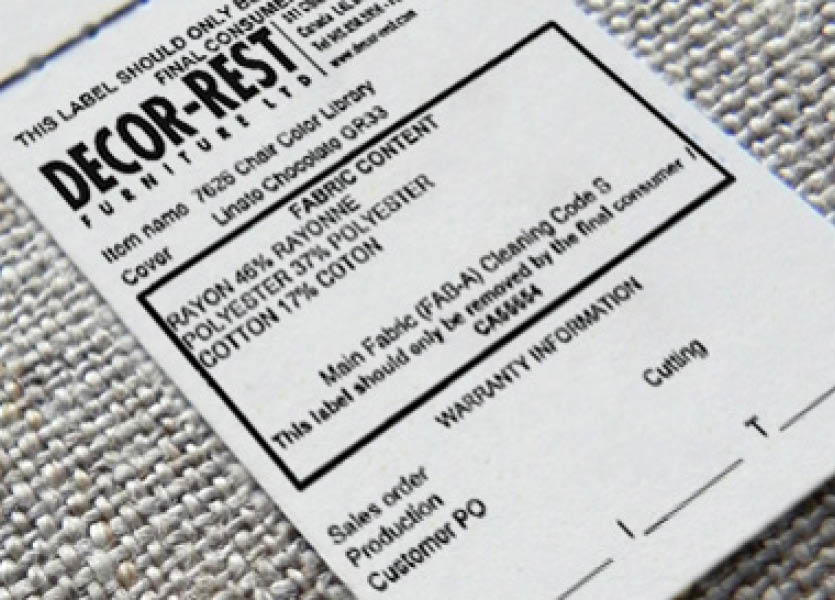
There is a tiny tag hiding under your sofa cushion that can save you hundreds of dollars and a whole lot of regret. I mean the manufacturer’s fabric cleaning code , the little letter code like W, S, or WS.
These codes are not “best practices” or friendly suggestions. They are the maker’s instructions for what kind of cleaning is approved for that fabric. Following them helps you avoid water rings, dye bleeding, crunchy texture, and yes, the dreaded “we can’t cover that” conversation if you have a warranty or protection plan.
Quick reality check: Not every brand uses the exact same code system, and some tags include extra letters or special warnings. Always follow what your tag says first.
Where to find the cleaning code
Most sofas have a tag in one of these spots:
- Under a seat cushion (usually along the deck or seam)
- Under the sofa, stapled to the frame
- Inside a zippered cushion cover (sometimes on the insert)
- On a detachable slipcover tag
Look for language like “Cleaning Code,” “Care Instructions,” or just a bold letter: W, S, WS, or X. If you cannot find a tag, check the original product listing, your receipt email, or the brand’s care page before you clean.
Before you clean: two rules
Rule 1: Treat the code like the boss
If your sofa says S, do not use a water-based cleaner. If it says W, stick with water-based upholstery cleaners and avoid solvent-heavy products unless the manufacturer specifically allows them. Mixing methods is how people end up with tide marks, sticky residue that attracts dirt, or a patch that looks “clean” but slightly bleached in certain light.
Rule 2: Always spot-test, even if you are sure
Fabrics can vary by dye lot, finish, and wear. A quick spot-test tells you if the color lifts, if the texture changes, or if the fabric develops a ring as it dries.
My no-drama spot-test method:
- Pick a hidden area: back hem, under a cushion, or inside a skirt.
- Lightly vacuum or brush the area to remove dust and grit.
- Apply your chosen cleaner to the cloth first (not directly to the sofa).
- Dab gently for 15 to 30 seconds. Do not rub.
- Let it dry fully (at least 2 hours, ideally overnight).
- Check in daylight: look for fading, a dark outline, stiffness, or a watermark.
Protection plan note: Many plans often expect you to follow the manufacturer’s care code and avoid unapproved chemicals, but terms vary. If you have a plan, snap a photo of your tag and skim your plan language before you go full DIY.
Cleaning Code W: Water-based
What it means: Your upholstery can be cleaned with water-based products like mild soap solutions, water-based upholstery shampoos, and some water-based spot removers.
Common fabrics that may be coded W: Many synthetic weaves (polyester, nylon, olefin) and performance fabrics, though you should still follow the tag over assumptions.
Safe spot-clean steps for W
- Vacuum first using an upholstery attachment, especially along piping and seams.
- Mix a gentle solution: a few drops of clear, mild dish soap in cool distilled water. (Distilled water helps prevent mineral rings.)
- Dab, do not soak: apply foam or lightly dampen a white cloth and blot the stain from the outside inward.
- Rinse lightly by dabbing with a cloth dampened with plain distilled water.
- Blot dry with a towel, then air-dry with good airflow.
What to avoid with W
- Over-wetting. Too much water can leave rings, loosen adhesives, or push soil deeper.
- Hot water or steam unless the manufacturer explicitly allows it. Heat and heavy moisture can cause shrinkage, delamination, and watermarking.
- Bleach and strong alkaline cleaners, which can strip dye and weaken fibers.
Clara’s tiny tip: If you are cleaning a noticeable spot, feather your dabbing outward so the cleaned area blends into the surrounding fabric as it dries.
Cleaning Code S: Solvent-based
What it means: Use water-free or dry-cleaning solvent products designed for upholstery. This code is common on delicate weaves and fabrics that can water-spot or shrink.
Important: “S” does not mean “spray anything in the laundry aisle.” You want a product labeled for upholstery and solvent cleaning, and you need ventilation.
Safe spot-clean steps for S
- Ventilate: open windows and, if possible, run a fan.
- Vacuum first to remove grit that can act like sandpaper.
- Apply solvent to a cloth, not directly to the fabric.
- Blot gently. Short contact time is your friend.
- Lift residue by blotting with a clean section of cloth until no more transfers. Keep switching to a clean area so you do not redeposit soil.
- Air-dry fully before using the cushion again.
What to avoid with S
- Water, including “just a little” or baby wipes. Many S-coded fabrics will show a ring.
- Rubbing. It can rough up the nap, distort the weave, or spread the stain.
- High heat from hair dryers. It can set stains and mess with finishes.
Common reader question: Many microfiber sofas are coded S and some manufacturers allow specific solvent methods (including certain alcohol-based approaches). Do not freestyle this. Follow your tag and use an upholstery-labeled solvent, then spot-test.
Cleaning Code WS (or SW)
What it means: Your fabric can tolerate either water-based cleaners or solvent-based cleaners, as long as you use them correctly.
This is the most flexible code, but it can also be the most confusing because “flexible” is not the same as “anything goes.” Your goal is still to use the gentlest effective method for the specific mess.
How to choose W vs S
- Start with dry methods: vacuum, lift crumbs, and blot fresh spills.
- Try water-based first for most food and water-soluble stains (juice, soda, many sauces), if your spot-test shows no water marking.
- Use solvent for oily or greasy marks (makeup, body oils, butter) or if water leaves a ring in your spot-test.
Safe spot-clean steps for WS
- Spot-test both methods in separate hidden spots if you are unsure.
- Use minimal moisture even with W-method cleaning.
- Work from the outside of the stain inward to avoid spreading.
- Dry thoroughly with airflow to prevent a faint halo.
What to avoid with WS
- Mixing products in the same area. Do one method at a time and let it dry fully.
- Oversaturation, which can still create rings even if water is “allowed.”
- Strong solvents not intended for upholstery.
One concrete example: Some performance velvets and coated fabrics react badly to alcohol, even when they are labeled WS. If your tag says “no alcohol” or the brand warns against it, believe them.
Cleaning Code X: Vacuum only
What it means: This fabric should be cleaned with dry methods only. That usually means vacuuming and gentle brushing. Spot-cleaning with liquids, even “safe” ones, can permanently mark the fabric.
Safe care steps for X
- Vacuum regularly with a soft brush upholstery attachment.
- Blot spills immediately with a dry cloth to absorb as much as possible, without adding cleaner.
- Use a soft brush to lift dried particles, then vacuum again.
- Call a pro for stains. Ask for a cleaner experienced with specialty upholstery.
What to avoid with X
- Any water-based cleaner (including diluted soap)
- Any solvent-based cleaner
- Steam cleaning
If your sofa is code X and something truly tragic happens, do not panic-clean. Panic-cleaning is how a small spot becomes a permanent bullseye.
Other codes and tag notes
Not every tag is perfectly consistent. Here are a few common variations:
- W/S: Usually the same as WS. Still spot-test to choose the safer option for your fabric’s finish.
- Dry Clean Only: Treat this as “professional cleaning recommended.” If you attempt anything at home, use only an upholstery-labeled dry-clean solvent, ventilate well, and spot-test first.
- “Use mild detergent”: Typically a W-style instruction, but follow any limits listed on the tag.
- Extra letters or notes: Some manufacturers add codes like “P” (professional clean) or other instructions for extraction or specialty methods. Follow the tag and brand guidance over generic charts.
If your tag includes a brand-specific warning (for example, “no alcohol” or “do not use enzyme cleaners”), follow that over everything else.
Removable covers: one extra check
If your cushion covers unzip or your sofa has a slipcover, check the cover’s care tag too. Sometimes the frame upholstery has one code, while removable covers have separate instructions (and occasionally are machine-washable). When in doubt, test washing on one cover first and avoid hot water and high heat drying, which can shrink or warp seams.
What not to do
I have seen these mistakes turn a manageable mess into a permanent “memory.”
- Rubbing hard: it frays fibers and spreads pigment.
- Using colored towels: dye transfer is real. Stick to white cloths.
- Using too much product: residue attracts dirt and can leave a dark patch.
- Drying too slowly: lingering moisture can create rings and mildew odors. Use airflow.
- Trying five cleaners in a row: you can cause chemical interactions and strip finishes.
Quick decision guide
If the tag says W: water-based upholstery cleaner, minimal moisture, blot and air-dry.
If the tag says S: upholstery-labeled solvent cleaner only, no water, ventilate well.
If the tag says WS: either method, start gentle, spot-test to avoid rings or texture change.
If the tag says X: vacuum only, no liquids, call a pro for stains.
When to call a professional
If the stain is large, old, or on a code X fabric, professional cleaning is usually cheaper than replacing a cushion cover or living with a watermark forever.
When you call, ask:
- “Do you clean upholstery with cleaning code [your code]?”
- “Will you do a spot-test for colorfastness and water marking?”
- “Is your method compatible with my fabric and any protection plan I have?”
And take a quick photo of your tag and the stain before anyone touches it. It makes the whole conversation easier.
Small habits that help
- Vacuum weekly if you have pets or a cozy snack habit.
- Rotate cushions monthly so wear and sun fade stay even.
- Keep a throw nearby for high-use spots. It is not “hiding” your sofa. It is giving it a little day off.
- Blot spills immediately, even if you cannot fully clean right then.
A sofa is one of the most touched pieces in your home. When you treat it like a textile with rules, not a mystery blob-catcher, it stays inviting longer and feels like a comforting hug every time you sit down.