Teak Outdoor Furniture Care

Gust
A little flutter. A cozier corner.
Teak is the calm friend of outdoor furniture. It can live outside, get rained on, and still keep its composure. The big question is not whether teak can handle it. It is how you want it to look: warm honey brown, or that beachy silver-gray that shows up after a season in the sun.
How teak behaves outdoors
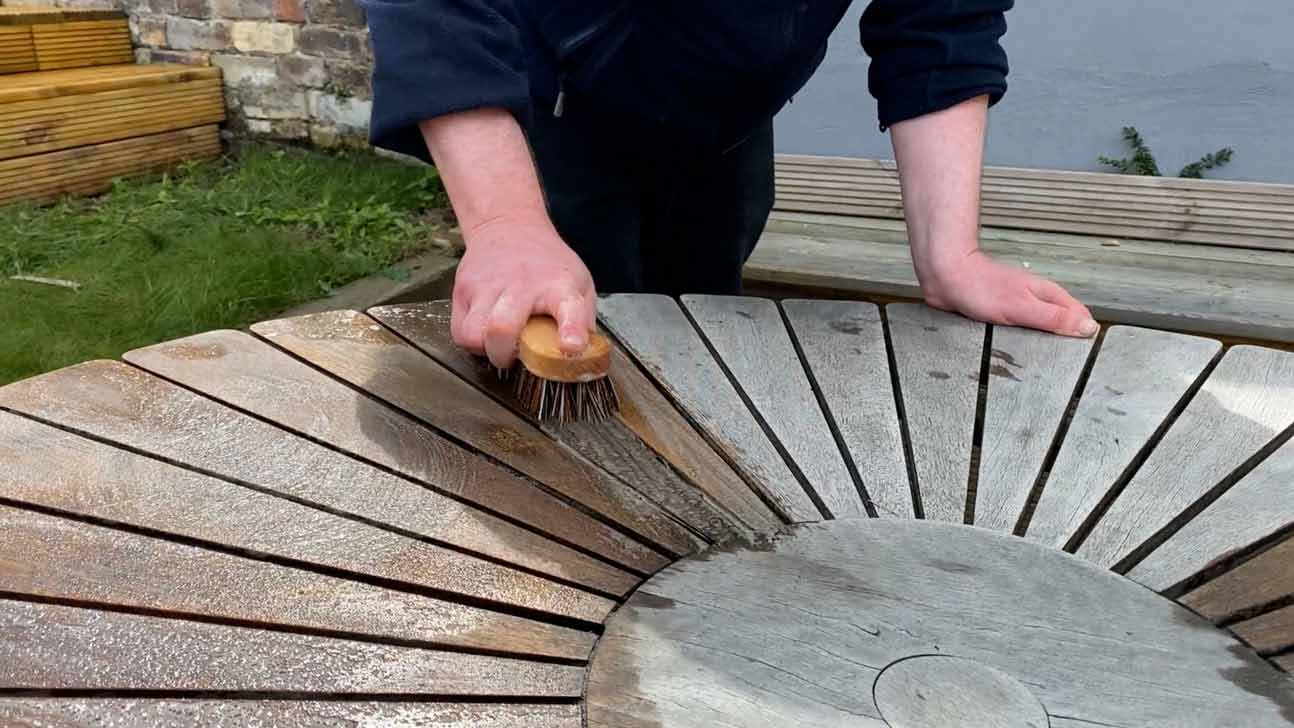
Teak is a dense hardwood with natural oils. Those oils help it resist moisture and insects better than many woods. Outdoors, unfinished teak typically shifts from golden brown to a silvery patina as UV light and weather change the surface fibers.
That color change is cosmetic. It is not rot. Think of it like sun-faded linen: softer-looking, still doing its job.
Choose your finish
Option A: Let it weather to silver-gray (lowest maintenance)
If you like the silver look, your job is mostly cleaning. No oil required. You will still want to remove grime and prevent mildew from taking up residence in shaded, damp spots.
- Pros: minimal upkeep, no sticky buildup, a classic coastal patina.
- Cons: uneven early weathering can look blotchy for a bit, and water marks tend to stand out most on darker, recently oiled areas or partially weathered patches.
Option B: Use teak oil for a warmer tone (higher maintenance)
Oiling does not “feed” teak in a structural way. What it mainly does is deepen color and slow the drift to silver by adding oils and, in some products, pigments. Outdoors, that look takes upkeep. If you oil once and then stop, teak can weather unevenly.
- Pros: richer color, freshly-furnished look.
- Cons: reapplication needed, and too much product can attract dirt or encourage patchiness.
Option C: Seal it to slow fading and staining (middle path)
A teak sealer is different from teak oil. Most sealers are thin, penetrating products that act like water repellents and UV inhibitors. They are not a thick moisture barrier like varnish. They can be a nice choice if your teak lives under trees, near a grill, or in splash-prone dining zones.
- Pros: helps resist water marks and food stains, slows fading.
- Cons: still needs maintenance, and prep matters for a clean look.
My breezy rule: If you want silver, do not oil. If you want golden, commit to a schedule and gentle prep so you are not layering mess on top of mess.
Gentle cleaning
Quick clean (10 minutes)
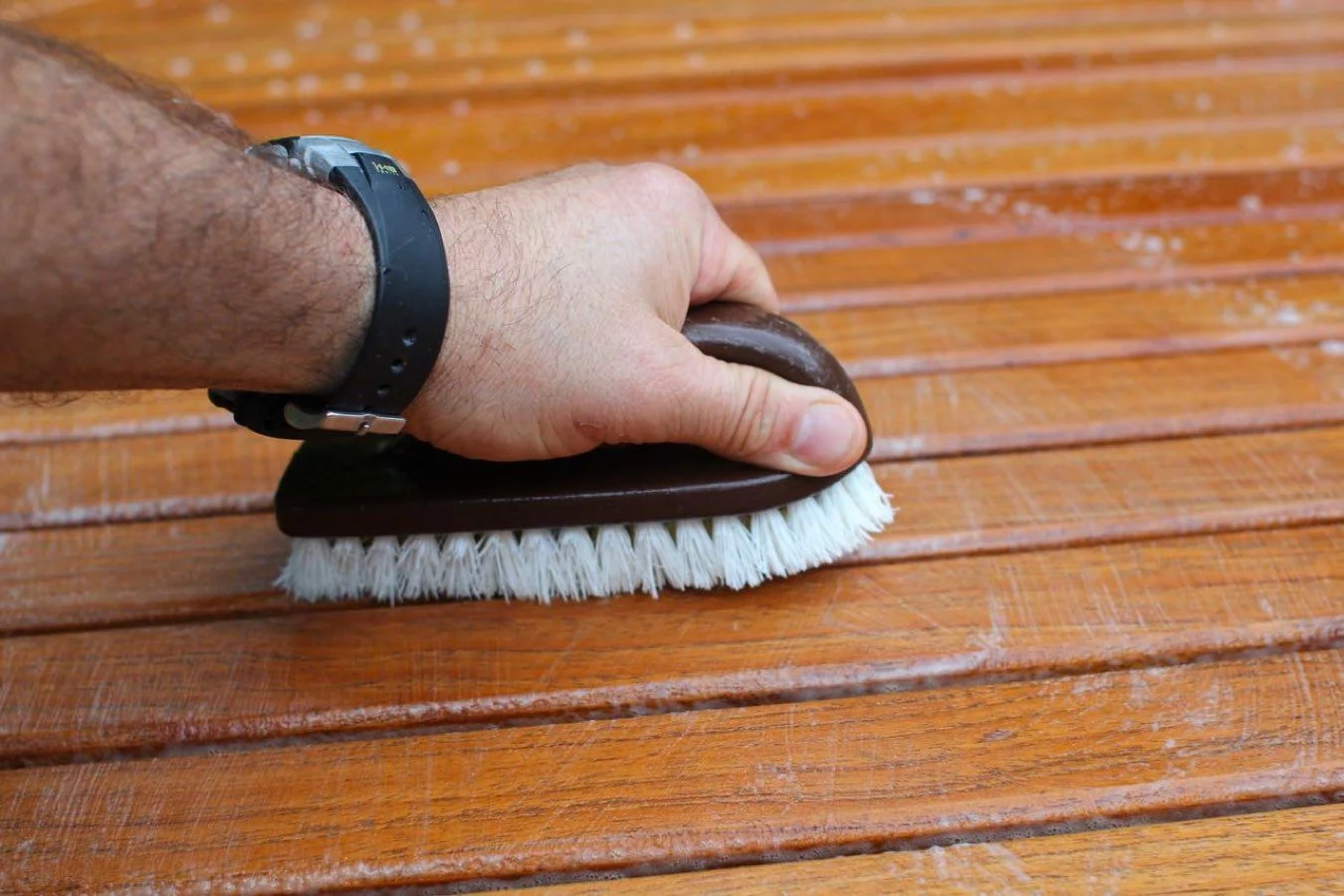
- Brush off loose dirt and pollen first. Dry debris plus water equals muddy film.
- Mix mild dish soap with warm water in a bucket.
- Use a soft brush or non-scratch pad, scrubbing with the wood grain.
- Rinse thoroughly with clean water.
- Let it dry fully before cushions go back on.
Avoid: harsh household cleaners, strong bleach mixes, and aggressive pressure washing. Teak is tough, but the surface fibers can fuzz or erode if you blast them.
Seasonal clean (spring refresh)
Once or twice a year, do a more thorough wash to reset grime and reduce mildew risk.
- Wash as above, but spend extra time on corners, slats, and the undersides of arms where moisture lingers.
- Rinse well so no soap remains in the grain.
- Let it dry for at least a full day in good weather before oiling or sealing.
Mildew and black spots
Those peppery black dots are often mildew or organic staining, especially in humid climates or shaded patios. But not always. Some dark marks are iron or tannin staining, like when metal sits on damp wood, fertilizer splashes, hard water drips, or rusty hardware bleeds.
The goal is to clean without stripping the wood like you are sanding a deck.
Steps for spot cleaning
- Start with soap and water plus a soft brush. Often that is enough.
- If spots persist, use a cleaner formulated for teak or hardwoods, following the label exactly.
- If you are dealing with gray-brown staining or uneven tone, a two-step teak cleaner and brightener system is often what people reach for. It can even things out, but it is strong stuff, so follow directions and test first.
- Rinse very thoroughly and let the piece dry completely.
Safety note: many teak cleaners and brighteners are acidic or caustic. Wear gloves and eye protection, and rinse any overspray off nearby stone, concrete, or plants right away. If you are unsure, start with the mildest product and work up.
Skip the impulse bleach bath. Strong bleach solutions can lighten teak unevenly and may roughen the surface. If you do use any product that contains bleach, treat it as a last resort and test a small, hidden spot first.
If the spots are from metal: fix the source too. Swap rusty screws, add felt or plastic spacers under planters, and keep metal decor from sitting on damp wood.
Water stains and rings
Teak can get water marks, especially while it is still in its golden stage, right after oiling, or when it is weathering unevenly. The easiest fix is not making the stain in the first place.
- Use coasters and trivets outdoors, too. A sweating glass is sneaky.
- Wipe puddles after storms, especially on tabletops.
- Let furniture breathe before covering. Trapping moisture under a cover is how mildew throws a party.
If you already have a ring
Try the gentlest route first: a mild soap wash, then allow it to dry evenly. Many light marks fade as the surface re-evens. For stubborn discoloration, a teak cleaner or brightener can help, but follow product directions carefully and expect the treated area to look lighter until the rest catches up.
Oiling teak
If you are choosing the golden route, consistency and restraint are everything.
Before you oil
- Clean the furniture and let it dry completely.
- Make sure the surface feels dry, not cool-damp.
- Work in shade if possible. Hot sun can make product tacky before it levels.
Application basics
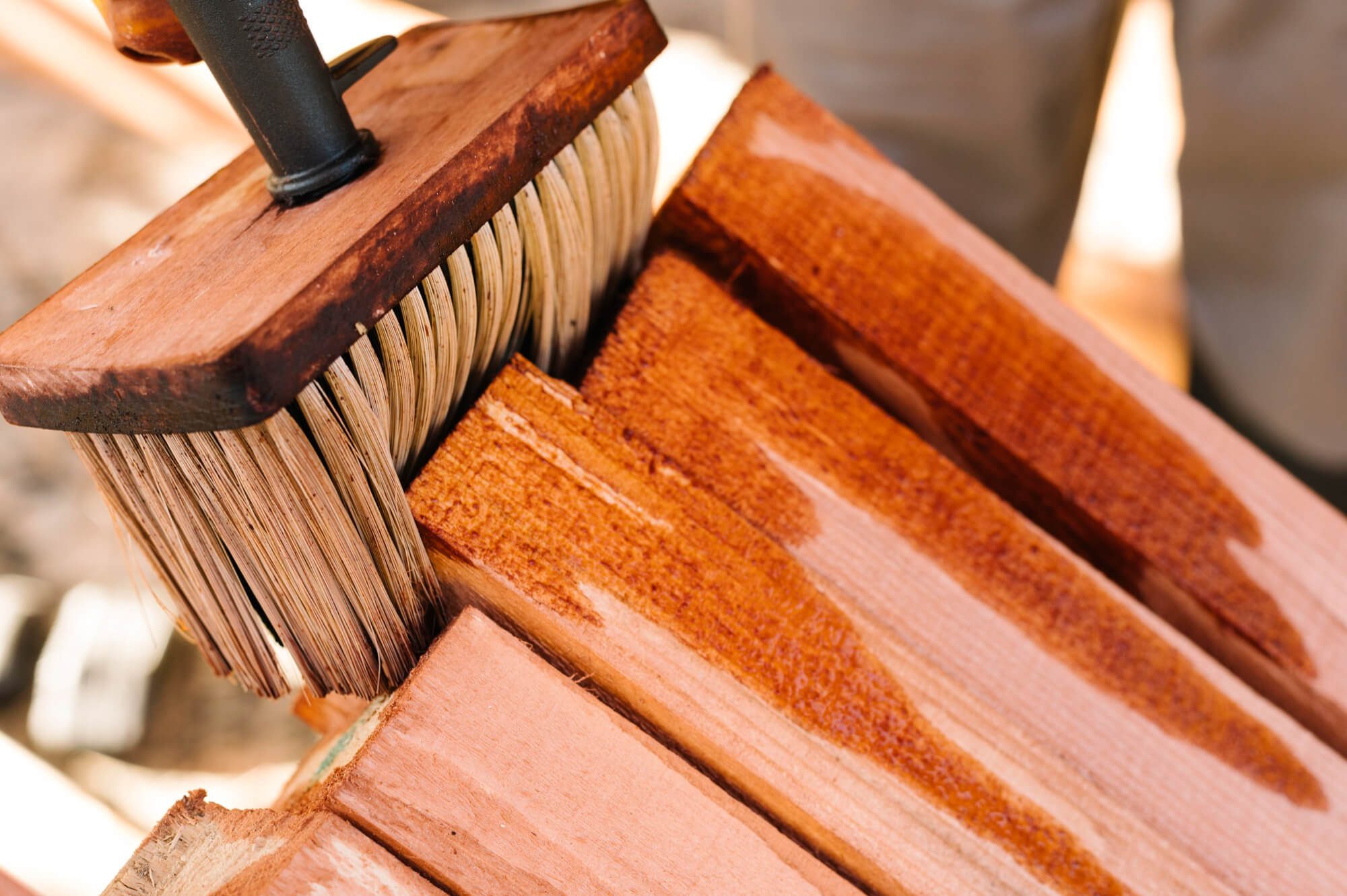
- Apply a thin coat with a clean cloth or brush, following the grain.
- Let it soak briefly, then wipe off excess. Teak should not look wet or glossy.
- Allow full cure time before use, especially before placing cushions back.
Important: oily rags can be a fire risk if bunched up. Follow the oil label for safe disposal instructions.
Sealing teak
A sealer can be useful if your outdoor setup deals with frequent rain, sprinkler overspray, messy meals, or tree droppings. Think of most teak sealers as a light, breathable shield, not a glossy coat. The key is to apply sealer to a clean, fully dry surface and keep up with light maintenance rather than letting it fail patchily.
- Clean and dry first.
- Apply evenly, following the product directions.
- Reapply on the schedule recommended for your climate and exposure.
If you love the silver patina, sealing is optional. If you want golden, sealing or oiling can help, but they are different looks and different commitments.
New teak vs old teak
If your teak is new
New teak often looks almost too perfect. If you want it to go silver, simply leave it alone, clean gently, and let the sun do the styling. If you want to keep it golden, start your oil or sealer routine early and stay consistent.
If your teak has been oiled before
If you want to transition to silver, stop oiling. Give it a thorough wash and expect a slightly awkward phase where the color looks uneven. Time evens it out. If the surface has built-up residue or stubborn blotchiness, a light sand can reset things.
Small details
- Cushions: lift them after rain. Even “outdoor” fabric hates staying damp.
- Hardware: check bolts and screws seasonally. A quick tighten prevents wobble that stresses joints.
- Feet: keep teak legs out of constant standing water. If your patio puddles, add glides or move pieces slightly.
Covers and seasons
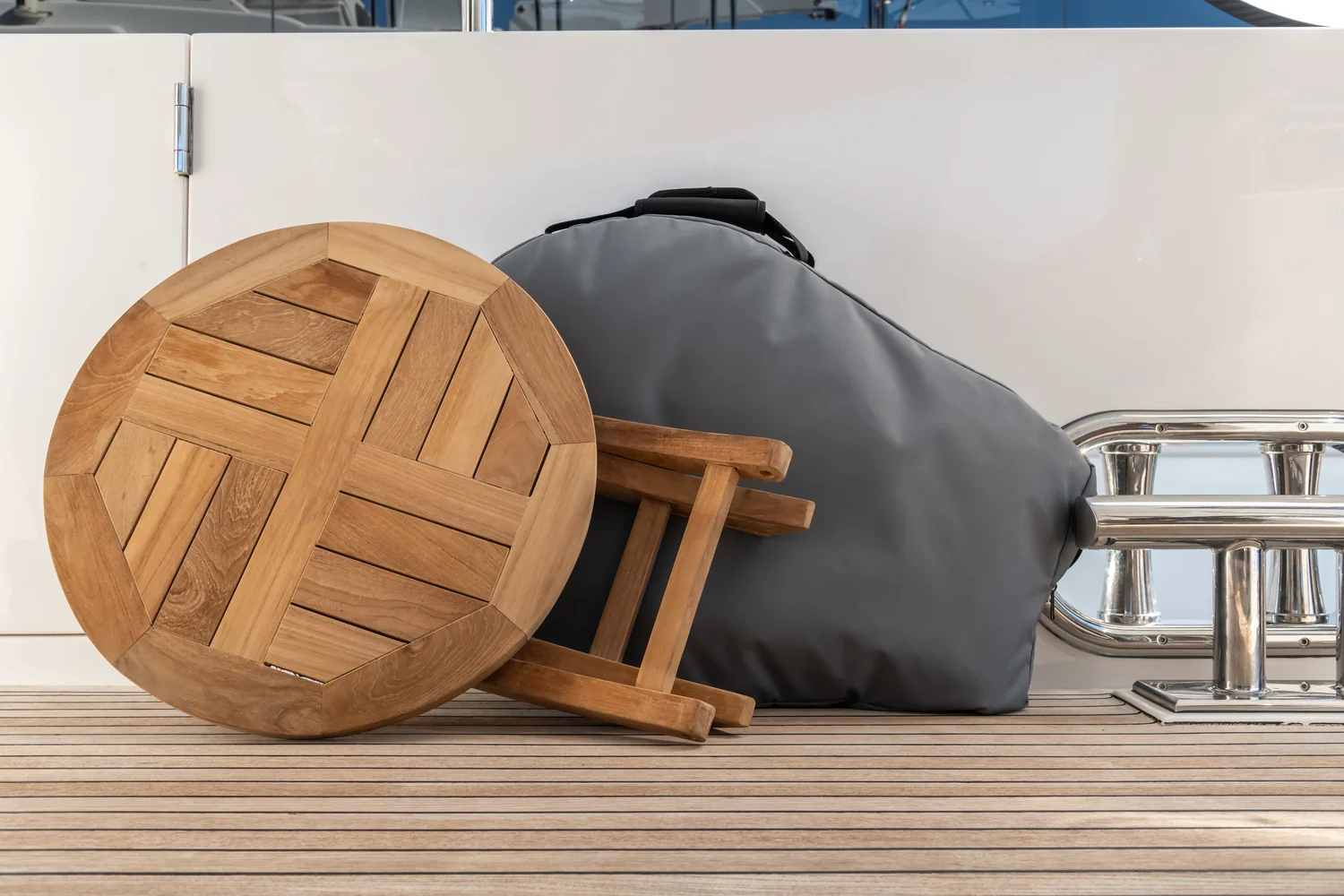
Covers are helpful. The trick is airflow. A perfectly sealed cocoon can turn into a humid greenhouse.
Cover basics
- Only cover furniture when it is dry.
- Choose breathable outdoor covers when possible.
- Leave a little gap at the bottom for air movement, especially in wet climates.
- After long rainy stretches, uncover on a clear day to let everything dry out.
- Avoid wrapping teak tightly in plastic tarps that trap condensation against the wood.
If you live somewhere with hard freezes, you can leave teak outside, but give it a little kindness: keep it out of pooled water, let it dry before covering, and consider storing cushions indoors so nothing sits damp and stiff all winter.
Quick fixes
- It looks blotchy: uneven weathering or uneven product application. Clean thoroughly and decide whether you are going silver (stop oiling) or staying golden (prep and reapply evenly).
- The surface feels fuzzy: too aggressive scrubbing or pressure washing can lift fibers. If it does not settle down after cleaning and drying, do a light sand with the grain using 180 to 220 grit. Go easy on edges and corners so you do not round them over.
- Black dots keep returning: improve airflow, reduce damp covering habits, and clean shaded areas more often. If metal contact is involved, remove the source.
- Gray streaks under a planter: use feet under pots, trays, or small risers to prevent trapped moisture.
FAQ
Do I have to oil teak outdoor furniture?
No. Teak can live outdoors unfinished. Oiling is an appearance choice, not a survival requirement.
How long does it take teak to turn silver?
Often within a few months of outdoor exposure, with the exact timing depending on sun, rain, and your climate. It can look uneven at first, then mellow into a more uniform patina.
Can I pressure wash teak?
It is risky. High pressure can gouge softer spring wood and leave a rough, furry surface. A soft brush and mild soap are the kinder route.
What is the easiest way to keep teak looking good?
Pick a look and stick to it. For silver, clean gently and let nature do the styling. For golden, clean, dry, apply a thin coat of oil or sealer as needed, and always wipe off excess.