Remove Furniture Dents From an Area Rug

Clara Townsend
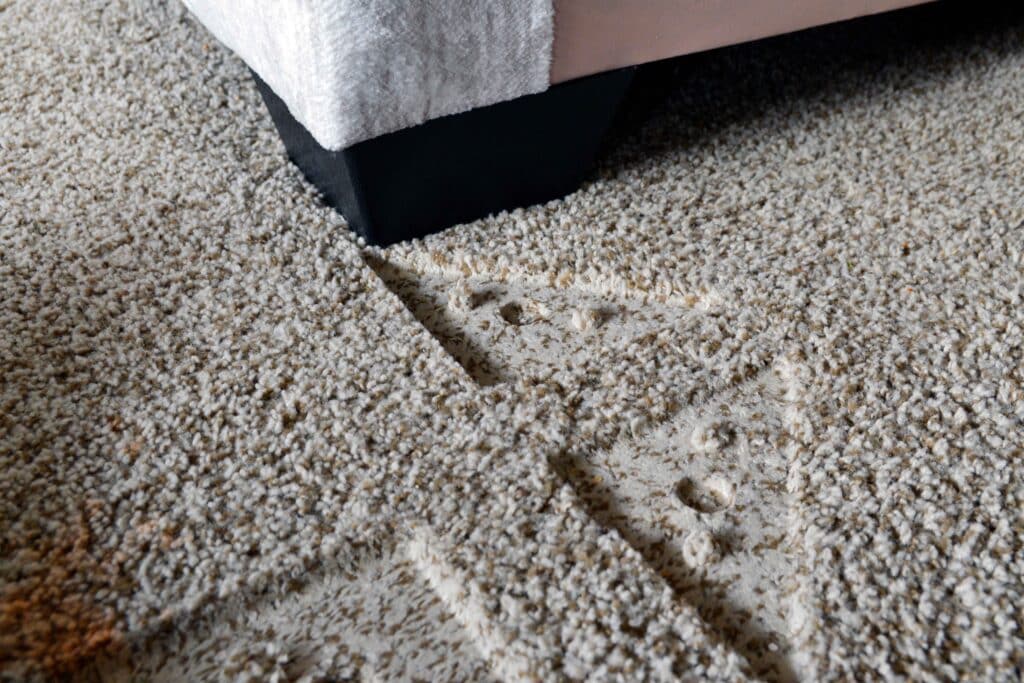
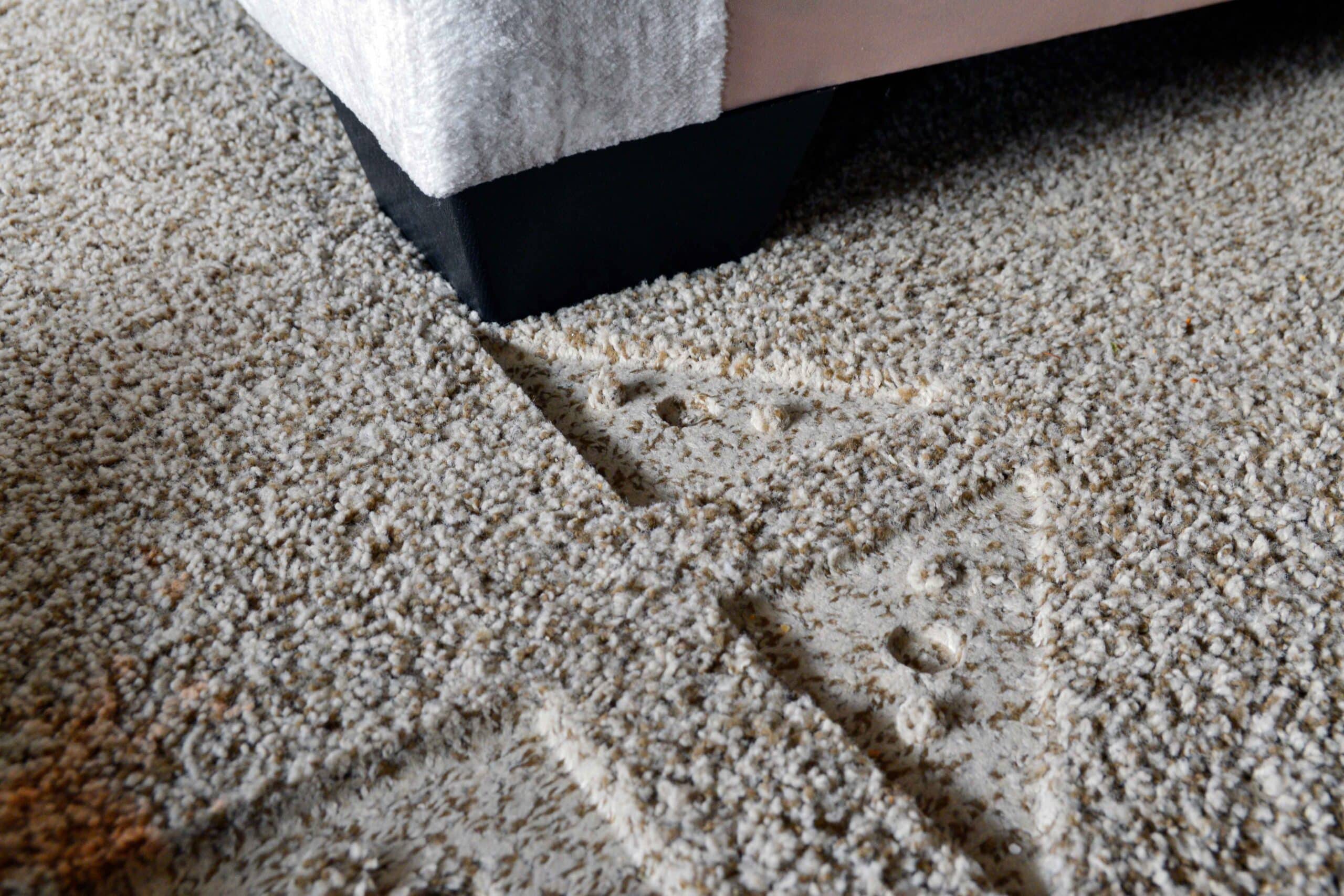
The first time I noticed four perfect little craters in a vintage wool rug of mine, I had an immediate, petty reaction: How dare my sofa leave footprints. The good news is that most furniture dents in an area rug are not permanent damage. They are compressed fibers that can usually be coaxed back upright with a little patience, the right kind of brushing, and just enough warmth to encourage the pile to relax.
The key difference between an area rug and wall-to-wall carpet is freedom. You can lift it, flip it, massage it from the back, and let gravity help you. That flexibility is your secret weapon.
One quick caution before you dive in: loop-pile (Berber-style) rugs, delicate fibers like viscose (often sold as “art silk”), and valuable antiques need a gentler touch. You can still improve dents, but you want to avoid aggressive tools, heavy moisture, and high heat.
Before you start: pile or pad?
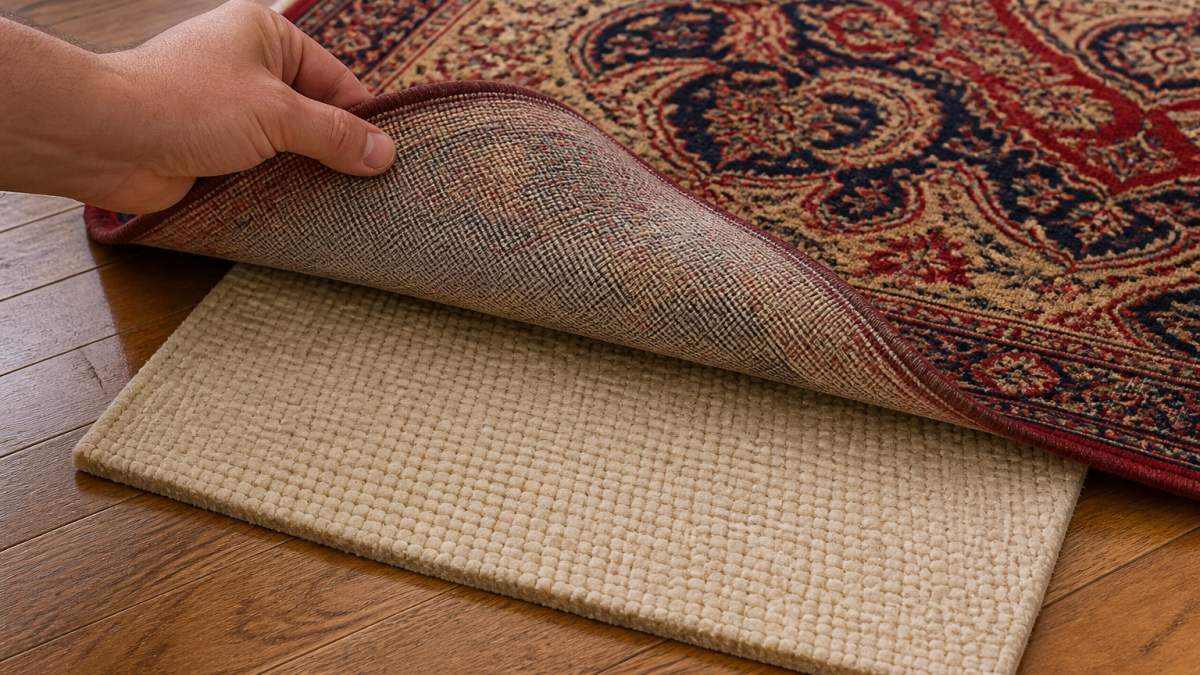
This matters because you can fluff pile all day, but if the rug pad is compressed into little “pucks,” the surface will still look dented.
Quick checks
- Run your hand over the dent. If it feels like a shallow bowl but still springy, it is usually the pile.
- Pinch and lift the rug at the dent. If the rug backing looks flat but the surface is low, it is mostly pile compression.
- Slide the rug aside and look at the pad. If the pad has matching depressions, the pad is contributing.
If the pad is dented: rotate or replace that section of pad if possible, or consider a denser pad. Thickness and density matter here, but dense felt (or felt and rubber blends) often resists furniture compression better than very squishy foam.
Do a quick spot test
Even a light mist can cause dye transfer on rugs with unstable dyes (hello, some vintage pieces). Before you spray anything, pick an inconspicuous corner and do this:
- Dampen a white towel or cloth so it is barely moist.
- Press it to the rug for 10 to 15 seconds.
- If you see color on the cloth, skip misting and stick to dry methods or call a professional rug cleaner.
Main method (rug-safe)
If you want the most rug-safe approach, start here. This is my go-to for everything from lower-pile wool rugs to everyday synthetics.
What you need
- A vacuum with suction-only setting, or a hose attachment
- Your fingertips (best) or a spoon or coin (use gently and avoid on loop-pile/Berber rugs)
- A clean spray bottle of water
- A soft brush (a clean nail brush works well) or a wide-tooth comb
- Two clean towels
Step-by-step
- Remove the weight and let the rug rest. Once the furniture is moved, give the rug 30 minutes to a few hours. Some dents improve all by themselves.
- Vacuum gently first. Use the hose or suction-only setting to remove grit. Dirt acts like sandpaper when you start brushing.
- Lightly mist the dent. You are not soaking the rug. You want the fibers slightly damp so they become flexible. If your earlier spot test showed any dye transfer, skip this step.
- Lift the pile. Use your fingertips first. If needed, use the edge of a spoon or coin to tease the fibers up. Work from the outside of the dent toward the center. Stop if you feel snagging.
- Brush to reset direction. Brush the pile upright in the direction it naturally lies. Short, patient strokes beat aggressive scrubbing.
- Blot and air-dry. Press a towel down firmly to pick up extra moisture. Then let the rug dry fully before putting furniture back.
Stylist note: If your rug has a visible nap (it looks lighter or darker depending on direction), brush with the nap when you finish so the repair blends in.
Work it from the back
Area rugs are wonderfully cooperative. If the dent is stubborn, work it from the underside too.
How to do it
- Slide the rug off the pad so you are not fighting the pad’s indentations.
- Flip just the dented area if the rug is large. You can fold it back like turning a page, as long as you do not crease it sharply.
- Massage the backing with your hands. Use your palms and fingertips to push the compressed area outward and up, like kneading dough.
- Flip back and brush the surface. A quick surface brush after back-massaging usually makes the biggest difference.
Tips by material
Different fibers respond differently to moisture, heat, and brushing. Use the right approach and you will get better results with less effort.
Wool rugs
Wool has natural bounce, which is why vintage wool rugs often recover beautifully. The caution is over-wetting and over-heating.
- Use minimal water. Mist, lift, brush, blot.
- Keep warmth gentle and indirect. If you use a hair dryer, use a cool or low setting and keep it moving. Do not aim heat at one spot, and avoid heating the backing or pad.
- Use a soft brush. Wool can fuzz if you get too aggressive.
Synthetic rugs (polypropylene, polyester, nylon)
Some synthetics, especially heat-set polypropylene and some polyesters, can spring back more slowly after heavy weight. The good news is they often tolerate a bit more handling.
- Try the back-massage method. It is particularly helpful on polypropylene.
- Use a slightly firmer brush if needed on low, dense pile, but stop if you see snagging or fraying.
- Use warmth carefully. Keep airflow moving, use low heat, and test a small area first. Too much heat can distort heat-sensitive fibers or soften some backings.
Shag and high-pile rugs
Shag dents look dramatic because the fibers are long, but the fix is often simpler: detangle, then lift.
- Use a wide-tooth comb or your fingers first to separate clumped strands.
- Mist lightly, then scrunch. Gently scrunch the pile in your hands to reintroduce loft.
- Skip aggressive vacuuming right away. Vacuuming can pull at long fibers if they are still damp or tangled. Let it dry, then vacuum lightly.
Viscose and “art silk” rugs
Viscose (also labeled bamboo silk, rayon, or art silk) can be famously fussy. Water can leave marks, change sheen, or turn the pile grayish, and dents can become more noticeable if you rough it up.
- Start dry. Try rest time, gentle finger-lifting, and very light brushing with the nap.
- Avoid misting unless you know the rug tolerates it. If you are unsure, treat dents as a professional-cleaner situation.
- Skip heat. Keep it simple and gentle.
For stubborn dents
Sometimes a leg has been parked in the same spot for years, and the fibers need more time and repetition.
Gentle reset routine
- Repeat the mist and brush cycle once a day for 2 to 3 days, letting the rug dry completely between rounds.
- Rotate the rug after you fix it, if your layout allows. Changing traffic and pressure points helps the whole rug wear more evenly.
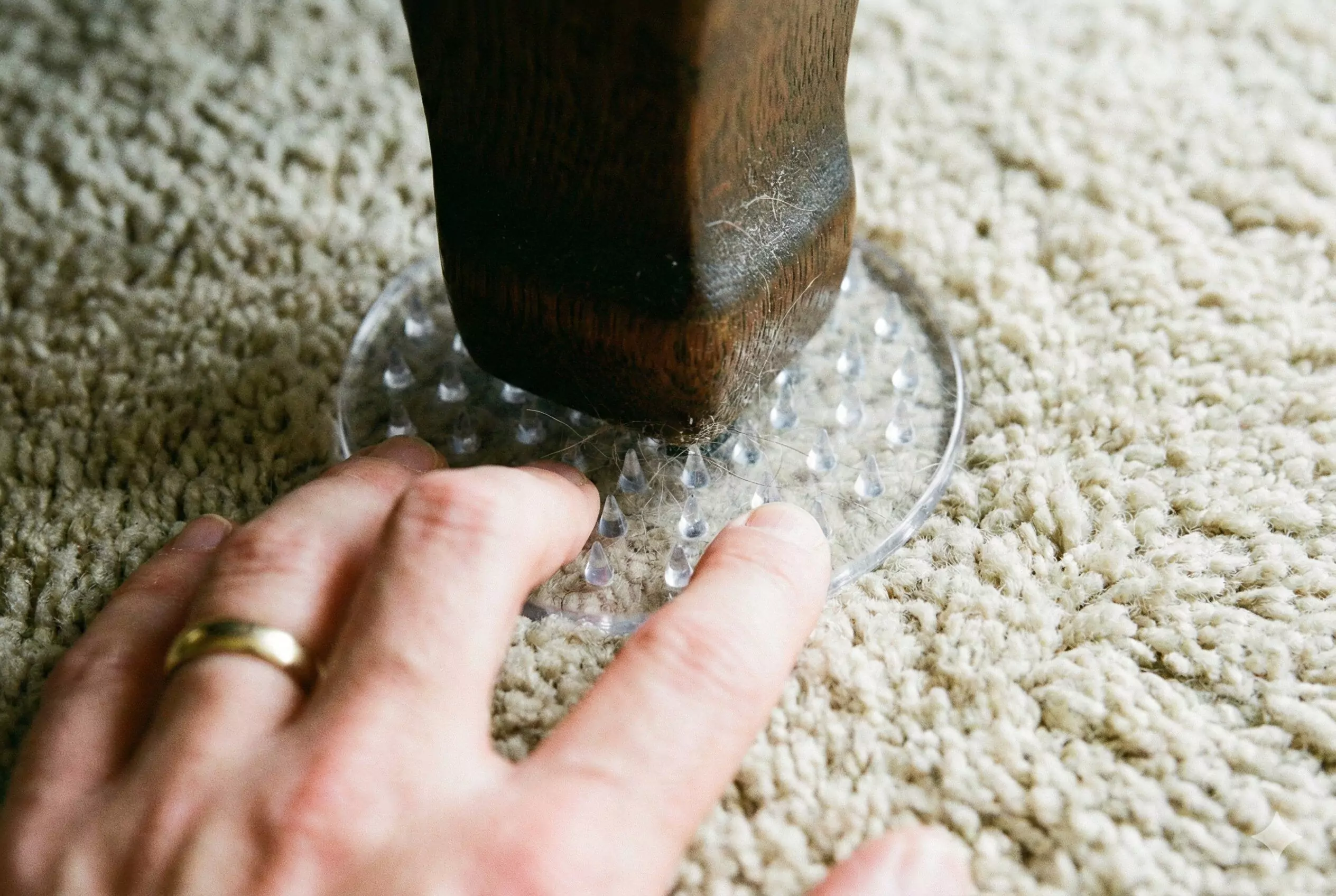
- Check the furniture feet. Very narrow legs concentrate weight. A wider felt pad or furniture coasters can prevent future craters.
I also like the simple trick of moving the sofa forward or back by an inch when you put it back. Even that tiny change prevents the same fibers from being crushed in the same circle forever.
What to avoid
A few popular methods are designed for installed carpet or are just too risky for certain rug constructions.
- Do not saturate the rug. Too much water can swell fibers, stress the backing, or cause dye bleed, especially in wool, viscose, and vintage rugs.
- Avoid harsh scraping tools. Anything sharp can snag loops and permanently alter the surface. Be extra cautious on loop-pile rugs.
- Be careful with direct high heat. It can scorch wool and can warp or melt some synthetics. Heat can also soften adhesives or affect some backings and pads.
- Do not try to “iron it out.” Even with a towel barrier, a hot iron can flatten pile, set stains, or damage fibers fast.
If you have a valuable antique, a hand-knotted rug, a viscose rug, or anything with unstable dyes, keep things extra conservative and consider calling a professional rug cleaner for advice.
FAQ
How long does it take for rug dents to come out?
Light dents can improve in an hour. Deeper dents can take a few days of repeating a gentle lift-and-brush routine. If a dent has been there for years, you may get improvement rather than perfection, and that is still a win.
Why do my dents come back after I fix them?
Usually because the pad is compressed, the furniture feet are very narrow, or the rug pile is being crushed again in the exact same spot. Address the pad and use wider furniture pads or coasters.
Can I fix dents without moving the furniture?
Not really. You need the weight off the fibers to let them lift. If moving a heavy bed is difficult, lift one corner at a time and slide a folded towel under the leg temporarily, then work on that dent and move to the next.
Keep dents from coming back
- Use wide, grippy furniture pads under sofa and bed legs.
- Choose the right rug pad density for heavy pieces. Dense felt often holds up well.
- Shift heavy furniture slightly every few months, even by half an inch.
- Rotate the rug seasonally if your room allows.
A rug is meant to be lived on. I think of pile dents the way I think of linen wrinkles: a sign of real life. But if you want your rug to look freshly fluffed and boutique-hotel level smooth, these steps will get you there without turning your living room into a science experiment.