Red Wine Stain on a Mattress
Gust
A little flutter. A cozier corner.
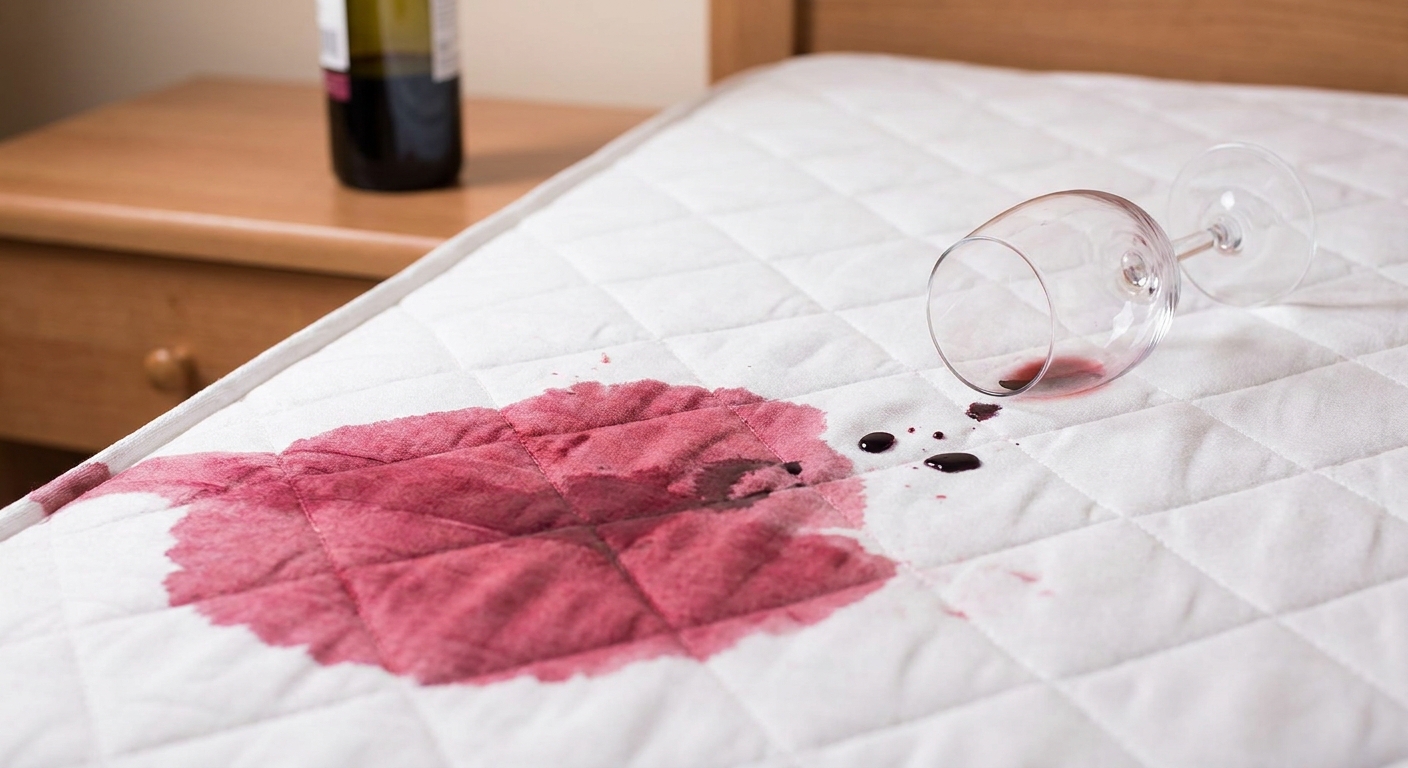
And then: the unmistakable splash of red wine on the bed, spreading like it owns the place. Breathe. A mattress is not a sofa cushion you can unzip and rinse in the sink. The goal here is stain lift with as little liquid as possible, followed by fast, thorough drying so nothing funky sets up shop inside the layers.
First, stop the spread
What to do in the first 2 minutes
- Strip the bed immediately. Pull off sheets, blanket, and especially the mattress protector if you have one. Set them aside for laundering.
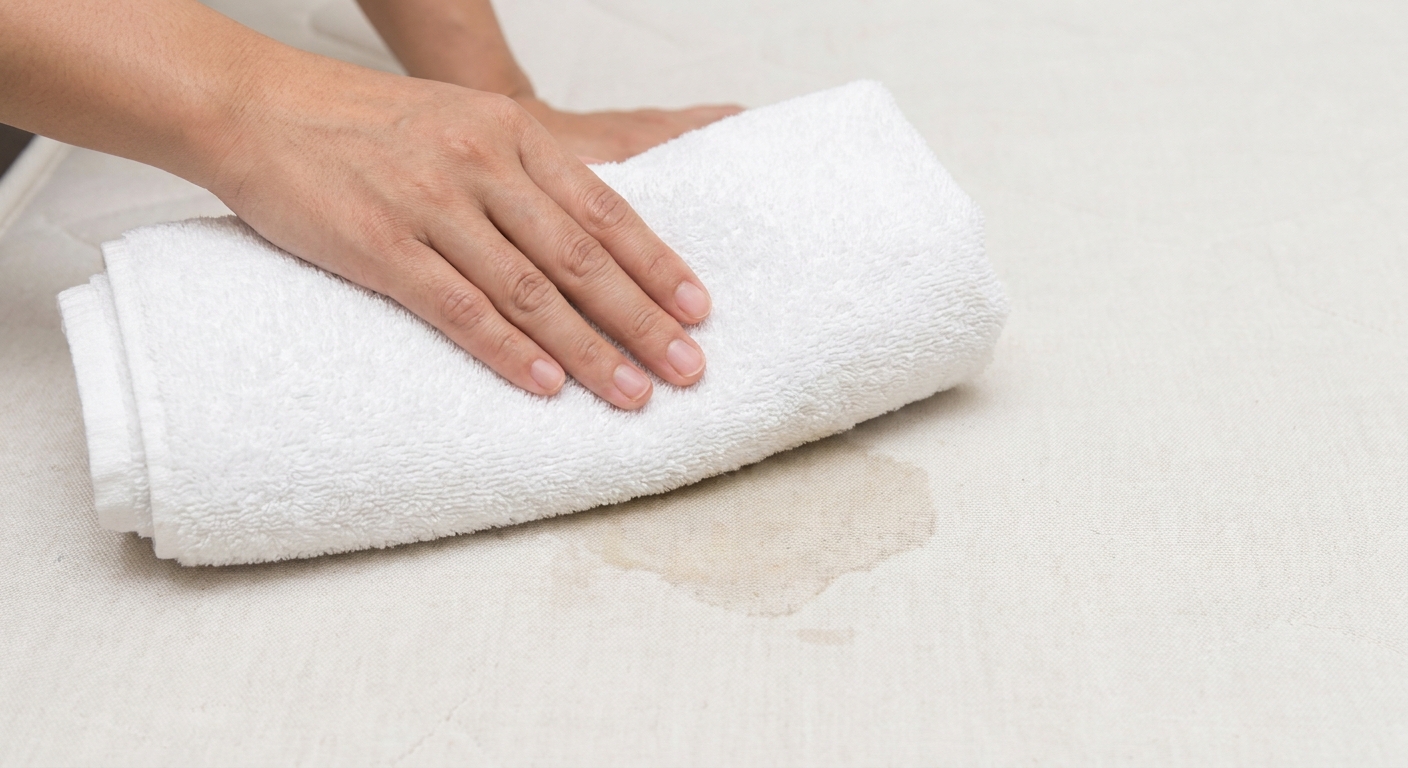
- Blot, do not rub. Use clean, dry white cloths or paper towels. Press straight down, lift, move to a clean area, repeat.
- Work from the outside in. This keeps the stain from growing into a bigger halo.
- Switch towels often. When your towel turns pink, it is time for a fresh one.
If wine is still pooling on top, lay a folded towel over the spot and press firmly with your hands or forearms to transfer more liquid up and out. Keep it brief. The point is absorption, not forcing liquid deeper.
Quick safety check: If you use a heated mattress pad, a powered base, or anything electrical nearby, unplug it and keep liquids away from cords and connections. Let everything dry completely before plugging anything back in.
Know what you are cleaning
A mattress usually has a fabric ticking on top, then padding, then foam or coils. Foam acts like a sponge, and once liquid gets deep, drying becomes slow and mildew risk goes up.
So instead of drenching the stain with a big, wet cleaning session, think in light mists and firm blotting.
If you still have the tag or care booklet, it is worth a quick glance. Some mattress covers and finishes have specific restrictions, and you do not want to accidentally void a warranty over a cleaning experiment.
Low-moisture stain lift
This approach is designed for pigment-heavy stains like red wine, while keeping the wet stuff on a short leash.
Supplies
- Clean white cloths or paper towels
- Spray bottle
- Cool water
- Clear dish soap (a few drops)
- White vinegar or 3% hydrogen peroxide (choose based on mattress color)
- Baking soda (optional but helpful)
- Fan and, if possible, a hair dryer on cool
Step 1: Blot again
Even if you already blotted, do one more pass with a dry cloth. Every bit of liquid you lift now is less you have to manage later.
Step 2: Make a gentle soap mist
In a spray bottle, combine:
- 1 cup cool water
- 1 to 2 drops clear dish soap
Mist the stained area lightly. You are not trying to soak it. You are giving the stain just enough slip to move.
Blot firmly with a clean cloth. Repeat mist then blot until the cloth stops picking up much color.
Step 3: Use one color lifter
Red wine is a pigment and tannin situation. Choose one of these options, not both.
- White vinegar solution: Mix 1 part white vinegar with 2 parts cool water. Lightly mist, wait 1 to 2 minutes, then blot.
- 3% hydrogen peroxide: Use very sparingly, wait about 1 minute, then blot. Test a hidden spot first. Peroxide can lighten fabric and react unpredictably with some finishes.
Important: Never mix peroxide with other cleaners. If your mattress ticking is colored or patterned, the vinegar solution is usually the safer first choice.
Step 4: Rinse without flooding
Once you see improvement, mist plain cool water very lightly and blot to remove residue. Keep going until the area smells clean and you are not pulling up suds. Soap left behind can attract dirt later, but this still needs to be a whisper of water, not a rainstorm.
If the wine dried
Dried wine can look like a bruise on the mattress surface. Do not pour water on it to “re-wet” the stain. Instead:
- Mist with the soap solution until the surface is slightly damp.
- Let it sit for 3 to 5 minutes.
- Blot firmly.
- Follow with the vinegar solution (or peroxide if appropriate) and blot again.
Expect to do more rounds. Dried pigment is stubborn, but patience beats soaking.
Deodorize with less moisture
Even after the color lifts, wine can leave a fermented odor note, especially if it got past the fabric layer.
Baking soda method
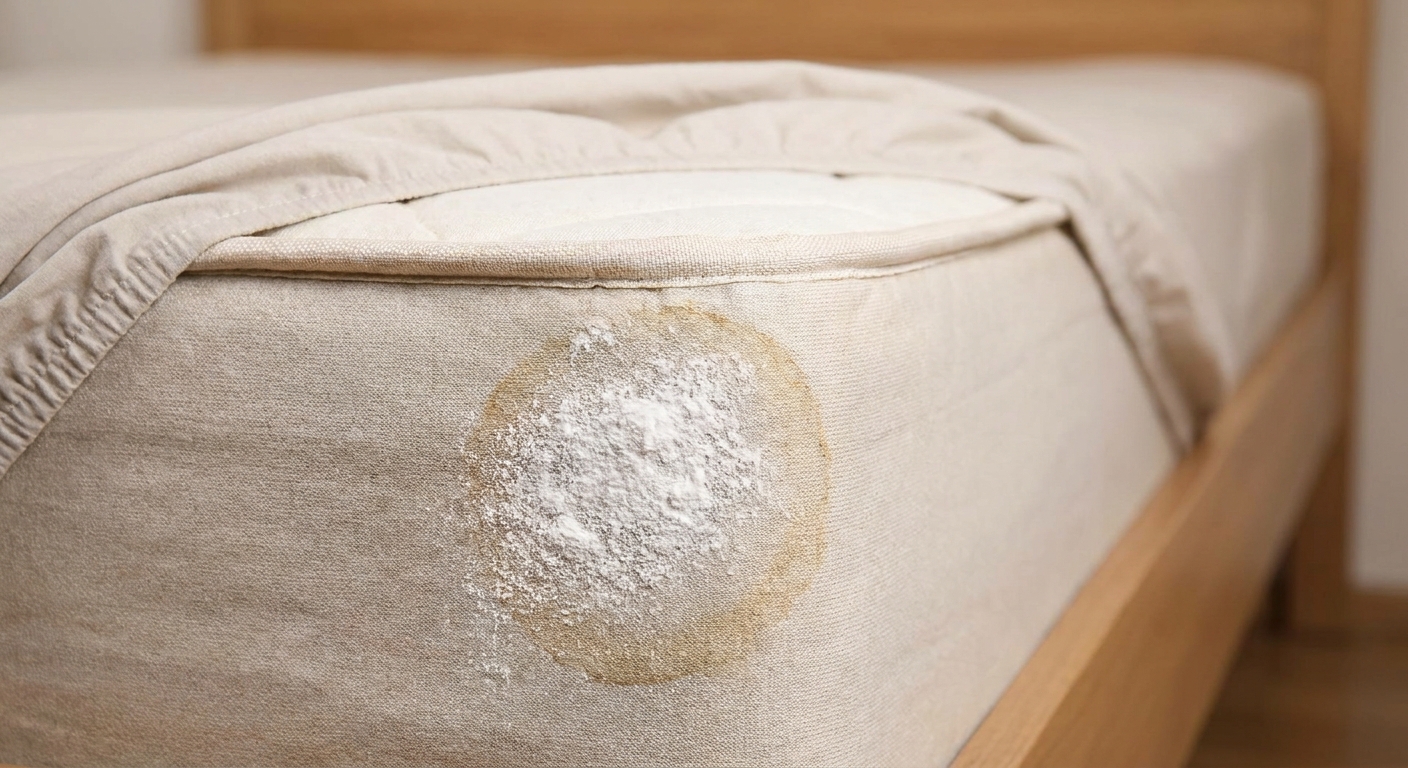
- When the area is only slightly damp (not wet), sprinkle a generous layer of baking soda over the spot.
- Let it sit for at least 4 hours, or overnight if you can.
- Vacuum thoroughly using an upholstery attachment.
Drying is the key step
A mattress that stays damp inside is where mildew and lingering odor begin their little side hustle. Drying needs airflow, time, and a bit of strategy.
Fast drying checklist
- Press out moisture: Put a dry towel over the area and press down firmly to wick out as much dampness as possible.
- Use a fan: Aim it directly at the spot for several hours.
- Open the room: If weather allows, crack a window or run a dehumidifier.
- Use a hair dryer carefully: Cool or neutral air is safest. High heat can stress foams, adhesives, and some fabrics, and it is rarely necessary.
- Do not remake the bed too soon: Trapping humidity under sheets is how mustiness starts.
If you can, lift the mattress slightly or lean it so air can reach more sides of the damp area. More airflow equals less worry.
Wash the protector and bedding
If the spill hit a protector, you have already won a small domestic victory.
Protector laundering tips
- Check the care label first.
- Wash in cool or warm water, depending on the label, with regular detergent.
- Avoid fabric softener on many waterproof protectors because it can reduce water resistance.
- Air dry or tumble dry low only, again depending on the label.
For sheets and duvet covers, treat any wine spots before washing by blotting with cool water and a small amount of detergent, then laundering normally.
Things to avoid
- No soaking. A mattress is thick and slow to dry, and trapped moisture is mildew-friendly.
- Be cautious with steamers. DIY steam cleaning adds a lot of moisture and can push liquid deeper. Professionals may use controlled extraction and drying, but at home it is easy to overdo it.
- No aggressive scrubbing. It can rough up the ticking and spread pigment.
- No hot water. Heat can make some stains harder to shift and can also stress certain foams and finishes. If your drink included dairy, egg, or sugary mixers, heat can make the residue more stubborn.
- No bleach. It can damage fibers and leave a larger pale patch than the original stain.
- No “miracle” mixtures dumped on top. The best cleaning is controlled cleaning.
When to call for help
Sometimes wine is not the only guest at the party. Consider professional help if:
- The spill was large and soaked deeply, especially on a foam mattress.
- You notice a persistent sour or musty smell after thorough drying.
- The stain spread through to the underside or pooled near seams.
If the mattress is older and the stain is big, replacing it might be the more restful choice, especially if moisture got deep and you cannot dry it quickly.
Quick FAQ
Can I use club soda on a mattress?
You can, but treat it like any other liquid: use very little and blot thoroughly. The carbonation is not magic. The blotting is.
Will hydrogen peroxide remove red wine from a mattress?
It can help lift pigment, but it may lighten colored or patterned ticking and may not play nicely with every finish. Use it sparingly, test first, never mix it with other cleaners, and blot quickly. When in doubt, use the vinegar solution instead.
How do I keep the spot from smelling later?
Remove as much wine as possible, avoid over-wetting, then dry fast with a fan. Once only slightly damp, use baking soda and vacuum it up after several hours.
What if the stain comes back after drying?
That is usually wicking from deeper layers. Repeat a low-moisture round: light mist, firm blot, then dry aggressively again.
A final little breeze
Red wine feels dramatic because it is dark, fast, and confident. Your counter move is calmer: blot, lift pigment with minimal moisture, and dry like you mean it. If you can keep liquid out of the foam, you can usually keep the story of the spill from sticking around.