Musty or Moldy Wall Behind a Fabric Headboard

Clara Townsend
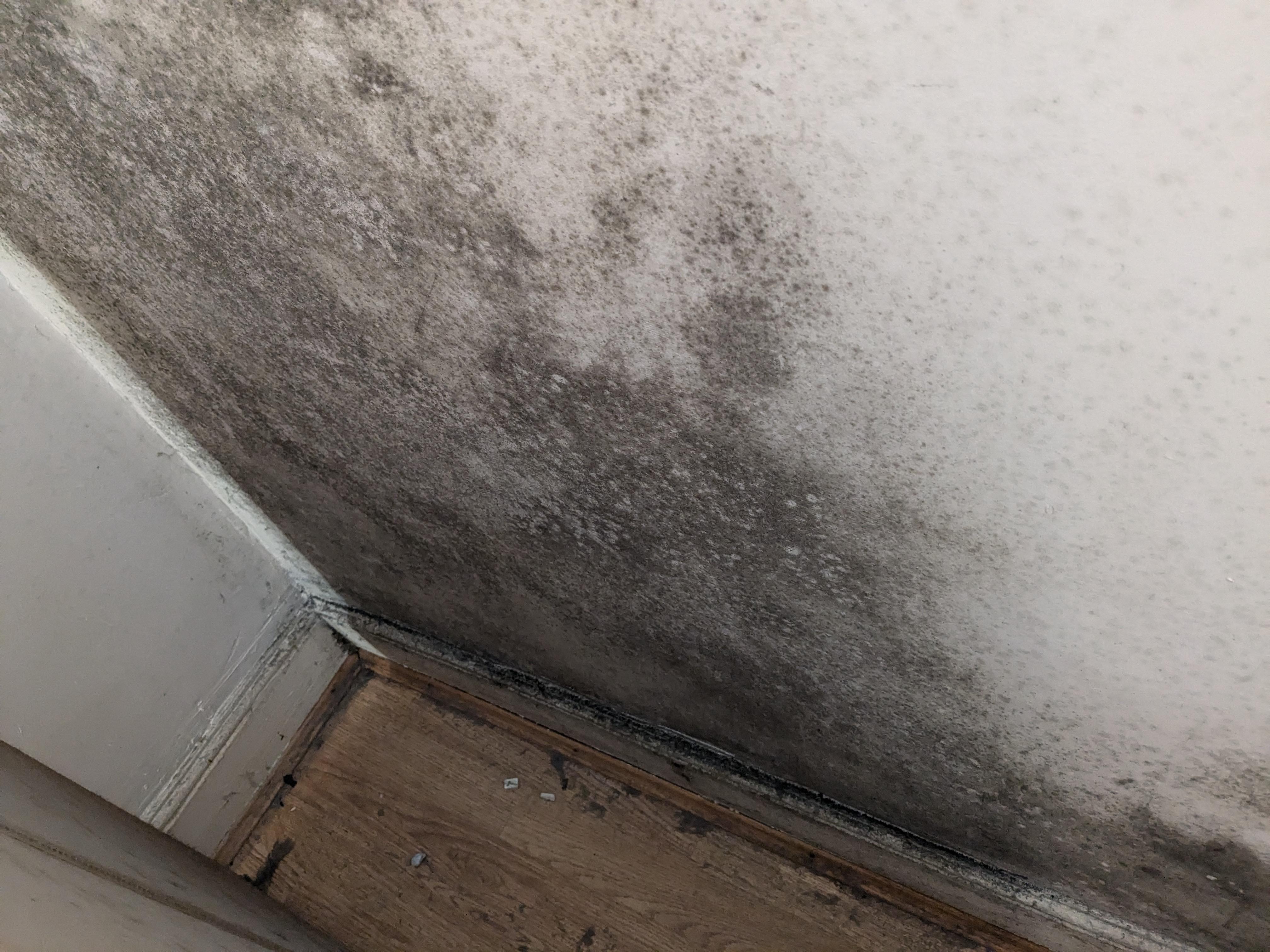
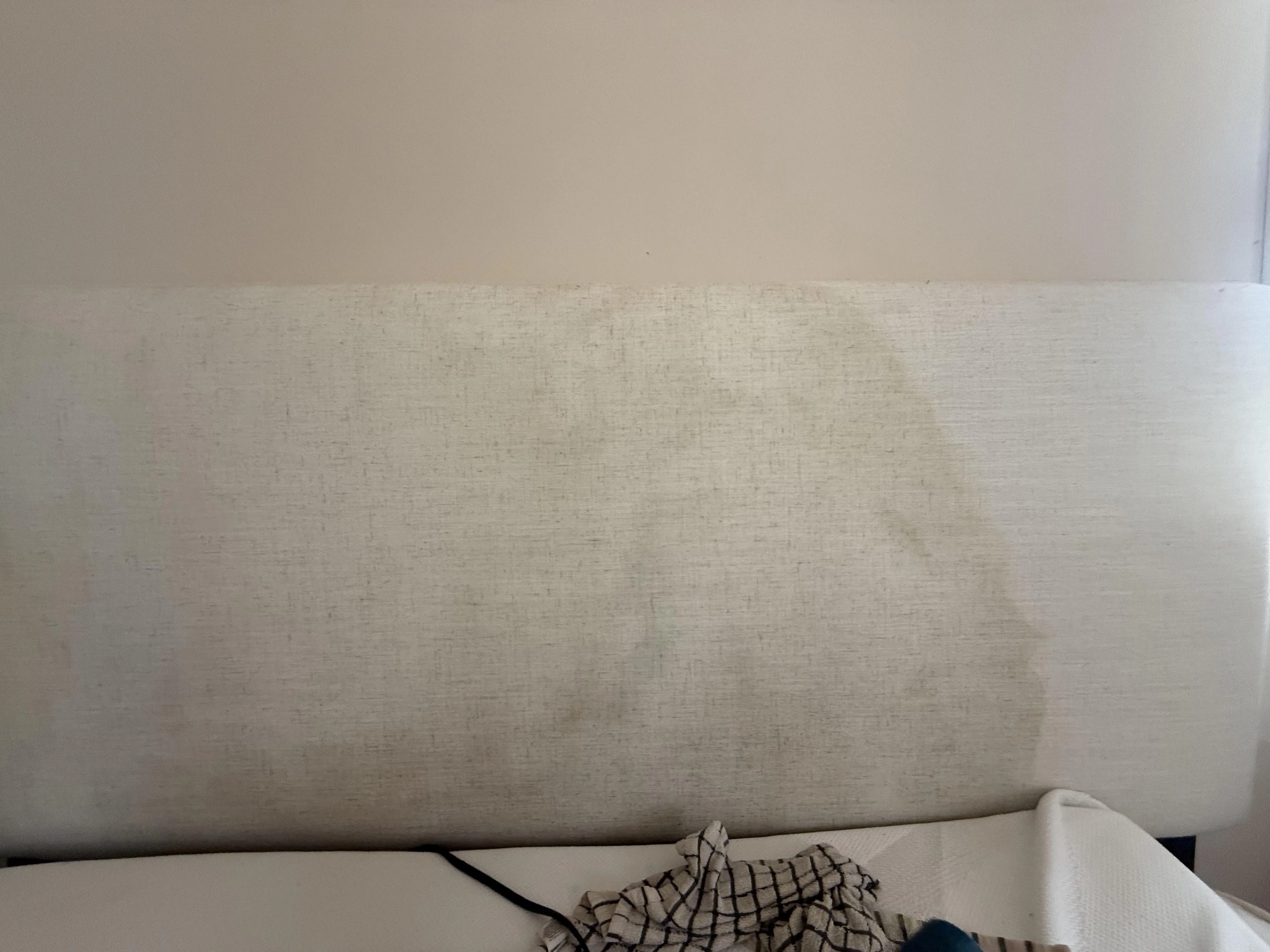
The first time I pulled a bed away from an exterior wall in a drafty apartment, I expected the usual lost socks and dust bunnies. I did not expect a ghostly outline where the headboard had been, plus that unmistakable musty smell that says “something has been damp for too long.” If you are staring at a darker patch of plaster, bubbling paint, or actual fuzzy spots behind your fabric headboard, take a breath. This is fixable, but it is also something you want to handle thoughtfully because fabric panels love to hold onto moisture and odors.
This is my step-by-step approach: protect your health first, figure out whether you are dealing with condensation or a true leak, document it like a pro (especially if you rent), and only bring the headboard back when the wall is genuinely dry.
First, a quick safety check
You do not need to panic, but you do need to respect mold and persistent damp. Before you scrub anything, do a fast assessment.
Pause and step back if any of these are true
- The affected area is large (roughly 10 square feet or more, about 1 square meter). If you prefer a visual, think a big section of wall, not just a small cluster of spots.
- You see heavy, fuzzy growth or the wall feels soft, crumbly, or swollen.
- Anyone in the home has asthma, immune issues, or severe allergies, or you have babies in the room.
- You suspect sewage (very unpleasant odor, staining that looks brownish, damp near plumbing walls).
In those situations, your best move is to keep the bed pulled away, increase ventilation, and get a professional assessment through your landlord, building management, or a remediation company.
Basic protective steps for small, surface-level spots
- Open windows if weather allows. If you can, use a window fan to exhaust air outdoors.
- Wear gloves and a N95/FFP2 (or better) mask if you are cleaning visible spots. Eye protection is a smart add-on, since wiping can splash.
- Keep pets and kids out of the room while you assess and clean.
- Do not dry-brush mold. That can send spores into the air.
- If you use a fan, do not aim it directly at visible mold. You want airflow through the room or out the window, not a blast across the spots.
Condensation or leak? Look for clues
The pattern behind a headboard often points to one of two culprits: a cold exterior wall collecting condensation, or water coming from somewhere it should not (roof, plumbing, window, or exterior envelope).
Signs it is a cold wall and condensation
- The damp area matches the headboard shape or sits directly behind it, almost like a shadow.
- It is worse in winter or during humid spells, and better in dry seasons.
- The wall feels colder than interior walls.
- No obvious water trail from above, no ceiling stains, and no plumbing on the other side.
- Musty odor without active dripping, plus mild speckling that looks like peppery dots.
What happens here is simple: warm room air hits a colder surface, moisture condenses, and the headboard blocks airflow so it never dries. Fabric plus trapped humidity is basically a spa day for mildew.
Signs it might be a leak or water intrusion
- Water staining that travels downward from a higher point, or spreads beyond the headboard outline.
- Bubbling paint, blistering, crumbling plaster, or a soft spot you can gently press (do not poke hard).
- It gets worse after rain (think window wall, chimney, roofline) or after someone showers or runs water (plumbing wall).
- A recurring wet feel even when the room is well-ventilated.
- A stained baseboard or damp carpet near the wall.
If you suspect a leak, do not spend your energy making it pretty yet. The moisture source has to be addressed first, or it will come back.
What to do right away
Whether you own or rent, the first steps are the same: remove what is trapping moisture, let the area breathe, and capture the evidence before you clean.
- Pull the bed out at least 6 to 12 inches from the wall.
- Remove the fabric headboard or upholstered panel from the wall entirely.
- Check the back of the headboard. Smell it. Look for speckling, staining, or dampness on the fabric and any foam.
- Get airflow going: open windows, run a fan, and if you have one, run a dehumidifier.
- Do not paint over it and do not bleach-scrub everything before you document if you rent.
If you rent: document it well
I know it feels dramatic, but good documentation protects you. You want to show what happened, where it happened, and clues that suggest the cause.
Take these photos
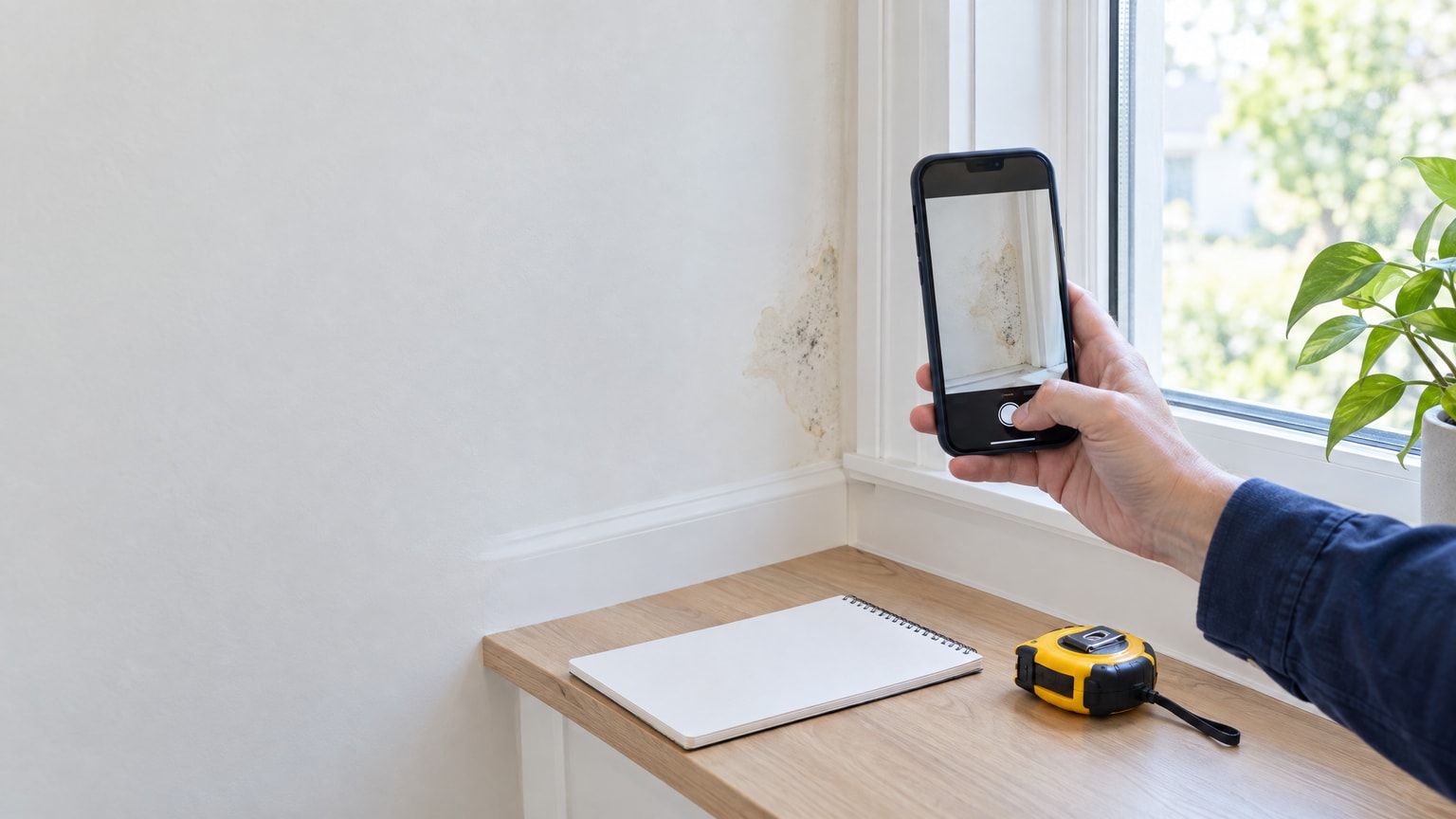
- Wide shot of the whole wall with the bed pulled away, so the location is obvious.
- Mid-range shot showing the damp outline relative to the bed and baseboards.
- Close-ups of any mold spots, bubbling paint, crumbling plaster, or staining.
- Angle shot that shows texture changes like blistering or warping.
- Baseboard and floor where the wall meets the floor, especially if there is swelling or staining.
- Window area if the wall is under or beside a window, including the corners and sill.
- Ceiling line above the area if there is any chance water is coming from above.
- Back of the fabric headboard, including any staining, spotting, or visible dampness.
Optional but helpful
- A photo of a hygrometer reading (humidity in the room). High humidity supports the condensation story.
- A photo of an outdoor temperature plus indoor humidity if condensation is suspected.
When you message your landlord or property manager, keep it factual: when you found it, what you observed (odor, dampness, visible mold), and that the bed has been pulled away for ventilation. Ask for next steps and timeline. Keep everything in writing.
How long to leave the headboard off
This is the part people rush because bedrooms feel unfinished without the headboard, and I understand. But putting it back too soon recreates the same trapped-air situation that caused the problem.
My baseline rule
Leave the headboard off until the wall is dry to the touch and stays dry for several days. For minor condensation issues, that is often 3 to 7 days with good airflow and dehumidifying. For leaks or soaked plaster, it can be weeks depending on how wet things got, how thick the material is, and how dry your indoor air is.
What “dry enough” actually means
- No cool, clammy feel on the wall surface.
- No musty odor when you press your nose near the area (yes, really).
- No new discoloration spreading outward.
- Paint is not continuing to bubble or lift.
If you have access to a moisture meter, that is even better, but you can still make a smart call using touch, smell, and time.
When the headboard should stay out
This is the biggest mistake I see: the wall gets attention, but the upholstered panel quietly becomes a spongy, musty reservoir that reintroduces odor later.
Keep the headboard out of the bedroom if
- The back of it feels damp or even slightly cool and moist.
- You see spotting on the fabric, batting, wood frame, or foam.
- It smells musty even after the wall is aired out.
- The foam got wet. Foam holds water deep inside and dries slowly.
- There was active leaking or significant water staining on the wall.
Place it in a dry, well-ventilated area like a garage with the door cracked (if climate allows), a covered patio on a dry day, or a large room where you can run a fan and dehumidifier. Stand it upright so air hits both sides.
If the headboard is heavily moldy or the foam is saturated and sour-smelling, replacement is often the healthier choice. Upholstery can be refreshed, but you cannot “style” your way out of contaminated foam.

Drying the wall without making it worse
Your goal is to remove moisture, not just cover the evidence.
- Increase airflow: fan plus open door, and open window if outdoor air is drier. If you can exhaust air outdoors, even better.
- Run a dehumidifier if you have one, especially in humid climates or basement units.
- Warm the room gently if the wall is cold, but avoid blasting heat directly at peeling paint.
- Do not push furniture back tight to the wall yet. Air gap is your friend.
If you see small surface mold on painted drywall or plaster
If you are the homeowner, or your landlord approves you cleaning minor surface spotting, you can wipe it carefully using a mild detergent solution or a mold cleaner per label instructions. Work gently, wipe, and dispose of cloths or paper towels in a sealed bag. Avoid soaking the wall.
A quick reality check: drywall and other porous materials can be contaminated under the surface, especially if you keep seeing spotting return. If mold keeps reappearing on drywall (or it feels soft), it often needs to be opened up, removed, and replaced rather than wiped again and again.
If paint is blistering or the plaster is soft, cleaning the surface will not solve what is underneath. That is a repair job.
Preventing a repeat
Once everything is dry and repaired, prevention is about breaking that trapped-air cycle.
Humidity matters
If you can, aim to keep indoor relative humidity around 30 to 50 percent. When a bedroom sits above 60 percent for long stretches, mold risk climbs and cold-wall condensation gets much easier to trigger.
Simple layout tweaks that work
- Leave a gap: aim for 2 to 4 inches between headboard and wall, more if the wall runs cold.
- Avoid sealing the wall with a full fabric panel on an exterior wall in a humid room unless you can keep humidity controlled.
- Choose a slatted or open-frame headboard if condensation is a recurring issue.
- Use a dehumidifier seasonally if your bedroom regularly sits above comfortable humidity levels.
Soft upgrades that help
- Linen or cotton bedding that breathes well.
- A washable cover on a DIY headboard panel, so fabric can be removed and cleaned separately.
- Wall-friendly spacing bumpers or felt pads that keep airflow behind the headboard.
When to call in help
Some situations are beyond a DIY clean-and-dry, and getting help sooner can save you time and money later.
- Large affected areas (around 10 square feet or more), or rapid spreading.
- Recurring mold even after you improve ventilation and manage humidity.
- Spreading stains or moisture that returns after rain or water use.
- Soft drywall or crumbling plaster.
- Strong musty odor that will not fade after sustained drying and dehumidifying.
- Mold that seems to be coming from behind baseboards or under flooring.
That is when you want a qualified contractor, building maintenance, or a remediation professional to identify the moisture source and confirm the assembly is dry.
Quick FAQ
Is it normal to get mold behind a headboard?
It is common, especially with upholstered panels on cold exterior walls. “Common” does not mean “fine.” It is a sign the area is not drying out between humidity cycles.
Should I throw out the headboard if there is mold behind it?
Not always. If the headboard is dry, has no visible mold, and does not smell musty, it may be fine after airing out. If the fabric or foam is damp, spotted, or smells sour and persistent, keep it out of the room until fully dry, and consider replacement if odor or staining remains.
Can I just paint over the outline once it dries?
Only after the moisture issue is fixed. Painting too soon traps moisture and can cause peeling and repeat mold. If you rent, document first and follow your landlord’s process.
How long should I wait before putting the bed back?
For mild condensation: after the wall stays dry for several days and the room humidity is under control. For leaks: only after repairs are completed and the wall assembly is confirmed dry.