Bathroom Plant Leaves Turning Yellow and Soft

Clara Townsend
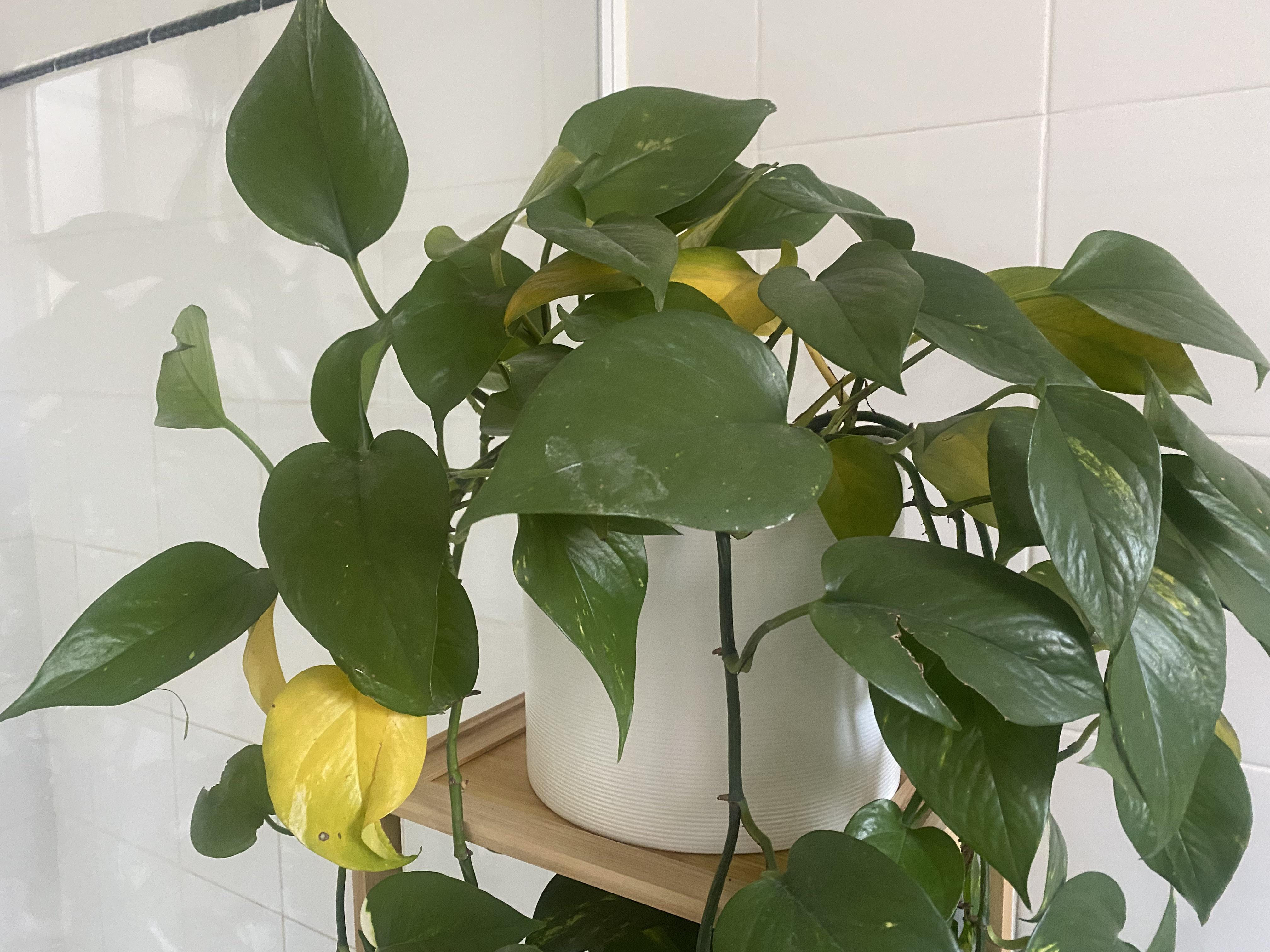
There is a particular kind of heartbreak reserved for bathroom plants. You set them in that flattering, steamy glow, the tiles feel spa-like, and the whole room suddenly looks like it belongs in a boutique hotel. Then one day you notice it: leaves turning yellow, soft to the touch, and slumping as if the plant has simply given up.
Humidity is comforting, yes. But in a dim bathroom, humidity plus constant moisture can also create the perfect conditions for roots that cannot breathe. Yellow and soft often means we need to talk about what is happening down in the pot, not just what is happening on the leaves.
Yellow and soft: what it usually means
Plants yellow for a lot of reasons, but yellow plus softness is a pretty specific pattern. Instead of a crisp, papery yellow leaf (often drought or sun stress), you get a leaf that feels limp, watery, or mushy. Stems may flop. The whole plant can look like it has been steamed into surrender.
In bathrooms, this commonly points to a short list of root-level problems:
- Too much water and not enough air around the roots (overwatering, poor drainage, or soil that stays soggy).
- Too little light leading to slow growth and slow water use, which makes “normal” watering turn into overwatering.
- Cold stress from a drafty window, chilly tile, or an AC vent hitting the plant directly.
The trick is separating these. Because the fixes are different, and doing the wrong one can push a stressed plant over the edge.
Quick diagnosis: soggy roots vs low light
Start with the pot, not the leaves
I know it is tempting to stare at the leaves for clues, but the fastest answers are usually found at the container level. Use this three-step check to separate soggy roots from a low-light slowdown.
1) Check soil moisture properly
Do not just touch the top. Bathrooms can keep the surface damp for hours, even if the lower soil is soaked for days.
- Stick a finger 2 inches into the soil. If it feels wet or cool and muddy, the roots may be sitting in moisture.
- Lift the pot. A pot that feels heavy days after watering is a red flag.
- If it smells swampy, sour, or like a damp basement, treat that as a sign of root trouble.
2) Check drainage and airflow
A bathroom plant can be “overwatered” even if you are not watering very often, especially if the container does not let excess water escape.
- Does the pot have a drainage hole? If not, it can easily contribute to yellow, soft leaves, especially in low light.
- Is it sitting in a cachepot with water? Decorative outer pots are adorable, but they can trap runoff. If there is standing water in the bottom, roots suffocate.
- Is the soil dense? Heavy, compacted soil stays wet and excludes oxygen.
3) Check the light reality
Bathrooms often feel bright because everything is reflective, but plants care about usable light. If your bathroom has a tiny window, a frosted window, or gets light only for a brief slice of the day, your plant may be living in low light.
A quick gut-check: if you cannot comfortably read a book by the window for most of the day, it is probably low light. A lux meter app can help too, but your eyes are a decent start.
Here is the key connection: low light makes plants drink slowly. So the watering schedule that worked in a brighter room can become too much in the bathroom, even if you did not change anything.
Leaf clues that help you decide
- Overwatering or airless pot: yellowing often starts lower on the plant, leaves feel soft or slightly translucent, stems may turn mushy near the base, soil stays wet for many days.
- Low light first: plant looks stretched or sparse, new leaves are smaller, growth is slow, and soil takes much longer to dry than it did elsewhere.
- Cold stress: yellowing can appear after a chilly night or draft, leaves may look water-soaked at first, then collapse or spot.
What to do right now
If your plant is actively collapsing, your goal is to stop the damage and give roots oxygen.
If the soil is wet
- Stop watering immediately.
- Move the plant out of the bathroom for a week if you can. A brighter, better-ventilated spot helps the pot dry evenly. Yes, even if it loves humidity. It needs recovery more than ambiance.
- Drain any trapped water. If it is in a decorative pot, lift it out and dump any standing water. Do not let it sit in a puddle.
- Increase airflow. A cracked window or running the bathroom fan for a bit after showers helps. Stagnant, humid air slows drying dramatically.
- Do not try to “fix it” with misting. Misting does not solve low light or soggy soil, and in a still bathroom it can invite fungus and leaf spots.
If the soil is bone dry
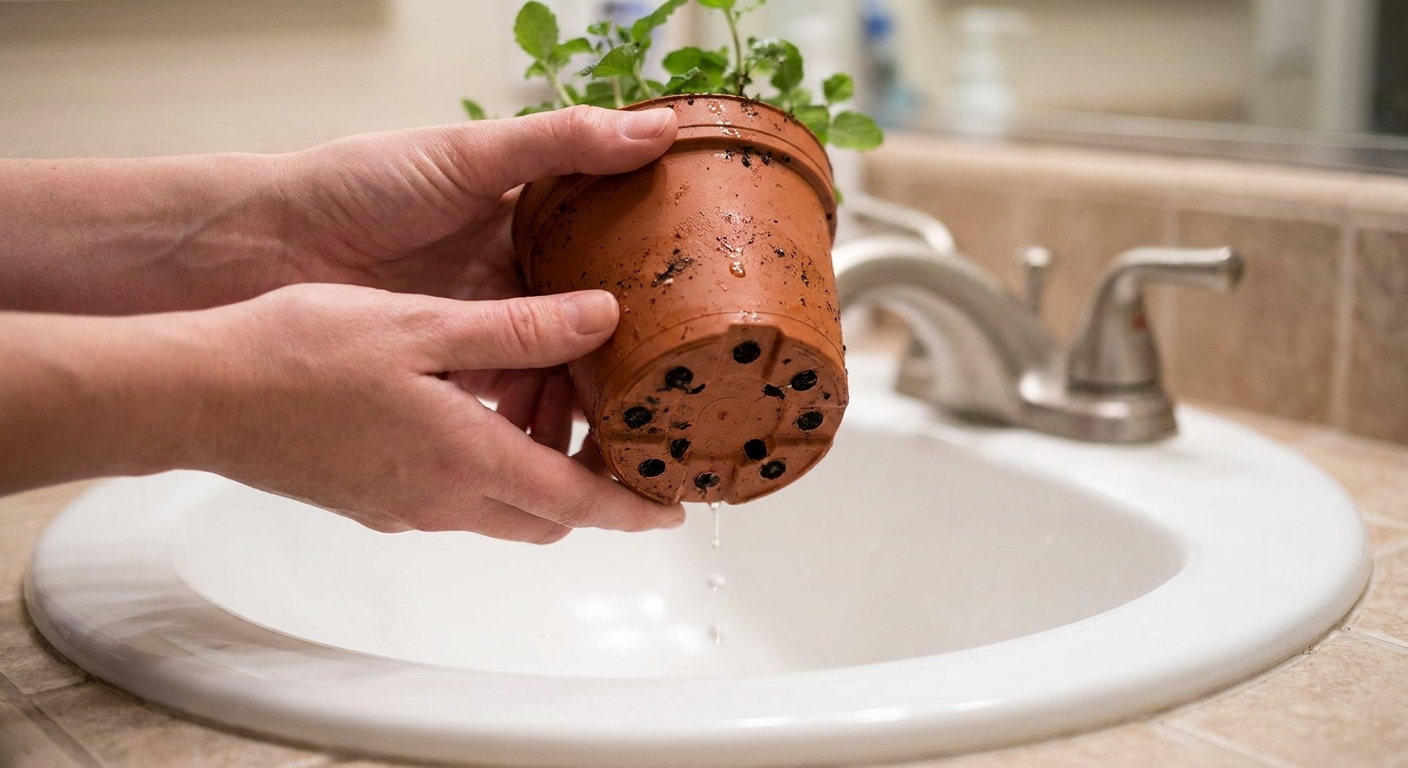
This article is mostly about the mushy-yellow situation, but occasionally a plant in a bathroom dries out unevenly and drops leaves in protest. If the pot is feather-light and the soil pulls away from the sides, water thoroughly in the sink until water runs out the bottom, then let it drain completely.
Red flags to take seriously
Most bathroom slumps are fixable. A few situations deserve faster action.
- Mushiness at the crown or soil line that spreads quickly.
- Foul odor right at the base, not just the potting mix.
- Blackening or collapse overnight, especially paired with slimy tissue.
- Visible pests (thrips, scale, mealybugs) plus a sudden decline.
If the base is turning to mush or the plant seems to be melting fast, isolate it from other plants. For suspected bacterial soft rot, your best move is often to discard the plant or salvage only clean, healthy cuttings from well above the affected area (if the plant type allows it).
Cut back or repot?
This is the moment most people get stuck: do you prune and wait, or pull the whole thing up and start over in fresh soil?
Cut it back when the damage is mostly above the soil
Pruning is the gentler move if stems are still firm and you do not suspect serious root rot.
- Remove leaves that are fully yellow and soft. They will not turn green again, and mushy foliage can invite rot.
- If a stem is limp but still green, wait a few days after drying out. Sometimes firmness returns once roots can breathe.
- Use clean scissors and make tidy cuts. If you are cutting anything mushy, disinfect your blades afterward.
Repot when roots cannot breathe
Repotting is warranted when the pot setup is the problem, or when the soil is staying wet for too long.
Repot if any of these are true:
- The plant is in a pot with no drainage hole.
- The soil smells sour or the base of the plant feels soft.
- The plant does not perk up after 5 to 7 days of drying and better light.
- You see fungus gnats repeatedly (often a sign of constantly moist soil).
How to repot a stressed bathroom plant
- Choose a pot with drainage. Same size is usually safest for a stressed plant. Going bigger can keep soil wet longer.
- Gently remove the plant. Support the base and ease it out.
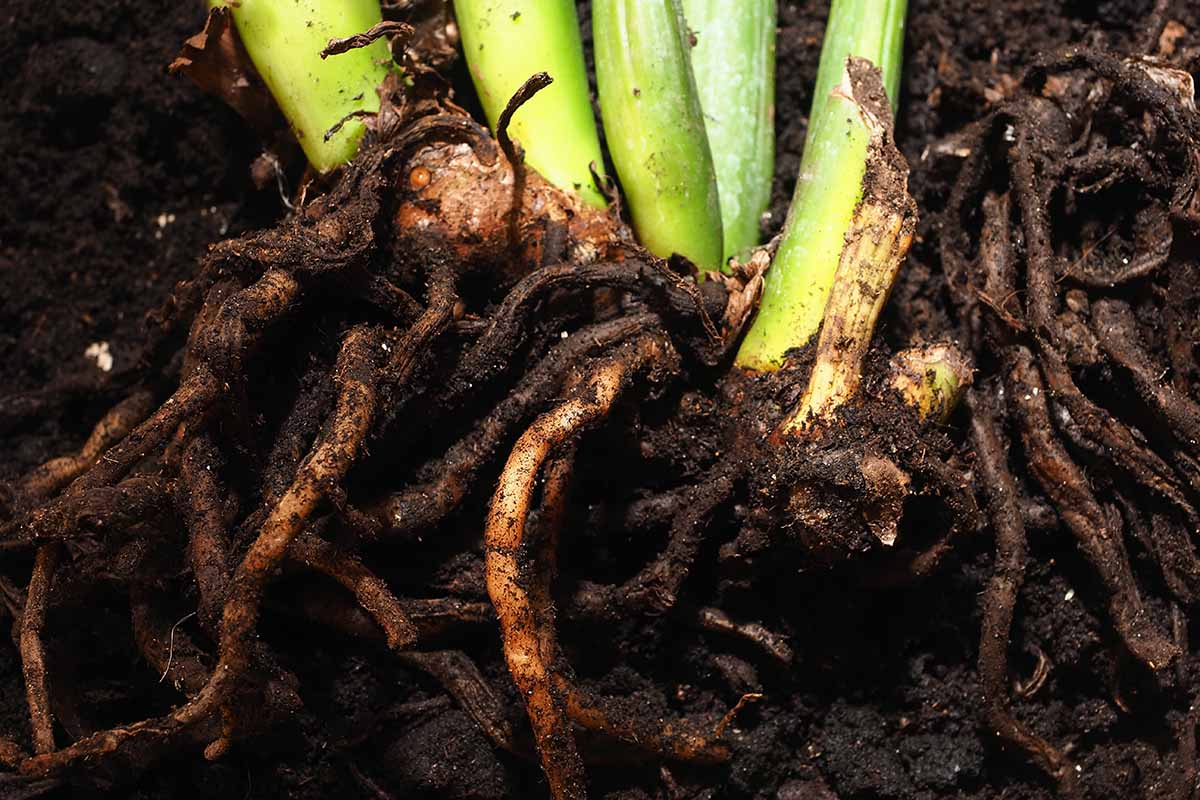
- Inspect roots. Healthy roots are usually firm. Color varies by plant, so firmness matters more than whether they are white, tan, or light brown. Rotting roots tend to be mushy and may smell unpleasant.
- Trim rot. Snip off obviously mushy roots with clean scissors.
- Refresh the soil. Use a well-draining indoor potting mix. If your mix feels heavy, blend in extra aeration material like perlite or pumice so water does not linger.
- Replant and water lightly. After repotting a plant that was soggy, I prefer to water just enough to settle the soil, then let it dry slightly before the next watering.
- Give it brighter, gentler light. Not harsh sun. Just a brighter spot than the bathroom corner.
Bathroom reality: humidity is not watering
This is the part almost nobody tells you when they romanticize bathroom jungles: humidity helps leaves, but it does not replace light. And it does not automatically make soil dry faster. In a dim bathroom, humidity often means soil stays wet longer.
What changes in bathrooms
- Less light: plant photosynthesizes less, grows slower, and uses less water.
- More moisture in the air: evaporation from the pot slows down.
- Temperature swings: hot showers then cool air can stress some plants, especially if they are right in the splash zone.
- Air stagnation: no fan or window means everything dries slowly, including your potting mix.
A simple reset routine
- After showers, run the fan for 20 to 30 minutes, or crack a window.
- Keep the plant out of direct splash range. Humid is lovely. Soaked is not.
- Rotate the pot weekly so one side is not permanently reaching for the window.
- Water only when the soil has dried to the appropriate depth for your plant, not on a calendar.
Common bathroom plants
Bathrooms collect a certain cast of characters. Here is the short version of what matters for yellow-and-soft trouble.
- Pothos and philodendron: forgiving, but in low light they drink slowly. Let the soil dry more than you think.
- Peace lily: dramatic when dry (droops fast), but also yellows when kept constantly wet. Aim for evenly moist, not swampy.
- Ferns: like consistent moisture, but still need air at the roots. They do best in airy mix and a draining pot, never sitting in water.
- Snake plant and ZZ plant: the “easy” ones that rot if you treat them like rainforest plants. In a bathroom, they want bright light and very infrequent watering.
How to avoid the repeat cycle
Once you rescue a plant from the bathroom slump, the goal is to make the setup more forgiving. The most elegant bathrooms are usually the most minimal, so I like fixes that do not add visual clutter.
Make drainage foolproof
- Use a nursery pot with holes inside a pretty outer pot, but empty the outer pot after watering.
- Add a simple saucer and make it part of the styling, like a stone dish or a subtle neutral tray.
Water to the light you have
In low light, plants often need less frequent watering. Not a smaller sip. Just fewer watering events. Let the soil dry more between waterings than you would in a brighter room.
Pause fertilizer during a slump
If leaves are yellow and soft, pause fertilizer until you see new, healthy growth and the pot is drying at a normal pace. Fertilizer is best used when roots are healthy and actively taking up water.
FAQ
Should I remove yellow leaves?
Yes, if they are fully yellow or soft. They are not coming back, and removing mushy foliage can help reduce rot. If a leaf is only lightly yellowing and still firm, you can wait a bit to see if conditions improve. Plants sometimes reabsorb nutrients from a fading leaf, so there is no need to snip at the first hint of yellow.
My plant is in a pot with no drainage. Is it doomed?
Not doomed, but it is on hard mode. If the leaves are yellow and soft, I would move it into a draining pot sooner rather than later. You can still use the cute pot as a cover pot.
What if only the bottom leaves are yellowing?
Bottom leaves yellowing can be normal aging, but if they are also soft and the soil stays wet, suspect overwatering or poor airflow. If the plant is not putting out new growth, low light may be the underlying issue.
Can low light alone cause soft leaves?
Low light usually causes slow growth and gradual decline. Soft, collapsing leaves are more often tied to roots sitting wet. Low light contributes by making the plant use less water, so the soil stays wet longer.
When should I give up and start over?
If the crown or main stems at the soil line are mushy and collapsing, recovery can be difficult. In that case, your best bet is to salvage any healthy cuttings (if the plant type allows it) and restart in fresh mix. If stems are still firm and you can find healthy roots, repotting and better light often bring a plant back.