Fruit Flies vs Drain Flies in a Rental Kitchen

Clara Townsend
Clara Townsend is an interior stylist, vintage furniture enthusiast, and the creative voice behind Velvet Abode. With over a decade of experience transforming both cramped city apartments and sprawling fixer-uppers, she believes that a beautiful home is built on personal stories rather than massive budgets. When she isn't hunting for the perfect brass sconce at a local flea market, she can usually be found rearranging her living room for the third time this month.
There are few things that ruin the cozy, candle-lit kitchen vibe faster than a cloud of tiny flies doing laps around your sink. And in a rental, it can feel extra maddening because you can clean everything and still wonder if the problem is hiding inside the plumbing.
The good news: most “mystery gnats” people spot in kitchens are actually small flies, usually either fruit flies (drawn to anything fermenting) or drain flies (breeding in the slimy film inside drains). Sometimes it’s fungus gnats from overwatered houseplants, too. They behave differently, and once you spot the pattern, the fix gets a lot more straightforward.
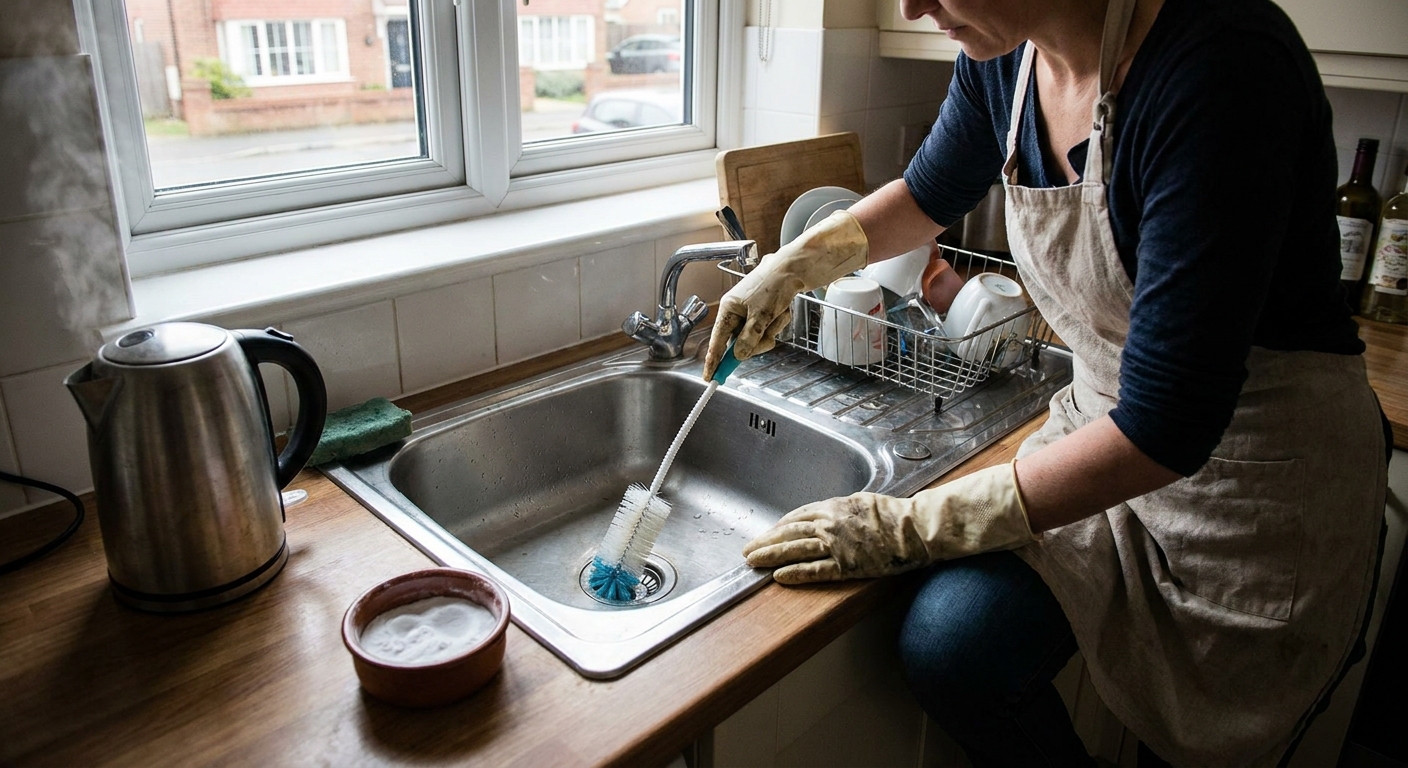
This guide will help you: identify what you’re dealing with, confirm the source, tackle it with low-toxic steps, and know exactly when it’s time to loop in building maintenance.
Quick ID: fruit flies, drain flies, or fungus gnats?
You don’t need a magnifying glass. You need two clues: where they hang out and how they move.
Fruit flies
- Where you see them: hovering around fruit bowls, recycling, trash, compost, sticky spills, empty wine bottles, or anywhere a little sugar is fermenting.
- How they act: quick, darting flyers that love to swarm when you disturb the source.
- What they look like: tiny tan or brown flies, often with noticeable red eyes if you get close.
Drain flies (moth flies)
- Where you see them: resting on the sink basin, backsplash near the faucet, around the drain, or on the wall close to a drain. Often most noticeable first thing in the morning.
- How they act: weak flyers. They tend to hop or flutter and then land again.
- What they look like: tiny grayish flies with fuzzy, moth-like wings. They can look like little specks of lint that came to life.
Fungus gnats (houseplant gnats)
- Where you see them: near potted plants, on windows, or hovering low around damp soil. They can drift toward sinks because they like moisture.
- How they act: small, slow flyers that seem to “hover” more than zoom.
- What they look like: tiny dark, mosquito-like gnats with slender bodies.
If you’re seeing flies in more than one zone, it can absolutely be both. Fruit flies and drain flies can co-exist in a busy kitchen, especially if a drain has buildup and the trash has something juicy in it.
Two easy tests to confirm the source
The cup test for fruit and trash
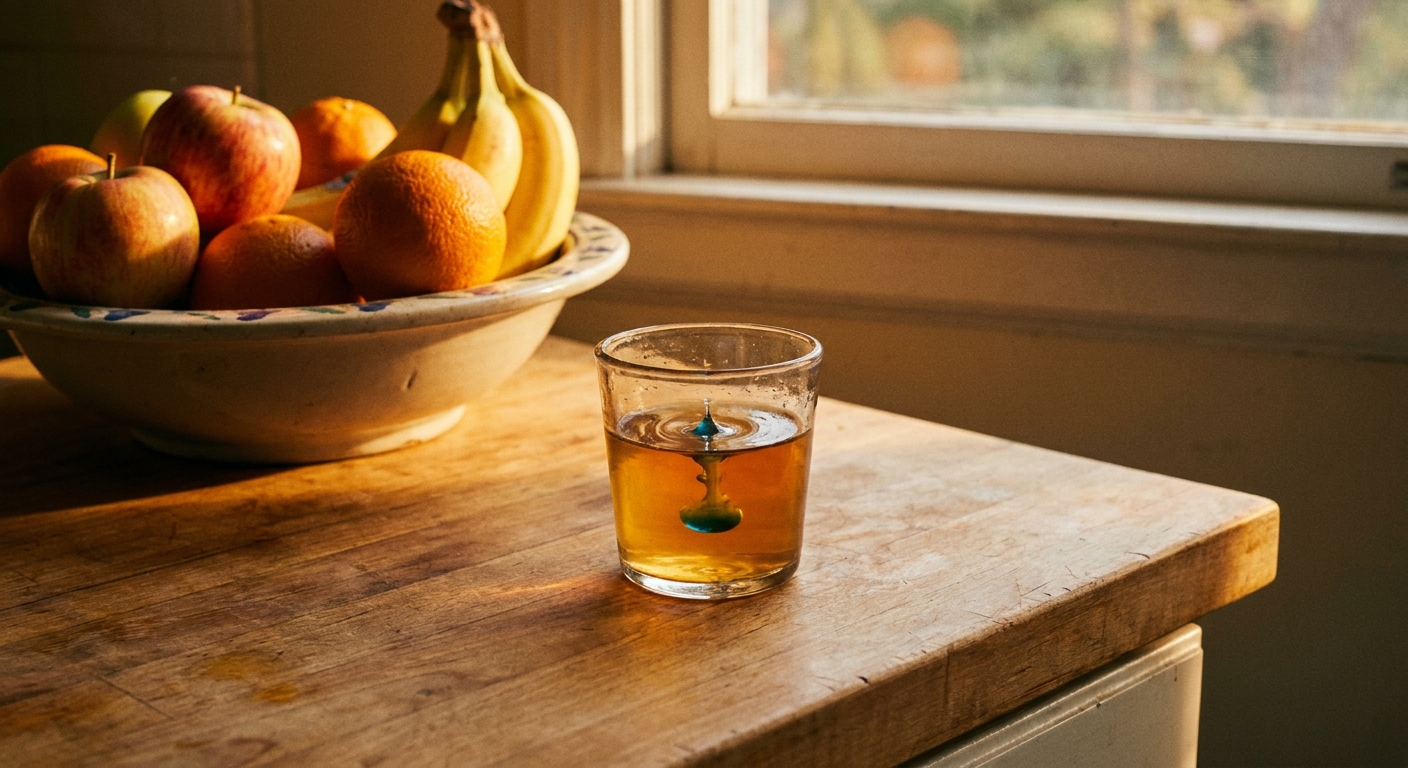
Put a small cup of apple cider vinegar (or wine) on the counter with a drop of dish soap. Leave it overnight. If you wake up to several trapped overnight, that strongly suggests fruit flies (or at least fruit-fly behavior).
The tape test for drains
At night, dry the sink area and place clear tape sticky-side down over the drain opening, leaving a small tab so you can lift it. In the morning, check the underside. If drain flies are emerging from that drain, you’ll often catch a few stuck to the tape.
Do this for the kitchen sink, bathroom sink, tub, and floor drain if you have one. In apartment buildings, the “problem drain” isn’t always the one you expect.
Where they hide in rentals
Rentals have their own special ecosystem. Here are the places I check first when someone tells me, “I swear I cleaned everything.”
- Garbage disposal splash zone: the rubber baffle and the underside lip where grime collects.
- Sink overflow opening: that little hole near the top of some sink basins can hold gunk.
- P-trap: the curved pipe under the sink. If it’s clogged with sludge, it can feed drain fly larvae.
- Recycling bin: beer, kombucha, soda, and wine residue are fruit-fly magnets.
- Trash can lid and rim: especially if anything leaked and dried sticky.
- Back of the fridge: drip trays can get funky, depending on the model.
- Dishwasher filter: if you have one, it can hold a surprising amount of food debris.
- Mop bucket or sponge: damp plus food residue is a party invitation.
- Houseplants: soggy soil is fungus gnat heaven, and the adults wander.
Low-toxic reset that works
If you want the fastest results, do two things at once: remove the breeding sites and trap the adults. Traps help your sanity, but they won’t end the cycle if the source is still feeding them.
Step 1: Lock down food and sweet smells
- Put fruit in the fridge for 7 to 10 days.
- Wipe counters, especially around the toaster, coffee area, and anywhere juice or syrup might have splashed.
- Rinse bottles and cans before recycling, or keep recycling in the freezer temporarily.
- Store onions and potatoes in a breathable bin, but check for one sneaky rotten piece. One bad onion can fuel a whole saga.
Step 2: Take out trash and clean the can
Take the bag out daily for a week. Then wash the bin with hot soapy water and dry it completely. If you can, sprinkle a little baking soda in the bottom before adding a fresh liner.
Step 3: Clean drains the right way
For drain flies, the key is removing the biofilm, that slick buildup inside the pipe that larvae feed on. Pouring things down the drain helps less than you’d think if the slime stays stuck to the sides.
- Hot water first: carefully run very hot tap water for a minute to soften buildup. Use extra caution with any plastic plumbing, old seals, or questionable connections. If your lease or building rules warn against boiling water, skip it.
- Drain brush: use a long, flexible drain brush to scrub the inside of the drain opening and as far down as you can reach.
- Dish soap flush: follow with a generous squeeze of dish soap and a long hot-water rinse.
Do this nightly for 5 to 7 days. That’s often enough to break the breeding cycle, but heavier buildup can take longer.
Step 4: Optional foam treatment
If you want an extra step that sits in the drain longer than water alone, this can help loosen debris and deodorize. It shouldn’t replace mechanical scrubbing.
- Pour 1/2 cup baking soda into the drain.
- Add 1 cup white vinegar.
- Let it fizz for 15 to 30 minutes.
- Rinse with hot water.
Step 5: Clean the sink overflow (if you have one)
If your sink has an overflow hole, it can hide gunk even when the basin looks spotless.
- Use a small straw brush, bottle brush, or pipe cleaner dipped in hot soapy water.
- Scrub gently inside the overflow opening.
- Flush with hot tap water.
Step 6: Clean the disposal area (if you have one)
- Unplug the disposal or switch it off at the breaker if possible.
- Scrub the rubber baffle and underside lip with a bottle brush and hot soapy water.
- Grind a few ice cubes with a squeeze of dish soap to help knock residue loose.
A quick safety note: don’t mix bleach with anything else, and don’t throw multiple harsh chemicals at the problem back to back. Low-toxic doesn’t mean “weak.” It means targeted.
Step 7: Set traps where the adults hang out
Traps are your cleanup sidekick.
- For fruit flies: apple cider vinegar plus a drop of dish soap in a small cup. Place near the fruit bowl area, trash, and recycling.
- For drain flies: a vinegar trap near the sink can catch some adults, but your biggest win is still drain scrubbing.
Replace traps every 2 to 3 days so they stay effective.
Quick disclaimer: Always follow your lease and building rules for plumbing care. If you have fragile plumbing, repeated backups, or a septic system (less common in apartments, but possible), avoid aggressive chemical drain treatments and stick to mechanical cleaning and hot water unless maintenance advises otherwise.
If neither test hits
If the vinegar cup isn’t catching much and the tape test stays clean, don’t panic. It usually means the source is elsewhere.
- Houseplants (fungus gnats): let the top 1 to 2 inches of soil dry between waterings, empty saucers, and consider sticky traps near the pot. A single overwatered plant can keep a “kitchen gnat” problem going.
- Phorid flies (scuttle flies): these are often misidentified as fruit flies. They tend to run across counters more than they fly, and they’re commonly linked to leaks, sewage smells, or rotting organic material in hidden places. If you suspect these, it’s worth escalating sooner.
- Hidden damp spots: under-sink leaks, wet sponges, a funky dishwasher filter, or a fridge drip tray can keep things active.
P-trap checks (renter-safe)
If you’ve got persistent drain flies even after a week of scrubbing, the issue may be sitting in the P-trap or a leak that keeps things damp.
What you can check without plumbing heroics
- Look for leaks: with a flashlight, check under the sink for drips, a damp cabinet floor, or water stains. Constant moisture can create a breeding zone.
- Sniff test: a sewer-ish smell plus flies often means buildup, a dry trap, or a venting issue.
- Run each drain: if a sink or floor drain is rarely used, its trap can dry out. Run water for 30 seconds daily until the issue resolves, then add a cup of water weekly as prevention.
If you’re comfortable and your lease allows it
Some renters remove and clean a P-trap, but many leases discourage DIY plumbing. If you don’t have explicit permission, treat this as a maintenance request instead of a weekend project.
When to call maintenance
Here’s the line I use: if you’ve done a full reset and you’re still seeing new flies after 7 to 10 days, it’s time to involve maintenance. Drain flies in particular can point to a building issue like a partial clog, a leak behind the wall, or a venting problem.
Escalate sooner if
- You see flies emerging from multiple drains (kitchen and bathroom).
- There’s a persistent sewage smell.
- Water drains slowly or backs up.
- You notice moisture, bubbling paint, or soft cabinet floors under the sink.
- Neighbors mention the same issue (common in multi-unit buildings).
What to document
- A quick video of flies clustering near a drain or on the sink wall.
- A photo of the tape test results in the morning.
- Notes on what you tried and for how many days (drain scrubbing, traps, trash routine).
Maintenance request script you can copy:
Hi, I’m seeing consistent small flies in the kitchen that appear to be emerging from the sink drain (I confirmed with a tape test overnight). I’ve scrubbed and flushed the drain for a week and the issue persists. Could maintenance inspect for a clog, biofilm buildup in the line, or a leak under or behind the sink, and clean the drain line if needed?
Keep them from coming back
Once you get your kitchen back, a few low-effort routines help keep it that way.
- Nightly sink reset: rinse the basin, run the disposal briefly, and wipe the drain area dry.
- Weekly drain brush: a 60-second scrub once a week is often enough to prevent biofilm buildup.
- Trash and recycling rules: rinse containers, wipe sticky spills immediately, and take out trash before it gets juicy.
- Fruit bowl boundaries: keep a smaller amount of fruit out at a time so nothing lingers long enough to ferment.
- Rarely used drains: pour a cup of water into floor drains or guest-bath sinks weekly to keep traps from drying out.
A home should feel like a comforting hug at the end of a long day, not a biology experiment. With the right ID and a little targeted scrubbing, you can usually solve kitchen “gnats” without going nuclear on your air quality or your lease.
FAQ
Why do I suddenly have fruit flies when I don’t keep fruit out?
Fruit flies also love trash, recycling, mops, sponges, and anything with a little sugar or yeast. Check for an empty bottle, a drip tray, or a single forgotten potato that quietly turned into a science project.
Do drain flies mean my apartment is dirty?
No. Drain flies mean there’s organic buildup and moisture somewhere. That can happen in any home, especially in older buildings, rarely used drains, or lines with slow drainage.
Will bleach fix drain flies?
Bleach can kill some adults and larvae, but it often doesn’t remove the biofilm they breed in. Mechanical scrubbing plus hot water rinses tends to be more effective and lower-tox. Also, never mix bleach with other cleaners.
How long until they’re gone?
With traps plus source cleanup, fruit flies often drop dramatically in 2 to 4 days and are typically gone in about a week. Drain flies often take 7 to 14 days because you’re breaking a breeding cycle inside the plumbing. If it’s a heavy infestation or a building-wide issue, it can take longer, and that’s your cue to loop in maintenance.