Winter Window Condensation in Apartments

Clara Townsend
Clara Townsend is an interior stylist, vintage furniture enthusiast, and the creative voice behind Velvet Abode. With over a decade of experience transforming both cramped city apartments and sprawling fixer-uppers, she believes that a beautiful home is built on personal stories rather than massive budgets. When she isn't hunting for the perfect brass sconce at a local flea market, she can usually be found rearranging her living room for the third time this month.
If your apartment windows look like they are sweating as soon as temperatures drop, you are not alone. Winter condensation is one of those tiny daily annoyances that can turn into a real problem fast, especially when it starts leaving water lines on sills, bubbling paint, or that faint, musty smell you cannot forget.
The good news: you usually do not need a new window to fix it. You need a clearer read on humidity versus a thermal (cold) bridge, plus a simple routine that keeps water from lingering long enough to invite mildew.
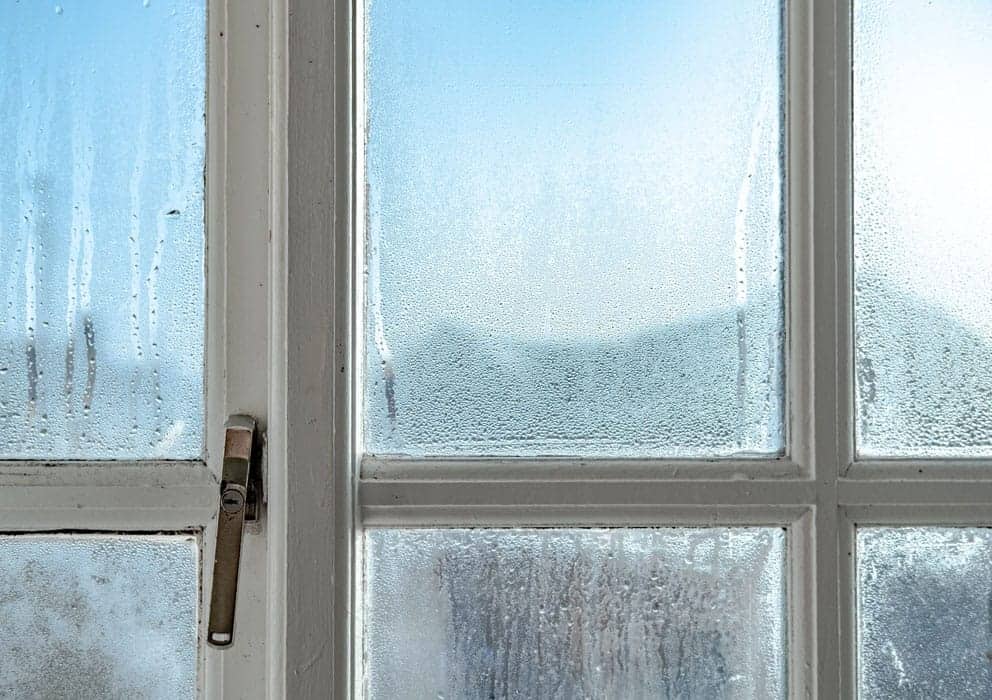
What condensation is
Condensation is just water vapor in your indoor air turning back into liquid when it hits a surface that is colder than the air. In winter, your window glass and frame can become the coldest surfaces in the room. The warmer and more humid your apartment air is, the faster those droplets form.
Think of it like this: your apartment air carries invisible moisture from showers, cooking, laundry, plants, and even breathing. When that air touches cold glass, the moisture has to go somewhere. It lands on the window.
Measure it (optional, but helpful)
If you want to stop guessing, grab a small hygrometer (an indoor humidity meter). They are inexpensive, and they make the problem feel a lot less mysterious. On especially cold days, the humidity level that felt fine last week might suddenly be too high for your glass, because the window surface temperature drops.
Humidity vs thermal bridge
1) Indoor humidity (the moisture source)
This is the “too much water in the air” side of the equation. In winter, we seal everything up, run heat, and stop cracking windows, so humidity can build.
- Common humidity boosters: long hot showers, simmering pots, drying clothes indoors, lots of houseplants, humidifiers set high, and blocked bathroom or kitchen exhaust fans.
- Clue it is humidity-driven: multiple windows fog up at once, mirrors stay steamy, and you notice condensation gets worse after showers or cooking.
2) Thermal (cold) bridge (the cold surface problem)
A thermal bridge (often felt as a “cold bridge”) is any part of the window assembly that conducts outdoor cold right into the inside surface. Metal frames, single-pane glass, and gaps around the frame are classic offenders in apartments.
- Common thermal bridges: aluminum frames, older single-pane windows, poorly insulated trim, and leaky weatherstripping.
- Clue it is bridge-driven: one problem window always drips, condensation gathers in one corner, or you can feel a cold draft near the frame even when the rest of the room is comfortable.
Most apartments have a little of both going on. Your strategy is to reduce humidity and keep cold surfaces from staying wet.
Also, a note for anyone with single-pane glass or aluminum frames: some condensation during cold snaps can be normal. The goal is keeping it from pooling and lingering.
Quick wipes that work
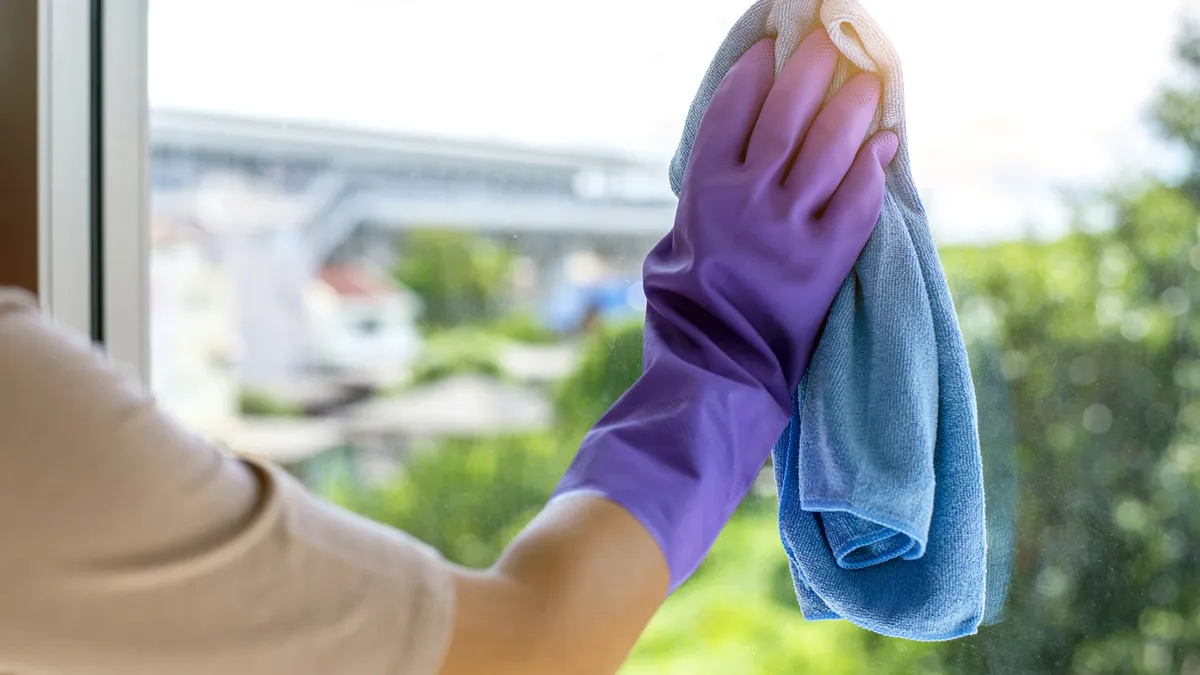
Condensation becomes a mildew problem when it sits. My favorite renter-friendly habit is a 30-second morning wipe that feels almost silly until you realize it prevents most of the damage.
The fast routine
- Keep a dedicated microfiber cloth tucked in a drawer near the window or under the sink.
- Wipe top to bottom so you are not chasing drips.
- Finish the sill and lower corners where water pools and paint tends to soften.
- Hang the cloth to dry after. A damp microfiber tossed into a pile can start to smell quickly.
Microfiber habits
- Use two cloths if needed: one to absorb, one to buff dry. This matters on coated or tinted glass where you want minimal rubbing.
- Wash without fabric softener: softener leaves residue that smears and reduces absorbency.
- Rotate frequently: if your cloth starts smelling musty, it is past its prime for window duty.
Safe glass cleaning in rentals
When windows are constantly damp, dirt sticks faster, and some people respond by using heavy-duty cleaners or polishing products. That is where trouble starts. Many modern windows have coatings, films, or factory finishes that can get hazy if you use abrasive pads or waxy products.
What to use
- Warm water + a tiny drop of dish soap is usually enough for winter grime.
- 50/50 white vinegar + water can help with hard water spots, but it can be risky on some window films, coatings, and certain frame finishes. If you are not sure, check the manufacturer guidance or skip vinegar and stick to soap and water.
- A squeegee gives a clean finish with minimal rubbing.
What to avoid
- Abrasives: scouring powders, abrasive sponges, and rough scrub pads can scratch coatings.
- Solvents: acetone, paint thinner, and harsh degreasers are risky on films, seals, and surrounding paint.
- Waxes and polishes: furniture polish, car wax, and some “shining” sprays can leave a film that attracts dust and can cloud over time.
A renter-safe method
Spritz your cleaner onto the cloth, not directly onto the window. This keeps liquid from running into the bottom track and sitting there. Wipe, then buff with a dry microfiber. If the glass still looks streaky, it is usually residue, so go back with plain water and a clean cloth.
Tracks and silicone corners
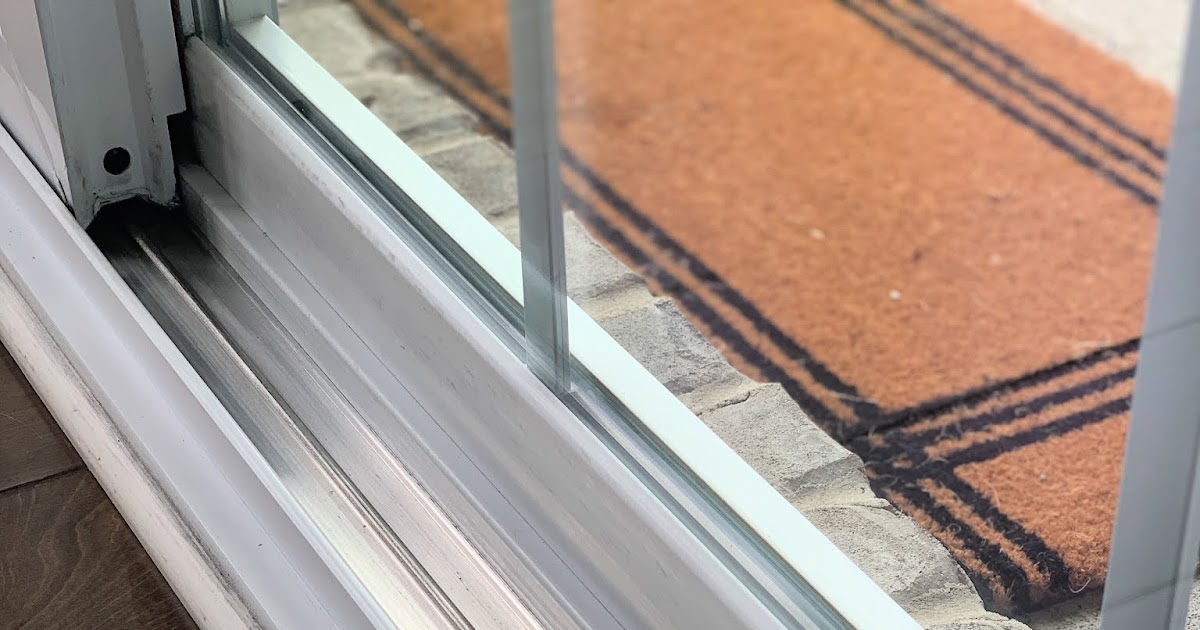
If mildew shows up, it often starts where water hides. Window tracks, the lower corners of the frame, and the seam where the glass meets silicone or rubber gaskets are the usual suspects.
Why these areas get gross
Silicone itself is not the problem. It is the combination of moisture, dust, and low airflow. That seam holds onto tiny particles, then stays damp, and mildew sees an opportunity.
How to clean without damaging seals
- Vacuum the track first using a crevice tool. Wet-cleaning over dust turns it into sludge.
- Use a soft brush like an old toothbrush with warm soapy water for tracks and corners.
- For mildew spots: apply 3% hydrogen peroxide to a cloth or cotton swab and dab the area. Let it sit a few minutes, then wipe and dry. Spot-test first because it can lighten some finishes. Also, never mix peroxide with bleach or ammonia products.
- Dry thoroughly with a clean microfiber. This is the step that actually prevents the return.
If you see heavy black mildew that keeps coming back, or the silicone looks cracked or lifting, that is a maintenance request. Your job is prevention and gentle cleaning, not re-sealing a window you do not own.
Airflow tricks
You do not need to turn your home into a wind tunnel. You just need to keep humid air from camping out on cold glass.
Small moves, big impact
- Run the bathroom fan during showers and for 20 to 30 minutes after. If your fan is weak, crack the bathroom door and a nearby window a hair, just while the steam clears.
- Use lids while cooking and run the range hood. If you do not have a vented hood, a cracked window plus a small fan pointed outward helps.
- Do a daily 5-minute air swap when the weather allows: open two windows slightly to create a quick cross-breeze, then close them. This can drop humidity without freezing the place.
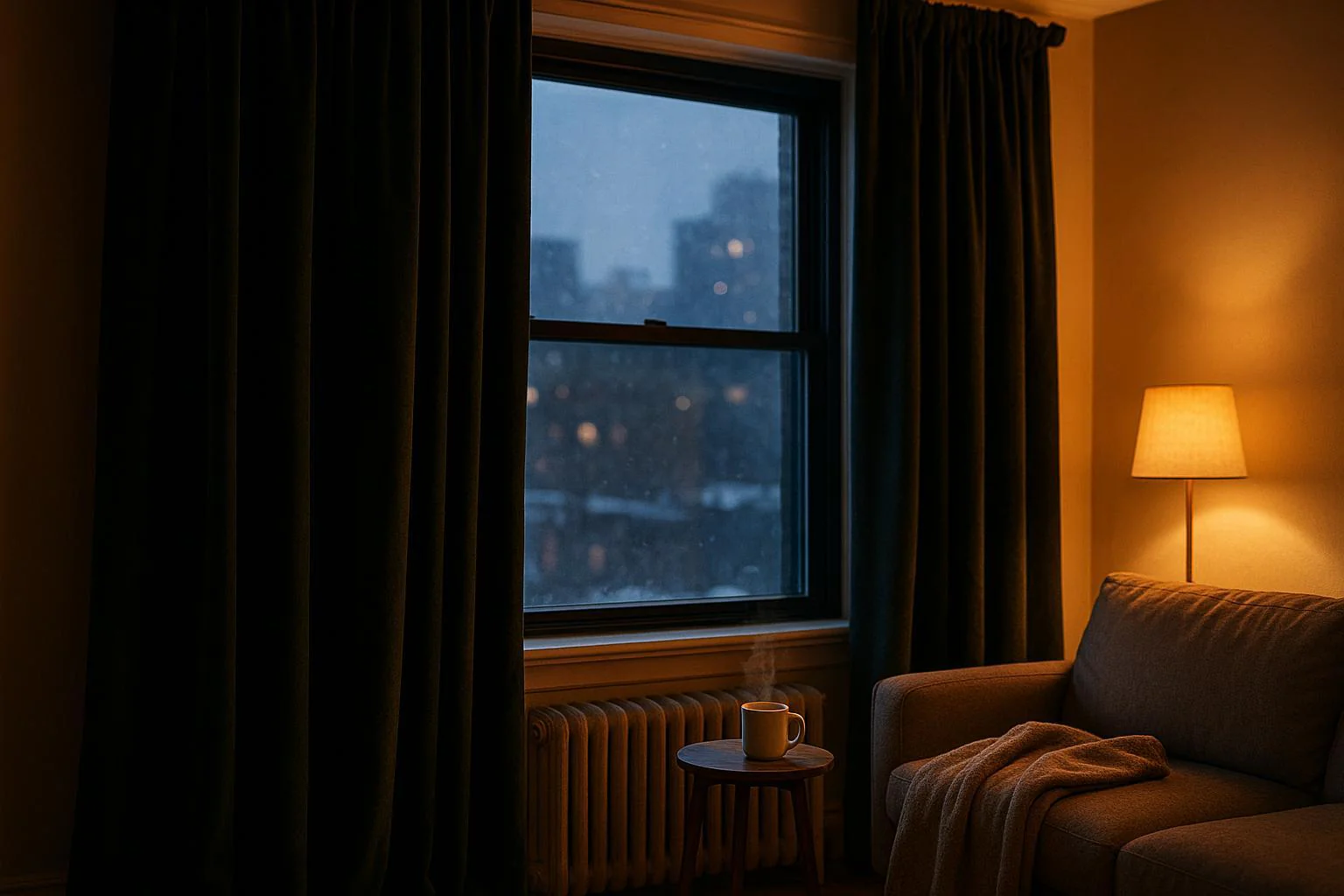
- Keep curtains and blinds from trapping damp air right against the glass overnight. Leave a small gap at the sides or pull them back an inch so air can circulate.
- Add gentle air movement by aiming a small fan so air sweeps past the window surface. It can make a surprising difference.
- Keep the room reasonably warm if you can. Colder rooms mean colder glass, which means faster condensation.
- Move furniture a few inches off exterior walls near windows. Tight spacing can create cold pockets where moisture collects.
Should you use a dehumidifier in winter?
Sometimes, yes. If you are already doing the basics and still wiping puddles daily, a small dehumidifier can be a sanity-saver. In many homes, a comfortable winter range is around 30 to 50 percent relative humidity, but it is climate-dependent. In very cold weather, you may need to run lower (often closer to 20 to 40 percent) to keep windows from fogging. A hygrometer makes this easy to adjust without over-drying your air.
Renter-friendly prevention checklist
If you want the simplest plan, this is it. Save it, screenshot it, tape it inside a cabinet. No judgment.
- Morning: quick wipe of glass, sill, and bottom corners with microfiber.
- After showers: fan on plus an extra 20 to 30 minutes, door cracked if needed.
- After cooking: lid on pots, vent on, and do not let steam linger.
- Weekly: vacuum and wipe window tracks, then dry.
- Night: leave a small gap between window coverings and glass for airflow.
Optional renter upgrades
If you have permission (or your lease allows it), a few temporary fixes can reduce drafts and keep the inside surface warmer:
- Insulating window film kits (the shrink-wrap kind) can help on older windows.
- Rope caulk or removable weatherstripping can reduce tiny air leaks around trim.
- A draft stopper can help if cold air is pouring in at the bottom.
If you are unsure, ask maintenance first. It is easier than arguing about adhesive later.
When to call maintenance
Some condensation is normal. But a few signs mean the window may be failing or the building envelope has an issue that you cannot solve with a better cloth.
- Condensation between double panes that you cannot wipe away, which can signal a failed seal.
- Persistent pooling that returns quickly even when your indoor humidity is fairly low.
- Blocked drainage in the track (weep holes) that keeps water from escaping where it is supposed to.
- Soft, swollen, or crumbling wood around the frame or sill.
- Visible gaps or drafts you can feel with your hand near the trim.
Take a couple of clear photos in daylight, note when it happens (after showering, overnight, during cold snaps), and submit a request. Clear documentation helps you get a faster fix.
A cozy final note
I know window condensation can feel like your apartment is fighting you. But once you treat it like a tiny daily rhythm instead of a mysterious winter curse, it gets manageable fast. A dry sill, a clean track, and a little airflow do more for comfort than most expensive upgrades.
If you want, tell me what kind of windows you have (metal frame or wood, single-pane or double, and whether the condensation is all over or only at the bottom). I can help you pinpoint which lever to pull first.