Window Treatments for Sliding Glass and Patio Doors

Clara Townsend
Clara Townsend is an interior stylist, vintage furniture enthusiast, and the creative voice behind Velvet Abode. With over a decade of experience transforming both cramped city apartments and sprawling fixer-uppers, she believes that a beautiful home is built on personal stories rather than massive budgets. When she isn't hunting for the perfect brass sconce at a local flea market, she can usually be found rearranging her living room for the third time this month.
Sliding glass and patio doors are the overachievers of the home. They bring in gorgeous light, give you that little hit of “open-air living,” and then immediately demand the most complicated window treatment you have ever shopped for. The good news is you do not need a designer budget or a carpentry degree. You just need a plan for movement (doors must slide), stacking (fabric needs somewhere to go), and privacy (especially at night).
This is my go-to, renter-aware roadmap for choosing something that looks intentional, feels cozy, and still lets you step outside without wrestling a curtain panel like it owes you money.
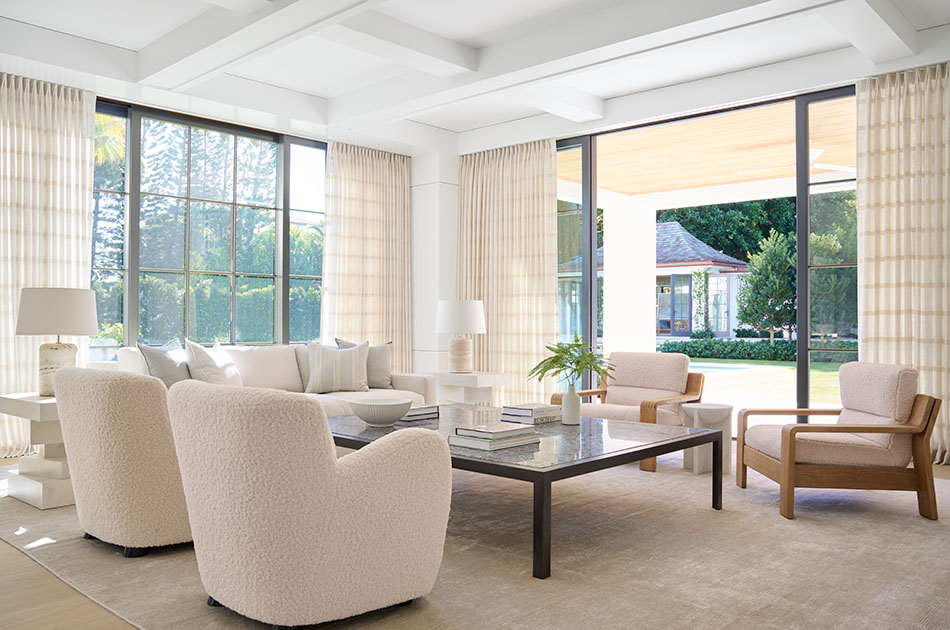
Start with the three non-negotiables
1) Clearance
Before you fall in love with anything, check the door handle projection (how far it sticks out) and whether anything will snag in the glide path. Bulky grommet curtains on a tight rod can bump the handle and catch every time you open the door. If your handle sticks out, you will want a solution that holds fabric farther from the door or lets it glide smoothly past, like a traverse rod, a ceiling track, or a panel track.
2) Stacking space
“Stacking” is the space your curtains take up when pulled fully open. It matters because if you do not plan for it, your beautiful panels will block glass and steal daylight even when open.
- Plan for: stacked curtains often take up around 1/4 to 1/3 of the rod width, but it varies a lot based on fabric thickness, fullness, and heading style (ripplefold and pinch pleats stack differently).
- Goal: if you can, mount your rod or track so the panels stack mostly off the glass at one side, or split them so each side stacks toward the edges.
If your door opens on one side more often, plan the stack to land on the side that will annoy you least. This sounds obvious, but it is the difference between “airy” and “why is it always in the way?”
3) Light and privacy
Sliding doors can feel like a glowing aquarium at night. If you love daylight but want privacy after sunset, think in layers: sheer + privacy liner or drapery + blackout liner. You can keep it soft and romantic without giving your neighbors a front-row seat to your pasta night.
Quick measurement checklist
Before you buy anything, grab these numbers. It saves returns, swearing, and “why is this 6 inches too short?” energy.
- Overall width: measure the door glass plus the trim (outside edge to outside edge).
- Wall space: how many inches you have left and right before a wall, cabinet, or bulky furniture starts.
- Handle projection: the distance the handle sticks out from the door surface.
- Mount height: top of trim to ceiling (helps you decide wall mount vs ceiling track and curtain length).
- Traffic pattern: which panel you actually use 20 times a day.
Rods and tracks
If you only remember one thing, remember this: patio doors want glide. Here is how the most common hardware options compare.
Traverse rod
A traverse rod uses carriers that slide along a track, often controlled by a wand or cord. This is the easiest “open and close daily” option, especially for wide doors. If you are in and out all day, this is the hardware that keeps you from yanking fabric like you are starting a lawn mower.
- Best for: heavy drapes, everyday use, wide openings, anyone who wants a neat, consistent stack.
- Look: tailored and tidy. Great for pinch pleats, ripplefold, or track-friendly headings.
- Watch for: you need proper mounting and enough wall space for brackets.
Curtain track
Tracks can be sleek and almost invisible, especially ceiling-mounted. They also keep fabric closer to the plane of the wall, which can help with handles and clearance. If you want “hotel calm” and easy sliding, this is your lane.
- Best for: modern rooms, smooth movement, and a low-ceiling-friendly trick (mounting at the ceiling can visually heighten the wall).
- Look: clean and architectural, like a boutique hotel in the best way.
- Watch for: ceiling mounting usually requires drilling. If you cannot drill, choose wall-mounted track or a no-drill rod setup with lighter panels.
Panel track
Panel tracks are often used with woven shades or large fabric panels that slide side-to-side, like the door itself. They feel streamlined and are great if you want a crisp, uncluttered line. If you hate swishy hems and want something that stays in its own business, panels are a solid pick.
- Best for: contemporary homes, small stacks (panels overlap rather than bunch), and people who dislike puddly fabric.
- Look: structured and graphic.
- Watch for: panels can feel a bit stiff and may not suit every cozy, layered style.
Classic rod + rings
A traditional rod with rings can work beautifully on patio doors if you choose quality rings and give yourself enough bracket projection (distance from the wall) so the panels clear the handle. If you open the door a few times a day and want that warm, vintage-friendly look, this one can be charming.
- Best for: linen drapes, vintage rods, a softer look, and people who do not mind using two hands to open and close.
- Look: warm, traditional, and easy to personalize with a brass or iron finish.
- Watch for: cheap rings snag. This is the moment to spend a little more on smooth rings or a traverse option.
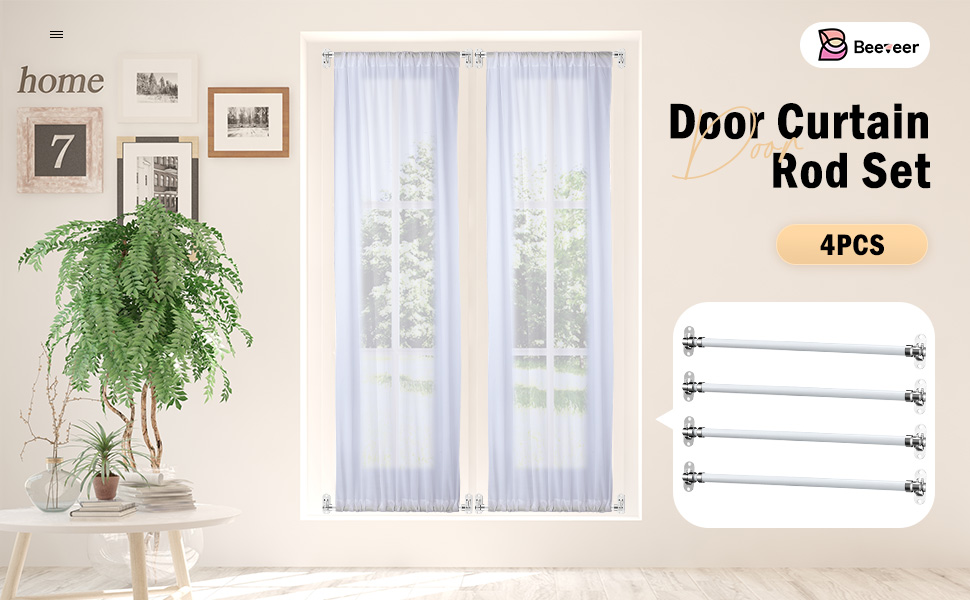
Vertical blinds vs drapery
Vertical blinds have been through a lot, reputationally. I get it. But the category has expanded, and there are a few options that perform well, especially in rentals.
When verticals make sense
- High-traffic doors: kids, roommates, constant in-and-out to a balcony.
- Small clearances: when fabric will always fight the handle or the path.
- Budget constraints: verticals can be affordable and cover a lot of width quickly.
If you go vertical, consider textured fabric vanes or faux wood-look options for a warmer feel. Then soften the room elsewhere with a rug, a lamp with an amber glow, or linen nearby.
When drapery wins
- You want softness: nothing beats drapes for that cozy, layered “home” feeling.
- You want less echo: heavier drapes can help reduce reverberation, especially in sparse rooms with hard surfaces.
- You love flexible light control: sheers + lined drapes is a dream combo.
My personal bias? If the door is in your living room or dining area and you can swing it, drapery instantly elevates the whole space, even if the rest of the room is simple.
Stacking space in real life
Imagine your curtains as a group of friends arriving at a party. When you open the door, everyone needs a place to stand (stack) without crowding the entrance (blocking glass).
How wide should the rod or track be?
- Starting point: extend the rod or track about 8 to 12 inches beyond the door frame on each side, if the wall allows.
- If you are tight on one side: extend more on the side where you want the stack, and keep the other side modest.
- If you have almost no wall space: consider a panel track, a vertical option, or an inside-mount shade.
One-way draw or split?
- Two panels (split center): classic, balanced, easy access from either side.
- One-way draw (stack to one side): great if you always use the same door panel and you want maximum glass exposed when open.
Fullness
Fullness is how much fabric you use relative to the width.
- Sheers: aim for 2x fullness for that floaty, cloud-like look.
- Drapes: 1.5x to 2x fullness looks rich without being bulky.
If you are using a track system like ripplefold, the system often dictates fullness. Follow the brand guidance, then prioritize smooth gliding and enough stack space.
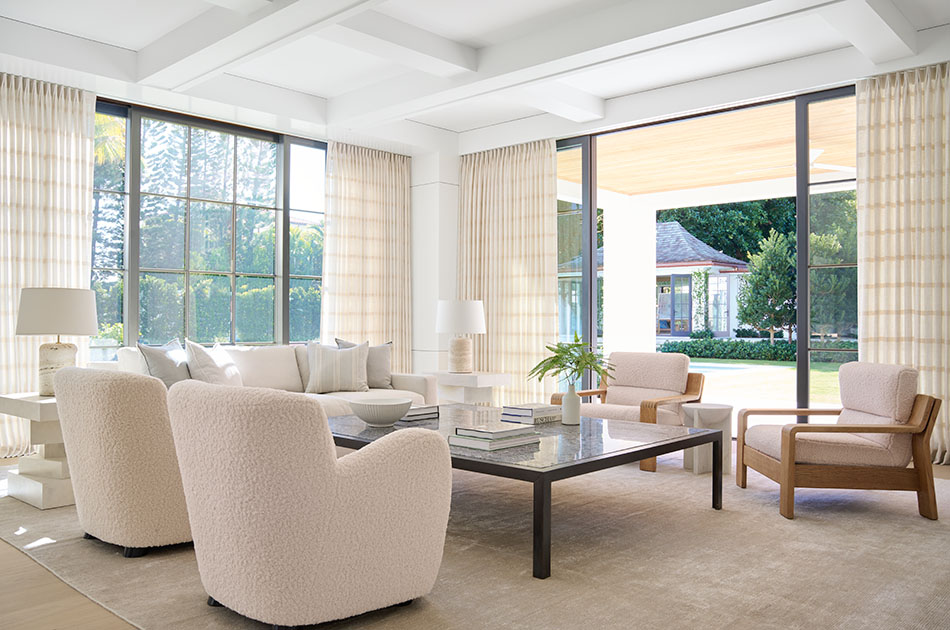
Liners and the sunroom effect
Here is a little styling truth: most people think they need heavier curtains when what they actually need is a better lining strategy.
Privacy liner
A privacy liner gives you coverage at night without turning your living room into a cave during the day. It is ideal if your patio faces a walkway or neighboring building.
- Good for: living rooms, dining areas, street-facing doors.
- Look: still soft, still bright, just less see-through.
Blackout liner
If the door is in a bedroom, or if your TV turns into a mirror every afternoon, blackout liners are worth it.
- Good for: bedrooms, media rooms, west-facing doors.
- Tip: choose a liner that is sewn in or designed to attach cleanly so it does not bunch or sag when you open and close.
Thermal liners
For older sliders or chilly winters, a thermal liner can help reduce that cold “window seat” feeling near the door. If you have a true draft (air you can feel moving), you will usually get the biggest improvement by pairing curtains with basics like weatherstripping, door adjustment, or a sweep at the bottom.
- Good for: draft-prone rentals, older townhomes, anyone sitting near the door.
My favorite cozy trick: a linen-look drape with a simple privacy liner. You get the romance of fabric and the confidence of coverage, without losing that bright, afternoon glow.
Pets and busy doors
If you have a cat who believes curtains are a climbing wall or a dog who barrels through to the patio like it is a starting line, you are not alone. You can still have something pretty.
Pick the right material
- Tighter weaves: less snagging than loose, slubby open weaves.
- Washable fabrics: machine-washable or easy-care blends for muddy paw season.
- Avoid puddling: hem curtains to kiss the floor or hover just above it to reduce fur collection and tugging.
Pick the right operating style
- Traverse or track systems: smoother motion means less tugging and fewer jerky pulls.
- Wands over cords: safer and simpler around pets and kids.
- Panel tracks: no swishy hem to attack, and fewer folds to hide hair.
Small habit, big payoff
If your pet uses the door constantly, consider training a “pet lane.” Stack panels to the side that keeps the most-used opening clear, and use a tieback or holdback so fabric does not drift back into the path.

Renter-friendly options
Rental constraints do not have to mean sad metal mini blinds. You just need the right kind of “temporary” hardware, and a realistic sense of weight limits.
Tension rods
Tension rods can work if you have a substantial frame and are using something light, like sheers or café-style panels. For most patio doors, tension alone can be limiting because of the width.
- Best for: narrow sliders, layered sheers, secondary privacy.
- Watch for: wide spans can bow and slip.
No-drill rod brackets
There are renter-friendly rod brackets designed to grip the wall at the top of the trim or use strong adhesive. They can be great, but only if you keep the fabric weight reasonable.
- Best for: lightweight to medium panels, renters who want a traditional rod look.
- Tip: clean the surface well and follow cure times. Adhesives fail most often because someone hangs drapes ten minutes after sticking.
Door and frame mounts
Some systems mount directly to the door or the frame without permanent holes. These can be useful when you cannot touch the wall, but you still want coverage.
- Best for: small apartments, strict lease terms, doors where wall mounting is impossible.
- Watch for: anything attached to the moving door can sway or rattle when used frequently.
If you want a no-drill “track” look
If you love the clean line of a track but cannot drill, look for trim-grip rod brackets paired with a smooth ring system, or consider an inside-mount roller or solar shade that disappears when open. (They do not need stacking space, which is the whole point.)
Keep it landlord-friendly
If you are allowed to drill, keep it neat: use proper anchors, mount into studs when possible, and save your original blinds to reinstall when you move out.
Details that look expensive
Mount high
Even if your door frame is average height, mounting closer to the ceiling makes the entire wall feel taller. It also gives curtains room to stack without blocking glass.
- Most rooms: mount the rod or track a few inches below the ceiling, or as high as your trim allows.
- Low ceilings: ceiling-mount tracks can create that clean, lifted line.
Hem for real life
- Floor-kiss: my favorite for patio doors. It looks tailored and does not drag dirt in from outside.
- Hover: about half an inch above the floor if you vacuum often or have shedding pets.
- Avoid puddling: pretty in photos, annoying near doors.
Finish matters
A warm brass rod, an aged bronze track, matte black brackets. These tiny decisions add up. If your space leans vintage, choose a finish with warmth and depth. If your space leans modern, go clean and minimal.
Quick pick list
- I want soft and cozy, I use the door daily: traverse rod with lined drapes.
- I want modern and minimal, with the easiest glide: ceiling or wall-mounted curtain track.
- I want a structured look with a small stack: panel track.
- I am renting and cannot drill: trim-grip no-drill rod brackets with lighter curtains, or an inside-mount roller or solar shade for zero stacking.
- I need nighttime privacy but love daylight: sheers plus privacy liner, or lined linen-look drapes.
- I have pets and a busy patio: track system with a wand and a floor-kiss hem.
Common problems and fixes
Curtains catch on the handle
Switch to a track, use a rod with more projection, or choose rings that glide smoothly so you are not tugging the fabric into the hardware.
Panels block too much glass when open
Extend the rod or track wider so the panels stack off the glass, reduce fullness a touch, or use a one-way draw that stacks to the least intrusive side.
The door feels drafty
Add a thermal liner, and make sure the curtains are wide enough to overlap the frame edges when closed. If you can feel air movement, weatherstripping and door adjustment usually do the heavy lifting.
Everything looks bulky
Reduce fullness slightly, choose a lighter fabric, switch headings (some stack bigger than others), or move from a classic rod to a track that stacks more neatly.
Final nudge
Sliding doors can feel like a big blank rectangle until you dress them. The right treatment turns them into a feature, not an afterthought. Pick hardware that glides, plan your stack space, add a liner if you need it, and keep the hem practical. Your patio door should feel like an invitation, not a daily wrestling match.
If you tell me your door width (including trim), whether you can drill, your handle projection, and which side you use most, I can help you narrow it down to one or two specific setups that will look effortless.