Why Your Throw Blanket Looks Cheap on the Sofa

Clara Townsend
Clara Townsend is an interior stylist, vintage furniture enthusiast, and the creative voice behind Velvet Abode. With over a decade of experience transforming both cramped city apartments and sprawling fixer-uppers, she believes that a beautiful home is built on personal stories rather than massive budgets. When she isn't hunting for the perfect brass sconce at a local flea market, she can usually be found rearranging her living room for the third time this month.
There’s a particular kind of styling heartbreak: you buy a throw blanket you genuinely love, toss it on the sofa, and somehow it looks like it came free with a dorm mini fridge.
The good news is this is rarely about “taste” and almost always about a few fixable details: scale, texture, color noise, and the surprisingly tricky issue of folding too perfectly. Let’s troubleshoot what’s going wrong, then I’ll show you a layering method that makes your sofa look lived-in, cozy, and intentional.
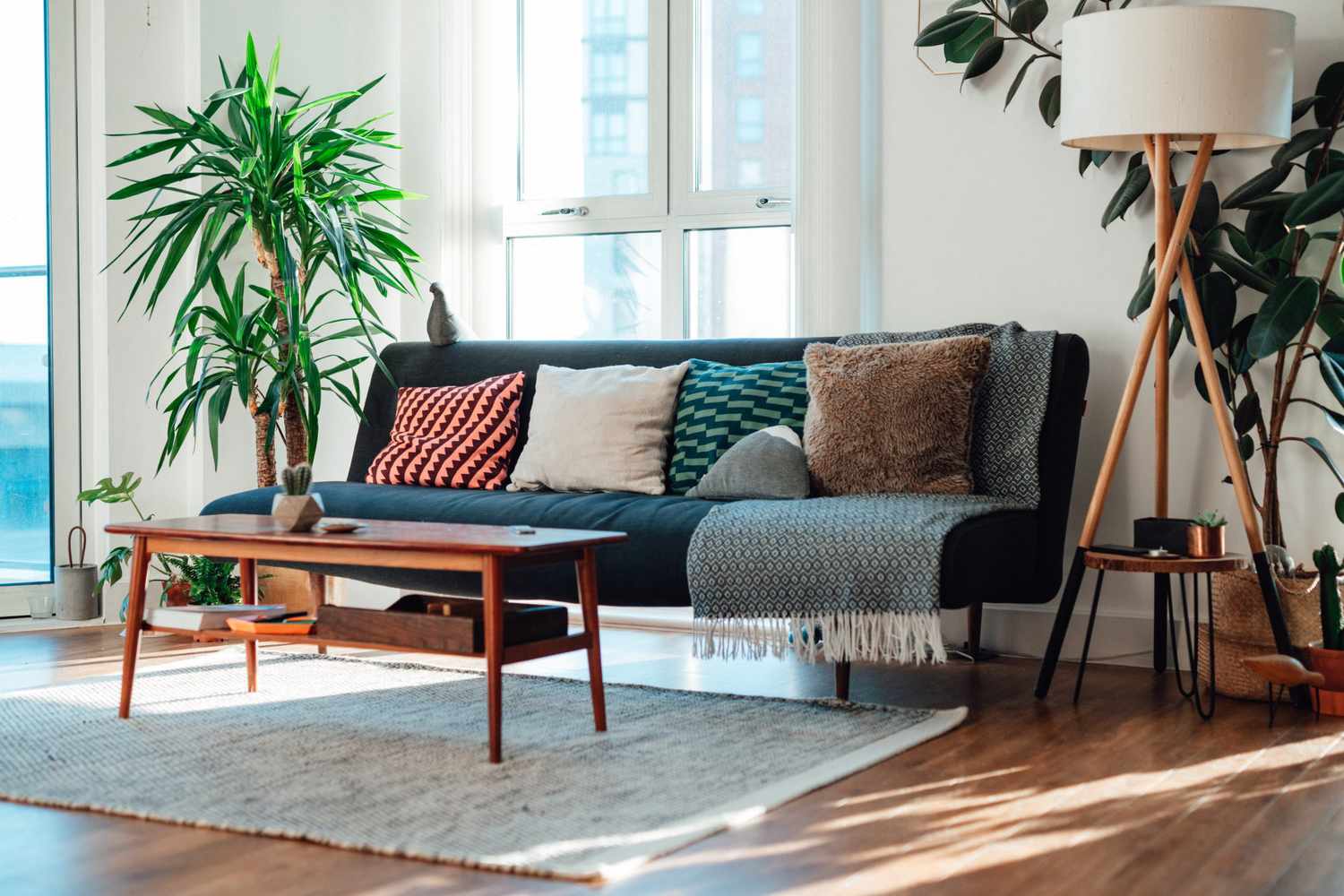
The 5 reasons your throws look cheap
1) The blanket is the wrong size for your sofa
Most throw sizes are made to fit a person, not a piece of furniture. On a full-sized sofa, a small throw can read like a napkin: skimpy, floaty, and accidental.
- Too small: The blanket barely covers the arm or seat and looks like a prop.
- Too narrow: It can’t create folds, so it sits flat and lifeless.
- Too short: It stops awkwardly halfway down the front of the sofa.
Quick fix: For a typical 84 to 96 inch sofa, aim for a throw around 50 x 70 inches minimum, and don’t be afraid of oversized (something like 60 x 80 inches) if you want that lush, layered look. If your sofa is extra deep, has wide arms, or you like a dramatic puddle, size up.
2) The fabric looks thin, shiny, or overly “new”
When a throw reads cheap, it’s often because it looks like it was vacuum-sealed yesterday. Ultra-smooth fleece, thin acrylic knits, and anything with a plasticky sheen can fight the cozy story you’re trying to tell.
What photographs well: chunky cotton, washed linen, wool blends, mohair-style fuzz (even faux), and anything with a visible weave, slub, or nubby texture. “Imperfect” fibers are your friend here.
3) Texture clash: everything is the same kind of soft
If your sofa is a plush chenille, your pillows are velour, and your throw is fuzzy fleece, it can all blur into one flat, fuzzy blob. Luxury isn’t always “softest.” Luxury is contrast: smooth next to nubby, matte next to a slight sheen, tight weave next to loose knit.
A good rule: Pick one “hero soft” item. Let the rest add structure.
4) Too-perfect folding makes it look staged and stiff
The neat little retail triangle draped over the arm can read like a store display, not a home. In real life, blankets bend, puddle, and crease. When you remove all movement, the blanket looks like a placeholder.
Translation: You don’t need to be messy. You need to be relaxed.
5) Color noise: the throw is shouting over everything
This is the sneaky one. A throw blanket has a lot of surface area, so a high-contrast pattern or a bright color can take over the whole room, especially if your pillows already have prints.
- If the throw is patterned: keep pillows mostly solid or subtly textured.
- If pillows are patterned: choose a throw that’s solid, heathered, or tonal.
- If everything is neutral: a rich, grounded color looks intentional (camel, rust, olive, ink, oxblood).
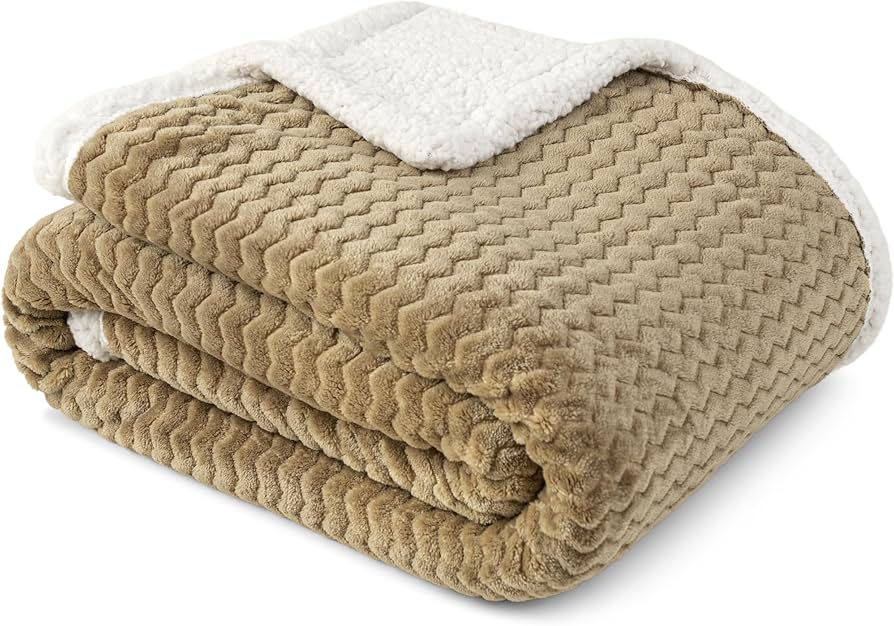
The layering rules that make throws look intentional
When I style a sofa, I use four simple rules that work in tiny apartments and big, echo-prone living rooms alike: scale, contrast, repetition, and seasonal rotation.
Rule 1: Scale (one throw should feel generous)
Give the eye something substantial. Even if you only use one throw, make it a good one size-wise. A generous throw creates folds, and folds create shadow, and shadows create that editorial depth we all want.
- Seat blanket look: let it cover part of the seat cushion and spill down the front 6 to 12 inches.
- Arm drape look: let it fall down the outside of the arm and puddle slightly at the base.
Rule 2: Contrast (mix at least two textures)
Think of it like an outfit. If everything is the same fabric, it looks flat. Pair a smoother base with a more tactile layer.
- Smooth: cotton, tight weave linen, light wool
- Tactile: chunky knit, brushed wool, faux mohair, waffle weave
If your sofa is already heavily textured (bouclé, chenille), go for a throw with structure like linen, a crisp cotton weave, or a flatter wool blend.
Rule 3: Repetition (echo a color or material twice)
This is the fastest way to make your throw feel like it’s meant to be there. Repeat one detail elsewhere so it looks like part of a plan.
- Repeat the throw color in a pillow stripe, artwork, or a candle on the coffee table.
- Repeat a material like leather, brass, or wood warmth nearby so the palette feels connected.
- Repeat the texture family: if you choose linen, add another linen pillow or curtain nearby.
Rule 4: Seasonal rotation (keep the sofa fresh without redoing the room)
You don’t need more decor. You need a small rotation. I like two throw moods per year: warm-weather and cool-weather.
- Spring and summer: washed linen, lightweight cotton, waffle weave, pale stripes
- Fall and winter: wool blend, chunky knit, brushed textures, deeper colors
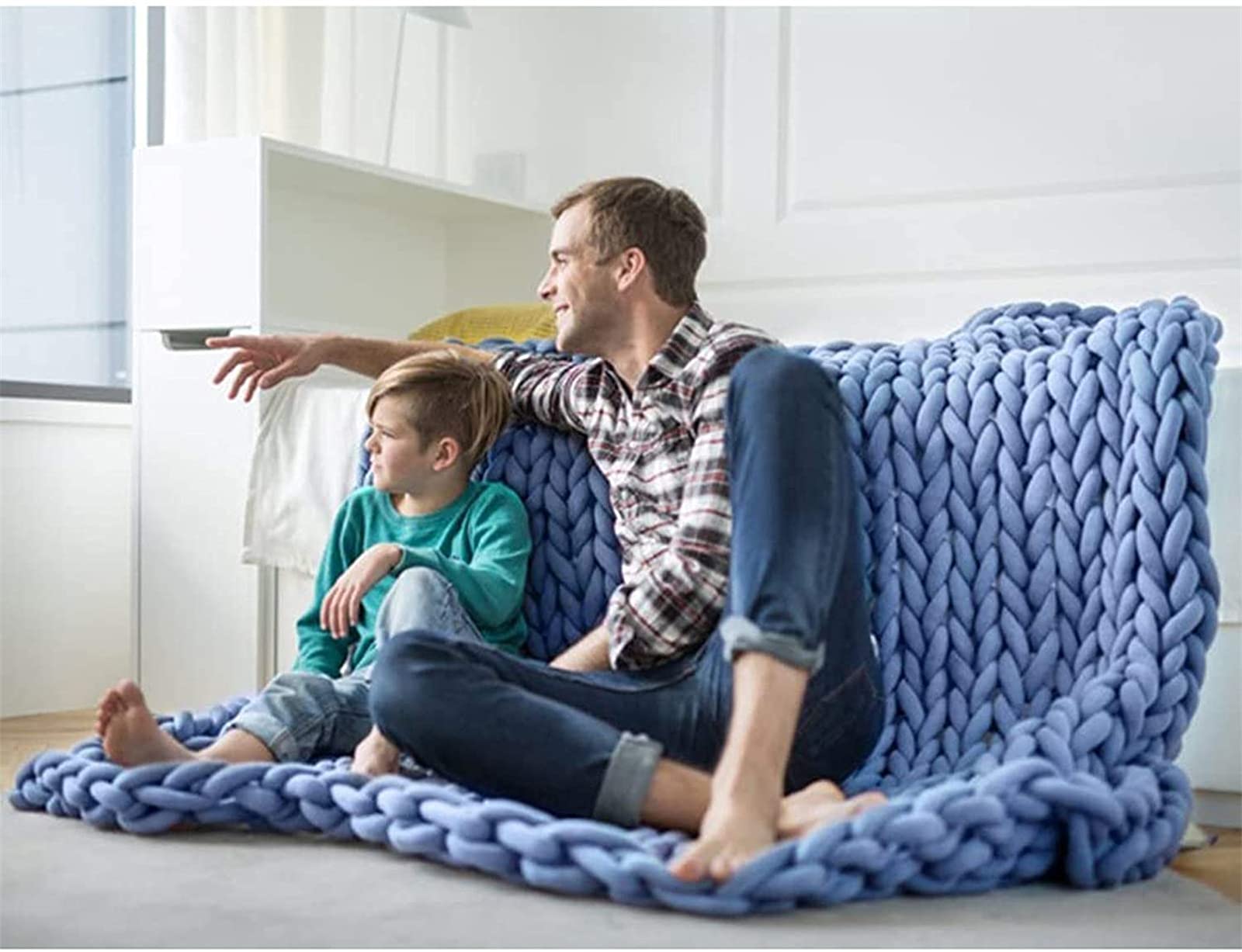
How to layer throws on a sofa (3 easy formulas)
Pick one formula, do it exactly once, then stop. Over-styling is usually what makes a sofa look fussy.
Formula A: The one and done drape
- Choose a generously sized throw in a textured solid.
- Pinch it at one corner, then place that pinch point on the inside of the arm.
- Let the rest fall naturally over the arm and onto the seat.
- Do one small adjustment so it doesn’t look like it’s about to slide off.
Best for: minimal rooms, small apartments, anyone who wants easy cozy without clutter.
Formula B: Base + accent layer
- Base throw: a larger, calmer piece (solid or tonal) across the seat.
- Accent throw: a smaller or more textured piece casually tossed on top, but only covering about one third of the base.
Best for: making a plain sofa look richer, especially in open-plan spaces.
Formula C: The bench fold (for tidy people)
If you love a clean look but want it to feel elevated, do a relaxed fold, not a sharp one.
- Fold the throw into thirds lengthwise.
- Fold once more, but don’t align the edges perfectly.
- Lay it over the back cushion corner, letting the bottom edge fall at a slight angle.
- Add one soft pinch so it has a little lift and shadow.
Best for: households with kids, pets, or anyone who likes a reset-at-night routine.
Throw blanket styling labs
These are tiny experiments you can do in under two minutes. Treat them like trying on outfits. If one doesn’t work, it’s not you. It’s just not the right combo.
Lab 1: The scale test
- Stand across the room.
- If you can only see a thin strip of blanket, it’s too small or too neatly folded.
- Goal: the throw should read as a soft block of texture, not a ribbon.
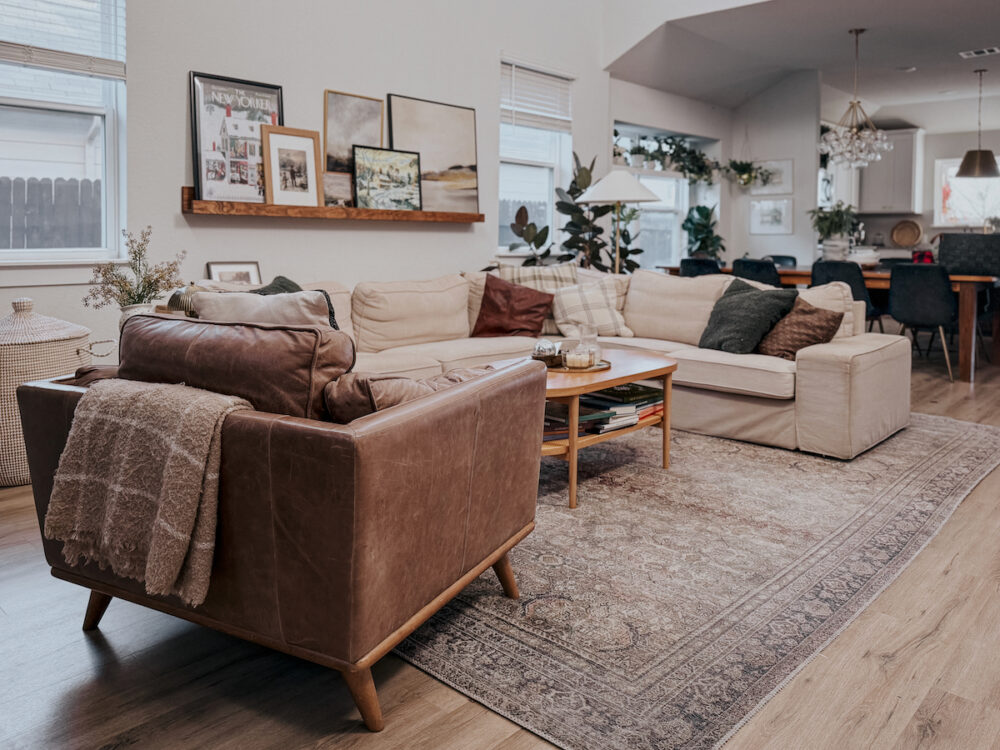
Tip: A generous throw that drops past the seat cushion instantly looks more intentional.
Lab 2: The texture swap
- Keep the color the same.
- Swap only the fabric (linen instead of fleece, wool instead of slick knit).
- Notice how the room suddenly gains depth.
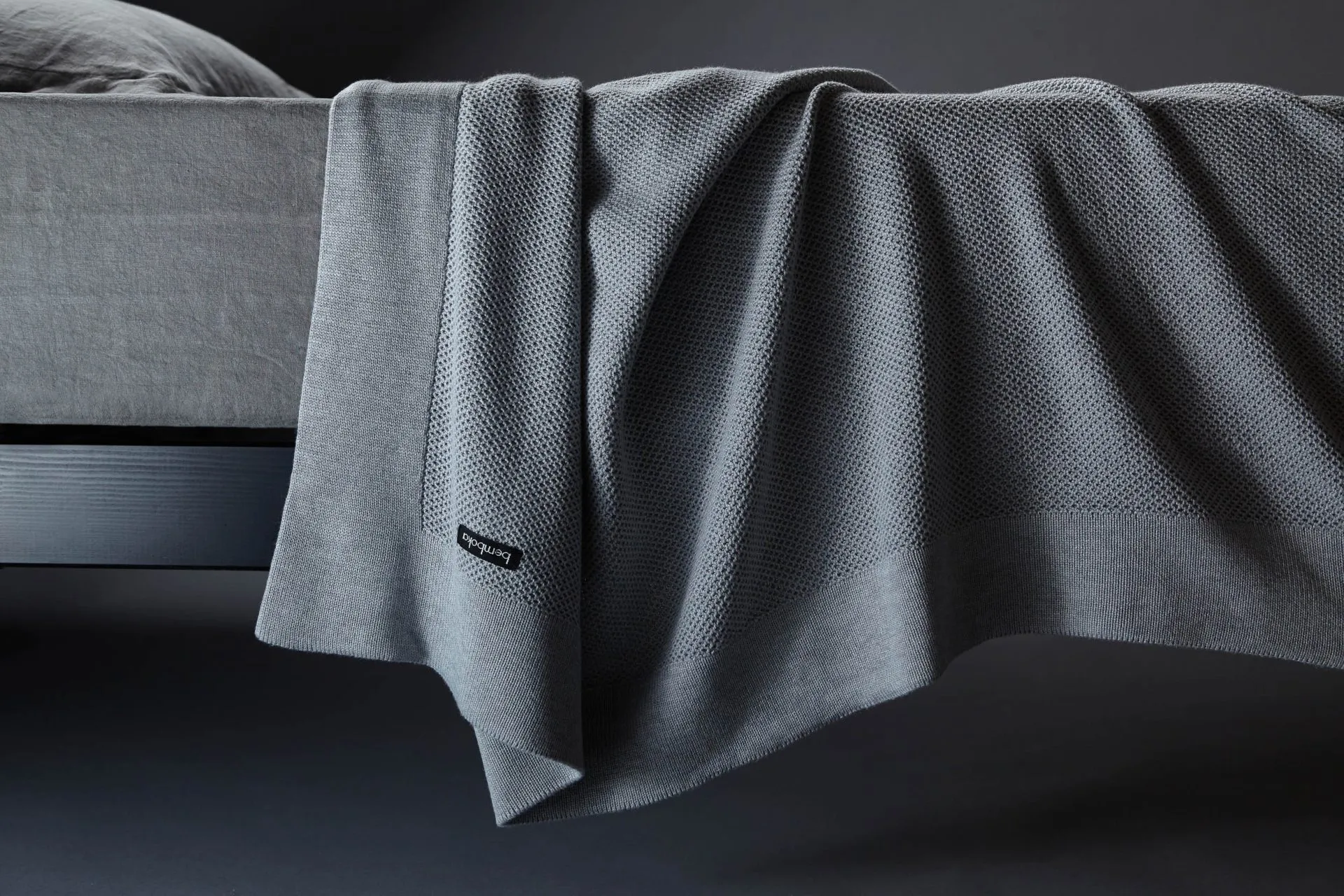
Tip: Matte, woven textures tend to photograph like a boutique hotel.
Lab 3: The pattern diet
- If you have two patterned pillows, make the throw solid.
- If the throw is patterned, make at least two pillows solid.
- Keep one print as the star.
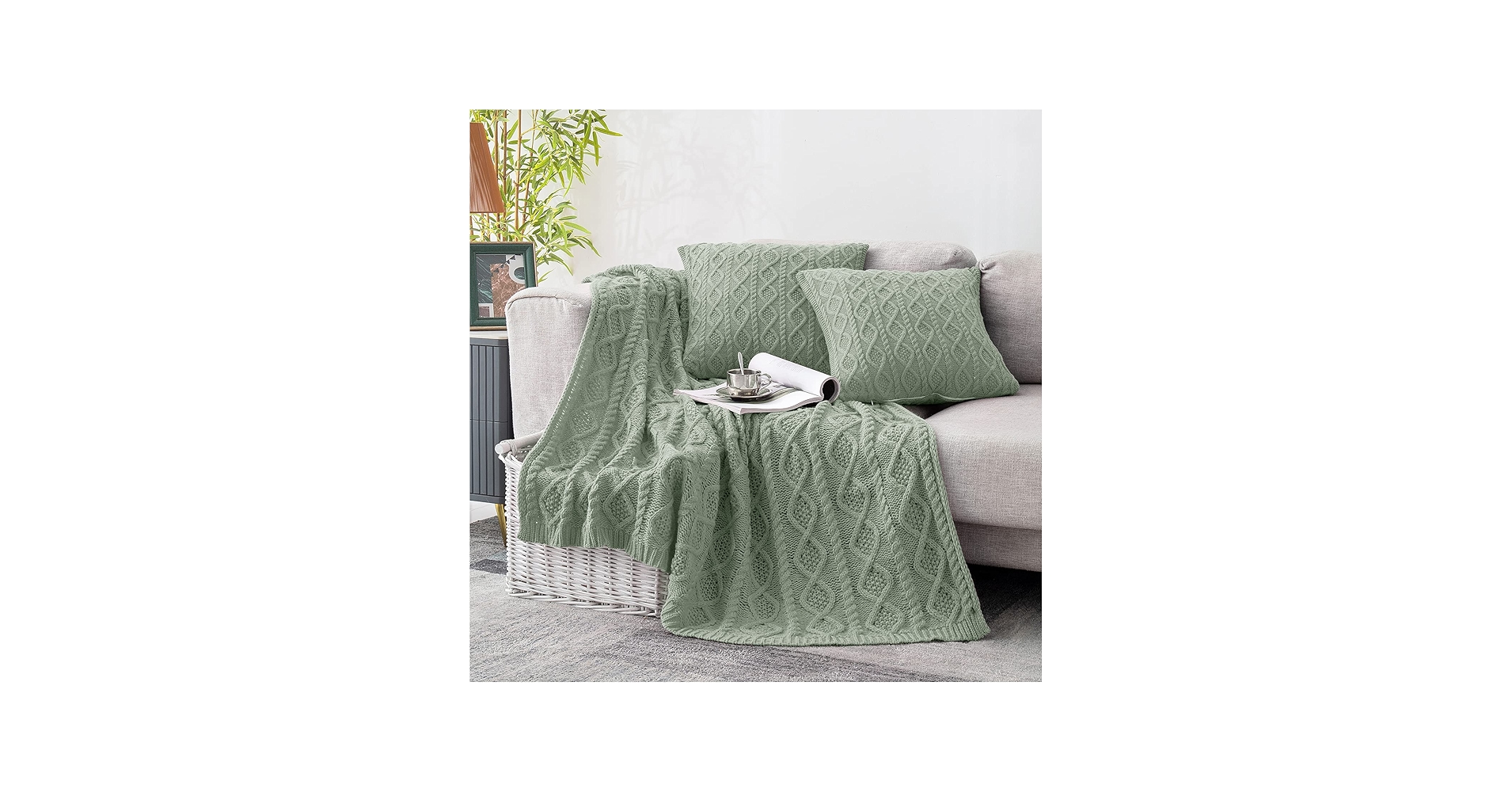
Tip: One hero pattern, everything else plays a supporting role.
Lab 4: The unfold one step trick
- If your throw is looking stiff, unfold it one step.
- Shake it once.
- Set it down and walk away for 10 seconds.
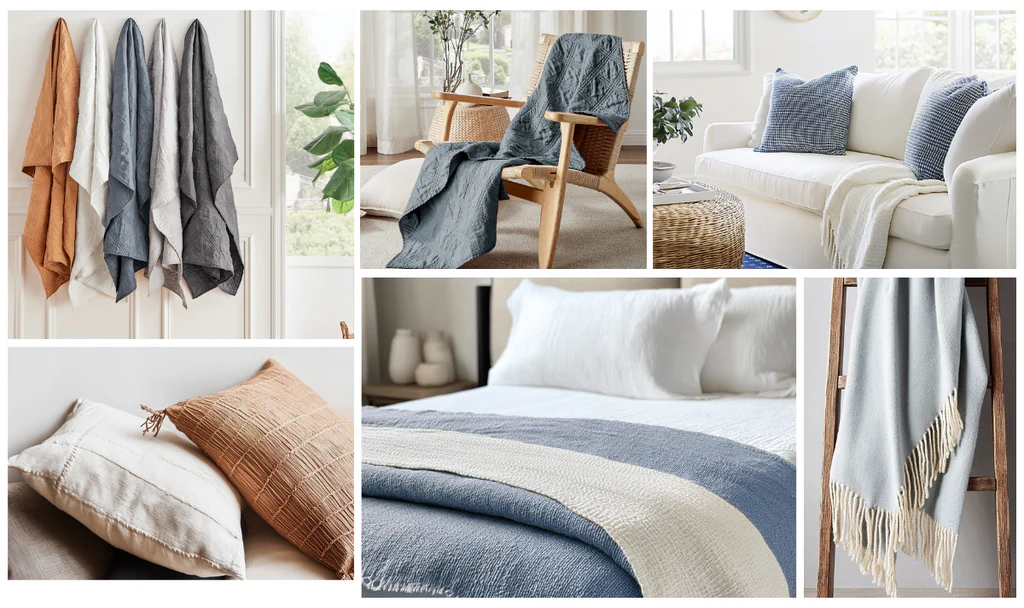
Tip: Relaxed folds look lived-in, not messy.
What to look for when buying a throw
You don’t need a designer label. You need the right ingredients.
- Size: match it to your sofa, not the packaging. For loveseats, 50 x 60 or 50 x 70 often works; for standard sofas, 50 x 70 or 60 x 80; for sectionals or deep sofas, consider going oversized so you can actually drape it.
- Weight and drape: heavier or more fluid weaves tend to drape better than stiff, lightweight ones.
- Finish: matte often reads more elevated than shiny, especially in bright daylight.
- Texture: visible weave, nubby slub, or a knit with dimension.
- Color: heathered yarns look richer than flat, single-tone dye.
- Edge detail: simple fringe, blanket stitch, or a clean hem can add intention.
Care note (this matters more than people think): Pilling and fuzz can make even a nice throw look tired fast. If it’s an acrylic blend, keep a fabric shaver on hand. If it’s wrinkled or stiff, a quick steam (or a wash and air dry, following the label) can soften the look and improve the drape.
Real life check: If you’ve got pets or a high-traffic home, tighter weaves and flatter textures snag less than loose knits. If you’re sensitive to wool, try cotton, linen, or a soft wool blend labeled as non-itch.
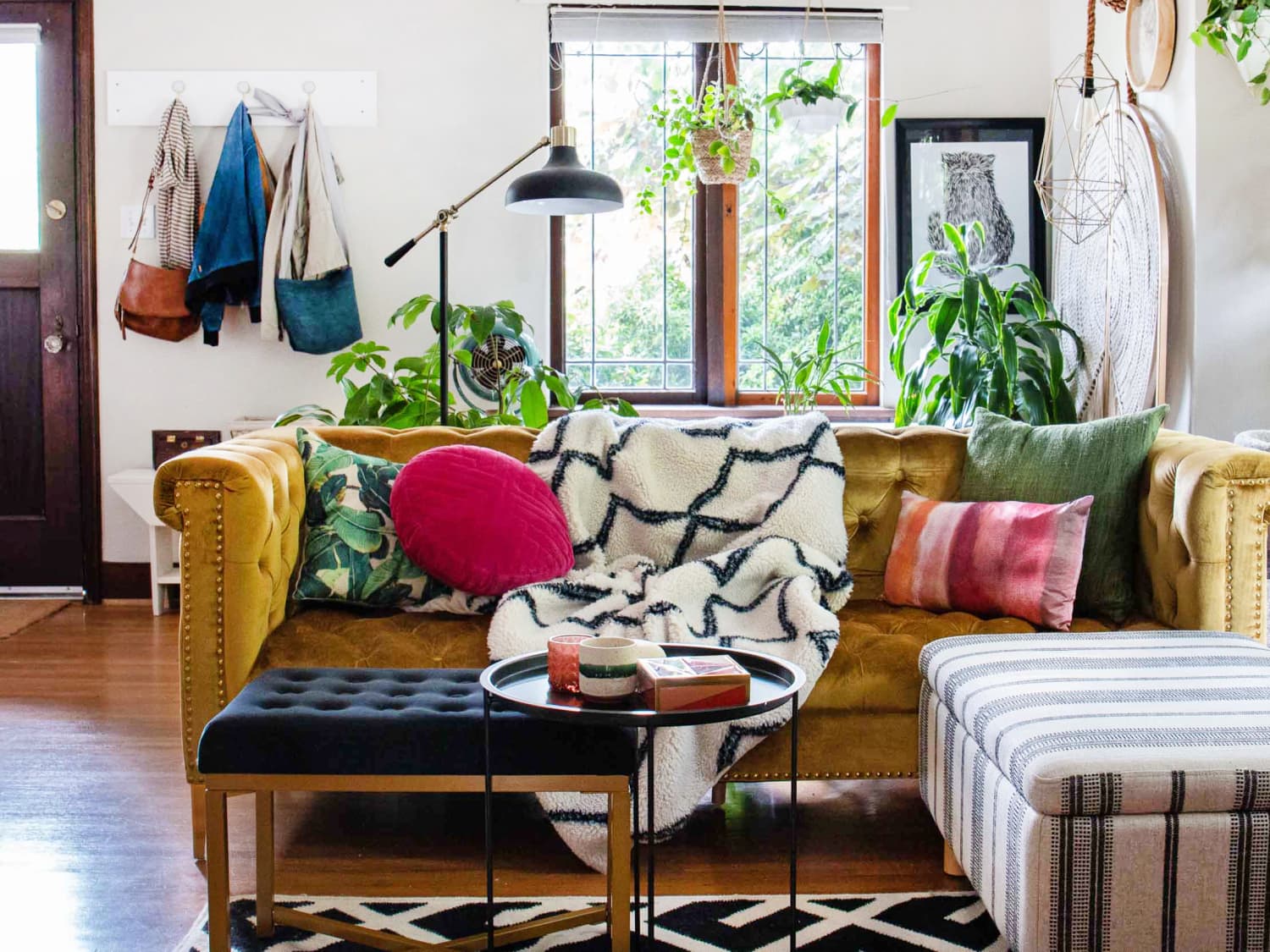
A simple reset when the sofa still feels off
If you do all of this and something still looks wrong, do this quick reset I use on my own sofa when I start rearranging for the third time in a month.
- Remove everything. Blank slate.
- Add pillows first. Get your color story right.
- Add one throw. Choose the larger, calmer one.
- Step back. If it needs more, add a second throw with a different texture, not a louder color.
Your sofa doesn’t need to look like a showroom. It needs to look like you, but on your best, coziest day.