Wet Couch From a Leak or Spill? Dry It Fast and Avoid Mold

Clara Townsend
Clara Townsend is an interior stylist, vintage furniture enthusiast, and the creative voice behind Velvet Abode. With over a decade of experience transforming both cramped city apartments and sprawling fixer-uppers, she believes that a beautiful home is built on personal stories rather than massive budgets. When she isn't hunting for the perfect brass sconce at a local flea market, she can usually be found rearranging her living room for the third time this month.
A wet couch feels like a small disaster because it is not just “a spill.” It is fabric, foam, batting, wood, and sometimes metal springs all holding moisture in different ways. The goal is simple: get it dry fast, get airflow to every layer, and stop anything fuzzy, musty, or spreading before it turns into a bigger problem.
Whether you’re dealing with a toppled water glass, a pet accident you already treated, or a ceiling leak that found your sofa first, this is the exact approach I use when I need to save upholstery quickly and avoid mold.
First: Stop the source and gauge urgency
Before you touch a towel, make sure the water is done happening.
- Leak: Put a bucket under the drip, move the couch, and take quick photos of the ceiling or wall source if you can safely do it.
- Spill: Remove anything that keeps liquid trapped, like throw blankets, slipcovers, and cushions sitting in a puddle.
Time matters. If the couch is still damp after 24 to 48 hours, the odds of mildew and mold jump. If it’s been soaked for a day already, skip the “let it air out” hope strategy and go straight to opening it up and moving air through it.
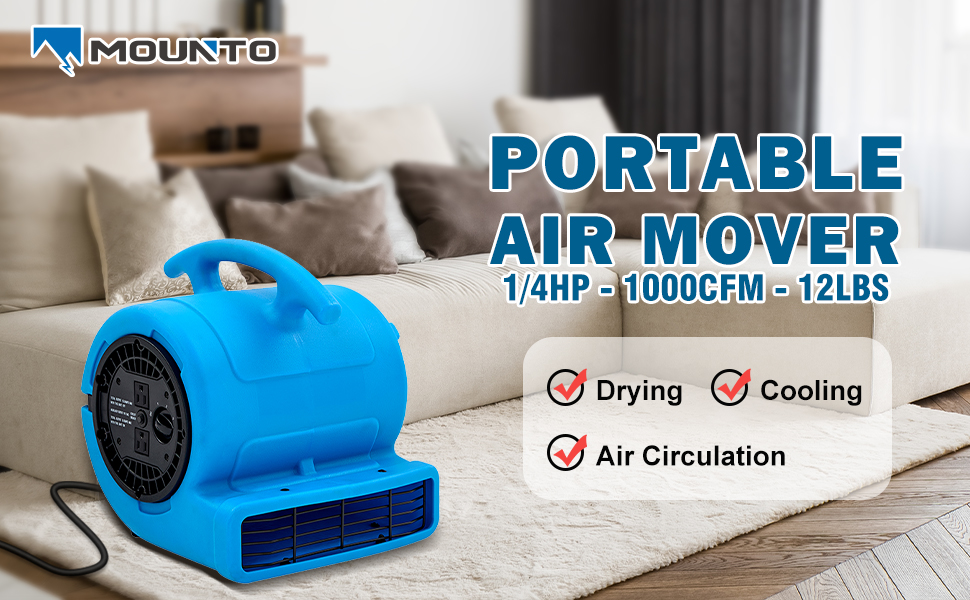
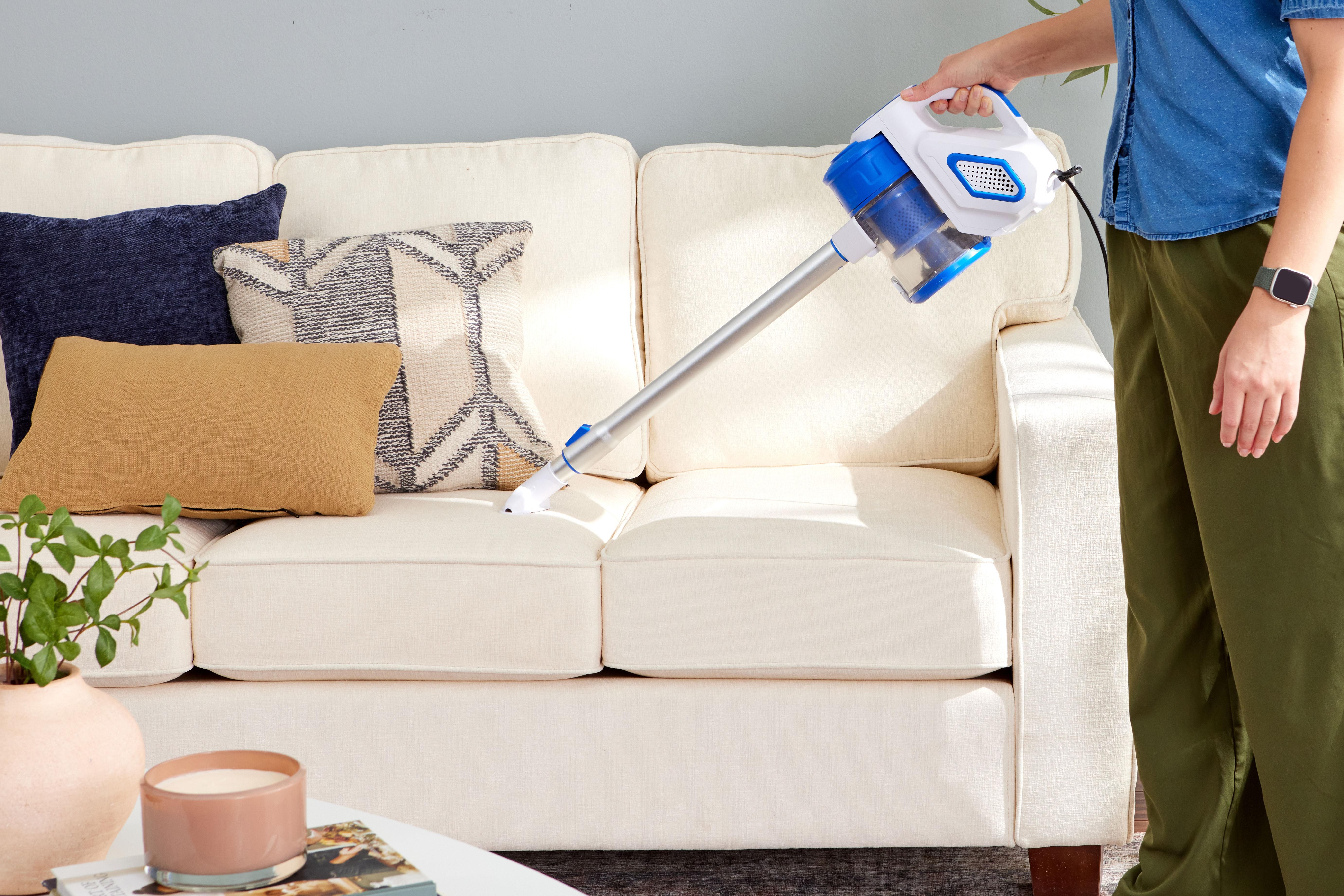
Pull water out fast (Shop-Vac first)
If you have access to a wet/dry vacuum (Shop-Vac) or an upholstery extractor, use it. This is the fastest way to remove deep moisture from fabric and foam, and it can take a situation from “days of drying” to “drying overnight.”
How to use a wet/dry vac on a couch
- Use wet pickup mode: Make sure the filter/setup is correct for wet use (follow your vac’s instructions).
- Use a nozzle or upholstery attachment: A smaller opening concentrates suction.
- Slow passes: Press the nozzle firmly into the cushion and move slowly. Hovering does almost nothing.
- Work in zones: Go over the wet area, then go slightly beyond it. Water loves to spread inside cushions.
- Repeat: Keep extracting until suction sounds change and you’re pulling very little water.
If you do not have a wet/dry vac, towel pressing works. It’s just slower, and it can’t reach as deep into foam.
Blotting vs pressing (what saves upholstery)
Most people rub. Rubbing pushes liquid deeper, frays fibers, and spreads the wet area. What you want is controlled absorption.
Do this: blot, then press
- Blot: Use clean, dry towels to blot the surface, lifting moisture without dragging the towel around.
- Press: Once the top looks “not shiny,” switch to firm pressing. Put a folded towel over the wet spot and press your body weight down for 10 to 20 seconds. Move to a dry section of towel and repeat.
A quick rule
If the towel comes up damp, keep going. When a pressed towel comes up almost dry, you can move to airflow and inner layers.
Open it up: zippers, sleeves, hidden layers
This is the part that actually prevents mold. A couch can feel “dry enough” on top while the foam inside stays wet like a sponge.
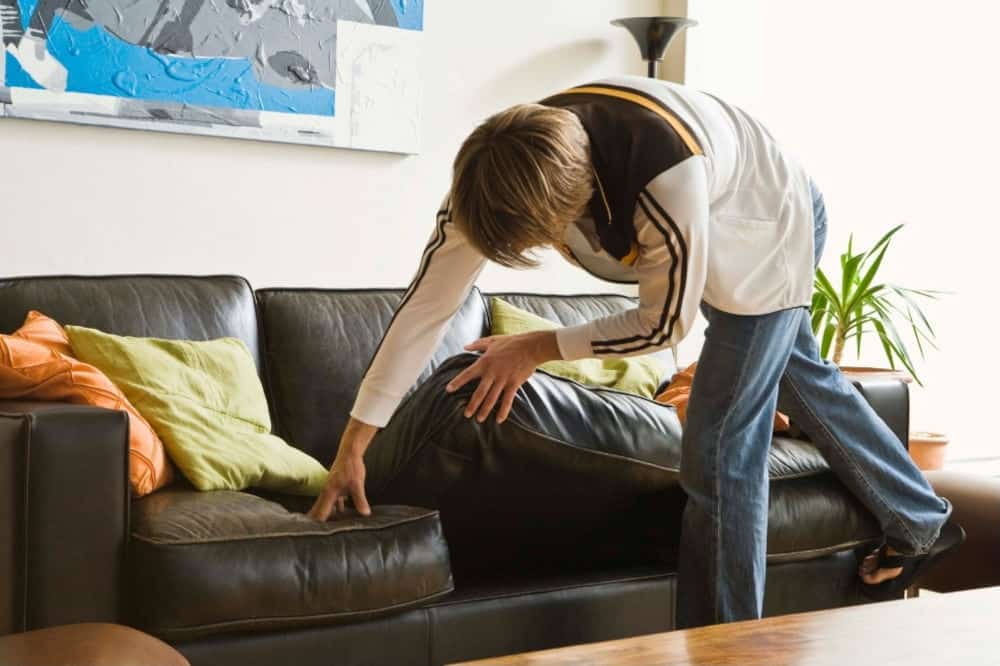
1) Remove every cushion you can
- Take off seat cushions, back cushions, and any loose pillows.
- Stand cushions on their sides or prop them like little tents so air hits more surface area.
2) Unzip covers and check what’s inside
If your cushion covers have zippers, open them. Look for:
- Foam core: usually yellow or white foam.
- Dacron or batting wrap: a fluffy layer around the foam.
- Interliner or inner sleeve: a thin fabric “sock” that keeps foam tidy. These can trap moisture and need airflow too.
If the foam is wet, don’t leave it sealed inside an interliner. Slide it out, or at least peel the interliner back so air can reach the foam.
3) Check the couch body, not just the cushions
If a leak ran down into the frame, reach under and feel the underside fabric (the dust cover). If that’s wet, the internal batting and frame may be wet too.
Fast drying setup: airflow plus dehumidifying
Drying is about moving dry air across wet material and giving moisture an escape route. Still air is the enemy.
Best quick setup (no special equipment)
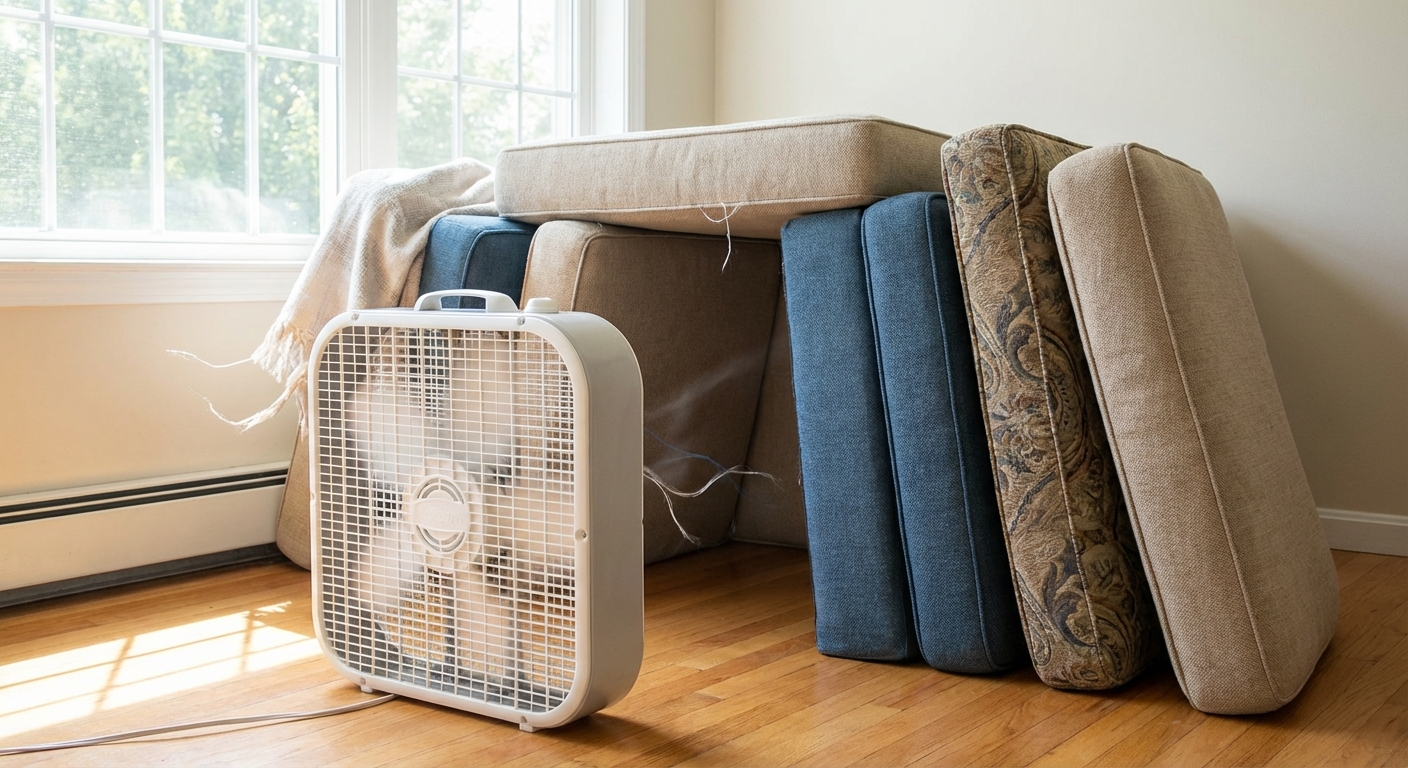
- Cross-breeze: Open two windows in different areas if weather allows.
- One fan for movement: Aim a box fan across the wet area, not straight down into it. Think: sweeping airflow, not blasting a hole.
- One fan for exit: If you’ve got a second fan, point it out a window to push humid air outside.
- Elevate cushions: Place them on a drying rack, slatted chair seats, or upside down on clean blocks so air reaches both sides.
Add a dehumidifier if you can
If you have a dehumidifier, run it in the same room with doors mostly closed. It can make the difference between “still damp tomorrow” and “dry by tonight.”
Use gentle heat, not harsh heat
- Okay: normal room heat, sunlight through a window, or a space heater placed far away to warm the room.
- Avoid: high heat directly on fabric or foam. It can shrink some fabrics, warp plywood, or bake odors in.
When foam is salvageable (and when it’s not)
Foam can often be saved, but only if it dries quickly and doesn’t develop odor or growth.
Foam is usually salvageable if:
- It was soaked with clean water (like a spill or supply line leak) and you started drying within a few hours.
- You extracted as much water as possible (ideally with a wet/dry vac) and then dried it with strong airflow.
- It smells normal or only lightly “wet dog,” and the smell fades as it dries.
- There’s no visible spotting that returns after wiping.
Foam is likely a loss if:
- It was soaked with gray water (dishwater, washing machine overflow) or anything questionable.
- It has a musty odor that gets stronger after drying attempts.
- You see black, green, or white fuzzy growth on foam, batting, or the inside of the cover.
- It stayed wet longer than 48 hours in a humid room.
If only the cover is damaged but the foam is fine, consider replacing just the insert. Many cushion inserts are standard sizes, and swapping foam is often cheaper than replacing the whole couch.
Mildew vs mold: a practical line
I wish there were a perfect sniff test, but here’s the reality: mildew is usually a surface-level early warning, mold is growth that can spread and persist. If you’re immunocompromised, have asthma, or have a baby in the home, treat any suspicion more seriously.
Signs you might be dealing with early mildew
- A slightly musty smell that’s strongest when you first enter the room.
- No visible fuzzy spots, but you see faint discoloration on the inside seams.
- The smell improves noticeably with drying and ventilation.
Signs to treat as mold and escalate
- Visible growth, especially fuzzy, spreading, or returning after cleaning.
- Persistent musty odor that stays even after the couch feels dry.
- Anyone in the home develops new coughing, wheezing, headaches, or irritation around the couch area.
If you suspect mold inside the couch body (not just a removable cushion), professional remediation or replacement is often the safest path. Mold inside a frame is hard to fully remove because it can live in batting, webbing, and wood joints.
If you’re renting: document it
Leaks love to become a “who knew when” argument. A few calm steps now can save you money later.
What to document
- Photos and video: the source of the leak, the wet area on the couch, wet flooring, and any dripping or staining.
- Time and date notes: when you noticed it, when you notified the landlord, and when drying started.
- Humidity and drying efforts: a quick photo of fans or a dehumidifier running isn’t overkill.
- Receipts: towels, a dehumidifier rental, cleaning services, or replacement inserts.
How to notify
Send a written message (email or portal) with a clear request: “Please repair the leak and advise on next steps for water-damaged furniture.” If you spoke by phone, follow up with a short written recap.
If the leak came from another unit, ask your landlord how they want you to handle claims and whether they need information for their insurer.
Quick do and don’t list
Do
- Extract water with a wet/dry vac or upholstery extractor if you can.
- Blot and press with clean towels.
- Unzip cushions and expose foam and inner sleeves to air.
- Set up strong airflow and, if possible, a dehumidifier.
- Rotate cushions every few hours so all sides dry.
- Trust your nose. Musty that persists is a signal.
Don’t
- Rub the fabric or scrub aggressively while it’s soaking wet.
- Seal damp cushions back inside covers “to deal with later.”
- Assume the top being dry means the inside is dry.
- Ignore ongoing leaks, even small ones.
FAQ
How long does it take a couch cushion to dry?
For a light spill, 6 to 12 hours with good airflow is common. For soaked foam, it can take 24 to 72 hours depending on humidity, airflow, and how much you opened the cushion up. If you extracted water with a wet/dry vac first, you can often shave a lot of time off that window.
Can I use a hair dryer?
In a pinch, you can use it on a cool or low-warm setting for small surface dampness, but it’s not great for deep moisture. Fans plus time dry more evenly and are less risky for fabrics.
What if only one cushion got wet?
Dry the cushion, but also check the couch deck underneath it. Water likes to travel and pool where you can’t see it.
What if my couch has down feathers?
Down holds moisture and can smell fast. Open the cover if possible, separate clumps gently, and dry with lots of airflow. If it smells sour or stays clumpy after thorough drying, consider replacing that insert.
A final cozy note
A couch is where life happens. Spills happen. Leaks happen. The win isn’t perfection, it’s acting quickly and drying thoroughly so your home stays healthy. If you want to share what fabric you have (linen blend, microfiber, velvet, leather), I can point you toward the safest fabric-specific next steps.