Washing a Small Rug in a Washing Machine

Clara Townsend
I love a vintage rug as much as the next flea market lurker, but I also love a washable little runner that can survive real life. The trick is knowing which “small rugs” are truly machine-friendly and which ones will come out warped, gummy, or weirdly crunchy. Let’s make sure your washer stays happy and your rug stays intact.
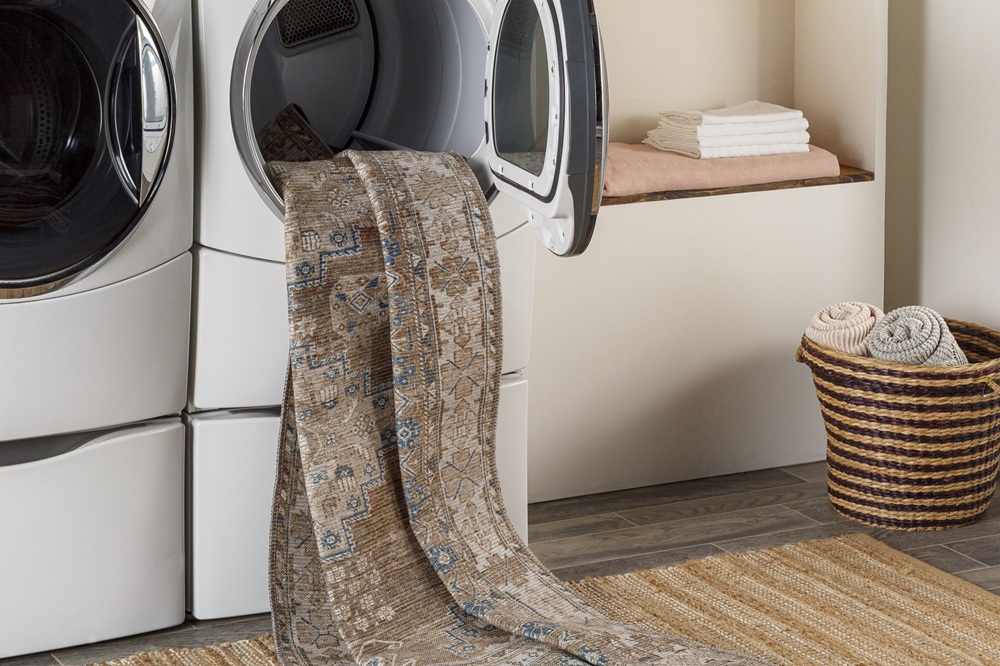
Quick yes or no: Can this rug go in the washer?
Before anything else: the care label wins. If it says “dry clean only” or “do not wash,” I stop there.
If the label allows washing or is missing, flip the rug over and look for two clues: the fiber (cotton, wool, viscose, etc.) and the backing (rubber, latex, woven, glued, etc.). Those two details decide almost everything.
Usually safe to machine-wash
- 100% cotton flatweaves and rag rugs (when the care label agrees)
- Cotton blends labeled “machine washable”
- Washable printed rugs specifically designed for home machines, often with a thin, flexible backing
- Low-pile synthetics (like polyester) only if the label allows it and the backing is flexible and not crumbling
Usually not safe for a home washer
- Jute, sisal, seagrass: water can cause swelling, rough texture changes, and staining
- Viscose (art silk), bamboo silk: prone to damage, distortion, and ugly water marks
- Wool (most rugs): can felt, shrink, and lose shape unless explicitly marked washable
- Rugs with stiff, glued backings: adhesive can break down and shed into the machine
- Thick rubber-backed mats: can crack, flake, or hold moisture so they dry very slowly
- Vintage or fragile rugs: dye bleed and fiber weakness make the washer too risky
My rule of thumb: If the backing feels like a yoga mat, foam sheet, or anything “sticky,” I treat it as a no unless the manufacturer clearly says otherwise.
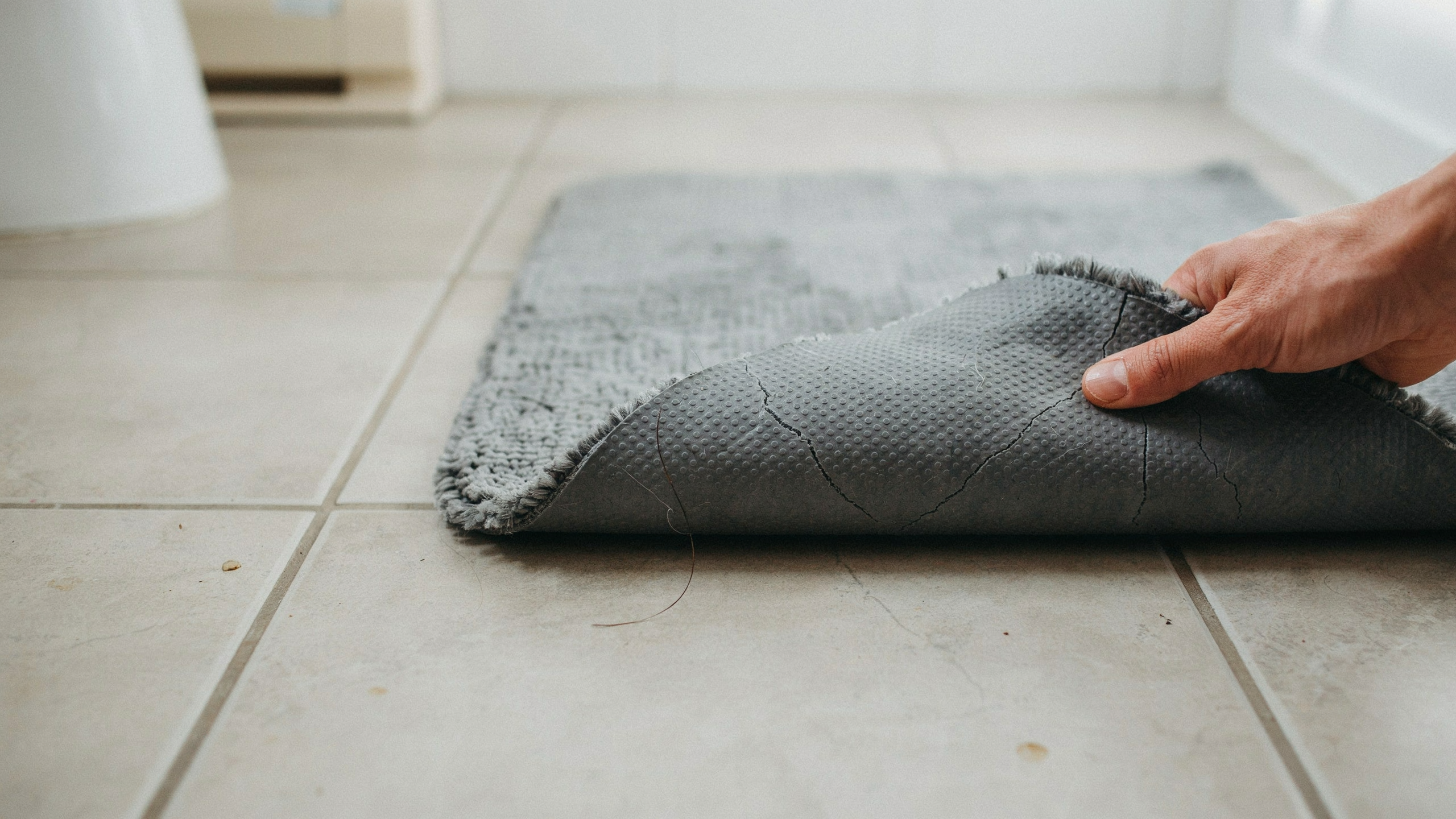
Backings matter more than you think
Most machine-washing rug disasters are really backing disasters. The fabric portion might be fine, but the backing can:
- Crack from heat, high spin, or age
- Delaminate when adhesives soften
- Shed crumbs that can clog drains or pumps and leave residue in the drum
- Stay damp longer than the top surface, which can lead to odor or mildew
Green flags
- Backing is thin, flexible, and fabric-like
- Care label explicitly says machine wash and gives temperature guidance
- No cracking when you gently bend the rug (especially at corners)
Red flags
- Backing has visible cracking before you wash
- Backing feels stiff or sounds crackly when flexed
- Backing is thick rubber or latex or heavily glued
- You see powdery residue when you rub it with your fingers
Size and weight: What counts as “small”?
A rug can be small on the floor and still be too heavy when wet. Wet fabric is sneaky like that.
A practical fit check
- The rug should sit in the drum with room to move. If you have to mash it in, it will not rinse well.
- As a general comfort zone, most home machines do best with bathmat size up to a small 2x3 or thin 2x4, depending on thickness.
- If you lift the dry rug and think, “This already feels hefty,” expect it to get significantly heavier once saturated. Some rugs can be 2x heavier or more when wet.
Why it matters: Overloading can throw the washer off balance, strain the machine, and leave detergent trapped in the fibers. Your rug also takes a beating when it is packed too tightly to swish around.
If you are unsure, check your washer manual for guidance on bulky items and max loads. And if the machine keeps thumping and rebalancing, pause the cycle and remove the rug. It is not worth risking a walking washer.

How to machine wash a small rug
If the care label allows machine washing and the backing passes your flex test, here is the gentle approach I use at home.
1) Shake and vacuum first
Get the grit out before it hits your washer. Vacuum both sides if you can, especially along edges where crumbs like to hide.
2) Do a quick dye test
For dark colors, bold prints, or anything vintage-ish, dab a hidden spot with a damp white cloth. If dye transfers, skip the washer and stick to careful spot cleaning.
3) Spot treat stains lightly
Use a small amount of mild detergent and cool water. Blot, do not scrub like you are sanding a table. Aggressive rubbing can fuzz the pile or distort a flatweave.
4) Use a mesh laundry bag if it fits
For thin cotton rugs, a large mesh bag helps reduce edge fraying and keeps tassels from tangling. If the rug is too bulky for a bag, skip it.
5) Choose the right settings
- Water temp: Cold is safest for color and backing longevity.
- Cycle: Delicate or gentle.
- Detergent: Mild, low-suds. Use less than you think you need. If you usually use pods, consider liquid for cold cycles so everything dissolves cleanly.
- Bleach: Avoid, especially on anything printed or colored.
6) Keep spin speed modest
If your machine lets you adjust spin, aim lower rather than higher. High spin can stress the backing and encourage cracking over time, especially on older rubber or latex.
If you cannot control spin speed, stick to the delicate setting and avoid cycles designed for heavy towels or bedding.
7) Add towels to balance the load
If your rug is on the heavier side but still washer-safe, washing it with two old towels can help balance the load. Choose towels you do not mind getting linty or slightly discolored.
Drying without cracking the backing
This is where most people accidentally ruin a perfectly washable rug. Heat and time are the villains.
Best option: Air dry flat
- Lay the rug flat on a drying rack, clean patio, or over several lines so it is well supported.
- Flip it halfway through so both sides dry evenly.
- Keep it out of harsh direct sun if it is richly colored, since sun can fade dyes.
If you must use a dryer
Only do this if the label explicitly allows it.
- Use low heat or air fluff.
- Pull it out while it is slightly damp and finish air drying flat.
- Avoid over-drying, which can make backings brittle faster.
How to prevent curled corners
- While the rug is still just a touch damp, smooth it with your hands and square the corners.
- Dry it flat with the corners fully supported.
- Once dry, place a heavy book or a low-profile weight on any corners that want to lift for 24 hours.

Special cases
Small cotton rugs
Cotton is usually the easiest. The main risks are shrinkage (warm water and high heat) and color bleed (especially with saturated reds and navies). Cold water, gentle cycle, and air drying keep cotton rugs looking relaxed, not distorted.
Jute and natural fiber rugs
I know it is tempting, especially for a small doormat or kitchen runner, but jute and its cousins prefer a dry life. If it needs a refresh, vacuum thoroughly and spot clean minimally, then let it dry quickly with airflow.
Viscose rugs
Viscose is gorgeous and dramatic, like a silk blouse that hates rain. Water can permanently change the sheen and leave tide marks. Skip the washer entirely.
Rubber-backed and latex-backed mats
Some modern bath mats are machine washable, and they will say so clearly. Older rubber-backed rugs are the risky ones because rubber ages, then heat and spin finish the job. If the backing is already stiff or cracked, do not put it in the washer.
If the backing starts flaking
If you notice black crumbs, gummy bits, or flakes after washing, stop and clean up promptly.
- Remove the rug and shake it outdoors.
- Wipe the washer drum with a damp cloth to pick up residue.
- Run an empty rinse cycle to flush remaining particles.
- If the rug continues shedding, it is likely at the end of its backing life. Consider using it in a low-traffic spot or replacing it.
Backing breakdown is not just messy, it can also be hard on your machine over time.
FAQ
Can I wash a small rug with tassels in the machine?
Yes, if the rug is otherwise machine washable, but tassels tangle easily. A large mesh laundry bag helps, and I prefer a gentle cycle with cold water. Never wring tassels. Smooth them straight while the rug is damp.
Should I use fabric softener?
I skip it. Fabric softener can leave residue that attracts dirt and can interfere with some backings. Mild detergent is plenty.
Why does my rug feel stiff after washing?
Common causes are too much detergent (it did not rinse fully), hard water mineral buildup, or a backing that is starting to degrade. Re-rinse without detergent, then air dry flat.
How often can I machine-wash a washable rug?
For kitchens and entryways, every 4 to 8 weeks is common, with spot cleaning in between. If you are washing weekly, use the gentlest settings possible and prioritize air drying to reduce wear on the backing.
My simple checklist
- Read the care label and confirm it says machine washable.
- Check fiber and backing: cotton and flexible backing are your best bet.
- Make sure the rug fits with room to move.
- Choose cold water and a gentle cycle.
- Keep spin speed modest if you can.
- Air dry flat to protect the backing and prevent curl.
A small rug that washes well is one of those quiet home luxuries I never get tired of. Clean underfoot, cozy in the morning light, and no precious, fussy energy required.