Viscose Rug Turned Brown and Stiff After Water

Clara Townsend
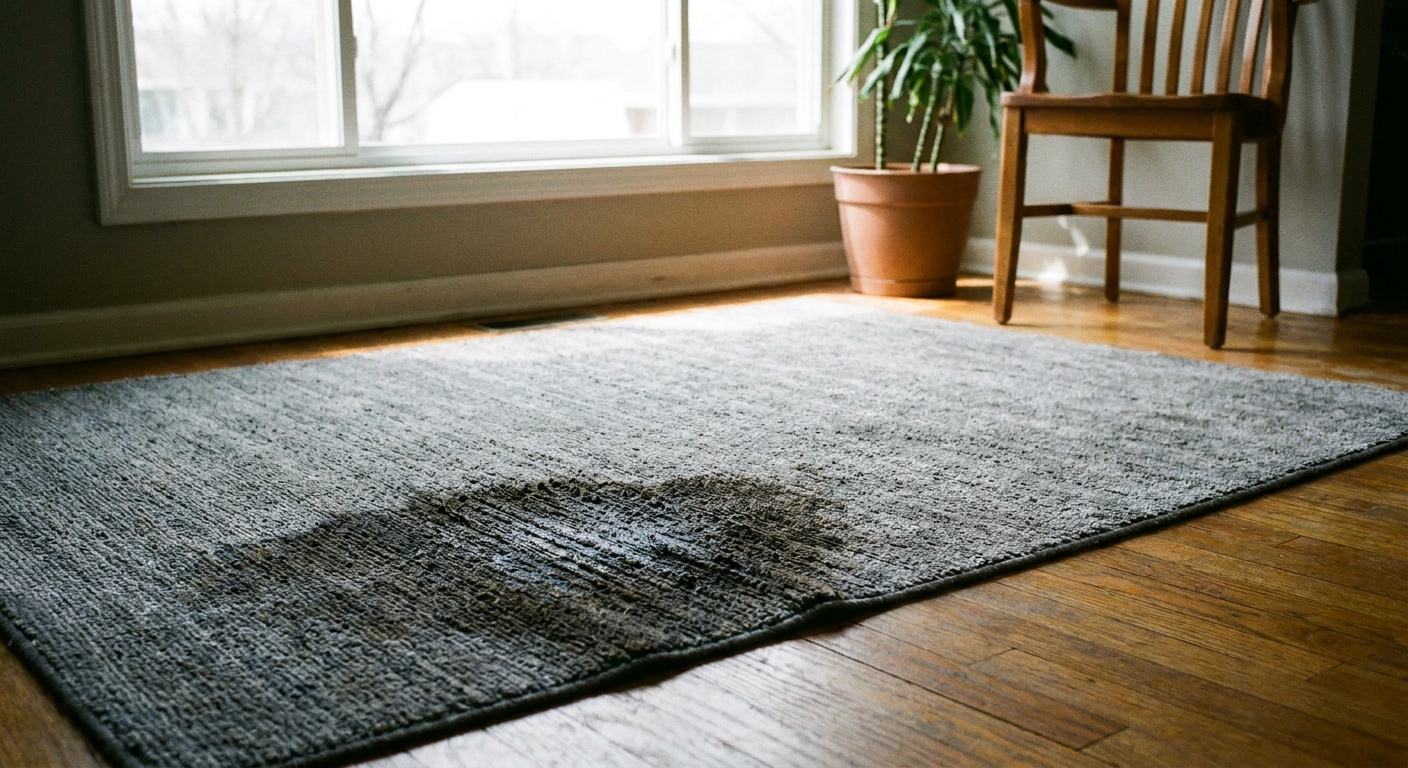
I have a soft spot for viscose rugs. They have that moody, candlelit sheen that makes even a simple room feel a little more dressed. They are also the rug most likely to break your heart after one innocent moment with water. If your viscose or rayon area rug turned brown, stiff, crunchy, or oddly “bald” after a spill, pet accident, steam mop, or DIY shampoo, you are not alone and you are not imagining it.
The frustrating truth: with viscose and rayon, water can change how the fiber sits and behaves. Sometimes what looks like “browning” is actually fiber collapse, and sometimes it is a mix of collapse plus soil or residue that dried into the pile.
Why viscose and rayon get brown and stiff when wet
Viscose and rayon are regenerated cellulose fibers. In plain-English terms, they are made from plant pulp that has been processed into silky threads. They are gorgeous because they are smooth and reflective, almost like a budget-friendly stand-in for silk.
But cellulose fibers have an Achilles heel: they lose strength when wet. Add friction or agitation while they are damp and the delicate filaments can flatten, break, and clump together. That is the “crunchy” or “cardboard” feel people describe.
What you might be seeing
- Pile shading (angle-dependent color change). Flattened or redirected pile reflects light differently, so an area can read darker, duller, or brownish from one angle and less obvious from another.
- True discoloration. A spill can carry tannins, sugar, dyes, or dirt into the pile. As it dries, you can end up with both texture change and a real stain.
- Wicking or residue. Even with these fibers, moisture can pull dissolved soils or cleaning product residue to the surface as it dries, leaving a tide line or halo.
One important detail: these rugs can look worse as they dry. A patch can go from “wet spot” to “why is this turning into toast” in an hour.
First: confirm what your rug is
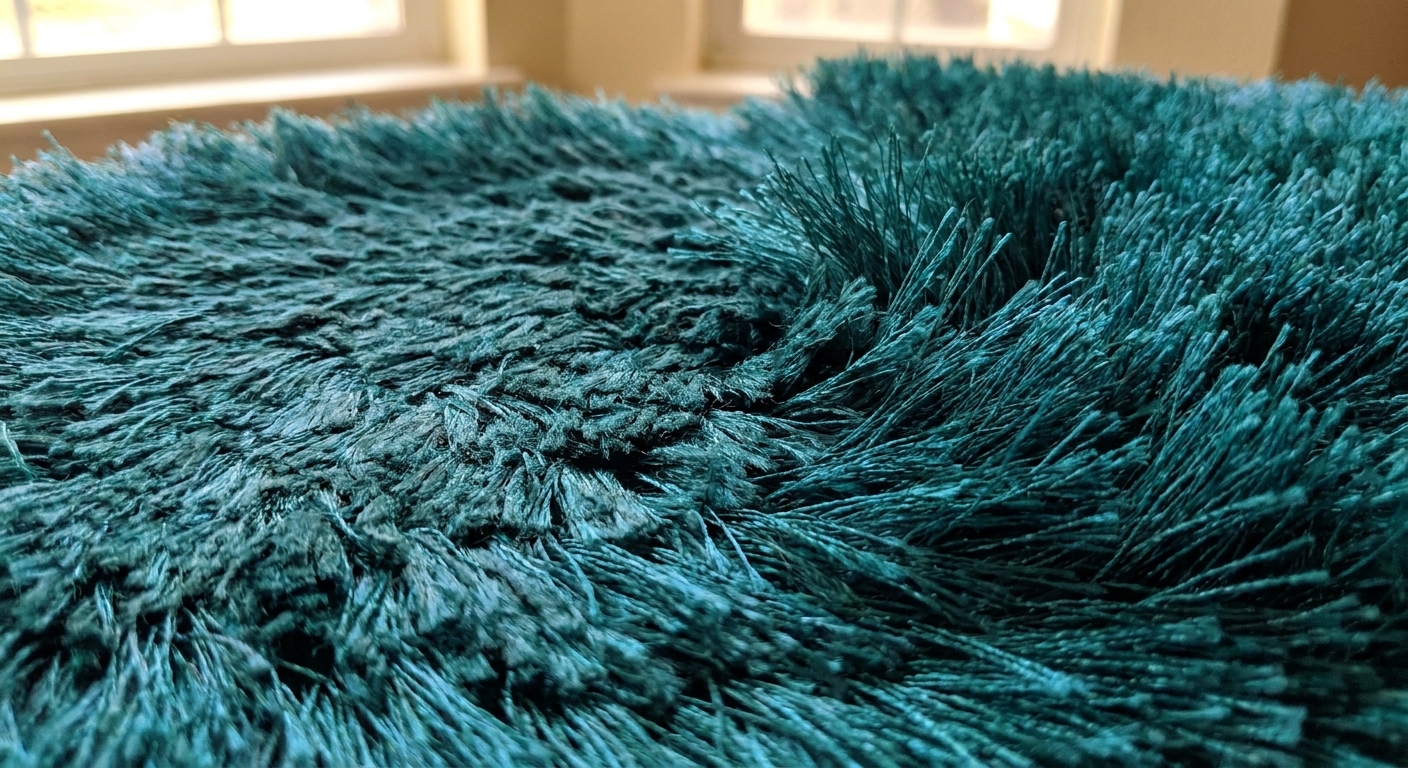
Before you do anything hands-on, check the label or product listing. If it is viscose-heavy, treat it like a delicate fabric, not like wall-to-wall carpet.
If you decide to try any grooming at all, test it in an inconspicuous corner first. A damaged viscose pile can fuzz, shed, or dull quickly once you start working it.
Next: collapse or tide line?
Before you try to fix it, do a quick reality check. This will save you from making the damaged area bigger.
Signs it is fiber collapse (often permanent)
- The area feels stiff, crunchy, or hard even after it is fully dry.
- The pile looks matted or “shaved down” and does not fluff back up.
- The spot looks different from different angles, like it is shadowy or has a bruise.
- The change happened after steam, a wet shampoo, or vigorous blotting or scrubbing.
Signs it might be a tide line or surface residue (sometimes improvable)
- The rug still feels normal, but you see a ring or an edge line where the water stopped.
- The discoloration is lighter or looks like a haze sitting on top of the pile.
- The issue showed up after a full-room clean and you see similar marks in more than one area, suggesting wicking or residue.
If your rug is 100 percent viscose or a viscose-heavy blend, assume water damage is fiber-related first. Other materials like wool and many synthetics are more likely to show classic cleaning residue or wicking, but blends can be messy and sometimes you get both problems at once.
What not to do next
I know the impulse. You want to “even it out” by wetting a larger area, or you want to scrub until the brown lifts. With these fibers, that is usually the fastest way to turn a small patch into a permanent, obvious one.
- Do not steam mop or steam clean. Heat plus moisture plus any agitation increases the risk of distortion and sheen loss.
- Do not flood the area with water to blend it. You can create a larger collapsed field and, in some rugs, stress the backing.
- Do not scrub with a brush. Agitation while fibers are damp is a big collapse trigger.
- Do not use oxygen bleach, chlorine bleach, or whitening powders. They can shift color or finishes, and they all involve more wet processing, which is the bigger risk here.
- Do not use a carpet cleaner machine with repeated wet passes. Over-wetting plus extraction can distort the pile and backing, and it can set marks.
- Do not iron it. Heat can flatten pile permanently and can warp adhesives in some rugs.
- Do not keep trying new products “just to see.” Every re-wet is a gamble.
If it just happened: safest emergency steps
If the spill is recent and the rug is still damp, your goal is simple: remove as much moisture as possible with as little friction as possible.
Do this
- Blot, do not rub. Use plain white cotton towels or thick paper towels. Press straight down, lift, move to a dry area of towel, repeat.
- Use gentle weight. If the spill is larger, stack towels and place something flat and heavy on top for 10 to 20 minutes, then swap towels.
- Airflow matters. Run a fan across the surface. Skip high heat.
- If you have a wet-dry vacuum, use it carefully. Make sure the nozzle is clean, avoid dragging it across the pile, and use light passes to pull moisture out. Do not press hard or keep going over the same spot.
Skip soap for now. With viscose, the “cleaning” step is often what causes the damage. If the spill is just water, your best move is to dry it fast and gently.
Special note for pet accidents
If the spill is urine or vomit, I know it feels urgent to “wash it out.” The catch is that odor treatments often require moisture and dwell time, which is a bad combination for viscose. Do your best to blot and dry quickly, then consider calling a rug specialist. For this fiber, a pro is often the least risky path when you need both stain and odor control.
Can you fix a stiff, brown spot?
Here is the honest answer I would want a friend to give me: sometimes you can improve the look, but you cannot always restore the original hand feel and sheen. Once viscose fibers collapse or fracture, they do not bounce back like wool.
What you can try at home, low risk
Only do these if the rug is fully dry.
- Soft pile-lifting with your fingers. Gently separate clumped fibers with your fingertips, working in the direction of the pile. Think “tease,” not “scrub.”
- Very gentle grooming with a soft brush. If you try a brush, use something extremely soft and do one light pass at a time. Stop if you see fuzzing, shedding, or further dullness.
- Vacuum with no beater bar. Use suction only. A beater bar can rough up already weakened fibers.
These steps can help if what you are seeing is mostly pile direction change, minor matting, or a little surface crust from a sugary spill. They will not undo true fiber collapse.
Why re-wetting is risky
It is tempting to think, “It is already bad, so I might as well wash it.” The issue is that water often makes the boundary larger. A small damaged patch can turn into a bigger dull halo once moisture spreads through the pile and into the backing.
When the damage is permanent
These rugs can reach a point where the change is structural. If any of these are true, manage expectations and consider professional help or replacement.
- The area feels hard compared to surrounding rug, like it has been shellacked.
- The fibers look broken or “stringy,” with a rough, dull patch where there used to be shine.
- The spot has a distinct texture change you can feel with bare feet.
- You see rippling, puckering, delamination, or backing distortion where it got wet.
Professionals sometimes use controlled moisture, specialized grooming, and finishing techniques to make the appearance less obvious. But even in skilled hands, viscose is not a guaranteed restoration story.
When to call a pro
If the rug is expensive, sentimental, or in a high-traffic room where the patch will drive you nuts, it is worth making one phone call before you do anything else.
Look for a rug cleaning specialist who regularly handles viscose, silk, or fine fibers. Ask:
- Have you cleaned viscose or rayon rugs before?
- Do you offer in-plant cleaning (not just in-home hot water extraction)?
- How do you handle water marks and pile distortion on viscose?
- Can you test a small area first and tell me what improvement is realistic?
If someone immediately suggests steam cleaning or saturating the whole rug to “even it out,” that is your cue to keep looking.
How to hide it gracefully
Not every rug can be saved, and I say that with love. If the patch is permanent, you still have styling options that do not feel like defeat.
- Rotate the rug. Sometimes the damaged area is less noticeable in a different light path.
- Reposition furniture. Move a chair leg, a side table, or an ottoman so it lands naturally over the spot.
- Layer a smaller rug. A vintage kilim, a sheepskin, or a flatwoven accent rug can look intentional and add texture.
- Use a protector thoughtfully. In higher-risk rooms, a washable top layer or strategic runner can reduce the odds of a repeat incident.

How to prevent it next time
If you keep the rug, treat it like you would a silk blouse. Pretty, but not built for water drama.
- No steam mops. Ever.
- Blot immediately. The longer it sits, the deeper it migrates.
- Use a rug pad. The biggest benefits are cushioning and stability. It can also act as a buffer under spills, but some pads can trap moisture, so drying quickly still matters.
- Keep a simple spill kit. White towels, a fan, and a wet-dry vac (optional) are more useful than a cabinet of cleaners.
- Consider placement. Viscose is happiest in lower-risk zones: bedrooms, formal living rooms, under a dining table only if your household is very careful.
Quick FAQ
Why did my rug turn brown after just water?
Often it is not a “stain” at all. Water can collapse cellulose-based fibers and change how they reflect light, so the area reads darker, duller, or brownish. That said, some spots are a combination of pile distortion plus soil, dye, or residue that dried into the rug.
Will vinegar fix a water mark?
I do not recommend it. Vinegar still adds moisture, and the bigger risk here is re-wetting and agitation. If the issue is fiber collapse, vinegar will not rebuild the fiber.
Can I shampoo the whole rug to make it match?
Please do not. Saturating a viscose-heavy rug at home commonly creates widespread dullness, pile distortion, and permanent texture change. It can also stress latex or adhesive backings.
Is it ruined if it got wet?
Not always. Small water spots that were blotted quickly can dry with minimal change. But if the rug is stiff, matted, and visibly different, some degree of permanent change is likely.
What if my rug is a blend?
Check the label. If it is viscose-heavy, treat it like viscose. If it is mostly wool or synthetic with a small viscose accent, you might be dealing with a tide line, dye issue, or residue. When in doubt, do not re-wet. Start with drying and gentle grooming, then consult a pro.