Thrift Store Flipping: 10 Expert Tips for Finding the Best Home Decor Pieces

Clara Townsend
Clara Townsend is an interior stylist, vintage furniture enthusiast, and the creative voice behind Velvet Abode. With over a decade of experience transforming both cramped city apartments and sprawling fixer-uppers, she believes that a beautiful home is built on personal stories rather than massive budgets. When she isn't hunting for the perfect brass sconce at a local flea market, she can usually be found rearranging her living room for the third time this month.
There is a very specific thrill to thrift store flipping. It is equal parts treasure hunt and detective work, with a little romance thrown in when you find a mirror with just the right patina or a lamp that glows like honey at dusk.
If you have ever stood in a crowded aisle holding a wobbly side table and wondered, Is this a hidden gem or a future headache? you are in the right place. These are my go-to tips for spotting high-quality furniture and decor pieces that are perfect for upcycling, even if you are working with a tight budget and a small car trunk.
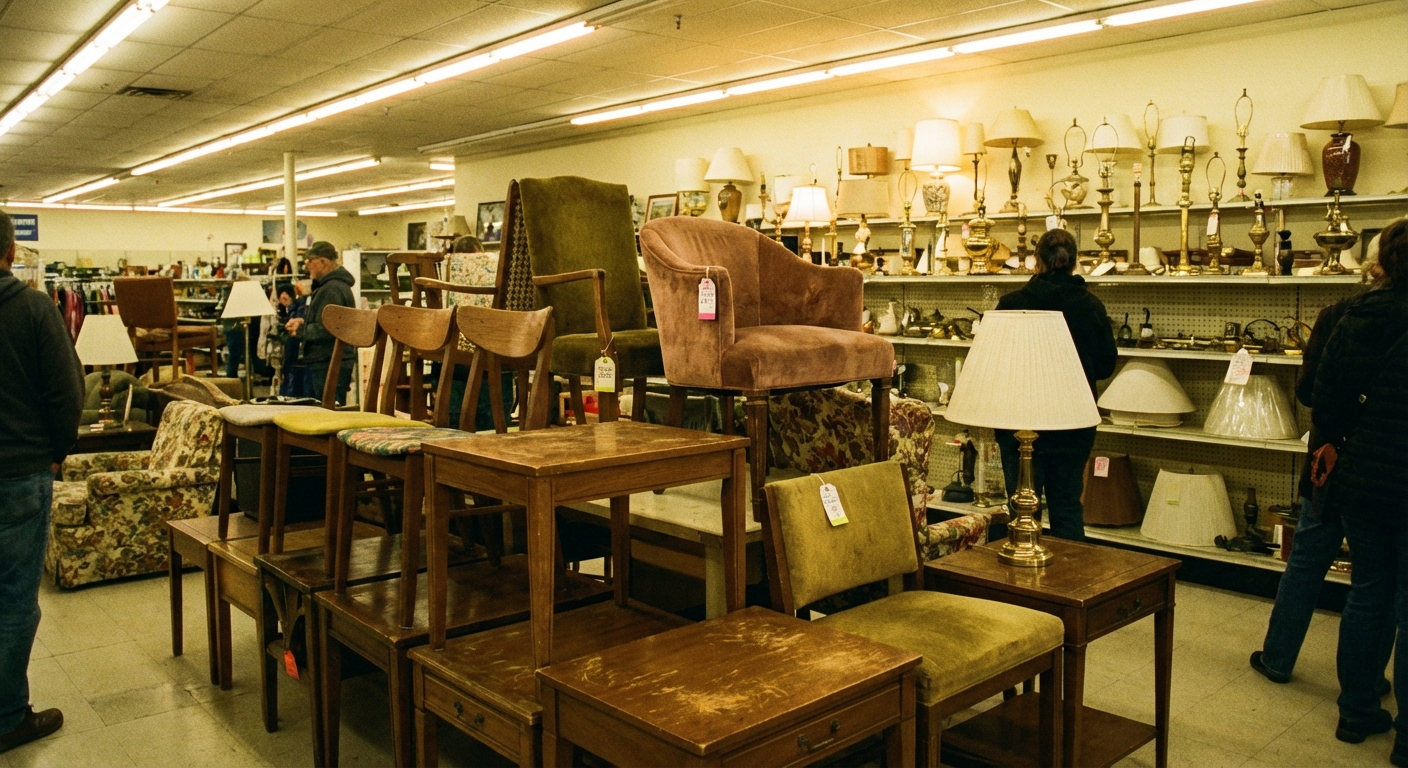
Before you go: a 5-minute game plan
Flipping success starts before you touch a single dusty frame. The goal is to shop with curiosity, not chaos.
- Measure the “problem spots” at home like that blank wall, the entryway corner, or the nightstand gap beside your bed.
- Save 3 reference photos of rooms you love. Look for repeated shapes and finishes, not identical items.
- Pick one finish direction for the day: warm woods, black accents, brass and amber, or painted color. You can still mix, but you will buy smarter.
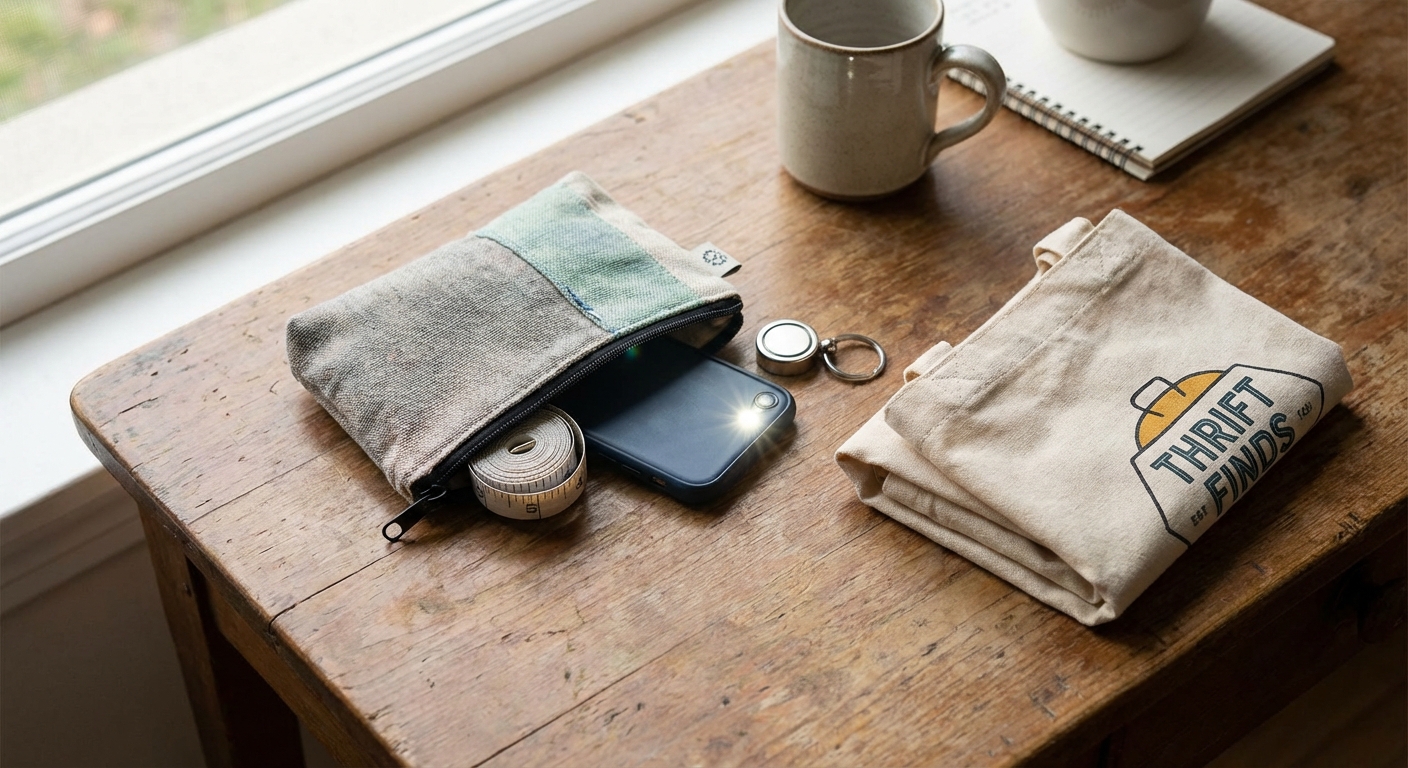
- Bring a tiny kit: tape measure, phone flashlight, a magnet, and a folded tote. Optional but helpful: a small screwdriver for checking hardware tightness if the shop allows it.
- Plan for transport: a moving blanket and one strap or bungee cord can save your upholstery and your sanity.
10 expert tips for finding the best pieces to flip
1) Spot solid wood fast
If you want easy wins, hunt for solid wood and good veneer over particleboard. Solid wood and good veneer refinish beautifully and hold up.
- Look at edges and corners: particleboard often has a swollen, crumbly look where it has been bumped or exposed to moisture.
- Check the back and underside: many well-made pieces are unfinished or simply sealed underneath, but do not treat this as a rule. Quality furniture can also have neat backing panels, dust covers, or veneered bottoms.
- Scan for real grain: grain that repeats in an identical pattern is usually a printed surface.
- Veneer tip: veneer is not the villain. Just check for lifting, bubbling, or missing chips since veneer repairs can be finicky.
2) Flip it over and read the underside
The underside is where furniture tells on itself. A quick peek can reveal whether you are dealing with craftsmanship or shortcuts.
- Dovetail joints in drawers are a good sign, especially when paired with solid drawer sides, a solid drawer bottom, and runners that feel smooth.
- Corner blocks under chairs and tables add strength.
- Staple-only construction is not always a dealbreaker, but it often means you should pay less.
If you see a manufacturer stamp, snap a photo. Even a partial brand name can help you gauge quality later.
3) Do the wobble test
Wobbly does not always mean doomed. It just means you need to identify why it wobbles.
- Loose screws or brackets: usually an easy fix.
- Racked frames (when a piece sits twisted): fixable, but you may need clamps and wood glue.
- Split legs or blown-out joints: proceed only if you truly want a repair project.
My rule: if the structure is solid and the surface is ugly, that is a dream. If the structure is compromised and the surface is pretty, that is a trap.
4) Smell matters
Yes, I am telling you to sniff the dresser. Odors sink deep into porous materials, and some are stubborn even after painting.
- Mildew smell: often a hard no, especially for upholstered items.
- Smoke smell: can be reduced, but it takes real effort (deep cleaning, sealing primers, time).
- Musty drawers: sometimes solved with sanding, sealing, and charcoal, but price accordingly.
5) Love vintage hardware
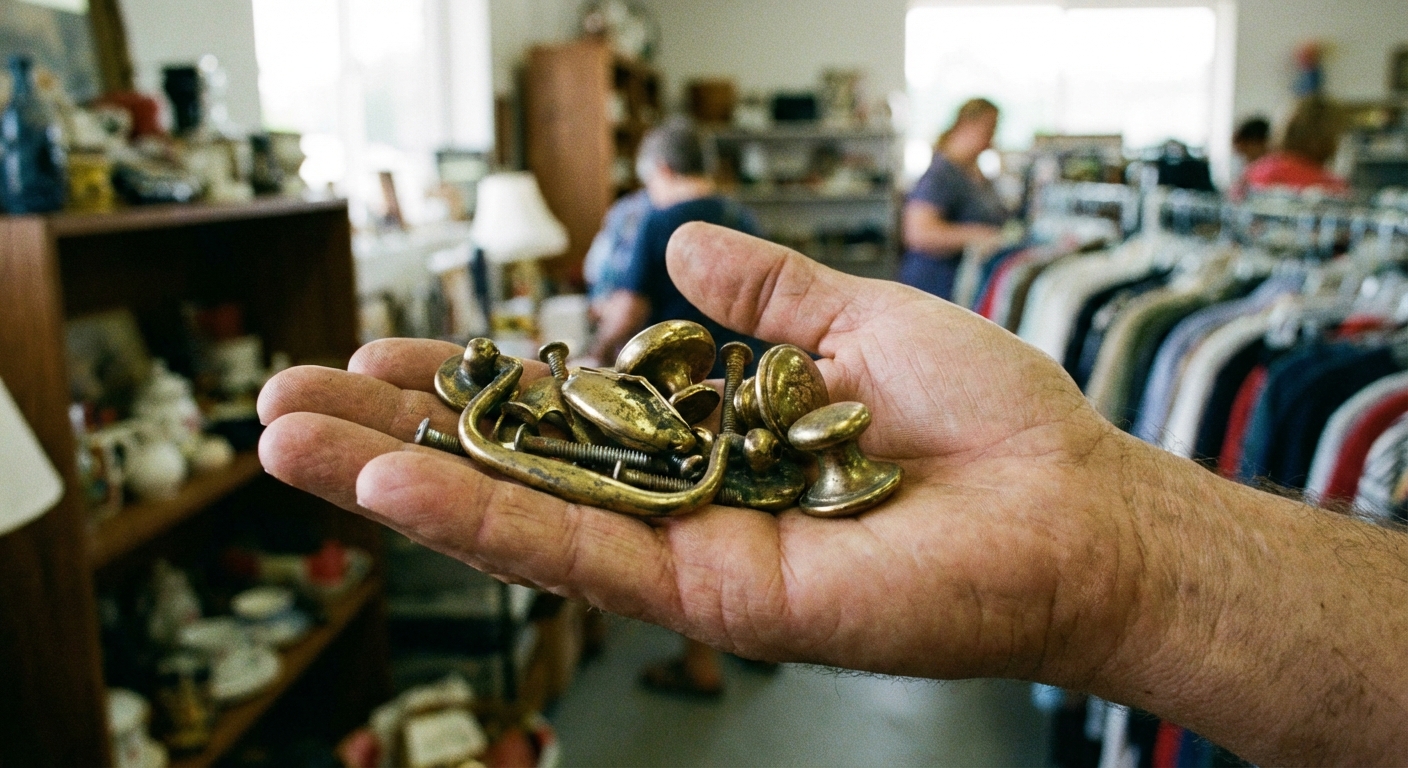
Original brass pulls, glass knobs, and chunky backplates can be worth the trip alone. Even if you do not keep them, quality hardware elevates a flip instantly.
- Check that screws are present and threads are not stripped.
- Look for sets: matching pairs and full dresser sets save you so much time.
- Do not fear patina: you can clean brass gently or let it stay moody and aged.
6) Check high-upside categories
If you are overwhelmed by options, start with categories that tend to flip well because they are visually impactful and often overlooked.
- Lamps: especially ceramic, amber glass, brass, and anything with a nice silhouette.
- Frames: oversized frames are expensive new, and thrifted ones look incredible painted or gilded.
- Mirrors: look for weight and good glass. A slightly foxed antique mirror can be pure magic.
- Small wood tables: side tables, stools, nightstands. Easy to transport, big styling payoff.
- Dining chairs: best when the frames are sturdy. Reupholstery can be simple if the seat pops out.
7) Upholstery: check the bones
Fabric can be changed. A broken frame, sagging webbing, or a seat that feels like it swallowed a marshmallow is where budgets go to disappear.
- Sit test: does it creak, tilt, or sink unevenly?
- Press the arms: loose arms can mean frame issues.
- Lift a corner: sturdy pieces feel dense, not flimsy.
Quick pest check: look along seams, under cushions, and under the piece for pepper-like black spotting, shed skins, or tiny bugs. If you see signs and you feel unsure, skip it and keep your peace.
If you are new to flipping, start with removable seat cushions or dining chair seats. They are the gateway projects that build confidence fast.
8) Know what is cosmetic
Some flaws are cosmetic and make a piece cheaper, which is exactly what we want.
- Water rings on wood: light rings often sand out. Deep black stains may need oxalic acid or wood bleach, and some may never fully disappear.
- Sticky drawers: usually wax, sanding runners, or simple alignment.
- Ugly paint: can be stripped or sanded depending on the piece and your patience level.
- Missing back panel on a bookcase: easy to replace with hardboard, beadboard, or even wallpapered paneling for charm.
9) Do the price math
To keep flipping fun, you need a simple way to decide whether something is worth it.
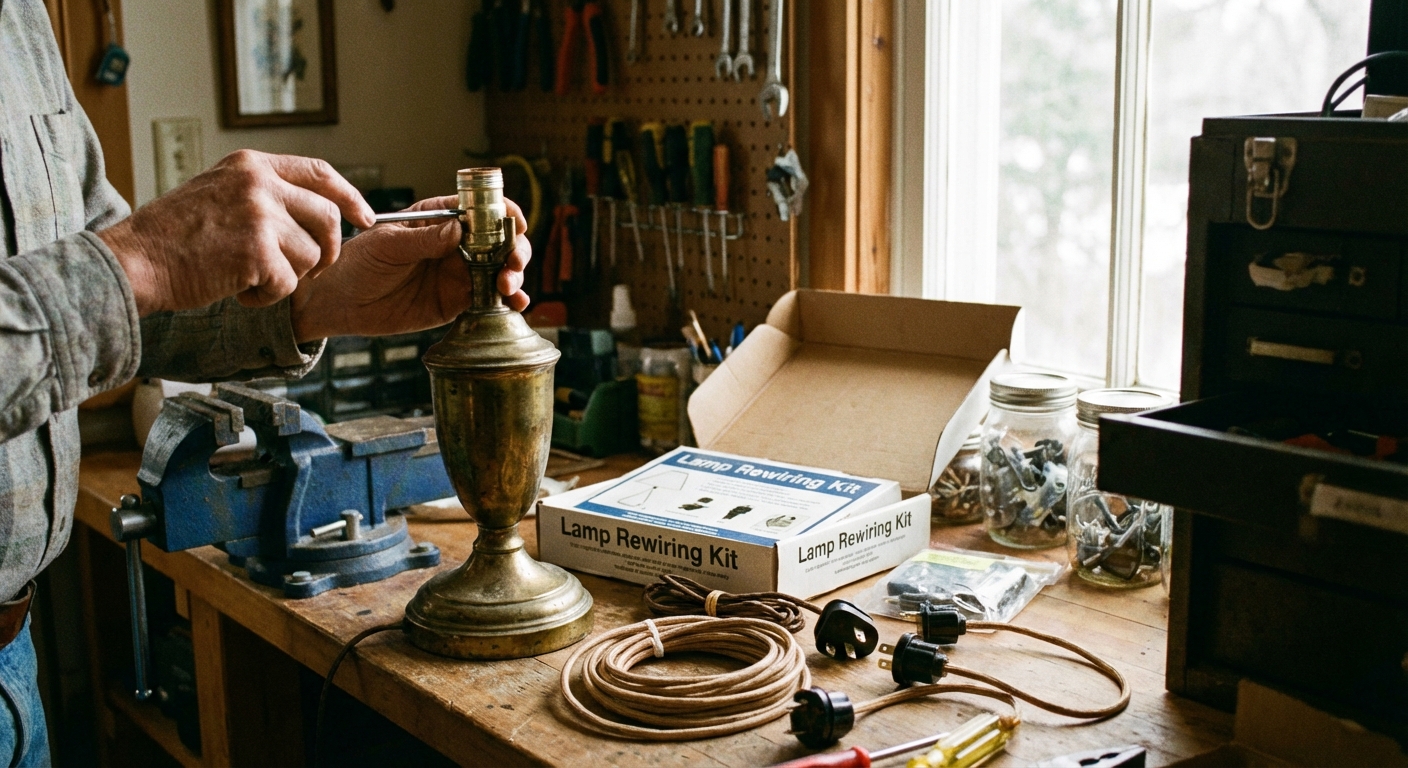
- Estimate supply cost: sandpaper, primer, paint, topcoat, hardware, electrical kit for lamps, and any wood repair.
- Estimate time: your time is valuable even if you are flipping for joy, not profit.
- Leave margin for surprises: there is almost always one.
A quick example: buy a nightstand for $20, spend $25 on supplies, and put in 3 hours. In many markets, you want a realistic resale target of $100+ for that level of effort. Adjust for your area, your finish quality, and whether it is a truly special piece.
A practical rule: if a piece needs heavy repair and a full cosmetic makeover, it should be very cheap or very special.
10) Spot safety issues early
Thrifted lamps are one of my favorite flips, but safety comes first.
- Check cords: brittle, cracked, or taped cords mean it needs rewiring.
- Wiggle the socket: if it is loose, plan to replace it.
- Look for safety labels: UL markings are helpful on newer pieces, but many vintage lamps will not have modern labels. Condition and correct rewiring matter more.
Rewiring a simple lamp is often straightforward with a kit, but if you feel unsure, take it to a professional. A beautiful home should never be a risky one.
Quick safety note
Older painted pieces can contain lead paint (especially in the U.S. if made before 1978). If you are unsure, avoid dry sanding and dusty scraping. Consider testing first, using wet methods, working with containment, and wearing proper PPE like a respirator rated for fine particles. If that sounds like too much, choose unpainted pieces or ones you can clean and seal without creating dust.
My fast inspection checklist
If you want a quick decision tool, run through this list before you commit. It is the difference between a confident yes and an anxious project you resent.
- Structure: does it feel sturdy, or is there wobble from damage?
- Material: solid wood or quality veneer beats swollen particleboard.
- Odor: any mildew or heavy smoke?
- Water damage: warped panels, soft spots, or mold in joints are signs to walk away.
- Missing parts: are all drawers, shelves, and hardware present?
- Surface: can you sand, clean, or paint it without a meltdown?
- Transport: will it fit in your car or your budget for delivery?
What I usually skip
Not every bargain is a good bargain. These are the pieces I tend to leave behind unless the price is extremely low and I am in the mood for a challenge.
- Swollen particleboard near the base of dressers or nightstands, usually from water damage.
- Severely bowed shelves in cheap bookcases that will keep sagging unless you reinforce or replace them.
- Upholstery with pest signs, severe stains, or a strong mildew smell.
- Chipped or crazed ceramics that may be lead-glazed for food use. Lead risk varies by age and origin, so if you are unsure, keep it decorative only, keep it away from kids and pets, and wash hands after handling.
Easy flips that look expensive
If you want the biggest visual payoff with the least stress, start here.
- Frames: paint them a soft black, warm white, or antique gold. Add oversized mats for a gallery feel.
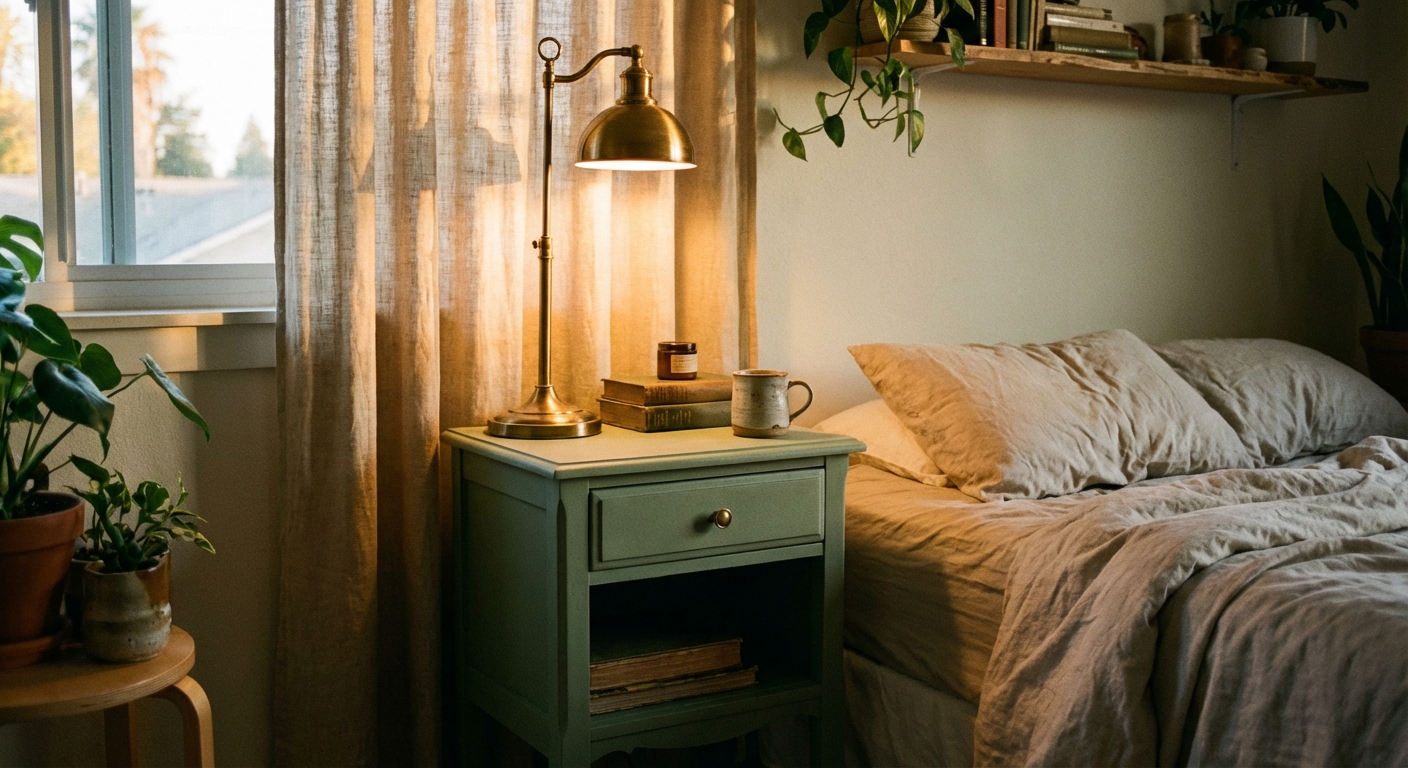
- Nightstands: swap knobs, add a fresh finish, and line the drawer with pretty paper.
- Stools: sand and oil the wood, or paint the base and keep the top natural.
- Table lamps: new shade plus a cleaned base can look instantly boutique.
- Mirrors: paint the frame and hang it with proper anchors for a dramatic, safe moment.
One last mindset shift
When you are learning, do not aim for perfect. Aim for good bones and a finish you can realistically achieve on a Sunday afternoon. The best flips are not the ones that look the most expensive. They are the ones that look the most you.
And if you bring home something a little odd, a little charming, and slightly scuffed? Congratulations. That is where the story begins.