Suede and Nubuck Sofa Care

Clara Townsend
Clara Townsend is an interior stylist, vintage furniture enthusiast, and the creative voice behind Velvet Abode. With over a decade of experience transforming both cramped city apartments and sprawling fixer-uppers, she believes that a beautiful home is built on personal stories rather than massive budgets. When she isn't hunting for the perfect brass sconce at a local flea market, she can usually be found rearranging her living room for the third time this month.
Suede and nubuck sofas are the moody, touchable cousins of leather, soft as a well-worn jacket and just as opinionated about water. The good news is that most everyday marks can be handled at home with the right rhythm: understand the nap, start dry, and resist the urge to “just wipe it real quick.”
On Velvet Abode we already have playbooks for velvet and leather. This one is different. Velvet likes careful pile management and gentle lift. Leather likes controlled moisture and conditioning. Suede and nubuck are all about keeping the fibers standing up and avoiding anything that glues them down.
Before you start: check your care tag and any manufacturer notes. Some upholstery is treated, pigmented, or “suede-look,” and it can react differently than true suede or nubuck. When in doubt, patch test in a hidden spot and let it dry completely before you commit.
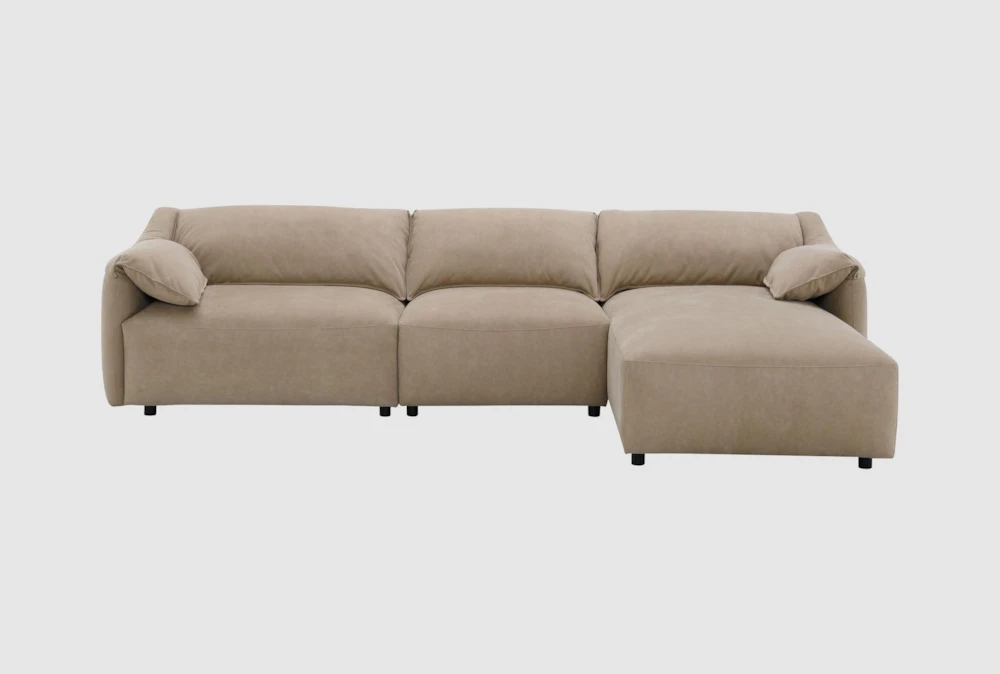
Suede vs nubuck
Both suede and nubuck are “napped” leathers, meaning the surface is made of tiny fibers that create that velvety, matte look. They show scuffs, direction changes, and oil marks more than smooth leather because those fibers can clump, flatten, or darken.
- Suede is made from the inner split layer of the hide (often described as the underside). It tends to have a slightly looser, fuzzier nap.
- Nubuck is top-grain leather that has been buffed or sanded on the grain side. It usually looks finer and more uniform, and it can show water spots dramatically.
The care principles overlap: keep the nap lifted, work gently, and treat spills like a “blot and breathe” situation, not a scrubbing contest.
Nap direction
If you have ever looked at a suede cushion and noticed it’s lighter on one side and darker on the other, you have already met nap direction. The fibers lie in a direction, and light hits them differently depending on how they’re brushed.
How to find it
- Run your clean, dry hand across the cushion in one direction, then the other.
- The direction that feels smoother is typically “with the nap.” The direction that feels slightly resistant is “against the nap.”
- Look for color shift. With the nap often looks darker and more even. Against the nap often looks lighter and more textured.
How to use it
- For everyday grooming: brush with the nap to keep things uniform.
- For scuffs and shiny patches: brush gently against the nap in short strokes to lift fibers, then finish with the nap to blend.
- For spot cleaning: feather outward and finish by brushing the whole cushion panel so you do not create a “clean island.”
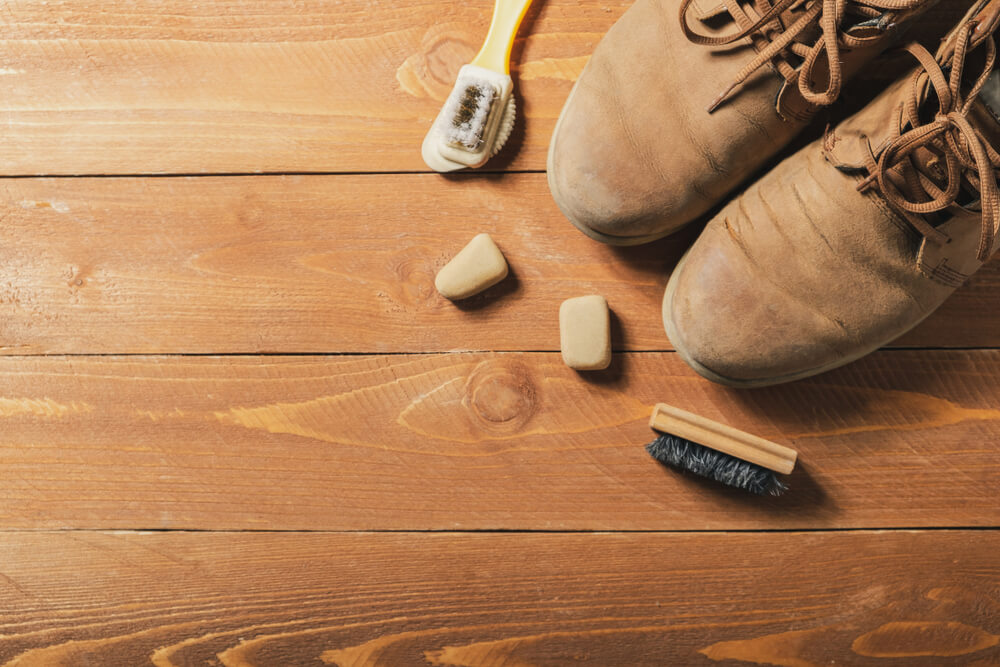
Simple care kit
You do not need a fancy boutique kit. You need the right textures.
- Suede brush (crepe or combination brush): A basic brush with a rubber crepe side and a gentle bristle side is perfect for routine care. The crepe grabs lint and lifts nap without harshness.
- Suede eraser: Often sold as a “suede and nubuck eraser.” It looks like a small rubber block. It is excellent for dry marks, shiny spots, and light grime.
- White microfiber cloths: For blotting only. White so you can see transfer.
- Soft vacuum upholstery attachment: For weekly maintenance. Think “lift dust,” not “grind dirt.”
- Optional: rubber grooming glove or rubber sponge: Great for pet hair and lint that loves to nest in the nap.
- Optional: nubuck/suede protector spray: Helpful, but only after the sofa is clean and fully dry. Spot-test first.
If you buy just two things, make it the brush and the eraser. They handle more than you’d expect because most suede “stains” start as surface disruption, not deep contamination.
Maintenance routine
Once a week: vacuum like you’re petting a cat
Use the upholstery tool and light pressure. You are removing dust and crumbs that would otherwise get pressed into the nap. Vacuum in the direction of the nap, then do a quick pass the other way to lift, then finish with the nap again.
Pet hair and lint
Skip aggressive sticky rollers if your nap is delicate. They can tug fibers and leave odd tracks. Instead, use a rubber grooming glove, a crepe brush, or light vacuuming, then finish with a gentle brush to reset the surface.
Once a month: brush to reset
Brush the full cushions, not only the “dirty” spots. This prevents the classic suede problem where one cleaned area looks perkier and a slightly different tone than the rest.
Rotate cushions
Suede and nubuck show body oils and friction faster where people always sit. Rotating keeps the patina even, which is the kind of aging that looks intentional instead of accidental.
Stains: start dry
Here’s the rule I wish was printed on every suede sofa tag: start dry and stay dry as long as possible. Water can leave rings, change texture, and push soil deeper.
Dry methods
- Fresh spill (mud, food, drinks with bits): If there’s any moisture, let it dry completely first. Then vacuum gently and brush.
- Scuffs, shiny patches, light marks: Use a suede eraser with light pressure. Work in small circles, then brush to lift and blend.
- General dinginess: Brush with the crepe side first to grab surface grime, then finish with soft bristles.
Wet methods (only when needed)
If dry methods do not move it, you can introduce a little moisture. Think “barely damp” and “even coverage,” not “spot soak.” The biggest risk with suede and nubuck is a hard-edged water ring, especially on nubuck and on certain finishes.
- Light water spotting or a small unknown mark: Dampen a clean cloth with distilled water (not tap if your water is hard). Blot lightly starting just outside the mark and working inward, then feather slightly beyond the mark to soften the edge. Let dry naturally, then brush.
- Sticky residue (like soda): Blot with a cloth lightly dampened with distilled water. Do not scrub. Repeat with a clean area of cloth. Let dry for several hours or overnight, and do not sit on it until fully dry. Then use the eraser lightly if needed, then brush.
If you are using any store-bought suede cleaner, treat it like hair dye: patch test in a hidden area, wait until fully dry, then decide.
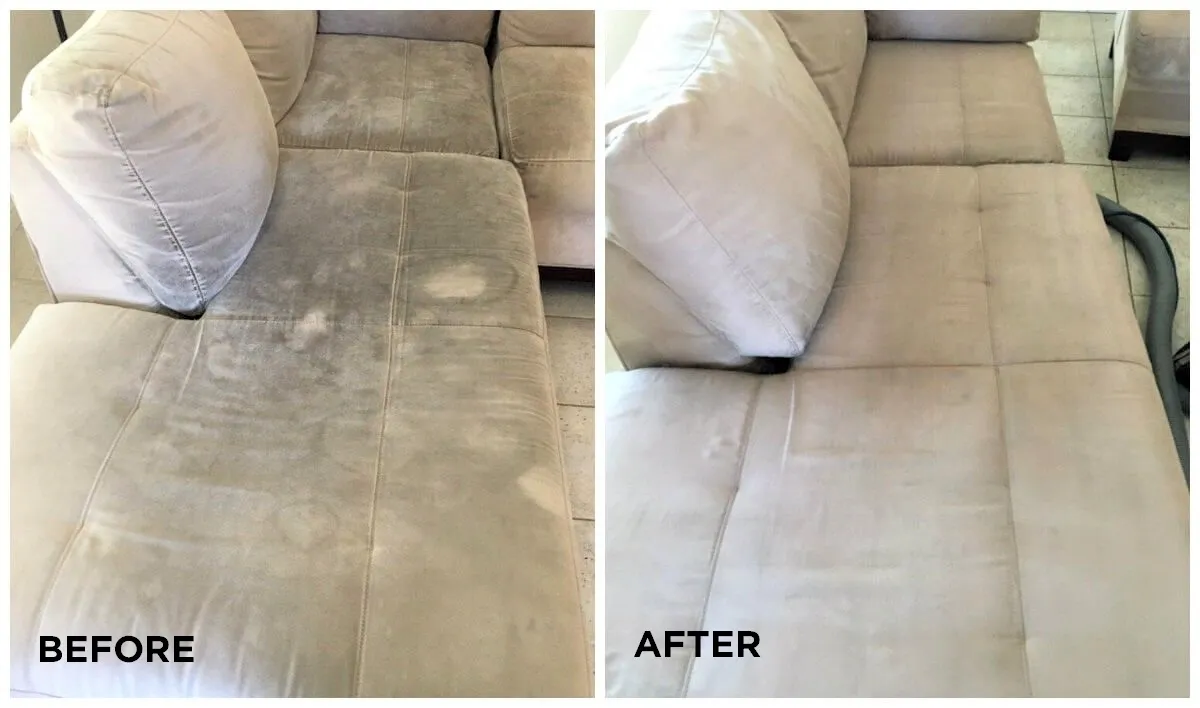
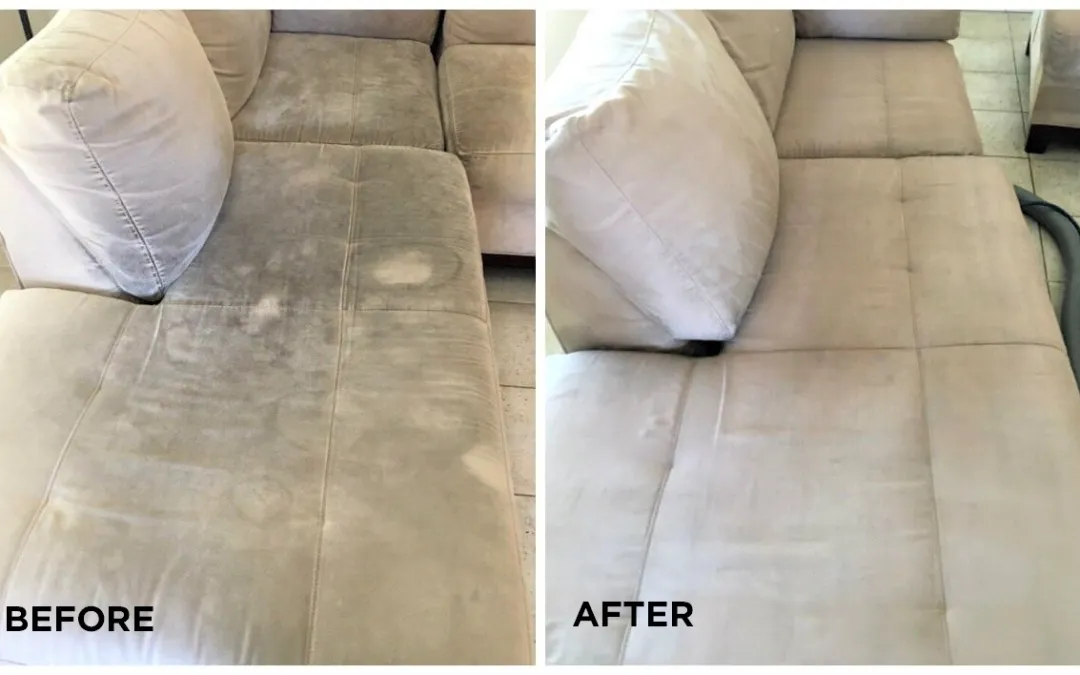
Common stain fixes
Water rings
Water rings happen when one area gets wetter than the surrounding nap. The fix is often counterintuitive: even out the moisture. This can be higher-risk on some protected or pigmented suedes, so patch test first and follow any manufacturer guidance.
- Lightly dampen a cloth with distilled water.
- Blot the entire panel seam-to-seam if possible, or at least beyond the ring edge so the transition is gradual.
- Let it dry away from heat and sun (often several hours to overnight).
- Brush to lift nap.
Oil and grease
Oil darkens suede because it coats fibers. The more you rub, the deeper it goes.
- Blot immediately with a dry cloth, no pressure.
- If you have it on hand, apply a small amount of cornstarch or talc to the spot and let it sit several hours or overnight.
- Vacuum the powder thoroughly, then soft-brush to remove residue. Use the suede eraser lightly if needed, then brush to blend.
Powders can slightly lighten some finishes if left too long or not fully removed, so keep it tidy and gentle. If the oil is old or large, this is one of the fastest routes to “call a pro,” especially on nubuck.
Ink
Ink is a stop-sign stain for many napped leathers. Some specialty solvents can spread it or set it.
- Blot gently if it is fresh, do not rub.
- Do not use hairspray, alcohol, or random internet concoctions.
- Consider professional help immediately, especially on light colors.
Mud
Mud is annoying but usually very DIY-friendly if you wait.
- Let it dry completely. Truly.
- Vacuum the crusty bits using low suction.
- Eraser for remaining marks, then brush.
Brushing technique
Brushing should feel like grooming, not sanding.
- Use short strokes: Especially on nubuck, long aggressive strokes can create obvious directional tracks.
- Let the tool do the work: If you are pressing hard, you are probably risking bald-looking patches.
- Blend edges: After any spot work, brush the whole cushion face to reset the nap and tone.
- Brush when dry: Brushing damp suede can create clumps and a stiff feel.
Mistakes to avoid
- Scrubbing with water and soap: This is the classic way to create rings and a crunchy texture.
- Using baby wipes or all-purpose cleaner: Many contain oils, surfactants, or alcohol that can darken, stain, or stiffen the nap.
- Steam cleaning: Steam adds heat and moisture, which can cause darkening, watermarking, stiffness, or texture change on nubuck and suede.
- Hair dryer or direct heat: Fast drying encourages rings and can harden the leather.
- Leather conditioner or saddle soap: These are made for smooth leather. On suede and nubuck they can darken the surface and flatten the nap.
- “Spot treating” only the middle: The edge of the wet area becomes the new stain. Feather outward, and when appropriate, treat the whole panel.
- Skipping the final brush: Even when the stain is gone, the nap may still look bruised. Brushing is what makes it look finished.
When to call a pro
I love a home fix. I also love knowing when I’m about to make something worse. Call an upholstery or leather specialist if you have any of the following:
- Large stains bigger than a dinner plate, especially on a seat cushion where blending matters most.
- Oil that has soaked in and stayed dark after powder treatment and gentle erasing.
- Ink, dye transfer, or mystery stains that keep spreading or returning after drying.
- Stiff, crunchy patches after a previous cleaning attempt.
- Color loss or a noticeably lighter “bald” area where fibers look worn down.
- Vintage or high-end suede where the finish is delicate or the color is special.
If you are shopping for a pro, use language that gets you the right person: ask if they have experience with suede or nubuck upholstery specifically, not just leather in general.
Protection and prevention
Protector spray
A suede or nubuck protector spray can buy you time in a spill, but it is not a force field. If you use one:
- Test in a hidden spot and let it dry fully.
- Apply in light, even passes, keeping distance so you do not create wet patches.
- Ventilate well and follow label safety notes. Many sprays are flammable until fully dry, so keep them away from flames and heat.
- Let it cure as directed before sitting.
Throws and zone seating
If you have one favorite corner of the sofa, drape a breathable throw over that seat. It is not cheating. It is styling and preservation, like putting a runner in a hallway.
Keep it out of harsh sun
Suede and nubuck can fade and dry out. If your sofa lives in a bright window, consider linen curtains that soften the light rather than blocking it completely. The room still glows, your sofa just doesn’t take the full hit.
Quick cheat sheet
- Do: check your care tag, vacuum weekly, brush monthly, erase light marks, blot spills, let mud dry, finish by brushing the whole panel.
- Do not: soak spots, scrub, steam, apply random household cleaners, condition like smooth leather, or speed-dry with heat.
- Remember: most success with suede and nubuck is about patience and texture, not strength.
If your sofa is starting to look a little “lived in,” you are not failing. You are watching a material develop character. The goal is not to keep suede perfect. It’s to keep it soft, even, and inviting, the kind of couch that looks better under an amber lamp at 9 p.m. than it ever did in a showroom.