Sticky Kitchen or Bathroom Drawers

Clara Townsend
Clara Townsend is an interior stylist, vintage furniture enthusiast, and the creative voice behind Velvet Abode. With over a decade of experience transforming both cramped city apartments and sprawling fixer-uppers, she believes that a beautiful home is built on personal stories rather than massive budgets. When she isn't hunting for the perfect brass sconce at a local flea market, she can usually be found rearranging her living room for the third time this month.
There is a very specific kind of annoyance that lives in kitchens and bathrooms: the drawer that should glide, but instead sticks, squeals, and makes you yank it open like you are starting a lawn mower. The good news is that most sticky drawers are not “old building problems” you have to accept. They are usually one of four things: swelling, gunk, misalignment, or worn-out slides.
Let’s get yours moving smoothly again, without turning your rental into a construction zone.
First: name your slide type
Before you do anything else, take 30 seconds to identify what you are working with. It makes the next steps much simpler.
- Wood runners: no metal hardware, the drawer rides on wood strips.
- Side-mount slides (roller or ball-bearing): metal slides on the left and right sides.
- Undermount slides: hardware is mostly hidden under the drawer; you may see clips underneath near the front.
Quick rule: wax is great for wood-on-wood, and a dry spray (PTFE) is often best for metal slides. Undermount systems sometimes prefer their factory grease, so go gently and follow any brand guidance you can find.
Second: figure out what kind of “stick” you have
Before you buy anything or start sanding, do a two-minute diagnosis. It saves so much time.
Quick test
- Pull the drawer out as far as it will go. If it stops early or feels like it is climbing a bump, a slide may be off-track, bent, or blocked.
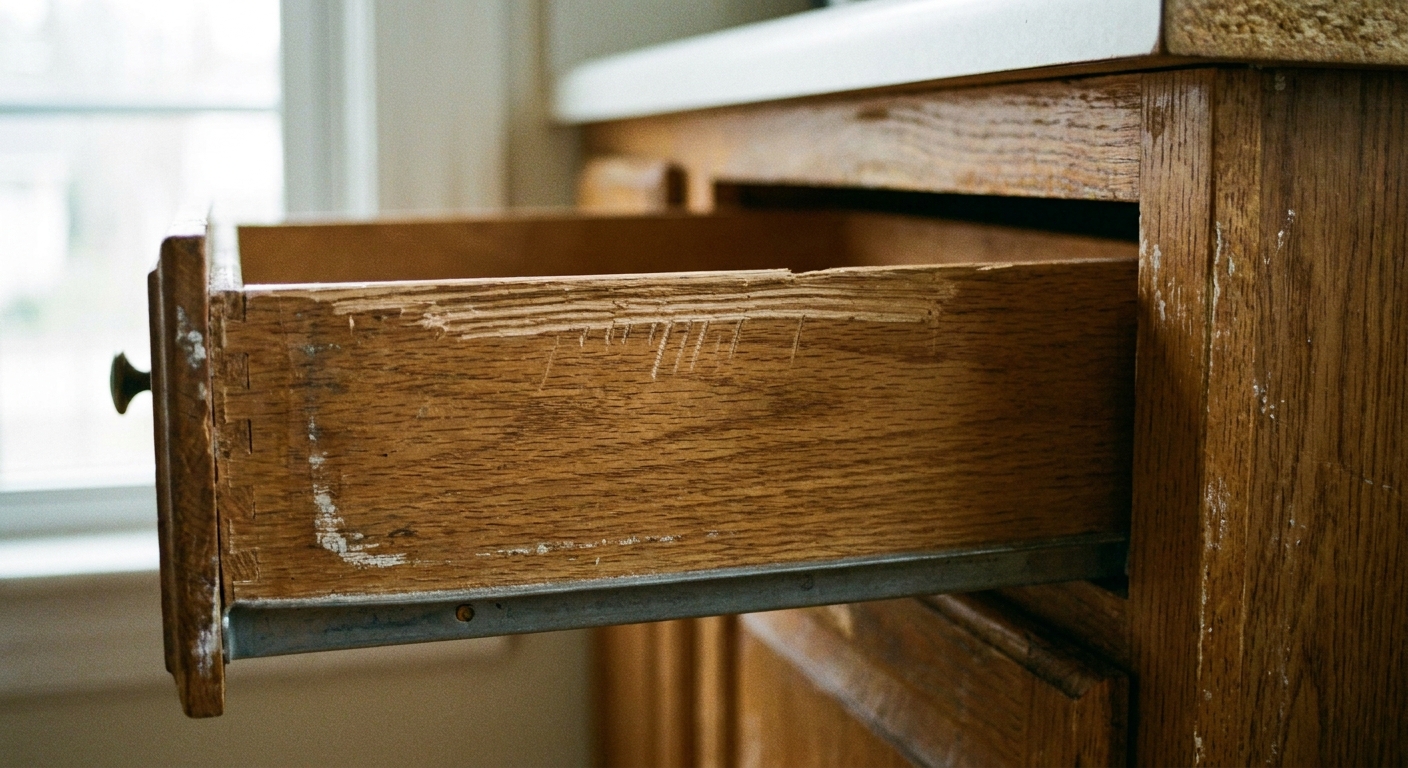
- Look for rub marks. Fresh, pale wood scratches or shiny lines on painted drawers usually mean swelling or alignment issues.
- Feel for grit. Run your finger along the slide track. If it feels sandy or sticky, it is buildup.
- Wiggle the drawer front side-to-side. Excess wobble often means loose screws or worn rollers.
If you are in a humid climate or your bathroom gets steamy, swelling is extra common. If the drawer is near the stove, grease and dust can turn into a tacky paste that slows everything down.
The fastest fix: clean the tracks
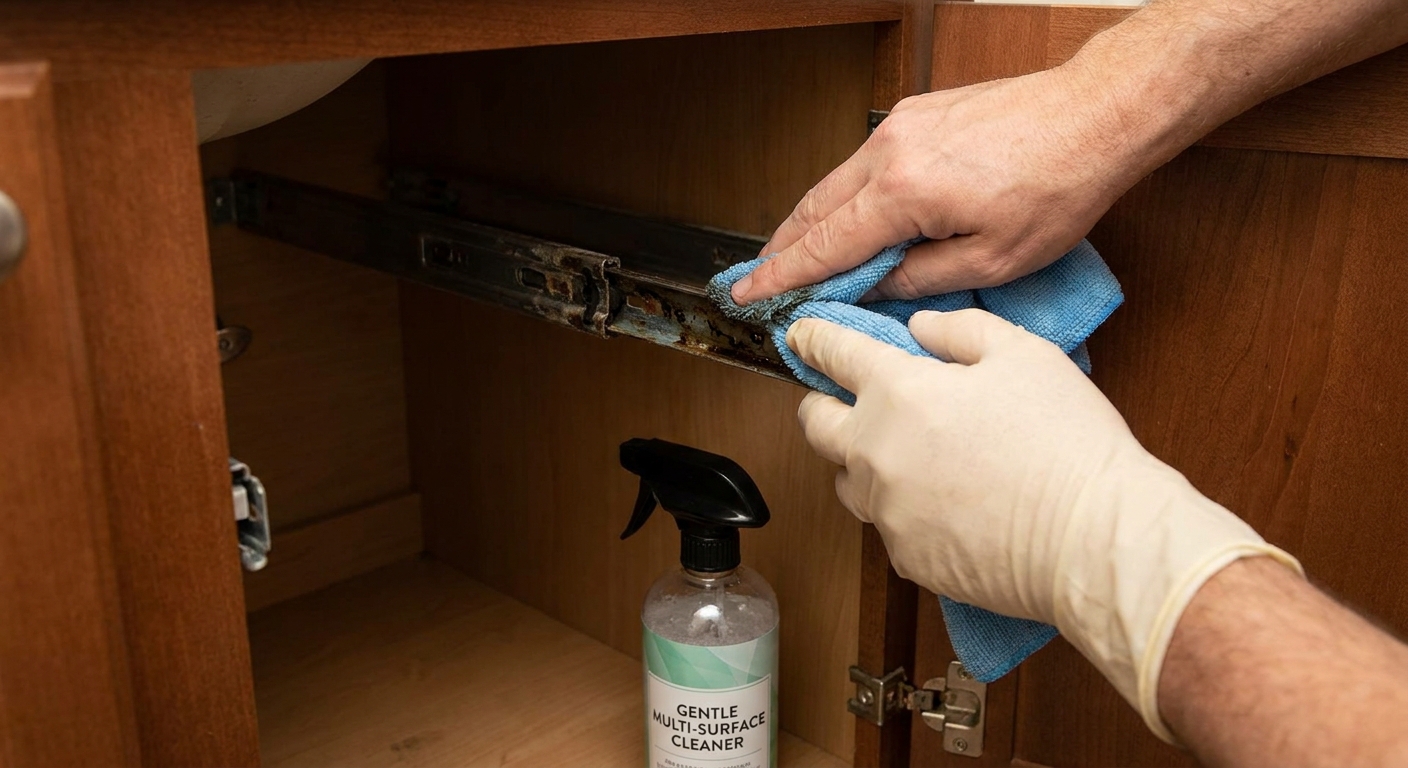
In many cases, the “mystery stickiness” is just grime, old lubricant, hair, and dust bunnies packed into the slides. Bathrooms are especially guilty because lint and hair cling to anything slightly damp.
What you need
- Vacuum with a crevice tool or a handheld vacuum
- Microfiber cloths or paper towels
- Warm water plus a drop of dish soap
- An old toothbrush or small nylon brush
- Optional: rubbing alcohol for stubborn residue
Step-by-step
- Remove the drawer. How you do this depends on the slide type:
- Wood runners and some roller slides: often you pull out, then lift slightly at the front.
- Side-mount ball-bearing slides: usually have release levers on each side. Press the levers and pull the drawer free.
- Undermount slides: often use squeeze-clips underneath near the front of the drawer. Pinch or press them (one on each side), then pull the drawer out.
- Vacuum everything. Get inside the cabinet cavity and along the slide channels.
- Scrub the slide tracks. Use the toothbrush with soapy water. Wipe dry immediately.
- Degunk the hidden spots. Check the back corners of the cabinet where crumbs collect, and the underside of the drawer where sticky spills dry.
- Let it fully dry. Moisture can trap dust and turn excess lubricant into grime.
If you find thick, waxy residue on metal slides, a little rubbing alcohol on a cloth usually breaks it down. Avoid soaking wood drawers with water. Use a damp cloth, then dry right away. Also, test alcohol or any spray on an inconspicuous spot first to protect finishes.
Lubricate the right way
Once everything is clean and dry, lubrication helps. But not all lubricants belong in cabinetry.
Best options
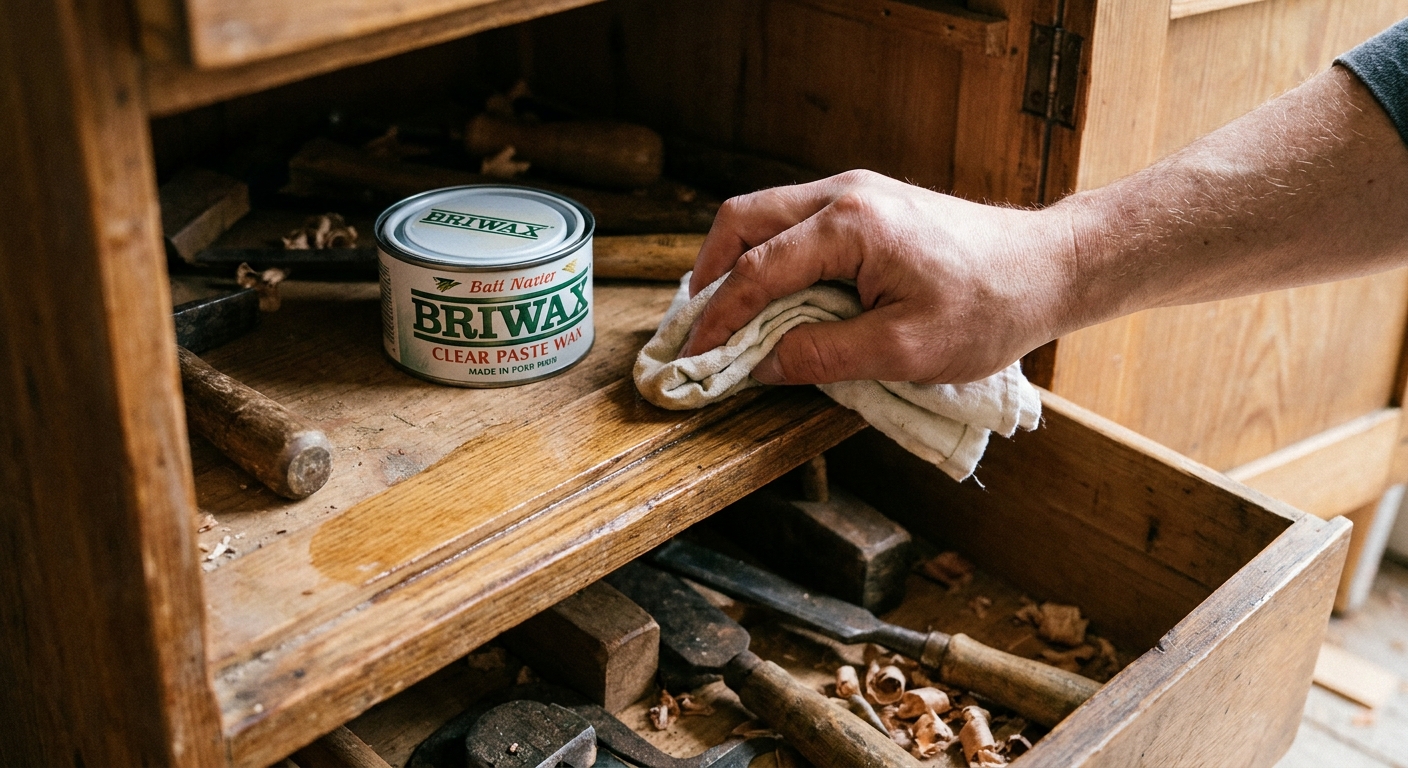
- Paste wax or a plain candle. Wonderful for wood-on-wood drawers or spots where wood rubs wood. It creates slip without attracting much grime.
- Dry PTFE spray. A great choice for metal slides because it tends to stay slick without staying wet or sticky. Spray lightly, then wipe any overspray.
- Graphite powder. Best for wood runners and small friction points. On ball-bearing slides, it can mix with old grease and dust and feel gritty, so I usually skip it there.
- Silicone spray (light use). Can work on metal slides, but apply carefully and wipe excess. If dust is a big issue in your home, PTFE is often the cleaner-feeling option.
What to avoid
- Cooking oils. They go rancid, turn sticky, and collect dust.
- Petroleum grease in most rentals. It can be messy and hard to remove later.
- Over-spraying multipurpose lubricant. It often drips onto cabinet floors and becomes a dirt magnet.
How to apply
For wax: Rub a thin layer on the drawer’s contact edges, runners, or any visible rub marks. Buff lightly with a cloth.
For PTFE or silicone: Spray a small amount onto a cloth (or spray lightly into the track), then wipe a thin film onto the slide surfaces. Move the drawer in and out a few times. Wipe away anything that looks wet or drippy.
For graphite: Puff a small amount onto the runner or contact area, then move the drawer in and out a few times to distribute.
If the drawer is swollen
Swelling is common in bathrooms, under-sink cabinets, and older kitchens where the cabinet box has seen a few leaks in its lifetime.
Signs it is swelling
- The drawer sticks more on humid days or after showers
- There are shiny rub lines on paint or bare wood
- The drawer feels tight even when the slides look clean
Renter-friendly fixes
- Control moisture first. Run the bathroom fan longer, crack the door after showers, and consider a small moisture absorber under the sink.
- Wax the rub points. This can be enough if swelling is mild.
- Improve the fit by gently realigning (avoid sanding). In a rental, sanding painted or finished wood is usually a last resort because it can be considered damage.
If the drawer is swollen because of a leak or water damage, take photos and notify your landlord or property manager. Swelling from moisture often comes back unless the source is fixed.
If it is crooked or off-track
A drawer can feel “sticky” when it is actually just tilted. One side binds, the other scrapes, and suddenly the whole thing fights you.
What to check
- Loose screws. Slide screws back out over time, especially in particleboard cabinets.
- Slides level and parallel. Even a few millimeters of height difference side-to-side can cause rubbing. A simple check: measure from the cabinet bottom to the slide on both sides (front and back) and compare.
- Shifted slide position. A slide mounted slightly forward on one side can cause binding.
- Drawer box square. If the drawer front looks crooked, the box might be racked or the front screws are loose.
Fix it
- Remove the drawer.
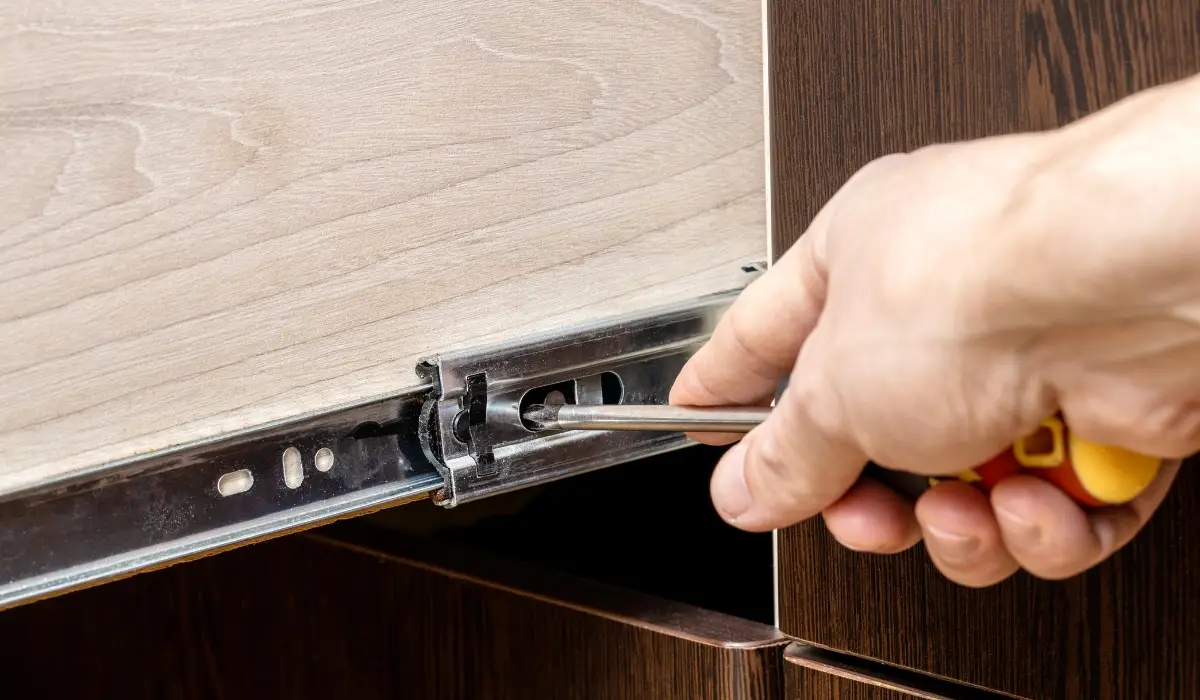
- Use a screwdriver to tighten every slide screw in the cabinet and on the drawer.
- Look for elongated screw holes or stripped holes. If screws will not tighten, you may need a slightly larger screw or wood toothpicks plus wood glue in the hole. In a rental, ask permission if you are changing hardware or screw size.
- Reinsert the drawer and test. If it still binds, loosen the mounting screws slightly, nudge the slide into a better position, then retighten.
When slides are worn out
Sometimes the problem is not dirt or alignment. It is simply that the slide has reached the end of its life, especially on heavily used kitchen drawers.
Clues your slides are done
- Grinding noise even after cleaning
- Visible bent metal, cracked plastic parts, or missing ball bearings
- The drawer droops when open or feels like it falls off a “ledge”
- Rollers are flat-spotted, chipped, or wobbling
In a rental: repair vs replace
If you love your apartment and plan to stay, replacing slides can be a small upgrade that improves daily life. But I always suggest this renter-first approach:
- Step 1: Clean, dry, and lubricate. (Free to cheap.)
- Step 2: Tighten and realign. (Still cheap.)
- Step 3: If the slides are clearly damaged, ask your landlord for replacement. Many will approve because it is basic function, not cosmetic preference.
- Step 4: If you replace them yourself, choose a like-for-like size and style so you are not drilling new holes all over the cabinet.
What to buy
- Side-mount ball-bearing slides: Smooth and sturdy. Measure slide length (often 14, 16, 18, or 20 inches). If you want to match performance, also note whether you have 3/4 extension or full extension, plus an approximate load rating if it is printed on the slide.
- Euro roller slides: Common in older cabinets. Cheaper, but not as smooth.
- Undermount slides: Sleek, but more specific to drawer construction and clip locations. For a simple rental fix, I usually try to keep the same brand and model if possible.
Tip: Take one slide off and bring it to the hardware store or match it online. Photograph the mounting holes and any markings. Your future self will thank you.
Special cases
Paint drips on drawer edges
If someone painted the cabinet and left drips on a runner or lip, the drawer can catch. In a rental, avoid aggressive scraping that could damage the finish. Try gently smoothing the drip with very fine sandpaper only on the drip itself, then wax. If the paint is thick and messy, it may be worth asking maintenance to address it.
Peeling shelf liner or contact paper
That pretty liner can sneak into the slide path and act like a brake. Trim it back so nothing protrudes into the drawer opening.
Overloaded drawers
Heavy pots or stacks of products can strain slides and make them feel sticky. Try temporarily removing weight and testing. If it suddenly glides, you have a load issue or worn slides.
Safety and sanity checks
- Never mix cleaning products. Avoid combining cleaners, especially bleach and ammonia-based products.
- Watch your fingers. Ball-bearing slides can pinch when you reinsert the drawer.
- Do not force it. If it jams hard, stop and pull the drawer out again. Forcing can bend slides and make the problem permanent.
A simple routine
If you want drawers that keep gliding, treat it like seasonal home care, like flipping a mattress or swapping closet wardrobes.
- Every 3 to 6 months: Vacuum crumbs and dust from drawer cavities.
- Every 6 to 12 months: Wipe slides and reapply a tiny bit of wax or dry lubricant as needed.
- After any leak or plumbing issue: Dry everything out fast and check for swelling.
My favorite kind of home upgrade is the one you feel every day. A drawer that slides open with two fingers is not flashy, but it makes your kitchen and bathroom feel calmer, cleaner, and more cared for.
If your drawer is still sticking after cleaning, a light lubricant, and a quick alignment check, go back to the checklist at the top and identify your slide type and symptom (sticking halfway, scraping on one side, dropping, or falling off track). That combination usually points to the next right fix fast.