Sticky Kitchen Cabinets After Painting: Fix Tacky Paint Fast

Clara Townsend
Clara Townsend is an interior stylist, vintage furniture enthusiast, and the creative voice behind Velvet Abode. With over a decade of experience transforming both cramped city apartments and sprawling fixer-uppers, she believes that a beautiful home is built on personal stories rather than massive budgets. When she isn't hunting for the perfect brass sconce at a local flea market, she can usually be found rearranging her living room for the third time this month.
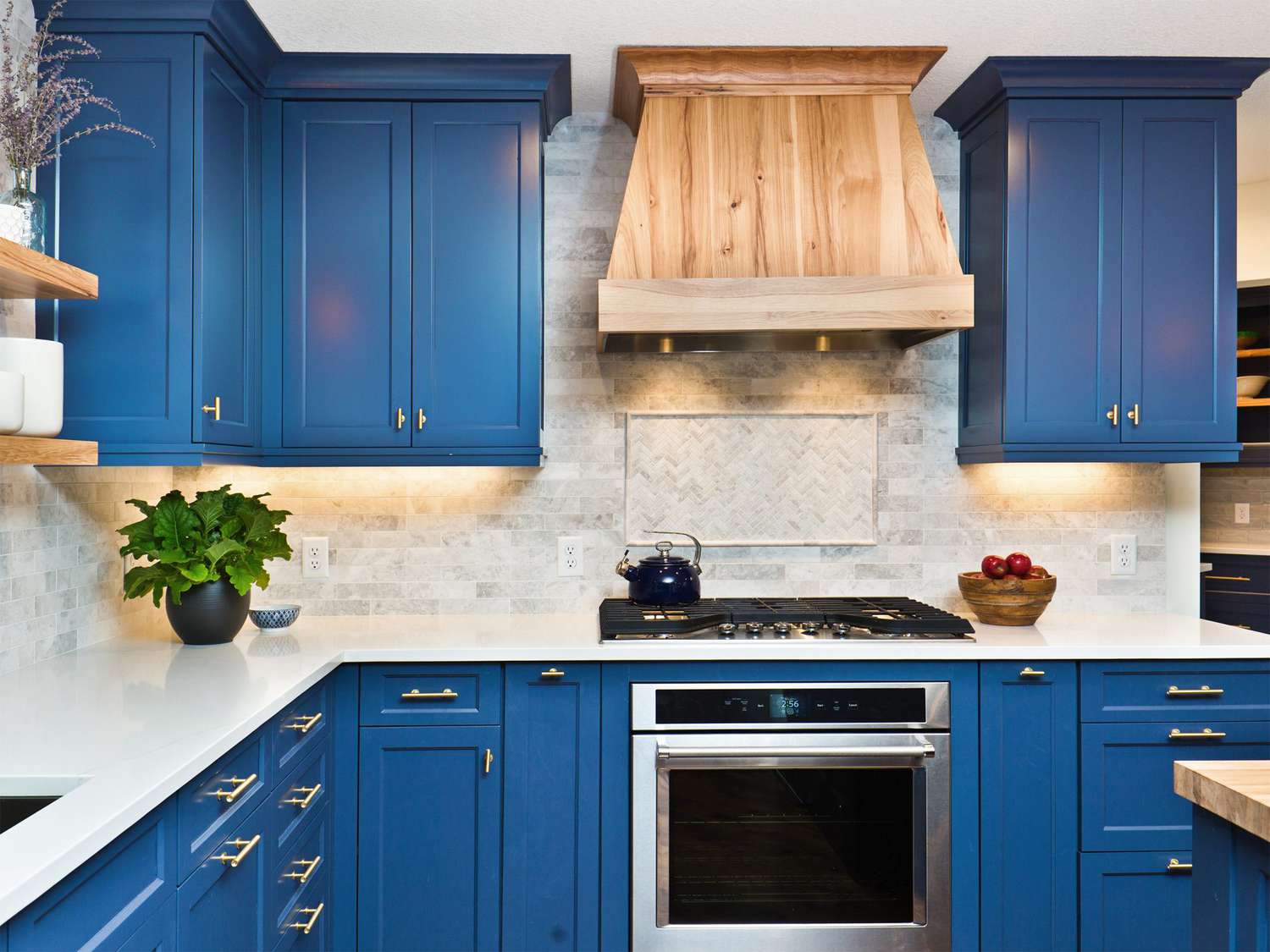
If your freshly painted kitchen cabinets feel sticky, grabby, or like they want to “kiss” every fingertip that passes by, you are not alone. Tacky cabinet paint is one of those maddening DIY surprises because it looks dry from across the room, but the moment you close a door, it clings.
The good news is that most sticky cabinet situations are curing issues, not total failures. That means you can often fix them with patience, airflow, and a few gentle steps before you even think about sanding.
Check the label first
Before you troubleshoot, read the paint can or product sheet. Manufacturers spell out the exact recoat window , dry time, full cure time, and minimum temperature and humidity. Use the label as your north star, then use the tips below to improve the conditions around it.
Why cabinet paint stays tacky
Paint does two different jobs: it dries, and then it cures. Dry-to-touch is not the same as ready for daily wear. Dry means the water or solvents have flashed off enough to feel set. Cure means the coating has hardened all the way through and can handle heat, grease, fingerprints, and doors closing against frames.
When cabinets stay tacky, one of these is usually the culprit.
Humidity and low airflow
Kitchens are humidity factories. If you painted during a rainy stretch, boiled pasta all day, or ran the dishwasher with the windows closed, moisture can slow down evaporation and cure. Some coatings can also hold onto moisture longer at the surface and feel rubbery.
Recoating too soon
This is the big one. If you apply a second coat before the first has had time to set up, you can trap water or solvents underneath. The top skin dries, but the underlayer stays soft, which reads as stickiness and can leave fingerprints or door imprints.
Wrong paint for cabinets
Wall paint, craft paint, and some budget latex formulas can stay soft on slick cabinet surfaces, especially on doors that rub at the edges. Cabinets need a harder curing finish, ideally labeled for trim, doors, cabinetry, or “enamel.”
Thick coats
Thick paint films take longer to release moisture or solvents and cure. In some cases, a surface can feel dry while the layer underneath stays soft, especially with low airflow or higher humidity.
Incompatible or contaminated surfaces
Kitchen cabinets collect invisible grease and cleaner residue. Wax, polish, silicone, or heavy degreaser film can interfere with bonding and cure. Painting over a glossy, older finish without proper prep can also cause trouble. The result can feel tacky, smear-prone, or easy to mark.
Temperature issues
Most coatings prefer a steady, moderate temperature. Too cold slows curing. Too hot can dry the surface quickly while the lower layer lags behind. Big day-night swings can stretch the process out. Always defer to the label, since some products have wider acceptable ranges than others.
Paint type matters
Water-based acrylics, waterborne alkyds, and oil-based paints can all behave a little differently:
- Water-based acrylic: Often dries fast, cure still takes time, can stay grabby in humidity.
- Waterborne alkyd: Often feels dry quickly but can cure slowly and imprint if closed up too soon.
- Oil-based: Typically longer dry and cure times, and poor ventilation can keep it soft longer.
Figure out what “sticky” you have
Before you treat the problem, do a quick, simple check. It helps you avoid making a soft finish worse.
- Light tackiness: It feels slightly grabby, but it does not leave residue on your finger. This is usually “needs more cure time.”
- Imprinting: The paint looks fine, but cabinet doors stick to the frame or you see marks where bumpers touched. This is often trapped moisture or solvent, or a too-soft film.
- Gummy or wet-feeling: Your finger leaves a mark easily, or paint feels like it never dried. This can be recoat timing, thick coats, the wrong paint, or contamination.
- Residue on your finger: Often points to surface contamination or an incompatible underlying finish (wax, polish, silicone, greasy film), not just the old coating itself.
Quick test: In an inconspicuous spot, press your thumbnail gently for 2 seconds and release. If it dents deeply or stays marked, the paint is not cured yet.
Speed curing safely
When cabinets are tacky, the safest “fix” is often creating the best curing environment and then letting chemistry do its slow work.
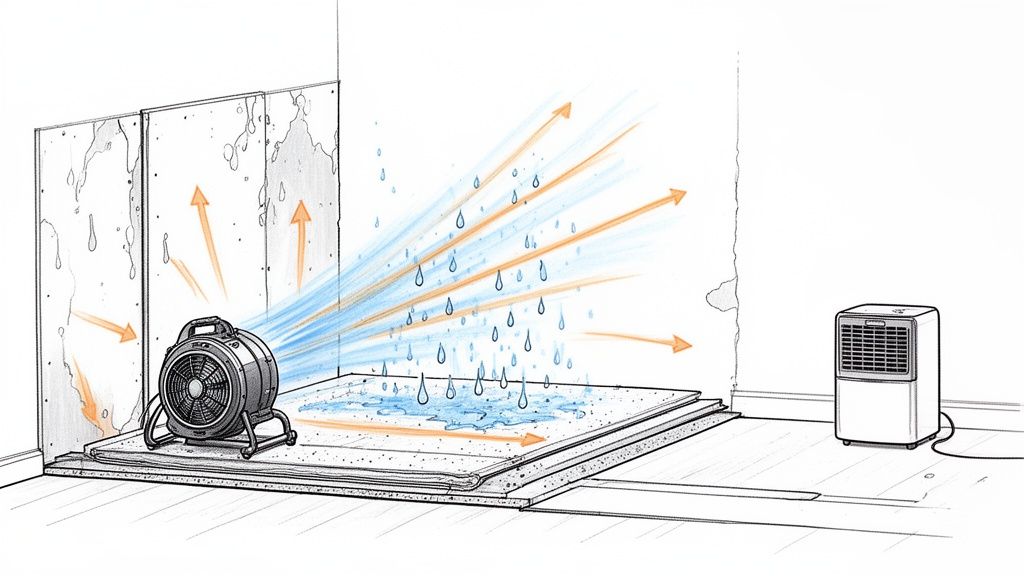
Improve airflow
- Open windows if weather allows.
- Run a fan so air moves across cabinet fronts, not blasting directly into the paint.
- Use your range hood when cooking, and avoid steaming the kitchen for a few days.
Control humidity and temperature
- Aim for about 50 percent humidity or lower if possible, unless your paint label specifies otherwise.
- Keep the room in a steady, comfortable range. Many products do well around 65 to 75°F, but always follow the label since some allow a wider range.
- If your home is humid, a small dehumidifier in the kitchen for a day or two can make a dramatic difference.
Note: Avoid cranking heat right at the cabinets. Rapid heating can dry the surface too fast while the lower layer stays soft.
Gentle handling for the next week
I know, it is a lot to ask in a functioning kitchen. But a few habits can save your finish.
- Avoid pressure from inside the cabinet: Do not overstuff shelves with bins, liners, or tall items that push against the door panel.
- Avoid scrubbing: Clean only as needed until fully cured.
- Use knobs and pulls: No grabbing the door edge.
- Keep doors slightly ajar: When you can, especially overnight, to reduce sticking.
Non-destructive fixes
If you have already waited several days and the tackiness is not improving, try these in order. Each step is designed to be as gentle as possible.
1) Add soft bumpers
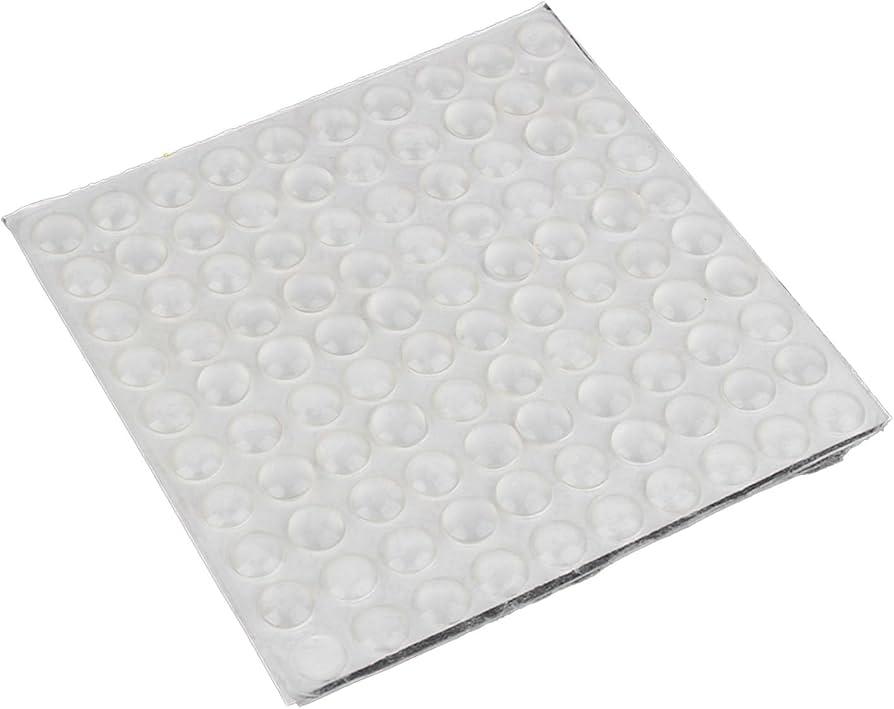
If doors are sticking to the frame or leaving little marks where they contact, adding clear silicone bumpers can reduce pressure and allow a little more airflow while the paint finishes curing.
- Place bumpers at the corners where doors meet the frame.
- Use the smallest bumpers that do the job so doors still close nicely.
2) Clean gently if residue is suspected
If you suspect cleaner film, kitchen grease, waxy polish, or silicone residue is contributing, do a very gentle wipe on one door first.
- Mix warm water with a small drop of dish soap.
- Wipe with a well-wrung microfiber cloth.
- Rinse with a second cloth dampened with plain water.
- Dry immediately with a clean towel.
Avoid: vinegar concentrates, heavy degreasers, ammonia, and “magic eraser” style abrasives on a soft finish. They can dull or drag the paint.
3) Light talc or cornstarch dusting (temporary)
This is an old trick for mild surface grab when the paint film is otherwise sound. It can reduce stickiness while you wait for cure, but it is cosmetic and temporary. Use it sparingly, test first, and plan to wipe it off later.
- Choose unscented talc or plain cornstarch.
- Put a tiny amount on a soft cloth.
- Buff very lightly over the tacky area.
- After 24 hours, wipe off gently with a clean, dry microfiber cloth.
Skip this if the paint dents easily, if you have kids or pets that touch or rub the cabinets, or if the cabinets are near heavy food-prep splashes. You do not want powder building up in corners or changing sheen over time.
4) Give it time with a realistic timeline
Many cabinet paints feel dry in hours, but curing can take 7 to 30+ days depending on product type, color, humidity, and coat thickness. Deep colors and higher-gloss finishes can take longer to feel hard.
If you are seeing steady improvement day by day, that is a great sign. Keep airflow moving and reduce friction points until the grabby feeling disappears.
When it might be adhesion, not curing
Sometimes “sticky” is actually a bonding problem. If paint is peeling at edges, lifting around hardware, or flaking when bumped, do a quick adhesion check.
Simple tape test: In a hidden spot, use a razor to lightly score a small crosshatch pattern (do not gouge the wood). Press painter’s tape over it, burnish lightly, then pull it back sharply. If paint comes off in flakes, you likely have an adhesion or compatibility issue, not just slow curing.
When to stop waiting
If any of these are true, conditions alone may not solve it:
- The paint is still tacky after 2 to 3 weeks in good drying conditions.
- Doors stick so hard they pull paint when opened.
- You can easily dent the surface with a fingernail after a week.
- The finish feels rubbery or gummy, especially in thicker areas.
Stronger fixes
Option A: De-gloss and recoat
If the paint is the wrong type or simply too soft for cabinetry, the most durable fix is often a cabinet-grade enamel over a properly prepped surface. You do not always need to strip to bare wood, but you do need a surface the new paint can grip.
- Let the current paint harden as much as it can.
- Remove doors and hardware.
- If the surface is firm enough not to gum up, lightly sand with 220 grit to reduce shine and create tooth.
- If it is still a bit soft and sanding clogs instantly, consider a liquid deglosser instead, following the label closely and ventilating well.
- Remove dust and residue, then let dry fully.
- Prime if needed for your system, then apply a cabinet or trim enamel in thin coats, following label recoat times.
Thin coats and patience beat thick “one and done” layers every time, especially on kitchen doors that get touched constantly.
Option B: Sand back and repaint
If the finish is truly gummy, smears, or lifts when touched, you may need to sand back until you reach a stable layer. This is a reset, but it is still very doable.
- Start with a small test area first.
- Use 150 to 220 grit and keep pressure light.
- If the paint is uncured and rolling up, pause and give it more time or switch to a deglosser approach, instead of fighting gummy paper.
- Wear a mask and ventilate well.
Mistakes that make it worse
- Closing doors too soon: It traps humidity and creates contact pressure marks.
- Adding a clear coat to “seal it”: If the base is not cured, a topcoat can trap moisture or solvents and extend tackiness.
- Using harsh cleaners: Strong chemicals can soften a young paint film.
- Waxing cabinets: Wax can interfere with curing and future touch-ups.
Prep that prevents tackiness
If you end up repainting, prep is where most cabinet projects are won.
- Degrease first: Use a dedicated degreaser or TSP substitute, then rinse thoroughly with clean water and let everything dry.
- De-gloss: Scuff sand or use a liquid deglosser so primer and paint can bite.
- Prime smart: Use a bonding primer if you are dealing with glossy finishes, stains, or unknown coatings.
- Follow the recoat window: Too soon traps moisture, too late can reduce intercoat bonding on some products.
A simple curing routine
If you are mid-project or about to repaint, here is the rhythm I use in real homes.
- Day 1 to 2: Paint thin coats, keep air moving, doors off if possible.
- Day 3 to 7: Rehang carefully, add bumpers, handle gently.
- Week 2: Light use is fine, but avoid scrubbing and harsh cleaners.
- Week 3 to 4: Most cabinet enamels feel properly hard and less precious, though some finishes can take longer.
When to call in help
If your cabinets were previously finished with unknown coatings, or you are seeing persistent tackiness alongside peeling, fish-eye craters, or widespread adhesion issues, it can be worth consulting a local paint store or finisher. Bring photos, your paint labels, and a note about temperature, humidity, and dry times. The right diagnosis can save you from repainting twice.
Cabinet paint should feel boringly hard once cured. If it still feels like a sticky note weeks later, your finish is asking for better conditions or a better product.
Quick checklist
- Check the label for recoat, dry, and cure times.
- Increase airflow and reduce humidity.
- Keep temperature steady and within label limits.
- Avoid friction and pressure, keep doors ajar when possible.
- Add clear bumpers to prevent sticking and imprinting.
- Clean gently only if residue is suspected.
- Use talc or cornstarch only as a temporary, light fix for mild grab.
- If it is still tacky after 2 to 3 weeks, plan a degloss and recoat with cabinet enamel.
If you tell me what paint you used, your temperature and humidity (even a rough guess), and how long you waited between coats, I can help you pinpoint the most likely cause and the gentlest fix.