Static Cling and Shocks on Fabric Sofas in Dry Months

Clara Townsend
Clara Townsend is an interior stylist, vintage furniture enthusiast, and the creative voice behind Velvet Abode. With over a decade of experience transforming both cramped city apartments and sprawling fixer-uppers, she believes that a beautiful home is built on personal stories rather than massive budgets. When she isn't hunting for the perfect brass sconce at a local flea market, she can usually be found rearranging her living room for the third time this month.
There's a special kind of betrayal when you sit down to relax and your sofa snaps back at you. In the dry months, static cling and little shocks can make even a plush couch feel weirdly unwelcoming. The good news is that most sofa static isn't a “your couch is doomed” problem. It's a materials-and-humidity problem, and both are fixable without turning your apartment into a science project.
Below, I'll walk you through what's happening, which fabrics are the biggest offenders, and the renter-friendly tricks that actually make a difference. Think of this as cozy season, minus the zaps.
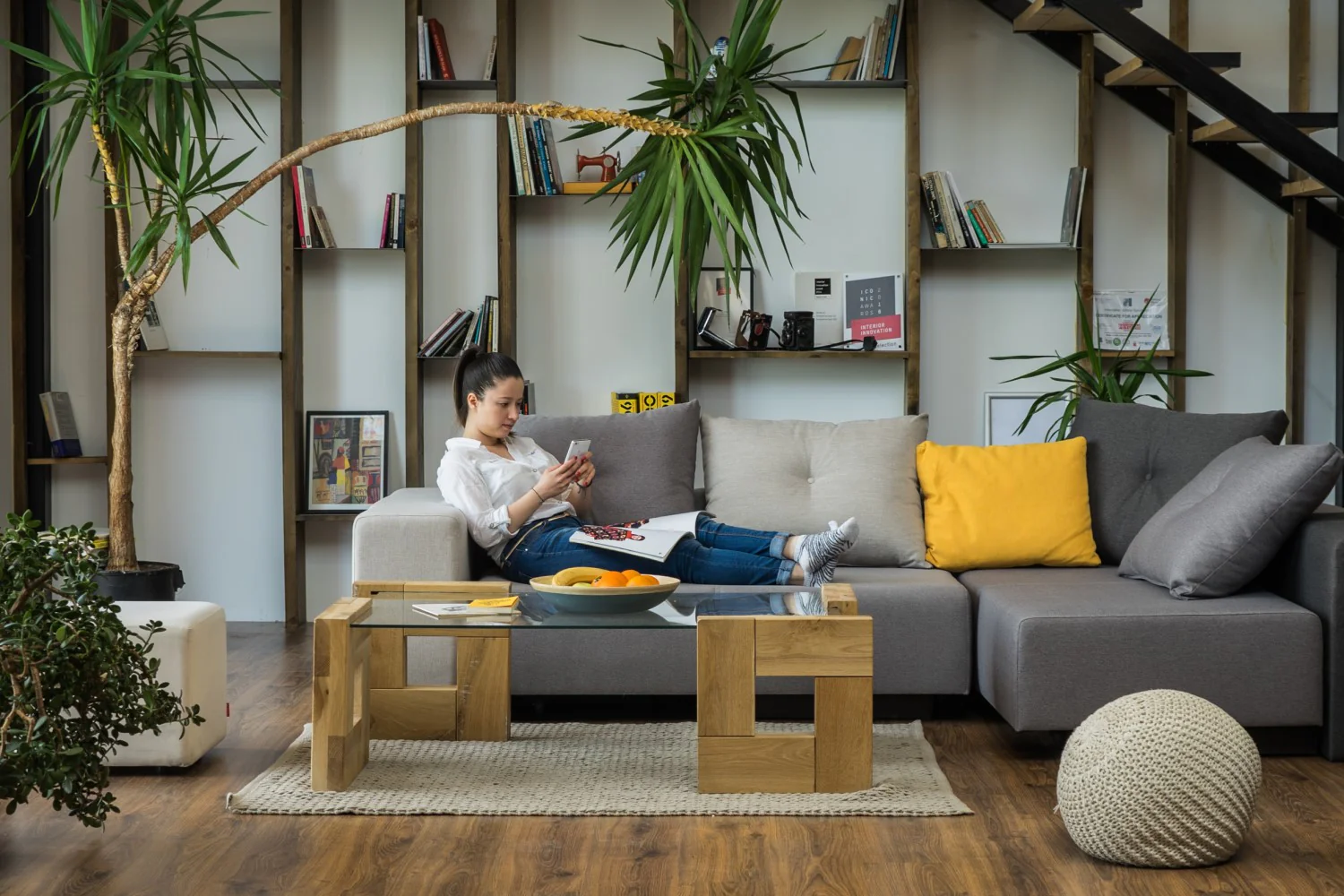
Why your sofa gets staticky in winter
Static electricity builds when two materials rub and exchange electrons. Your socks on a rug, your sweater against the couch, the blanket you pull off your lap. In more humid air, that charge dissipates more easily because moisture helps conduct it away. In dry air, the charge just hangs around and waits for the next time you touch something metal, like a lamp base or doorknob.
Dry months are the perfect storm because:
- Indoor humidity drops when the heat turns on.
- More synthetics show up in sweaters, fleece, slippers, and throw blankets.
- More friction happens because we're layering textiles and shifting around to get comfortable.
Synthetics vs. natural fibers
If you've ever noticed that one sofa always zaps and another never does, fabric content is usually the reason.
Synthetic fibers (more static)
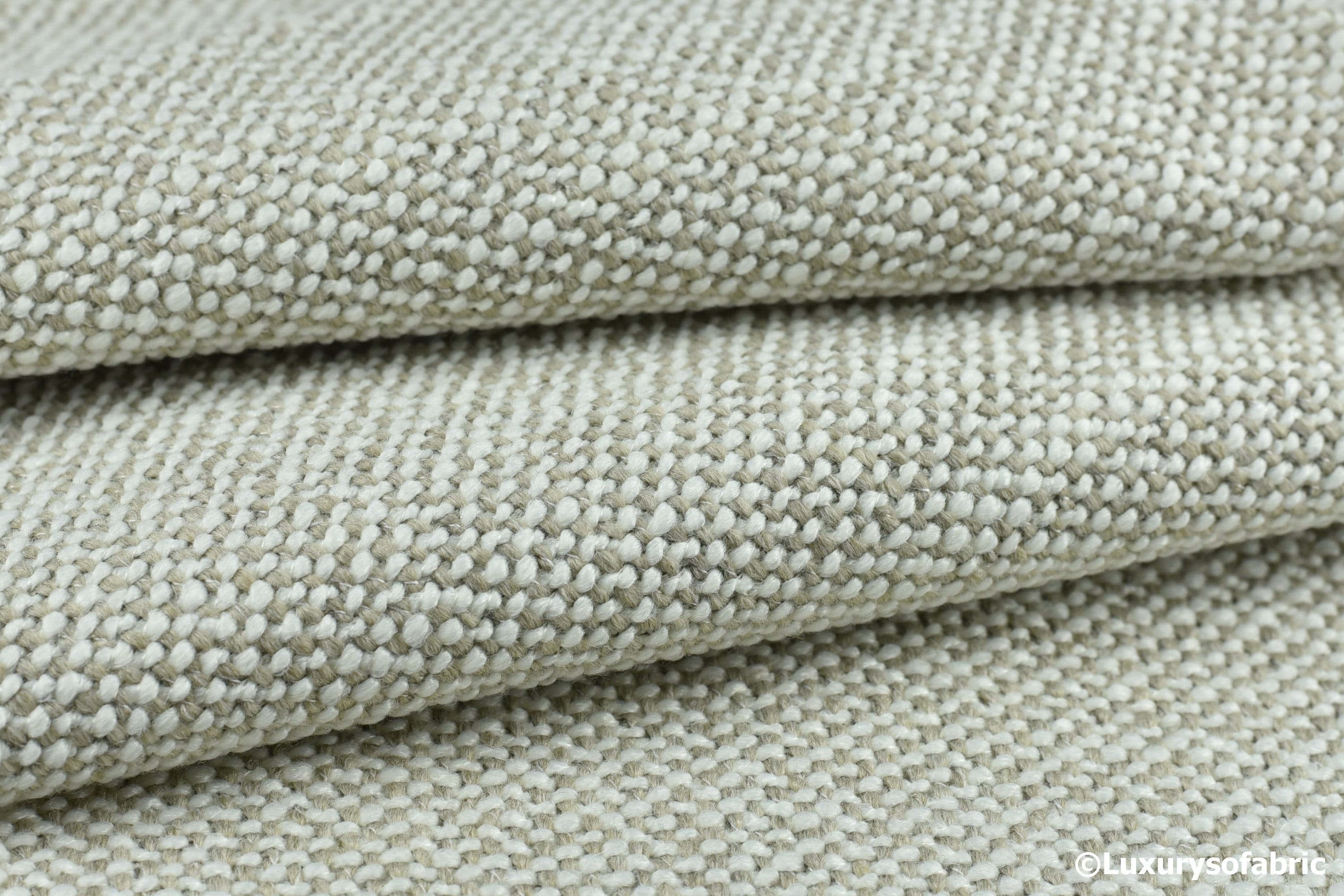
Polyester, acrylic, nylon, microfiber, and many performance fabrics tend to hold a charge. They're basically static magnets, especially when paired with other synthetics like fleece throws or leggings.
- Microfiber and polyester blends: very common in affordable sofas and sectionals, and very common in winter static complaints.
- Performance weaves: durable and easy to clean, but often made with synthetics that can cling and snap in dry air.
Natural fibers (less static)
Cotton, linen, wool, and silk generally build less static than synthetics, especially when the room has reasonable humidity. That said, any fabric can get staticky if the air is dry enough and the friction is constant.
- Cotton slipcovers: usually calmer and easier to manage with light humidity adjustments.
- Linen blends: breathable, less clingy, and they drape in that relaxed way I'll never stop loving.
- Wool throws: often less shocking than fleece, though some wool blends can still spark depending on what else they rub against.
The biggest culprit: low humidity
If you only change one thing, change the humidity. A range around 30 to 50 percent relative humidity is often recommended for comfort, but in winter some homes do better closer to 30 to 40 percent to help prevent window condensation and mold risk. In many apartments, humidity can plunge once the HVAC runs regularly.
Easy humidity checks
- Grab a small hygrometer (a little digital humidity reader). They're inexpensive, and it's empowering to know whether you're dealing with 18 percent humidity or 38 percent.
- Notice the dry-air tells: itchy skin, scratchy throat at night, crispy houseplant leaves, and more static everywhere.
Renter-friendly humidifier basics
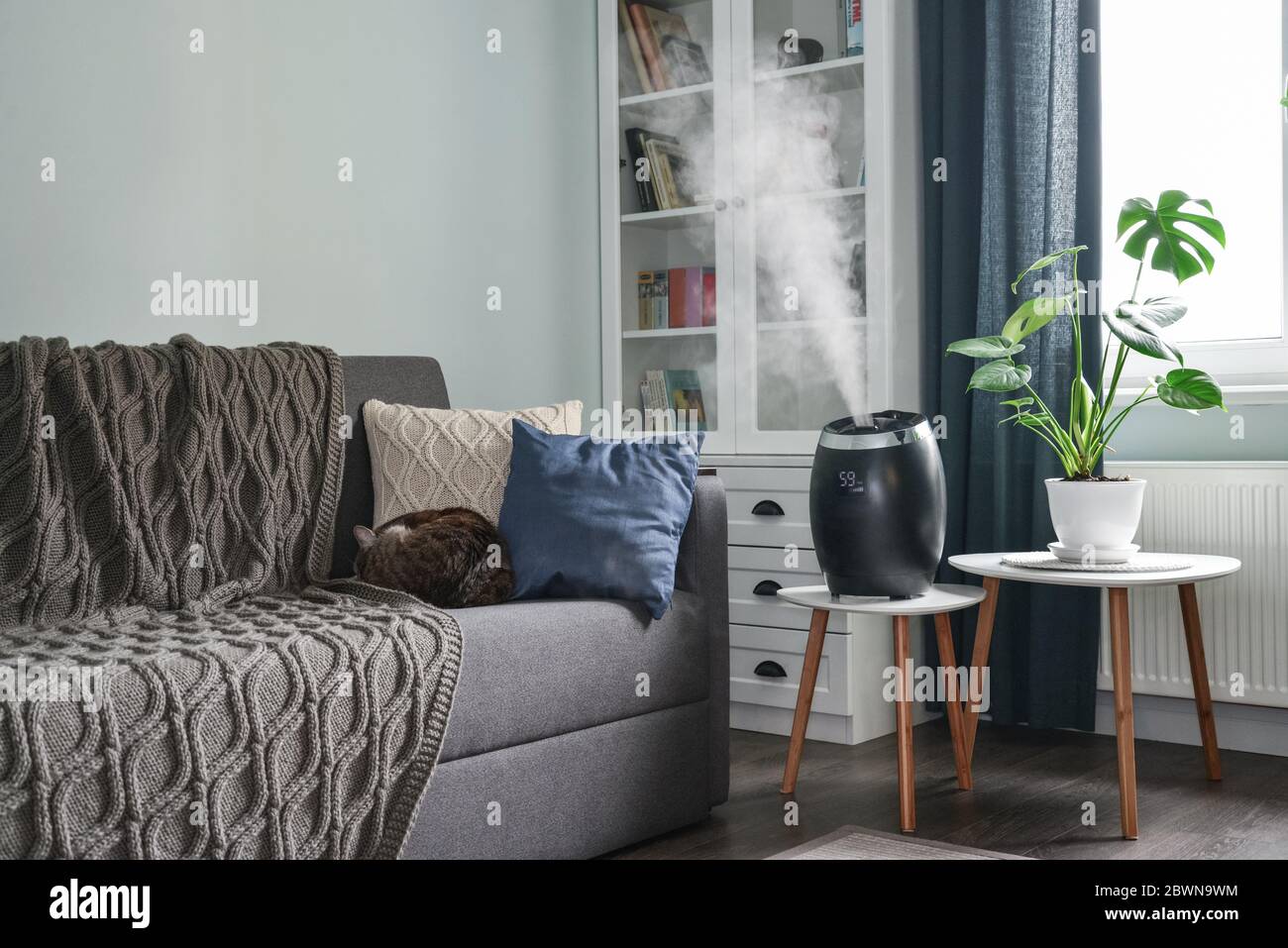
You don't need a whole-house system to calm a staticky sofa. A portable cool-mist humidifier in the living room can make a noticeable difference, sometimes within a day or two depending on room size, your heat, and the humidifier's capacity.
- Place it a few feet away from the sofa, not aimed directly at upholstery.
- Use distilled water if possible to reduce white dust in hard-water areas.
- Clean it regularly according to the manual. Humidifiers are wonderful, but only when kept tidy.
If you're not ready to buy one yet, a very small step is to run a hot shower with the bathroom door open for a few minutes before you settle in for the evening. It's not a perfect fix, but it can take the edge off in a pinch.
Quick fixes you can do today
1) Add a natural-fiber throw where you sit
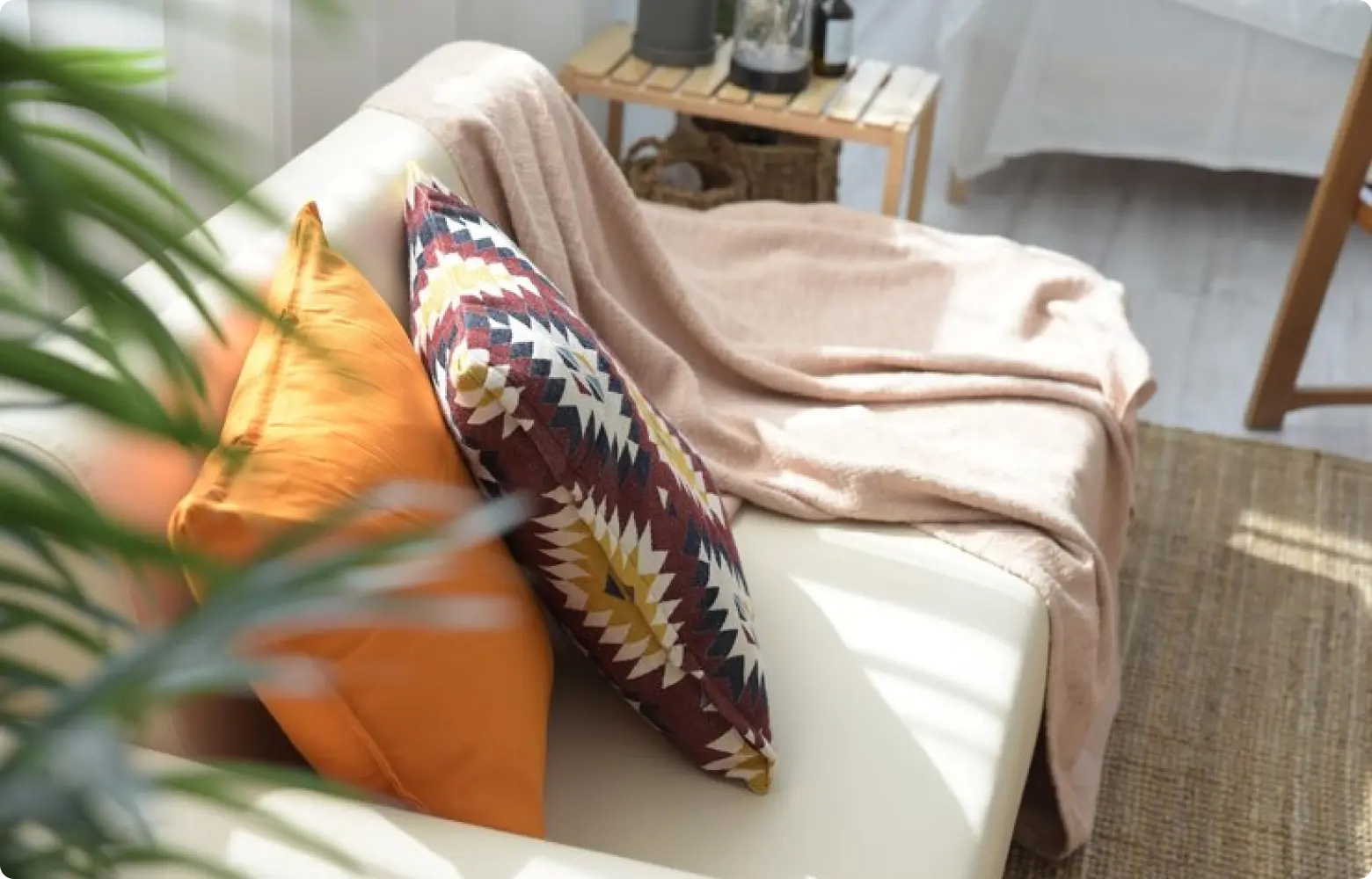
This is my favorite “make it cozy and fix the problem” solution. Add a cotton or linen throw, or a wool blanket, over the seat and arm where you tend to land. You're creating a buffer between your clothing and the most static-prone upholstery.
- Choose cotton, linen, or wool over fleece if static is driving you nuts.
- For looks: pick a throw in a texture that contrasts your sofa, like a nubby wool on smooth microfiber, or a gauzy linen on a chunky weave.
2) Lotion counts (seriously)
If your skin is super dry, shocks can feel sharper. A quick swipe of hand cream or body lotion before you lounge won't “fix” static in the fabric, but it can make the zaps feel less intense and less frequent.
3) Lightly mist with water (the gentlest option)
If your sofa fabric tolerates a little moisture, a very light mist of plain water can help dissipate charge. Keep it subtle. You're not trying to dampen cushions, just add a whisper of moisture to the surface.
- Use a clean spray bottle on a fine setting.
- Mist from a distance and let it air dry.
- Test a hidden spot first, especially on delicate or vintage upholstery.
4) Use anti-static spray sparingly and smartly
Anti-static sprays can work, but I treat them like perfume. A little goes a long way, and you want them on fabric surfaces, not floating in the air you're breathing.
- Spot test on an inconspicuous area first for discoloration.
- Check your upholstery care code if you have it (W, S, WS, or X) and follow the safest method for your fabric. When in doubt, use the least-wet approach and test first.
- Spray onto a cloth and wipe the sofa lightly, rather than spraying heavily into the room.
- Avoid soaking seams and piping, where moisture can linger.
- Ventilate and keep pets off until dry.
If you're sensitive to fragrance, look for unscented formulas and keep usage occasional. For many homes, humidity and throws do most of the work without needing spray at all.
5) A simple DIY anti-static spray (budget-friendly)
If you'd rather skip a commercial spray, you can make a mild DIY version:
- Mix 1 tablespoon liquid fabric softener with 1 cup water in a clean spray bottle.
- Shake gently.
- Lightly mist onto a cloth and wipe the sofa, or mist very lightly from a distance.
Important: spot test first, avoid over-wetting, and skip this on delicate fabrics or anything that water can stain. And if you have pets that love licking the sofa (no judgment), it's safer to lean on humidity and natural-fiber throws instead.
Grounding tricks that help
Static shocks feel dramatic, but the fix can be small: give the charge an easier path than your fingertip.
Discharge before you touch metal
- Use a key or coin: hold a metal key or coin and touch a metal lamp base, table leg, or doorknob with it first. If there's going to be a tiny spark, it's more likely to happen at the key than your skin.
- Try a grounded metal touch point: if you have a properly grounded metal object available (some metal table legs or certain appliances can work), touching it first can help bleed off charge. Results vary by home, but metal is generally a more reliable discharge point than dry wood.
Rug and floor considerations
If your sofa sits near a synthetic rug on a synthetic carpet, static can feel nonstop. You don't have to replace anything, but you can reduce buildup:
- Add a natural-fiber layer (cotton or jute) if it suits your space and lease rules.
- Use a rug pad to reduce rubbing and shifting.
- Skip ultra-synthetic throws if your rug is already a static factory.
HVAC and airflow basics
In apartments, you often can't tweak the HVAC system itself, but you can work with it.
When the heat dries everything out
- Run a humidifier when the heat runs, especially in the evening when everyone is on the sofa.
- Keep interior doors open (when possible) to help humidity distribute more evenly.
- Change or clean filters if your rental setup allows it. Better airflow helps your space feel more balanced, even if it isn't a direct static cure.
Don't over-humidify
More isn't always better. If your windows start sweating, you notice musty smells, or you see damp spots, dial it back. You're aiming for comfort, not a tropical greenhouse.
Quick humidifier safety notes
- Keep mist away from electronics, outlets, and power strips.
- Protect floors and furniture: place the humidifier on a water-safe surface, not directly on wood floors or delicate wood furniture.
- Don't aim mist at upholstery or curtains. You want the room humidified, not the sofa damp.
Fabric care that reduces cling
Static shows up on sofas, but it often starts with what we throw on them and what we wear while lounging.
Wash throws and slipcovers with static in mind
- Skip overusing dryer sheets. They can leave residue that dulls softness over time and may irritate sensitive skin. Use them only if they help and you tolerate them.
- Try wool dryer balls to reduce cling and improve airflow in the dryer.
- Don't over-dry blankets and slipcovers. Bone-dry textiles cling more.
Choose cozy fabrics strategically
- If your sofa is polyester or microfiber, pair it with cotton knits, linen throws, or wool blankets.
- If you love fleece, keep one fleece blanket for movie nights, but add a natural-fiber throw as the daily driver that lives on the sofa.
If you still get zapped
- If static is worst when you stand up, your rug and socks combo is probably the main generator. Switch to cotton socks or slippers with less synthetic fuzz.
- If static is worst when you pull off a blanket, swap that blanket first. Fleece is a frequent offender.
- If it's constant no matter what, check humidity. If you're under 30 percent, you'll be fighting an uphill battle until you add moisture to the air.
- If anti-static spray works for one day, that's normal. Think of it as a temporary assist, not the whole plan.
My simple winter setup
If you want the lowest-effort routine that still feels intentional, here's what I do in dry months:
- One portable humidifier in the living room, aimed away from textiles.
- A cotton or wool throw draped where we sit most.
- A no-fleece rule for the blanket that lives on the sofa full time.
- Anti-static spray only if the air is especially dry, applied to a cloth first (or the DIY mix, tested carefully).
- A key by the door habit so I can discharge to metal without sacrificing my fingertips.
Your sofa should feel like a comforting hug, not a surprise science experiment. Add a little moisture, soften the friction points, and you'll get your cozy evenings back.