Spot-Clean Chenille Without Fuzzing the Pile

Clara Townsend
Clara Townsend is an interior stylist, vintage furniture enthusiast, and the creative voice behind Velvet Abode. With over a decade of experience transforming both cramped city apartments and sprawling fixer-uppers, she believes that a beautiful home is built on personal stories rather than massive budgets. When she isn't hunting for the perfect brass sconce at a local flea market, she can usually be found rearranging her living room for the third time this month.
Chenille is one of those fabrics that makes a room feel instantly softer, like your sofa is wearing a cashmere sweater. But it can also be a little dramatic when it gets wet. One enthusiastic scrub and suddenly you have a fuzzy halo or a flattened patch that catches the light in a way you cannot unsee.
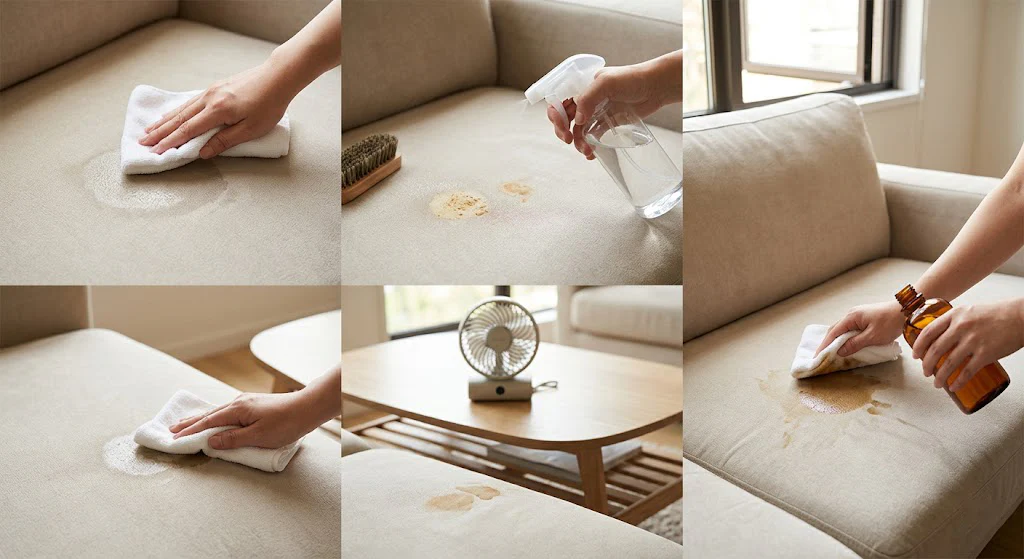
The good news is that spot-cleaning chenille is absolutely doable at home. The trick is to use less moisture, less friction, and a little directional grooming so the pile dries standing up, not crushed.
First: confirm it is chenille
People call a lot of nubby, cozy fabrics “chenille,” but true chenille has its own personality. Knowing what you are working with helps you pick the gentlest method.
Quick chenille checks
- It looks like tiny caterpillars. Chenille yarns have a fuzzy, velvety sheath around a core. Up close, the surface often looks softly tufted rather than crisp or flat.
- The nap changes with your hand. If you swipe your palm across it, you may see subtle shading shifts, especially on cushions and arms.
- It loves to “track.” Like velvet, chenille can show pressure marks where someone sat or where a pet curled up.
Common lookalikes (and why cleaning differs)
- Velvet: usually a more uniform, dense pile. Velvet also hates saturation, and it can show water rings more dramatically depending on fiber and finish.
- Bouclé: looped yarns. Bouclé is more snag-prone than chenille and can felt if overworked with moisture and heat, especially wool or wool-blend bouclé.
- Microfiber/suede: not a pile yarn, more of a brushed surface. It often tolerates rubbing better than chenille (but still prefers gentle blotting).
If you can, check the care code tag under a cushion or on the frame: W (water-based), S (solvent-based), WS (either), or X (vacuum only). These codes are common, but not perfectly universal across brands, so always follow any extra notes on the tag or the manufacturer’s instructions. The tag wins the argument.
One more quick reality check: chenille made with rayon/viscose (or blends that include it) tends to be more watermark-prone than polyester chenille. If your fabric seems “ring-happy,” go even lower moisture and test obsessively.
Why chenille fuzzes or crushes
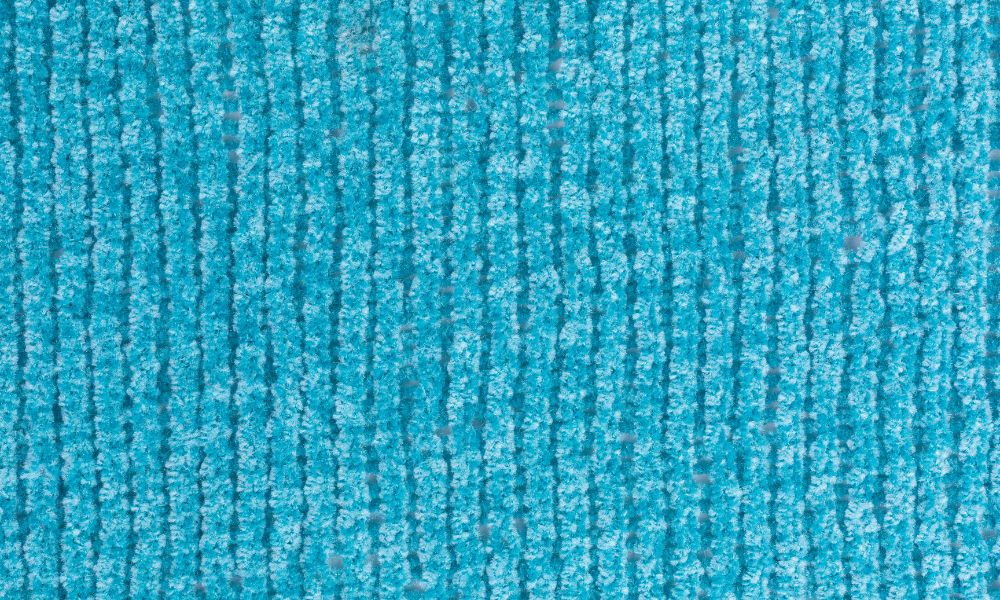
Chenille fuzzing and “bald-looking” patches usually come from one of three things:
- Rubbing while wet: friction breaks tiny fibers and lifts them into a fuzzy bloom.
- Too much water: the yarn swells and relaxes, then dries matted down.
- Heat and pressure: steam, hair dryers on high, or pressing with heat can flatten pile and set it that way.
Your goal is to lift the stain out while keeping the fibers calm, supported, and brushed in the right direction as they dry.
Grab a spot-clean kit
You do not need a cabinet full of specialty bottles. You do need the right textures and a light touch.
- White microfiber cloths or soft cotton cloths (white helps you see transfer)
- Distilled water (reduces water marks in hard-water areas)
- Spray bottle that can mist, not blast
- pH-neutral upholstery cleaner or a tiny amount of clear, gentle dish soap
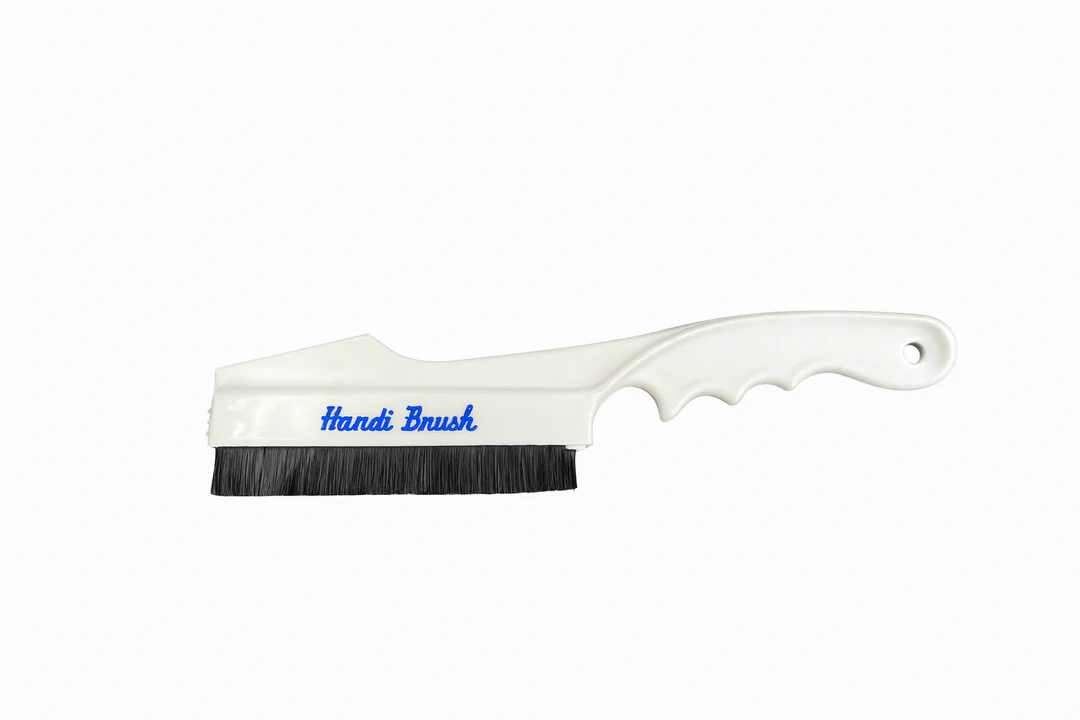
- Soft upholstery brush or a clean, soft baby hairbrush
- Spoon or dull butter knife for lifting solids
- Vacuum with upholstery attachment
- Optional: 70% isopropyl alcohol (sometimes useful on some “S” code fabrics), cornstarch or baking soda (for grease), and a small fan
Avoid: bleach, ammonia, high-alkaline cleaners, stiff brushes, anything gritty, and heavy agitation. Chenille does not forgive abrasion.
Also skip: steam cleaners, home carpet extractors, Magic Erasers, and “scrub pads” of any kind. They are basically a shortcut to crushed pile and fuzz.
Step-by-step: gentle blotting
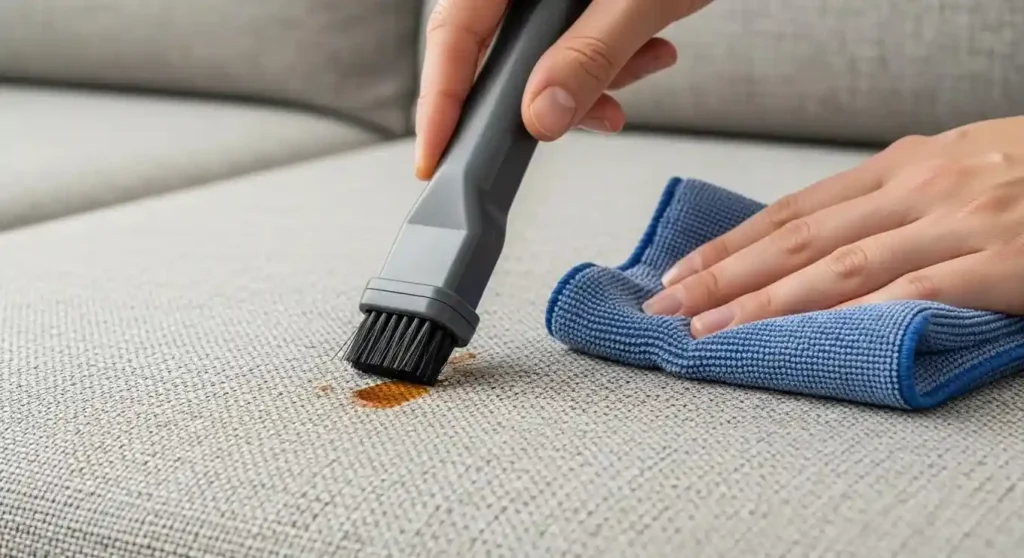
This is the method I use on most chenille sofas and chairs when the tag allows water-based cleaning. It is slow in the best way.
1) Vacuum first
Use the upholstery attachment and gentle passes. If there are crumbs or grit, blotting can grind them into the yarn and create fuzzing.
2) Find the nap direction
Lightly brush your hand over the fabric. One direction will feel smoother. That is your “with the nap” direction.
Pro tip: Do a quick phone-flash check. Tilt your phone light across the fabric. If one swipe direction looks darker or lighter, that is the nap flipping. You want your cleaned area to end up brushed the same way as the surrounding fabric so it blends.
3) Lift solids, do not smear
If it is food or mud, use a spoon edge to lift. If it is wet and chunky, blot once, then lift.
4) Pre-blot
Press a dry cloth onto the spot. Use a firm, still press for 5 to 10 seconds, then lift straight up. Repeat with a clean section of cloth.
No rubbing. Imagine you are trying to persuade the stain to move into the cloth, not wrestle it into submission.
5) Use a pre-diluted solution
Instead of adding soap straight to the cushion, make a mild mix first: 1 to 2 drops of clear, gentle dish soap in 1 cup of distilled water (or use a pH-neutral upholstery cleaner per label).
Mist the solution onto your cloth so it is damp, not wet. Then blot.
6) Blot outside in
Work around the perimeter first to prevent spreading, then blot toward the center. Rotate the cloth frequently so you are always lifting into a clean area.
7) Rinse-blot lightly
Use a new cloth lightly misted with distilled water and blot again to lift any soap residue. Think 1 to 2 gentle passes, not a re-wash. Residue is a sneaky culprit for stiff, dull patches that grab lint.
8) Final dry blot
Press a dry cloth into the area to pull up as much moisture as possible.
Low-moisture options
If your chenille tends to watermark, the tag says S, or you are dealing with a small isolated spot, low-moisture techniques are your best friend.
For “S” codes: solvent approach
S usually indicates solvent-based cleaning (think professional dry-cleaning solvents). A common at-home workaround is 70% isopropyl alcohol, which evaporates quickly, but it is not manufacturer-approved for every “S” fabric. Treat it as “sometimes works,” not a universal rule.
- Test in a hidden spot first.
- Dampen a white cloth with alcohol (do not soak).
- Blot gently, working outside in.
- Blot dry immediately and use airflow to finish drying.
If you see dye transfer, a change in sheen, or a darker ring forming, stop and switch tactics or call a pro with the right solvent products.
For oily stains: absorb first
Grease is a pile-crusher because people over-scrub it. Instead:
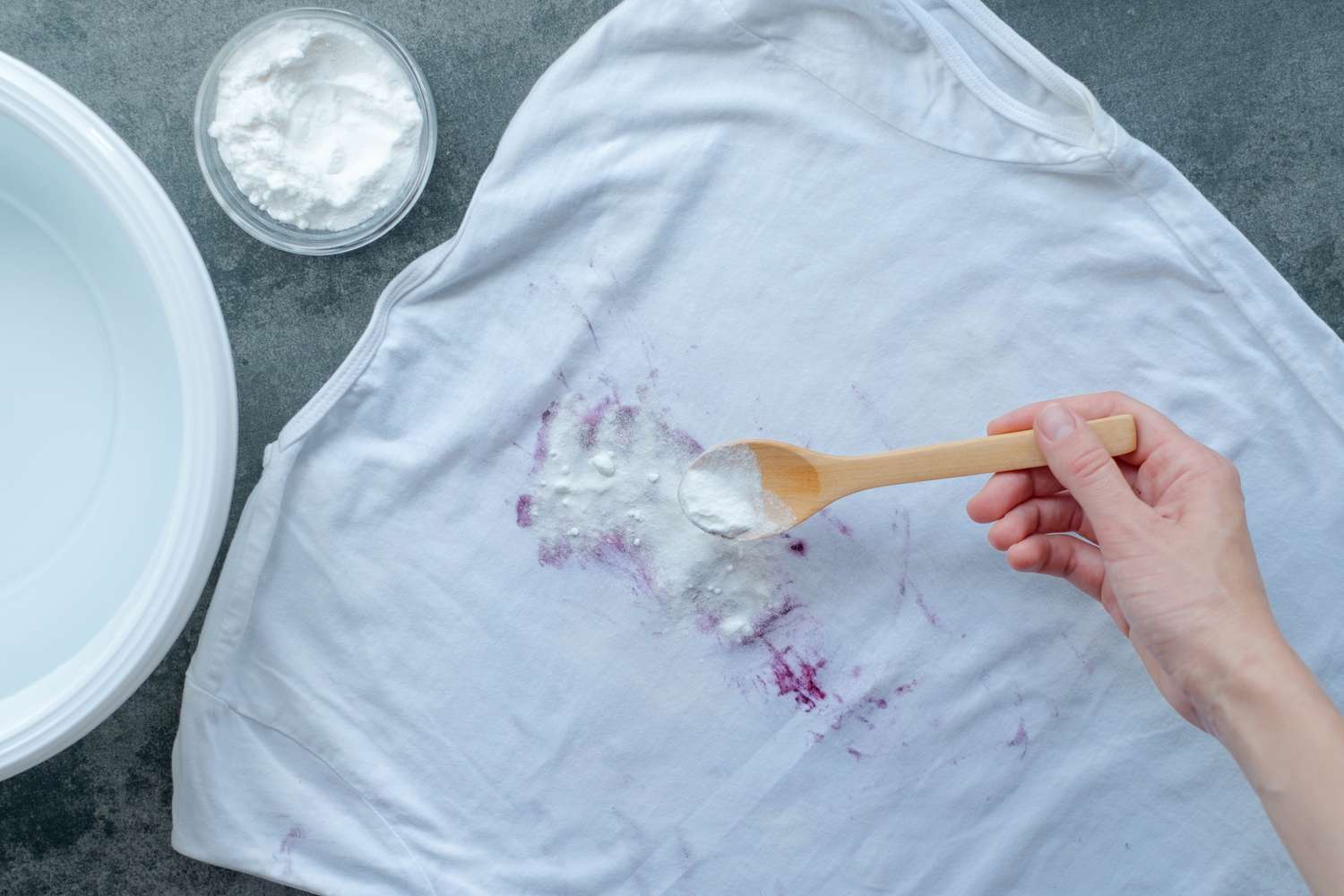
- Sprinkle cornstarch (or baking soda) over the spot.
- Let it sit 20 to 60 minutes.
- Vacuum thoroughly.
- Then do a minimal blot-clean if needed.
For dull “shadow stains”: minimal foam
A pH-neutral upholstery foam can work well because you can lift soil with less liquid. Apply foam to the cloth, blot, then rinse-blot lightly with distilled water if the fabric code allows.
Dry without flattening
Drying is where chenille either returns to plush or gets that telltale “bruised” patch. The goal is fast, even drying with the pile supported.
Do this
- Airflow over heat: aim a fan across the surface. Keep the room comfortably warm.
- Fluff while slightly damp: when the fabric is just a touch damp, use a soft brush to gently lift the pile with the nap.
- Rotate cushions: unzip covers if possible or stand cushions on edge so moisture does not settle in one area.
Avoid this
- High heat (including steamers and hair dryers on high or very close)
- Sitting on it before it is fully dry
- Over-brushing while wet (it turns into fuzz fast)
If the spot looks a little darker while drying, wait. Chenille can look uneven until fully dry and brushed.
Brush to blend
Once the area is fully dry, lightly brush the fabric in the same direction as the surrounding nap. Then do one soft blend pass where you brush outward beyond the cleaned zone so the transition disappears.
If you still see a flattened patch, try this gentle reset:
- Hold a damp cloth near the area (not on it) to introduce a whisper of humidity.
- Wait 1 to 2 minutes.
- Brush lightly with the nap.
- Fan dry.
This is slower than steaming, but much safer for chenille.
If you get a water ring
Water rings happen when a small wet spot dries with a distinct edge, especially on watermark-prone chenille (hello, rayon/viscose blends).
- Do not spot-scrub the ring edge. That usually makes it sharper.
- Feather out with minimal moisture: lightly dampen a cloth with distilled water and gently blot a slightly larger area around the ring, blending outward. Keep it as dry as you can while still softening the edge.
- Dry evenly: use a fan and keep brushing with the nap as it dries.
If the ring keeps reappearing or the area is large, it is often a “call a pro” moment. Professionals can even out moisture safely and extract without leaving tide lines.
Stain cheat sheet
Coffee, tea, wine
- Do: blot immediately, then use minimal damp blotting and rinse-blot.
- Do not: scrub or over-wet to chase the color.
Pet accidents
- Do: blot, then use an enzyme cleaner that is upholstery-safe. Apply it sparingly (ideally to the cloth), follow the label dwell time, then blot and dry thoroughly with airflow.
- Do not: saturate the cushion. Moisture that sinks deep can linger and cause odor.
Mud
- Do: let it dry fully, vacuum, then spot-clean what remains.
- Do not: smear wet mud into the pile.
Grease
- Do: absorb with cornstarch, vacuum, then minimal blot.
- Do not: hit it with hot water or heavy soap. That can set an oily ring and crush the nap.
Test first: 60 seconds
Before you treat the visible area, pick a hidden spot like the back hem or under a cushion and do this:
- Dab your chosen cleaner onto a cloth.
- Blot the hidden spot 5 to 10 times.
- Let it dry fully.
- Check for color transfer, stiffness, watermarking, fuzzing, or a change in sheen.
If anything looks off, stop and switch methods or call a pro. Chenille is not the fabric to “push through” with more product.
Removable covers
If your cushion covers zip off, treat that like a bonus feature, not an automatic “toss it in the wash.”
- Check the cover tag. Only machine wash if it explicitly says it is washable.
- Avoid partial washing. Washing one cover can create a color mismatch with the rest.
- Mind the pile. Even when washable, chenille covers can come out with a changed texture if agitation or heat is too high.
When in doubt, spot-clean on the sofa using low moisture, or have covers professionally cleaned.
When to call a pro
Some situations really are worth professional upholstery cleaning, especially when chenille is involved:
- The fabric tag is X (vacuum only) or missing and you cannot confidently test.
- The stain is large, old, or has already been scrubbed.
- You are seeing dye bleeding on your cloth.
- The cushion has down or specialty fills and you suspect deep saturation.
- You have recurring water rings or tide lines.
If you do hire someone, ask whether they have experience with pile fabrics and whether they can use a low-moisture approach.
Prevention basics
- Vacuum weekly with the upholstery attachment to prevent grit from abrading the yarn.
- Rotate cushions and lightly brush high-use areas to keep shading even.
- Keep a white cloth handy so you can blot fast, before a spill becomes a scrub-session.
- Consider an upholstery protectant only if it is compatible with the fabric and you have tested it. Some protectants can change hand-feel on chenille.
Chenille is meant to be lived on. The goal is not perfection. It is keeping that inviting, touchable pile intact so your sofa still feels like the best seat in the house.