Sofa Arm Covers That Look Intentional

Clara Townsend
Clara Townsend is an interior stylist, vintage furniture enthusiast, and the creative voice behind Velvet Abode. With over a decade of experience transforming both cramped city apartments and sprawling fixer-uppers, she believes that a beautiful home is built on personal stories rather than massive budgets. When she isn't hunting for the perfect brass sconce at a local flea market, she can usually be found rearranging her living room for the third time this month.
Sofa arm covers get a bad reputation because we have all seen the floppy, sliding kind that makes a perfectly good couch look like it is wearing a wrinkled raincoat. But an armrest protector can be genuinely chic when you treat it like a soft accessory, not an apology. It can also save your upholstery from lotion hands, snack spills, and the very specific type of cat enthusiasm that targets corners and piping.
Below is everything I use when I am helping clients protect a sofa without sacrificing the feeling of a finished room: how to measure, what styles fit best, which fabrics hold up to kids and cats, how to wash them so they keep their shape, and a few styling tricks that make the whole thing feel intentional.
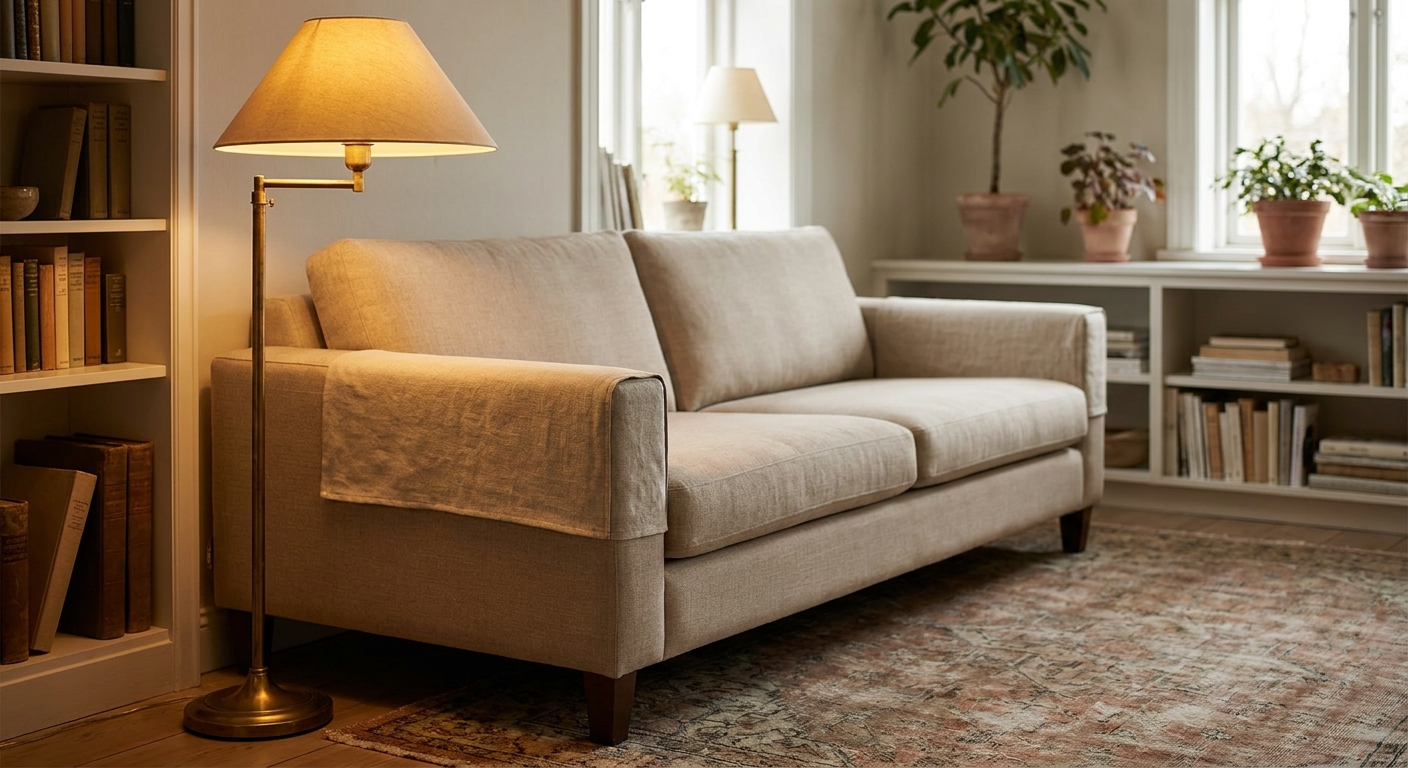
Cap vs wrap: two fits, two vibes
Most arm protectors fall into two main fit types. Choosing the right one is half the battle, because the wrong style will slide, bunch, and announce itself every time someone sits down.
Cap style (drape-on)
A cap cover sits on top of the arm like a little saddle. It usually has a shaped top panel and optional side panels.
- Best for: wide, boxy arms; low-commitment protection; renters; vintage sofas with fragile fabric on the top edge.
- Pros: easy on, easy off; good for quick washing; can look like a deliberate textile layer if it is structured.
- Watch-outs: can migrate on slick upholstery or leather unless it has non-slip backing or you anchor it.
Wrap style (full armrest protector)
A wrap cover hugs the arm and is secured with elastic, ties, Velcro, straps, or a tucked-in flap. Think of it as a fitted sleeve.
- Best for: narrow arms; high-use family sofas; cats who love corners; anyone tired of readjusting.
- Pros: stays put; protects the outer and inner sides; usually looks more tailored.
- Watch-outs: you need accurate measurements; bulky closures can feel fussy if you want a minimal look.
My shortcut: If the priority is “never move again,” go wrap. If the priority is “pretty layer that comes off in two seconds,” go cap.
Arm shapes: quick match
If you know your sofa arm style, choosing a protector gets much easier.
- Track arms (straight, modern): cap covers look clean, wrap covers look extra tailored. Both work.
- Rolled arms: wrap styles tend to behave better because they can hug the curve and protect the front corner.
- Flared arms: look for wrap covers with adjustable straps or elastic, or cap covers that are sized up so they can drape without pulling.
- Pillow-top or extra wide arms: oversized cap covers are usually the most comfortable and the least fussy.
Measure once, buy once
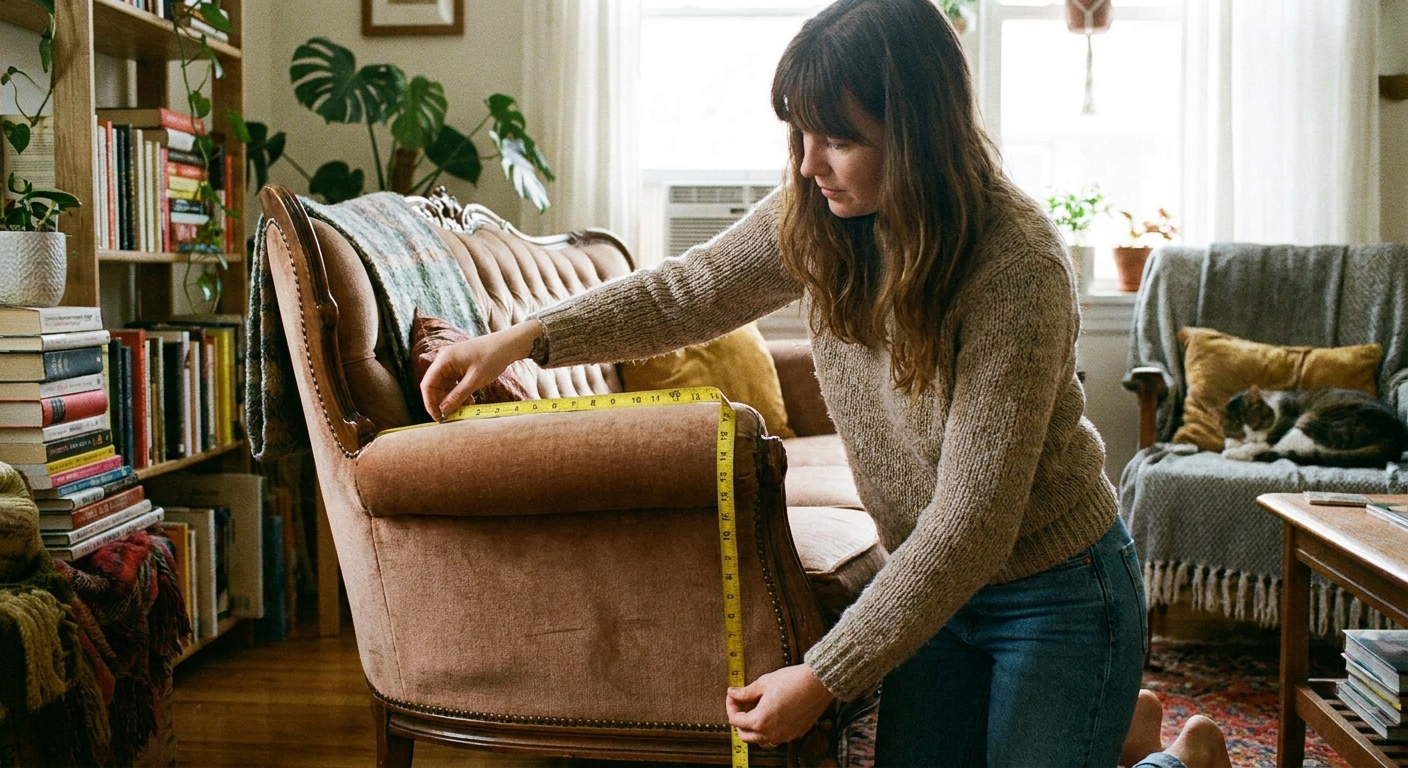
Measuring sofa arms is quick, but do it with a flexible tape measure and a notepad. Arm covers look sloppy when they are too narrow to sit flat, or too long so they puddle and wrinkle.
What to measure
- Arm length: from the front edge of the arm to the back edge, along the top.
- Arm width: straight across the top at the widest point.
- Arm height: from the seat cushion line to the top of the arm.
- Arm circumference (for wrap styles): around the arm like a belt, including any curve or flare.
Fit tips that prevent the “dorm look”
- If the arm is rounded, choose a cover that mentions “curved arms” or has darts or elastic shaping.
- If the arm is extra wide (hello, nap-friendly sofa), size up and look for “oversized” or “wide arm” listings.
- If you are between sizes, pick the one that allows tucking. A little extra fabric can be shaped. A too-small cover will always look strained.
Fabric choices for cats, kids, and real life
Fabric is where you win durability and style at the same time. The goal is a textile that looks like it belongs with your sofa and survives daily contact.
If you have cats (especially corner scratchers)
- Tight weaves: canvas, denim, tightly woven cotton twill, and some outdoor fabrics are harder to snag.
- Microfiber or faux suede: often less appealing to claws and easy to wipe clean, although cat preferences vary.
- Avoid loose weaves: chunky knits, open basket weaves, and anything looped (like some bouclé styles) can turn into a claw invitation.
- Consider texture, not just toughness: smooth, tightly woven surfaces are less “grabby.”
If you have kids (and snacks are a lifestyle)
- Washable cotton blends: forgiving, affordable, easy to replace.
- Performance fabrics: indoor-outdoor acrylics and stain-resistant weaves wipe down beautifully.
- Darker midtones or heathers: hide the little realities of life between laundry days.
Leather sofa?
Look for non-slip backing or add an anti-slip rug pad cut to size under a cap cover. Leather plus smooth fabric equals a slow slide that will drive you nuts.
Color transfer (a small but real thing)
If you are putting a dark cover on a light sofa, do a quick colorfastness check first: dampen a white cloth, rub an inside seam, and see if dye transfers. Wash new dark covers before using, and avoid leaving damp protectors on pale upholstery.
Waterproof vs water-resistant
Water-resistant fabrics repel minor spills long enough to blot. Waterproof fabrics block liquid more fully, usually with a backing layer.
A quick word on waterproof covers
Waterproof protectors are great for kids and pets, but the plasticky ones can look and feel stiff. If you want waterproofing without the crinkle, look for covers described as water-resistant or laminated on the underside with a soft top fabric. Even then, thickness varies, so I always check reviews for hand feel and drape.
Wash and care: keep them crisp
The most common complaint I hear is, “It looked great until I washed it.” A few care habits keep arm covers looking tailored instead of tired.
Before the first wash
- Check the label for shrinkage notes and whether it is prewashed.
- Spot test any stain remover on an inside seam.
- Shake out hair and grit outdoors or vacuum with an upholstery tool. Heavy pet hair can build up in washer filters and drains, so it is worth cleaning the filter after washing.
Machine washing do’s
- Cold or cool water to reduce shrinkage and preserve coatings.
- Gentle cycle and mild detergent.
- Zip or close straps and Velcro so they do not chew up the fabric.
- Wash in a mesh bag if there are ties or delicate edges.
Drying rules that save the fit
- Air dry when possible. Heat is one of the fastest ways to shrink cotton and break down elastic over time.
- If you must tumble dry, use low heat and pull them out while slightly damp, then smooth and reshape.
- Press or steam if you want that “custom upholstered” look. A quick steam makes a cap cover fall beautifully.
How often to wash
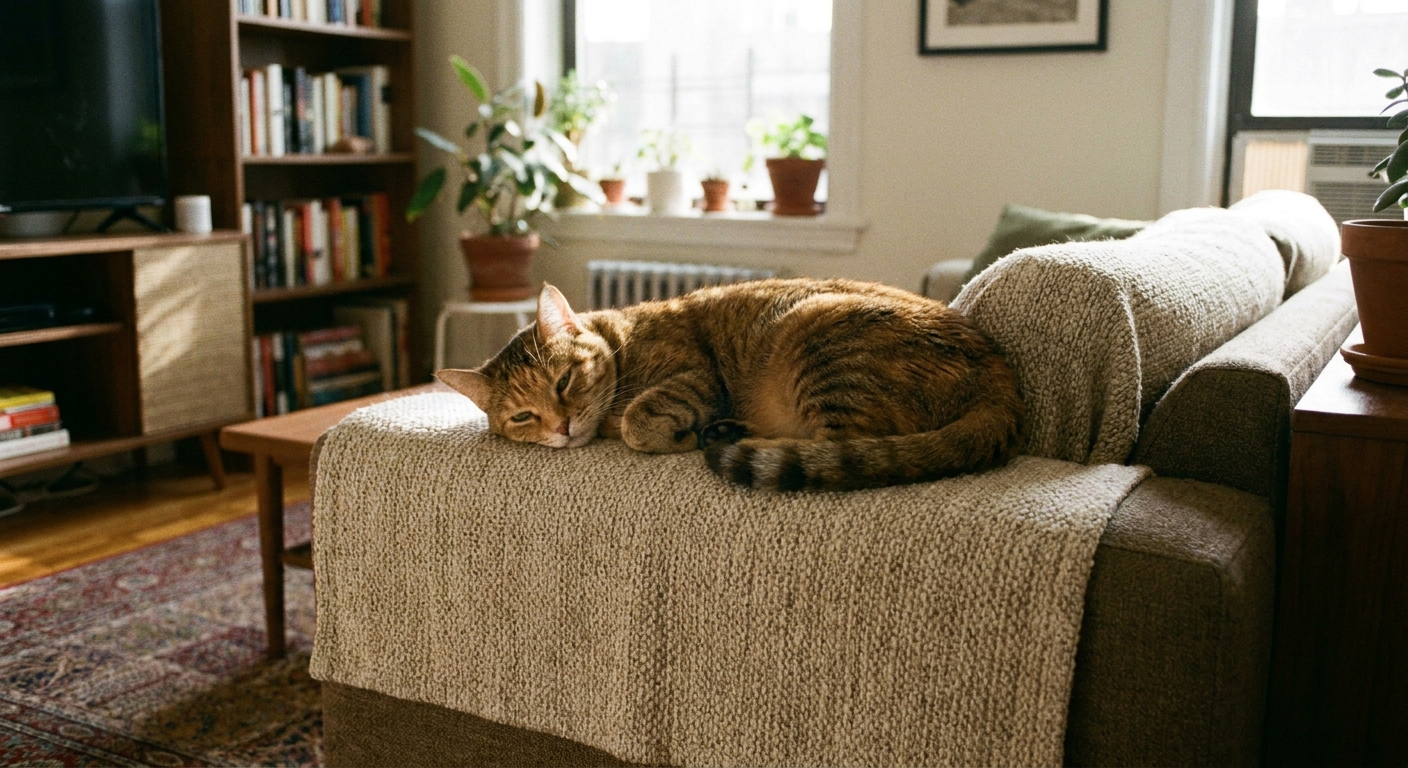
For everyday households, I like a simple rhythm: every 2 to 4 weeks, plus spot cleaning as needed. If you have a cat who naps on the arm daily or a kid who leans there with a popsicle, weekly is not excessive.
Make it look designed
Here is the secret: arm covers look intentional when they echo something else in the room and when their lines look purposeful.
1) Match a supporting actor
Instead of trying to match the sofa perfectly, match the cover to one of these:
- your curtain color (even a shade lighter)
- your rug’s secondary tone
- the wood tone of your coffee table
- a throw pillow stripe
2) Go tailored with edges
- Piping or a bound edge instantly reads finished.
- Quilted stitching can look elevated if it is subtle and aligned.
- Avoid floppy fringes unless the whole room already leans bohemian.
3) Layer on purpose
If you love a cozy look, do it with intention: a slim wrap protector plus a draped throw is prettier than a single bulky cover. Think: slim base layer, pretty top layer.
4) Anchor it so nothing shifts
- Tuck the inner edge slightly under the seat cushion.
- Use clear upholstery twist pins in hidden spots if your sofa fabric allows.
- Try a thin strip of non-slip rug pad underneath cap covers.
- For extra grip, look for silicone non-slip dots, upholstery grippers, or double-sided fabric tape. If you use tape, test first, and avoid anything aggressive that could leave residue on delicate fabrics or leather.
5) Repeat the texture
Linen arm covers look like a choice when there is linen elsewhere. A linen pillow, a linen shade, or even a linen table runner nearby makes the cover feel like part of a story.

Arm protectors for scratching
If your cat is targeting sofa corners, an armrest protector can be one piece of the solution because it changes the texture and creates a sacrificial layer. It is not a magic spell, but it buys your upholstery time and makes redirection easier.
- Choose wrap protectors that cover the front corner and outer side where scratching usually starts.
- Pick a tight weave that does not catch claws easily.
- Place a scratcher nearby, ideally vertical and tall, so your cat has a better option within a paw’s reach.
- Keep nails trimmed so any “test scratches” do less damage.
If you want the full behavior side of things, you will find it on our dedicated cat scratching guide. Here, think of arm covers as your soft-surface armor: practical, washable, and much nicer to look at than tape.
Quick buying checklist
- Fit: cap for easy on and off, wrap for stay-put protection.
- Measurements: length, width, height, and circumference for wraps.
- Arm shape: rolled and flared arms usually do best with wrap styles or adjustable straps.
- Fabric: tight weave or microfiber for cats, washable performance fabric for kids.
- Backing: non-slip if your sofa is leather or very smooth.
- Grip options: rug pad strip, grippers, silicone dots, or gentle fabric tape (test first).
- Care: cold wash, gentle cycle, low heat or air dry.
- Style: bound edge or piping, color that echoes something else in the room.
When you get the fit right and choose a fabric that makes sense for your household, arm protectors stop looking like a compromise. They start looking like the kind of thoughtful, lived-in detail that makes a home feel cared for.