Smelly Dishwasher in a Rental

Clara Townsend
Clara Townsend is an interior stylist, vintage furniture enthusiast, and the creative voice behind Velvet Abode. With over a decade of experience transforming both cramped city apartments and sprawling fixer-uppers, she believes that a beautiful home is built on personal stories rather than massive budgets. When she isn't hunting for the perfect brass sconce at a local flea market, she can usually be found rearranging her living room for the third time this month.
A smelly dishwasher is one of those sneaky rental problems that makes the whole kitchen feel a little… off. The good news is that in many cases it is not “a broken dishwasher,” it is “a small, gross, fixable pocket of old food” living in a place you have never been told to look.
Let’s do this like we would style a room: start with the obvious focal point (the filter), then work outward to the hidden corners (spray arms, gasket folds, and the drain area). You will be surprised how quickly the smell drops once you hit the real sources.
Before you start
You do not need harsh chemicals, and you definitely do not need to take the machine apart beyond what the manufacturer expects you to remove for cleaning.
Quick safety prep
- Let it cool. If it just ran, give it 15 to 30 minutes so you are not reaching into hot water or hot metal.
- Do not reach blindly into the sump area. Use a paper towel and watch for sharp bits like glass.
Grab these basics
- Dish gloves
- Paper towels or a microfiber cloth
- Old toothbrush or a small dish brush
- Wooden toothpicks or a plastic skewer (for spray arm holes)
- Dish soap
- White vinegar (optional, see manual note below)
- Baking soda (optional)
- Optional: a dishwasher-safe cleaner tablet (nice, not required)
- Optional for hard water: citric acid or a dishwasher descaler (dishwasher-approved)
Two rules that prevent drama with a landlord
- Skip bleach unless your manual explicitly allows it. Many dishwashers have stainless steel interiors and rubber seals that do not love bleach, plus bleach can react with other cleaners.
- Do not pour drain opener into the dishwasher. If you suspect a plumbing issue, document it and request maintenance.
Where smells hide
If your dishwasher smells like wet dog, old soup, or a swampy sink, it usually comes from one of these “traps” that stays damp between cycles.
- Filter and sump area: a very common culprit, especially if you rinse lightly and run shorter cycles.
- Spray arm holes: tiny bits of rice, spinach, or labels can block jets and rot quietly.
- Door gasket folds: the rubber seal can hold grease and slime you cannot see until you wipe it.
- Bottom edges and corners of the tub: gritty buildup catches there, especially in older rentals.
- Detergent dispenser door: sticky pods and powder residue can turn funky.
- Bottom rack tracks and wheels: food bits and grease can collect where the rack rolls.
- Door threshold and vent area: some models have a vent or channel near the door that can harbor grime.
- Drain hose high loop or air gap: if you have one, it can hold gunk or let backflow smells in from the sink. Not every setup has an air gap, and some areas use only a high loop.
- Hard water film: not always “smelly,” but it can trap grime so odors linger.
Step 1: Clean the filter
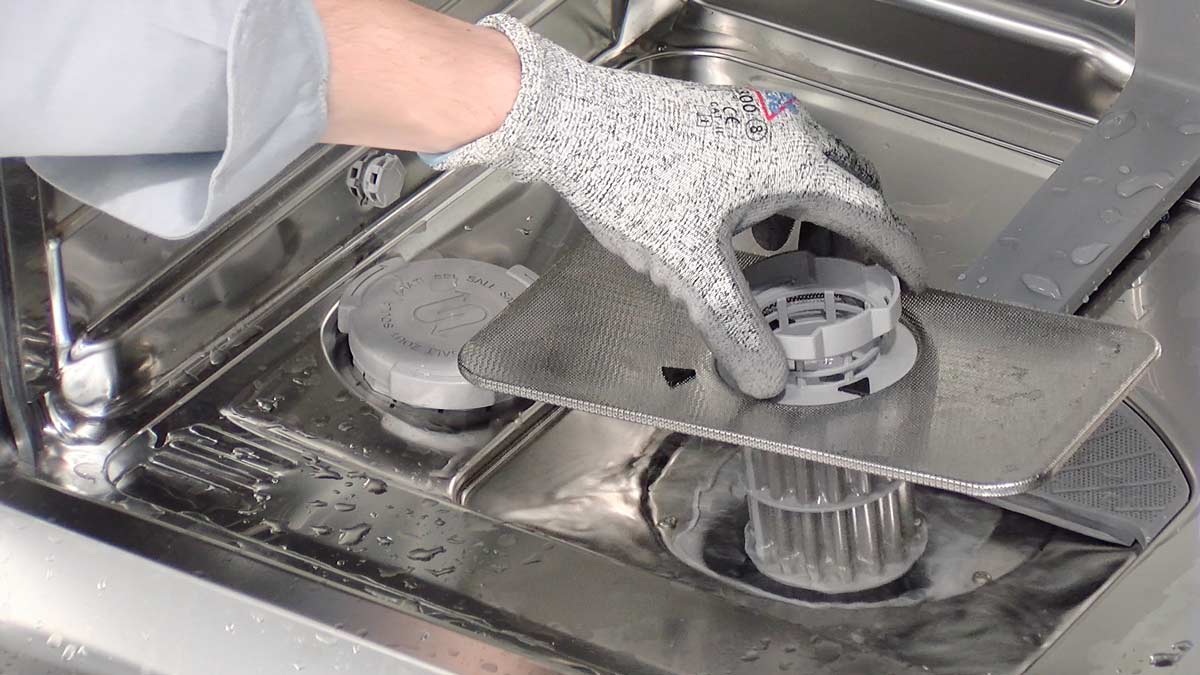
Most modern dishwashers have a removable filter at the bottom. In rentals, it is very common for it to have never been cleaned, because no one was told it was a thing.
Typical filter removal
- Pull out the bottom rack. Set it aside.
- Look for a round or oval filter assembly at the bottom center.
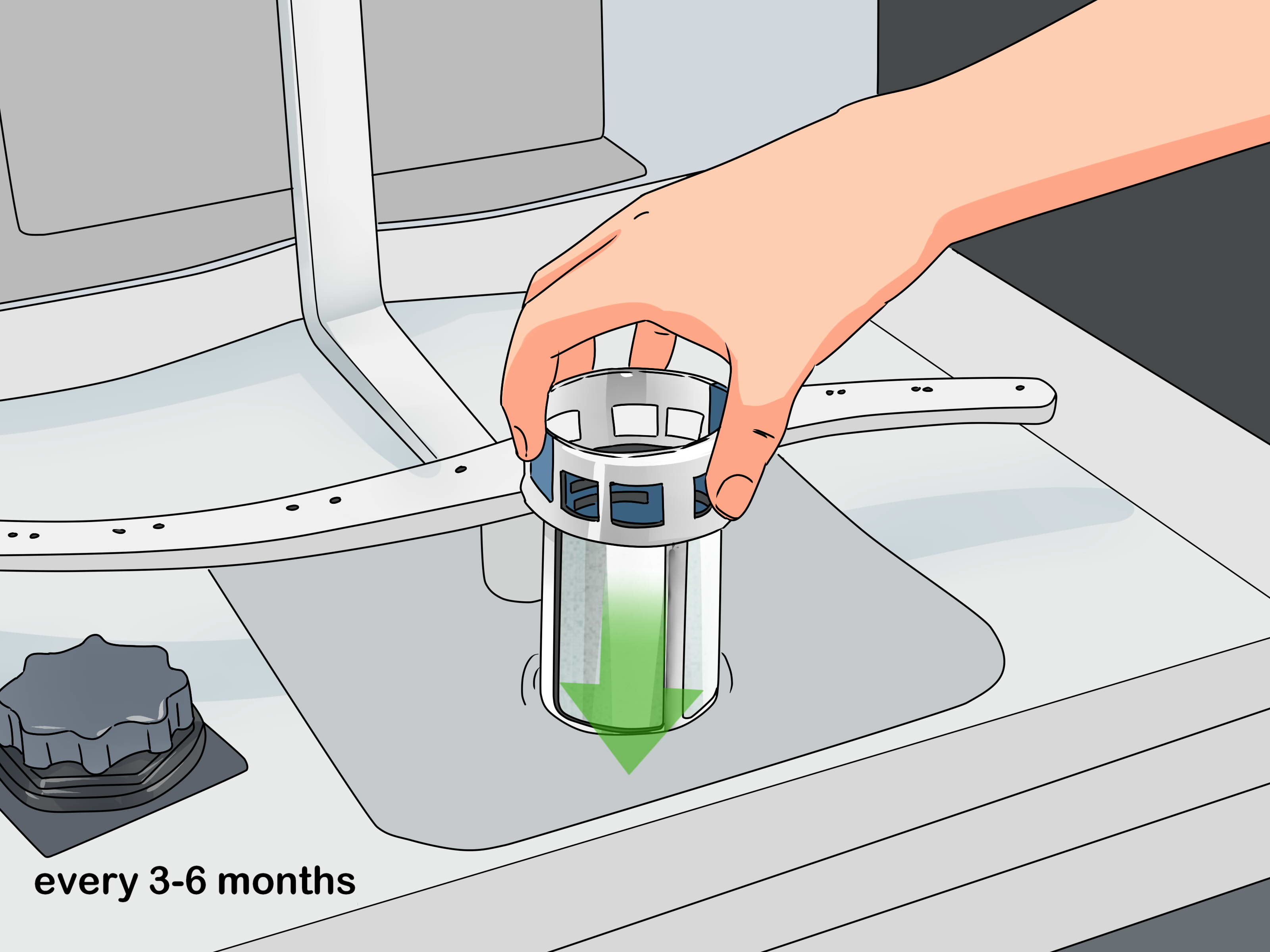
- Twist counterclockwise (typically a quarter turn) and lift it out. If it does not move easily, do not force it. Check the manual or search your model number.
- Separate the pieces. Many have a fine mesh cylinder and a flat screen.
- Rinse under hot water and scrub with dish soap and a toothbrush. Focus on the seams and mesh.
- Wipe the sump area (the cavity underneath) with a soapy cloth. Remove any visible debris with a paper towel, not your fingers, and watch for glass.
- Reinstall firmly. If it sits crooked, food will bypass it and smells come right back.
Step 2: Clean the spray arms
If the filter is the compost pile, the spray arms are the little sprinklers that can get blocked by surprisingly tiny things. When water flow is weak, you get dirty dishes and lingering odor because food never fully rinses away.
How to do it safely
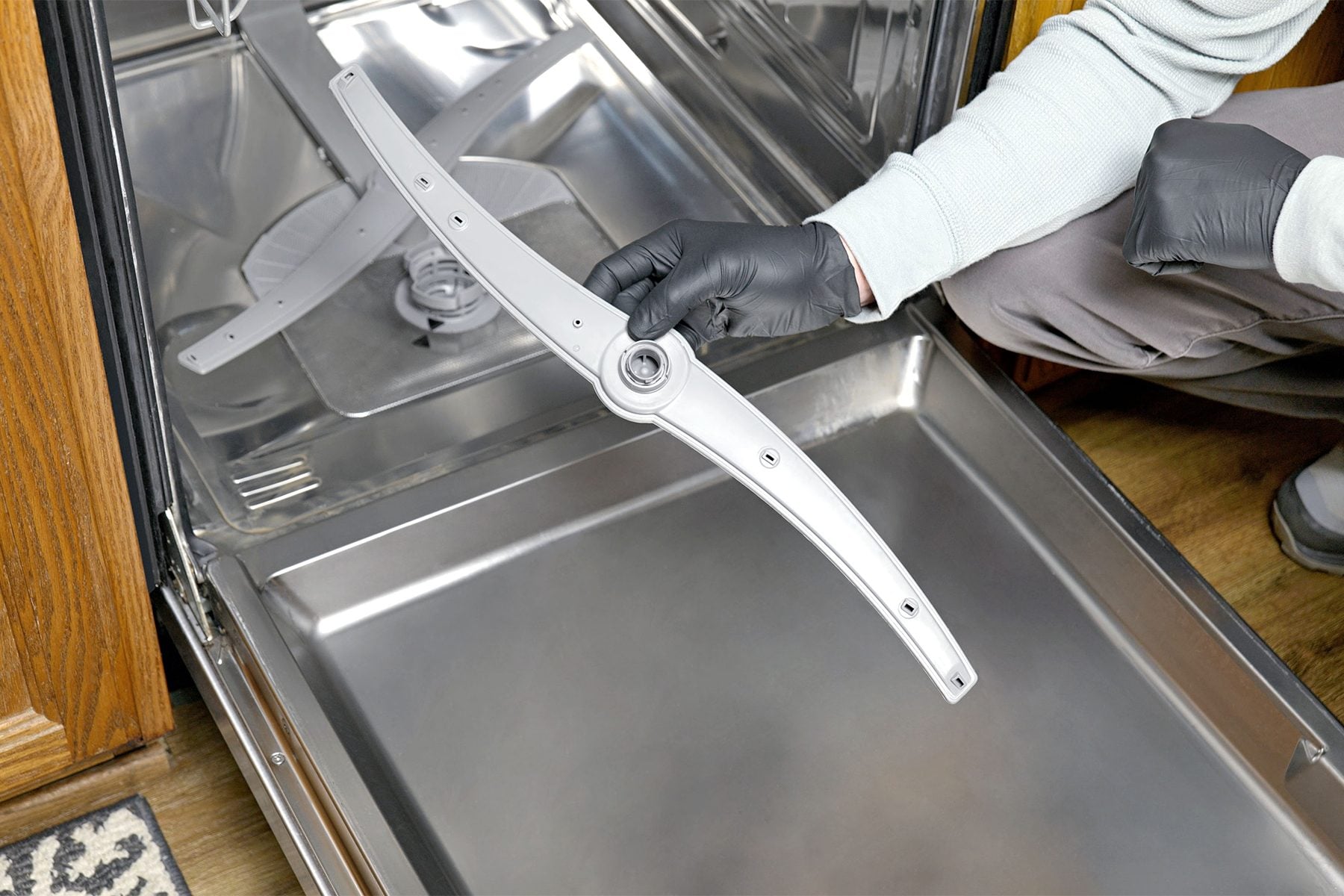
- Locate the spray arms. There is usually one under the bottom rack and one under the top rack. Some models have a third.
- Check how they detach. Many pop off with a nut, clip, or a simple pull, but some are fixed. If you feel strong resistance, stop and look up your model number.
- Rinse under the tap. Swish water through and spin the arm to check movement.
- Clear the holes. Use a toothpick or plastic skewer to gently push out debris. Avoid metal that can enlarge holes.
- Soak if greasy. Warm water plus a few drops of dish soap for 15 minutes, then rinse.
- Reattach and spin test. Give it a gentle spin to ensure it rotates freely.
Step 3: Wipe the door seal
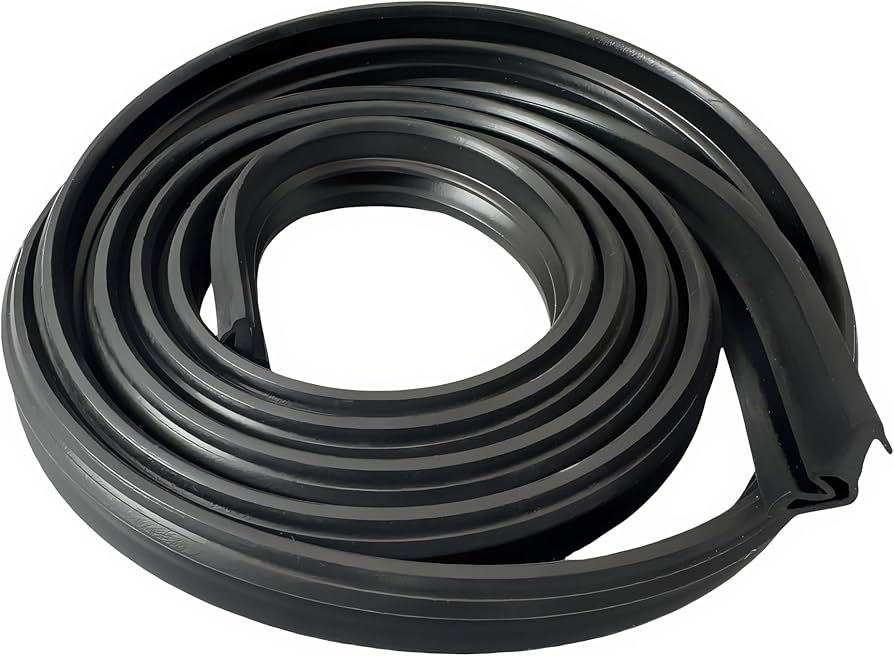
This is the step that makes people say, “Oh. That is where the smell lived.” The rubber gasket around the door collects a thin film of grease, especially if you run eco cycles or avoid hot washes.
Quick gasket reset
- Mix warm soapy water. Dish soap is perfect.
- Wipe the gasket slowly. Pull back the folds gently and wipe inside them.
- Hit the bottom edge of the door. That is where drips settle.
- Wipe the door threshold and vent area. If your model has a vent or channel near the door, give it a careful wipe too.
- Rinse wipe. Follow with a cloth dampened with plain water so soap does not build up.
If you see black spotting that keeps returning, that can be mildew. In a rental, take a photo and message maintenance if it does not improve after cleaning and drying.
Step 4: Check the drain and dispenser
Drain area
Look for a shallow pool of water. In many models, a little standing water is normal because it keeps seals from drying out. A chunky, smelly soup is not.
- Remove debris with a paper towel.
- Wipe the area clean with warm soapy water.
- Check for labels from jars or produce stickers. Those love to lodge in corners.
Detergent cup
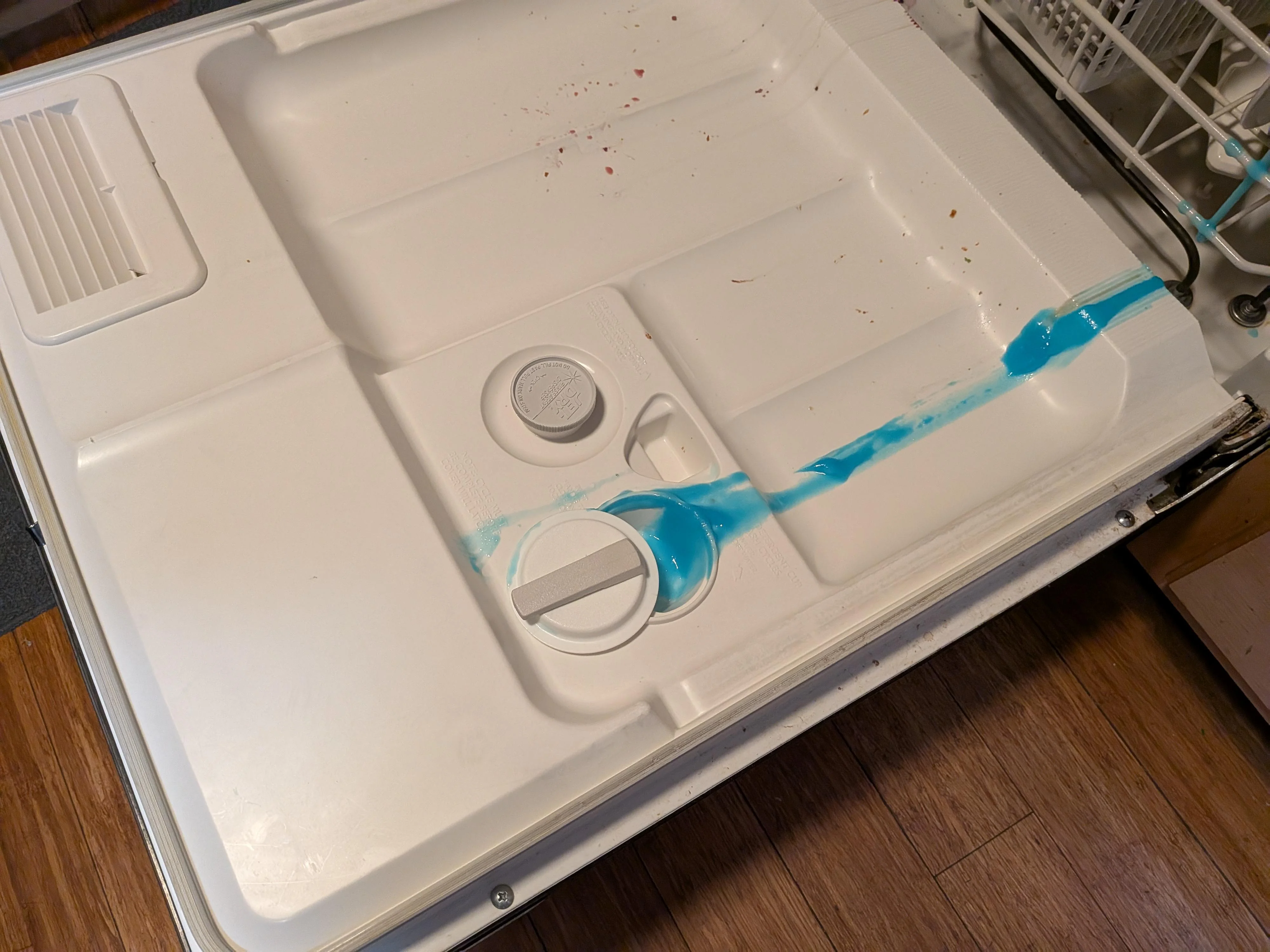
Pods and powder can cake up around the dispenser door and along the edges. That residue holds odor.
- Wipe the dispenser cup and door with a damp cloth.
- Use a toothbrush around hinges and seams.
- Make sure the door opens freely. If it sticks, the detergent may not release properly, leading to funky buildup.
Bottom rack tracks
Run your cloth along the rack rails and around the wheels. This is where mystery gunk likes to camp out.
Detergent and loading basics
If your dishwasher smells clean right after a cycle but the funk creeps back fast, it can be a washing issue, not just a cleaning issue.
- Do not overdo detergent. Too much can leave a film that traps odors. Start with the amount recommended on the detergent label for your water hardness.
- Use the hot stuff sometimes. Eco cycles are great, but a regular hot cycle now and then helps cut grease buildup.
- Do not block the spray. Keep big cutting boards and tall pans from shielding the spray arms.
- Scrape, do not pre-wash. Remove chunks, but let the detergent have something to grab onto.
Rinse aid vs bleach
Let’s clear this up, because it matters for both odor and not accidentally damaging a rental appliance.
What rinse aid does
Rinse aid helps water sheet off dishes and the interior so things dry faster and you get fewer spots. Less lingering water can mean less musty smell over time, especially if your dishwasher is older or your kitchen is humid.
- Good for: spotty glasses, damp smell, slow drying, hard water issues
- Not for: fixing a big food-rot odor on its own
Why bleach is not the default
Bleach can seem like the “nuclear option,” but dishwashers are not washing machines. Bleach can damage stainless steel and rubber, and it can create dangerous fumes if mixed with other cleaners. In a rental, it is also hard to prove you used it correctly if something corrodes later.
Best practice: follow your manufacturer’s guidance. If your manual explicitly allows bleach and you choose to use it, use a very small amount, never mix it with vinegar or other cleaners, and run a full cycle. When in doubt, skip it.
Two-cycle odor reset
This is my favorite renter-safe refresh because it is simple, cheap, and it leaves the dishwasher smelling clean rather than chemically covered up.
Manual note: Some manufacturers discourage vinegar use (or frequent acidic cleaning) because it can be tough on certain rubber parts over time. If your manual says no vinegar, use a dishwasher-approved cleaner tablet instead and follow the package directions.
Cycle 1: Vinegar wash
- Place a dishwasher-safe bowl with 1 cup white vinegar on the top rack.
- Run a hot cycle with the dishwasher empty.
Cycle 2: Baking soda boost
- Sprinkle 1 cup baking soda across the bottom of the dishwasher.
- Run a short hot cycle.
Note: Do not put vinegar and baking soda in at the same time. Together they foam and neutralize each other before doing much cleaning.
If you have hard water
If you see cloudy film on the tub or your glasses always look spotty, hard water buildup can trap grime and make odors linger.
- Use a dishwasher descaler (or citric acid if your manual allows it) monthly or every other month.
- Keep rinse aid filled if you use it, especially in hard water areas.
When the sink is the source
Sometimes the dishwasher is innocent and it is getting backdraft smells from the sink drain or garbage disposal.
Clues it is plumbing
- The smell is strongest when you run the kitchen faucet, not when you open the dishwasher.
- You see standing water in the sink when the dishwasher drains.
- The dishwasher smells fine right after a cycle but stinks again within hours.
Two renter-friendly checks
- Clean the garbage disposal splash guard (if you have one). That rubber flap gets nasty. Pull it out if removable and scrub with dish soap.
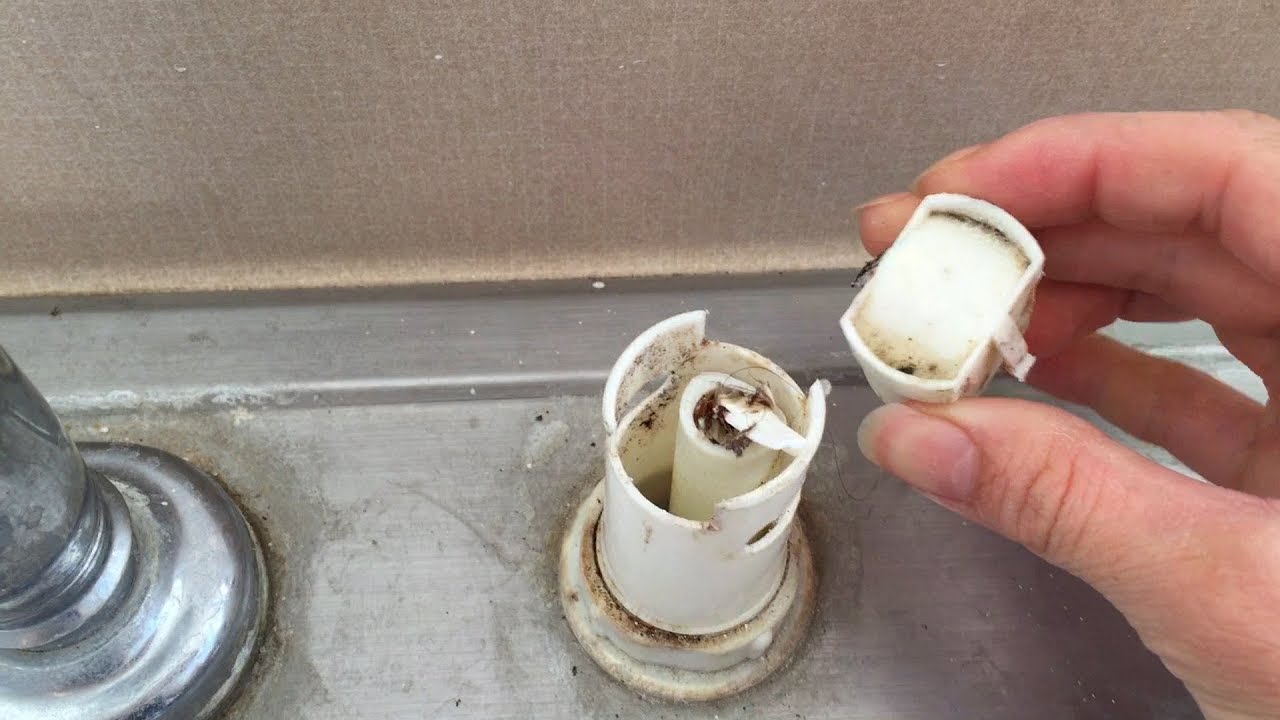
- Look for an air gap (a small metal or plastic cylinder near the faucet). If it is gunky, twist the cap off and rinse it. If it overflows when the dishwasher runs, that is a maintenance call.
If you suspect the drain hose is not set up with a proper high loop under the sink, that is also a landlord fix. Not every setup uses an air gap, but you should have one odor-safe method (high loop or air gap). Take a photo under the sink and send a polite request.
Monthly maintenance
I am a big believer in tiny routines that protect your peace. This one is low effort and keeps the smell from creeping back.
Weekly
- Scrape plates well. You do not need to pre-wash, but remove chunks.
- After the last load, crack the door open for 30 to 60 minutes to let moisture escape.
Monthly
- Rinse and scrub the filter.
- Wipe the door gasket and bottom door edge.
- Check spray arms for obvious blockages.
- Quick-wipe the bottom rack tracks.
Every 2 to 3 months
- Run the vinegar cycle, then the baking soda cycle, if your manual allows vinegar.
- Or run a dishwasher-approved cleaner cycle.
- Top up rinse aid if you use it.
If you live somewhere with hard water or you run the dishwasher daily, do the deep refresh monthly. Older rentals deserve a little extra love.
What the smell can mean
- Rotten egg or sulfur: can indicate trapped food in the filter or drain area, but it can also be related to drain gases or even your water supply. Start with the filter and sump clean, then consider the sink drain checks.
- Musty, damp towel smell: often lingering moisture. Use rinse aid, run hotter cycles sometimes, and vent the door after loads.
- Fishy smell: can be old food residue plus warm cycles. Filter plus spray arms, then a cleaner cycle.
- Sour milk smell: often the gasket folds or bottom corners. Wipe rubber seal, door edges, and threshold.
When to call maintenance
If you have cleaned the filter, spray arms, and gasket and the smell returns within a day or two, it may be a drainage or mechanical issue.
Submit a ticket if you notice
- Water not draining fully after a cycle
- Error codes, grinding sounds, or the spray arms not spinning
- Cloudy, greasy water pooling at the bottom
- Air gap overflowing or sink backing up when the dishwasher drains
Copy and paste message
“Hi, I cleaned the dishwasher filter, spray arms, and door seal, but there is still a strong odor and it seems like it is not draining properly. Could maintenance check the drain hose setup (high loop or air gap) and confirm it is draining and venting correctly?”
Final note
A clean-smelling kitchen is not about perfection, it is about comfort. Even in a rental, you deserve to open the dishwasher without bracing yourself. Once the filter and those hidden traps are handled, the whole space feels lighter, like fresh sheets on a Sunday morning.