Simple Bedroom Sound Dampening Ideas for Renters

Clara Townsend
Clara Townsend is an interior stylist, vintage furniture enthusiast, and the creative voice behind Velvet Abode. With over a decade of experience transforming both cramped city apartments and sprawling fixer-uppers, she believes that a beautiful home is built on personal stories rather than massive budgets. When she isn't hunting for the perfect brass sconce at a local flea market, she can usually be found rearranging her living room for the third time this month.
If your bedroom is the place you go to recover, it should not feel like you are trying to fall asleep inside a drum. The good news is you can make a real difference with renter-friendly layers. Think soft surfaces, sealed gaps, and a few strategic buffers between you and the noise.
One quick reality check before we start: sound dampening is about reducing echo and taking the edge off what you hear. True soundproofing usually requires construction (and landlord permission). For most renters, the win is making the room feel calmer and helping your brain stop locking onto every little sound.
There are two types of sound problems, and they need slightly different fixes.
- Airborne noise: voices, TV, traffic, barking. You reduce it by adding mass and sealing leaks (especially around windows and doors).
- Impact (structure-borne) noise: footsteps above, a chair dragging, a door slam vibration. You can reduce the impact noise you create with cushioning and decoupling (pads, thick underlay, soft feet on furniture). Upstairs footfall is much harder to fix from inside your unit, so the renter strategy is to soften your room and mask what remains.

Start with a quick noise audit
Do this once, and you will spend your money in the right places.
Step 1: Find the leaks
- Turn off your fan, air purifier, and anything humming.
- Stand by your window, then your door, then the wall you share with neighbors.
- Use your hand to feel for drafts around the window frame and under the door. Drafts usually mean sound leaks, too.
Step 2: Identify the main offender
- Traffic or street noise points to windows.
- Hallway chatter points to the door and door frame.
- Neighbors talking points to shared walls, often behind your bed.
- Stomping above points to the ceiling, but most renter fixes won’t stop it at the source. Your best move is reducing echo in your room, controlling your own impact noise, and using steady masking sound at night.
Rugs and rug pads
If your bedroom has hard floors, adding a rug is like putting a sweater on the room. It helps with echo (that hollow, clappy sound), and it softens impact noise from your own steps and furniture.
Small caveat: rugs are great for reflections and higher frequencies, but they won’t do much for deep bass thumps from outside or heavy footfalls from upstairs.
What to look for
- Go bigger than you think. A small rug is cute. A big rug changes the acoustics. Aim for at least the front two thirds of the bed area.
- Choose texture. Wool, thick cotton, or a high pile will absorb more sound than a flat weave.
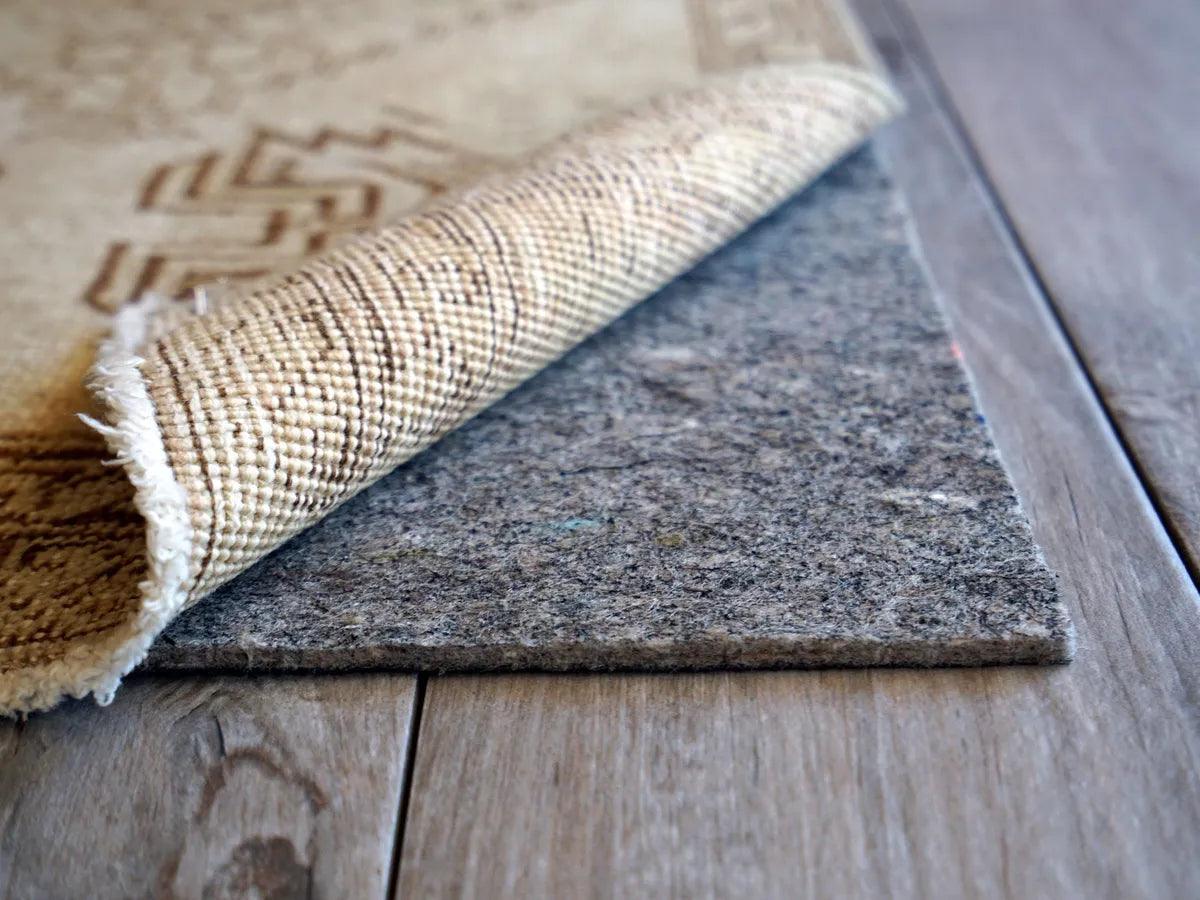
- Don’t skip the pad. A thick felt or felt-and-rubber pad adds cushioning, helps with the impact noise you create, and keeps the rug from skating.
Renter tip
If you already have wall-to-wall carpet and it still feels echoey, layer a smaller wool rug on top. It sounds extra, but that second layer can make the room feel more finished and a little quieter.
Windows: inserts vs. drapes
Windows are usually the biggest noise entry point because glass and tiny gaps around frames love to pass sound along. You have two renter-friendly paths, and you can combine them.
Option A: Removable window inserts
Window inserts are clear panels that create an extra air layer between you and the street. That air gap is what helps. They often work best for steady, low-to-mid sounds like traffic whoosh, but results vary based on fit and how well gaps are sealed. Low-frequency noise (sirens, bass, motorcycles) is the hardest to tame.
- Pros: Strong noise reduction, still lets in light, looks tidy.
- Cons: Higher cost upfront, you need accurate measurements, can reduce airflow from that window.
- Best for: Bedrooms facing busy streets, train lines, or loud nightlife.
Option B: Heavy, lined curtains
Heavy drapes add softness and a bit of mass. They won’t soundproof a window, but they can reduce sharpness and echo. They also make the room feel hushed in a way your nervous system notices.
- Pros: Affordable, pretty, easy to install, adds warmth and darkness for sleep.
- Cons: Less effective than inserts for serious street noise.
- Best for: Moderate noise, rooms that feel bright at night, echo-prone bedrooms.
Hang curtains for maximum dampening
- Mount the rod high and wide so fabric covers the full window area and overlaps the frame.
- Aim for 2x the window width in curtain fabric so it stays richly gathered, not stretched flat.
- Choose lined or blackout styles, or add clip-in liners for more weight.
- Optional upgrade: use a wraparound (return) rod or add extra overlap at the sides to cut drafts and side gaps.
Quick sealing add-ons (removable)
- Rope caulk or removable draft putty for tiny window gaps in winter. It can help with whistling leaks and it peels off later, but test a small spot first for residue.
- Temporary window film can reduce drafts and slightly change how the window transmits sound. It’s not a magic fix, but it can help when combined with curtains.

Door fixes: block the hallway fast
Hallway noise sneaks in through the easiest path: the gaps around your door. This is one of the most satisfying upgrades per dollar.
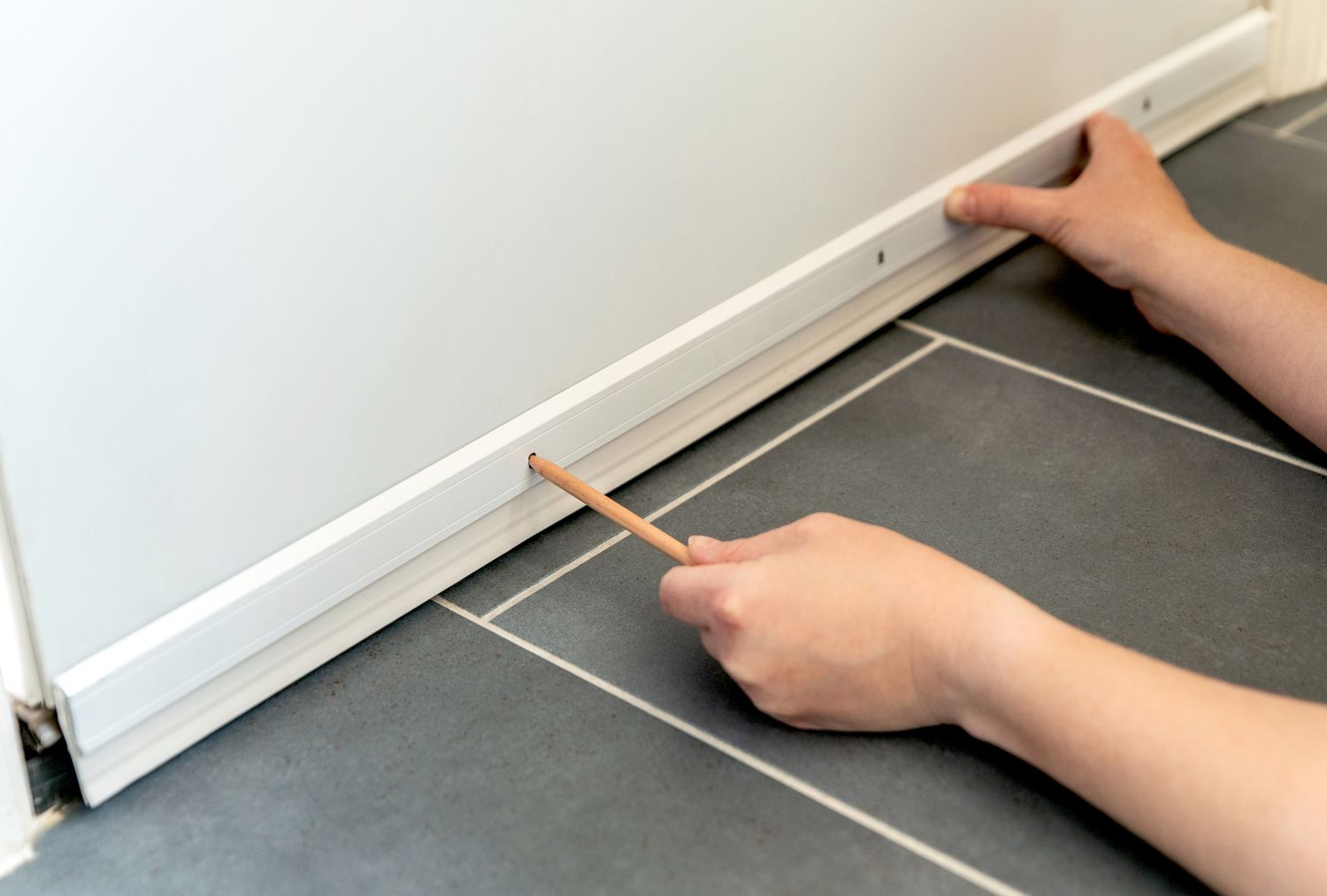
1) Add a door sweep
A door sweep or draft stopper seals the under-door gap where sound and light love to pour in.
- Look for: Adhesive or screw-on options (choose adhesive if your lease is strict).
- Bonus: It also helps with smells and drafts.
2) Use weatherstripping around the frame
Foam or rubber weatherstripping creates a snugger seal when the door closes. If you can see hallway light around your door, you can usually reduce noise too.
- Pick a removable adhesive type.
- Clean the frame first so it sticks well and removes cleanly later.
3) Add softness to a hollow-core door
Many rentals have hollow-core doors that are thin and leaky for sound. You can improve things by adding a textile layer on the bedroom side.
- Hang a thick fabric tapestry or a quilt on the bedroom side (use damage-free hooks rated for the weight).
- Or place a slim coat rack behind the door and hang a couple of heavy robes or jackets (unglamorous, surprisingly effective).
Shared walls: add a buffer
If your bed is on a shared wall and you hear neighbors talking, give that wall a buffer. A full bookcase, dresser, or wardrobe placed against the shared wall can help by adding mass and creating an extra layer between you and the sound.
How to do it without making the room feel heavy
- Leave a tiny gap (even 1 to 2 inches) between the bookcase and the wall if you can. That air space can help a bit, though results vary.
- Fill it unevenly: books, baskets, folded linens, and a few decorative objects. Varied surfaces break up sound better than a perfectly flat row.
- Anchor safely: Use renter-friendly anti-tip straps if you have kids, pets, or an energetic midnight water-drinking routine.
Removable acoustic panels (popular for rentals)
If you want something more targeted than furniture, try acoustic felt panels or fabric-wrapped panels designed for home use. They won’t fully soundproof a wall, but they can reduce echo and make voices feel less sharp. Many people hang them with Command strips or picture-hanging strips, just check the weight rating and test adhesive in a hidden spot first.
Extra credit: soften the hard rectangle
Bookshelves are still hard surfaces. Add a couple of woven baskets, a fabric storage bin, or even a folded throw on a lower shelf to increase absorption without changing the look.

Small swaps that add up
You don’t need a full makeover. A few tactile changes can noticeably reduce the live sound in a bedroom.
- Upholstered headboard: Softer than a wood or metal frame and more comfortable for reading in bed.
- Linen or velvet curtains: Not just pretty. They add texture and softness that reduces echo.
- Fabric wall hanging: A textile on the wall behind the bed is an easy, reversible sound absorber.
- Felt pads under furniture: Prevents scraping and reduces impact noise you create.
- Soft-close bumpers: Tiny clear bumpers on closet doors and cabinet doors reduce that sharp click that feels louder at 2 a.m.
- Outlet and switch gaskets: On shared walls, foam gaskets behind cover plates can reduce tiny air leaks. They’re cheap, quick, and easy to remove later.
Pair dampening with white noise
This is my favorite realistic approach for apartments: reduce the amount of noise coming in, then make what remains less noticeable.
What actually works
- A dedicated white-noise machine: Consistent, even sound. Great for hallway chatter and sporadic voices.
- An air purifier or fan: A two-for-one if you like airflow. Choose one with a steady tone, not a pulsing or rattling sound.
- Phone apps: Totally fine, just put your phone on do-not-disturb so notifications don’t jump-scare you.
Placement tip
Put the sound source between you and the noise when possible. For hallway noise, that might mean near the door. For street noise, nearer the window.
A simple renter plan
Level 1: Under $50, tonight
- Door draft stopper or sweep
- Basic weatherstripping
- Felt pads for furniture
- White noise on a fan or app
Level 2: Under $250, weekend project
- Large rug plus thick pad
- Heavier lined curtains hung high and wide
- Bookcase or dresser moved to the shared wall
Level 3: The “I need sleep” upgrade
- Removable window inserts for the loudest window
- Layered curtains over inserts for softness and darkness
- A dedicated white-noise machine for consistency
What to avoid in rentals
- Permanent construction like adding drywall, insulation, or resilient channels.
- Spray foam in gaps around windows and doors. It can damage surfaces and may violate your lease.
- Hard, minimal rooms if noise is your problem. Sparse can be beautiful, but in a loud building it’s rarely restful.
Safety and lease notes
- Check your lease before you attach anything permanent or heavy.
- Don’t block vents, radiators, sprinklers, or egress windows with furniture or thick coverings.
- If you’re hanging a heavy quilt or panel, use hardware rated for the weight and place it where it won’t fall onto your bed.
Final thought
Sound dampening doesn’t have to look like a recording studio. In fact, the best renter-friendly fixes are the ones that double as comfort: a thick rug under warm feet, curtains that puddle just a touch, a bookcase that holds your favorite paperbacks and a stack of well-loved linens. Quiet isn’t just the absence of noise. It’s that soft, settled feeling when your bedroom finally gives you a proper exhale.