Shiplap vs Beadboard vs Board and Batten

Clara Townsend
Clara Townsend is an interior stylist, vintage furniture enthusiast, and the creative voice behind Velvet Abode. With over a decade of experience transforming both cramped city apartments and sprawling fixer-uppers, she believes that a beautiful home is built on personal stories rather than massive budgets. When she isn't hunting for the perfect brass sconce at a local flea market, she can usually be found rearranging her living room for the third time this month.
Wall treatments are the design equivalent of a great haircut. You can keep the outfit exactly the same, but suddenly everything looks more intentional. Shiplap, beadboard, and board and batten are three of the most loved options because they add depth without requiring a full renovation spiral.
I’m Clara, and I’ll be your expert best-friend guide through this one. The trick is choosing the option that fits your room’s proportions, your home’s architecture, and the reality of everyday life like steam, fingerprints, and that one chair that always bumps the wall.
Quick definitions
Shiplap
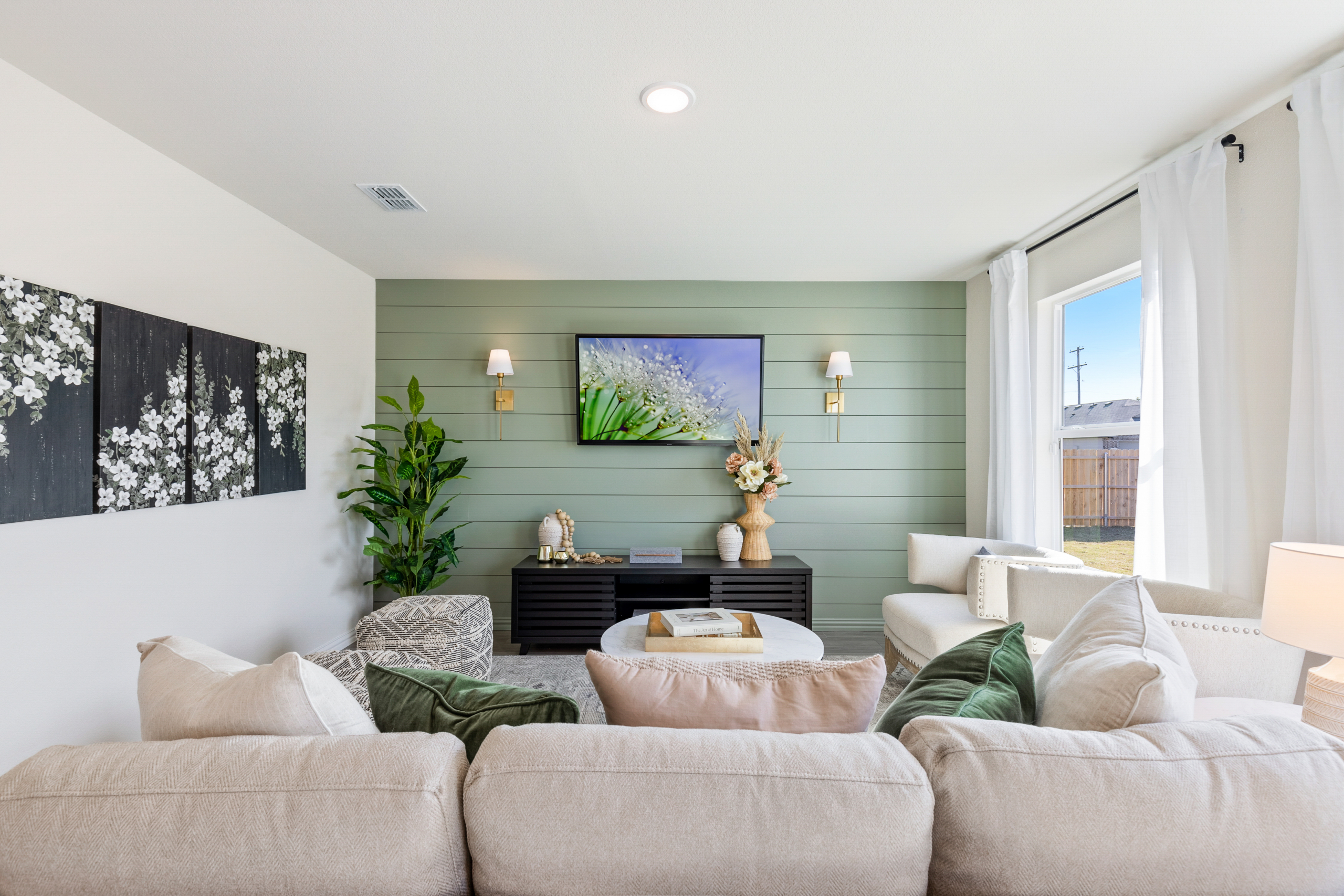
What it is: Horizontal boards with rabbeted edges that fit together to create a small, consistent reveal and shadow line. True shiplap is designed to sit fairly flush at the face (not like clapboard siding). In most modern installs, people use shiplap-style planks (or MDF lookalikes) that mimic the original joinery.
The line pattern: Long, continuous horizontal seams with a consistent reveal, often small but dependent on the product and install style (tight millwork versus “nickel gap” looks).
Beadboard
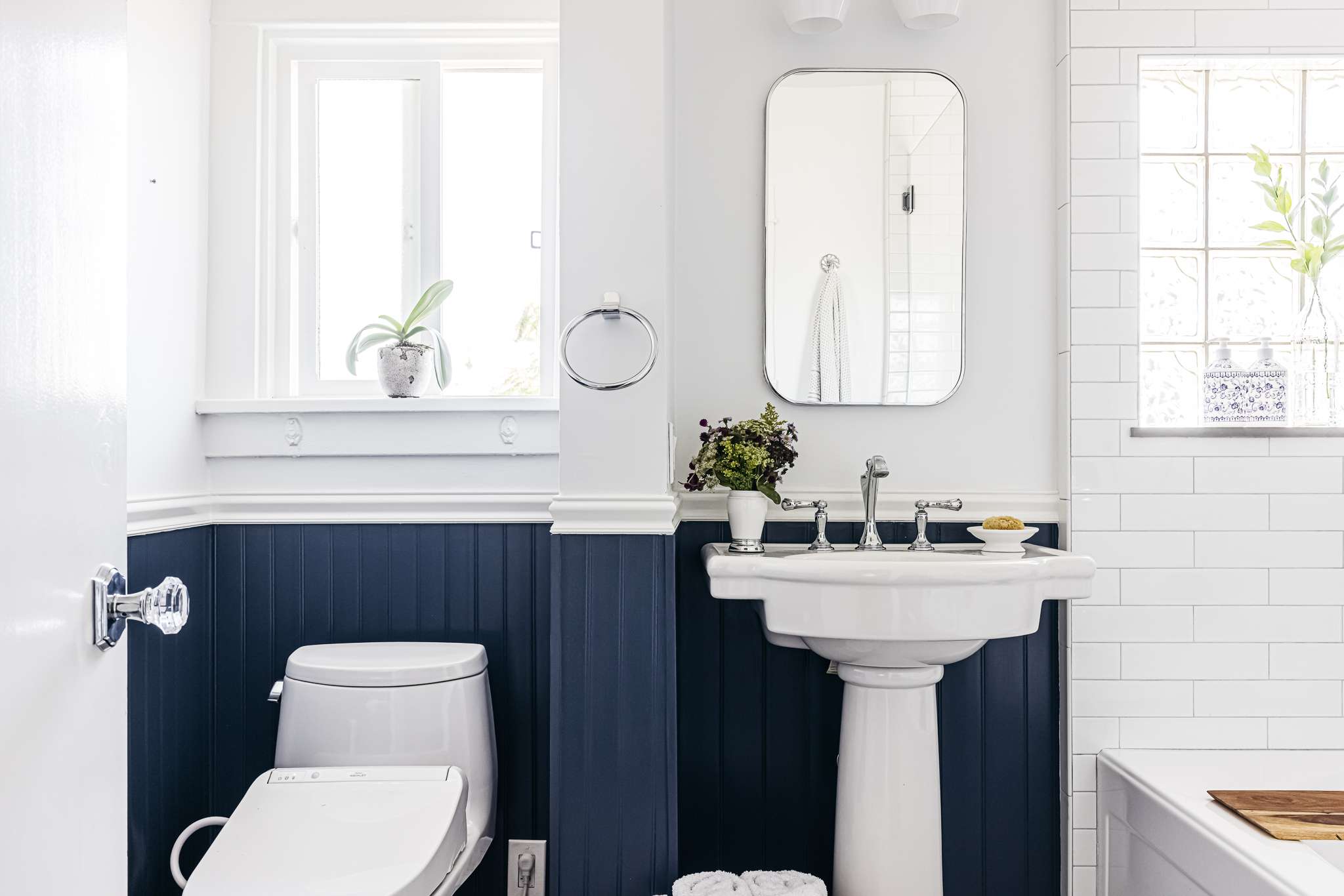
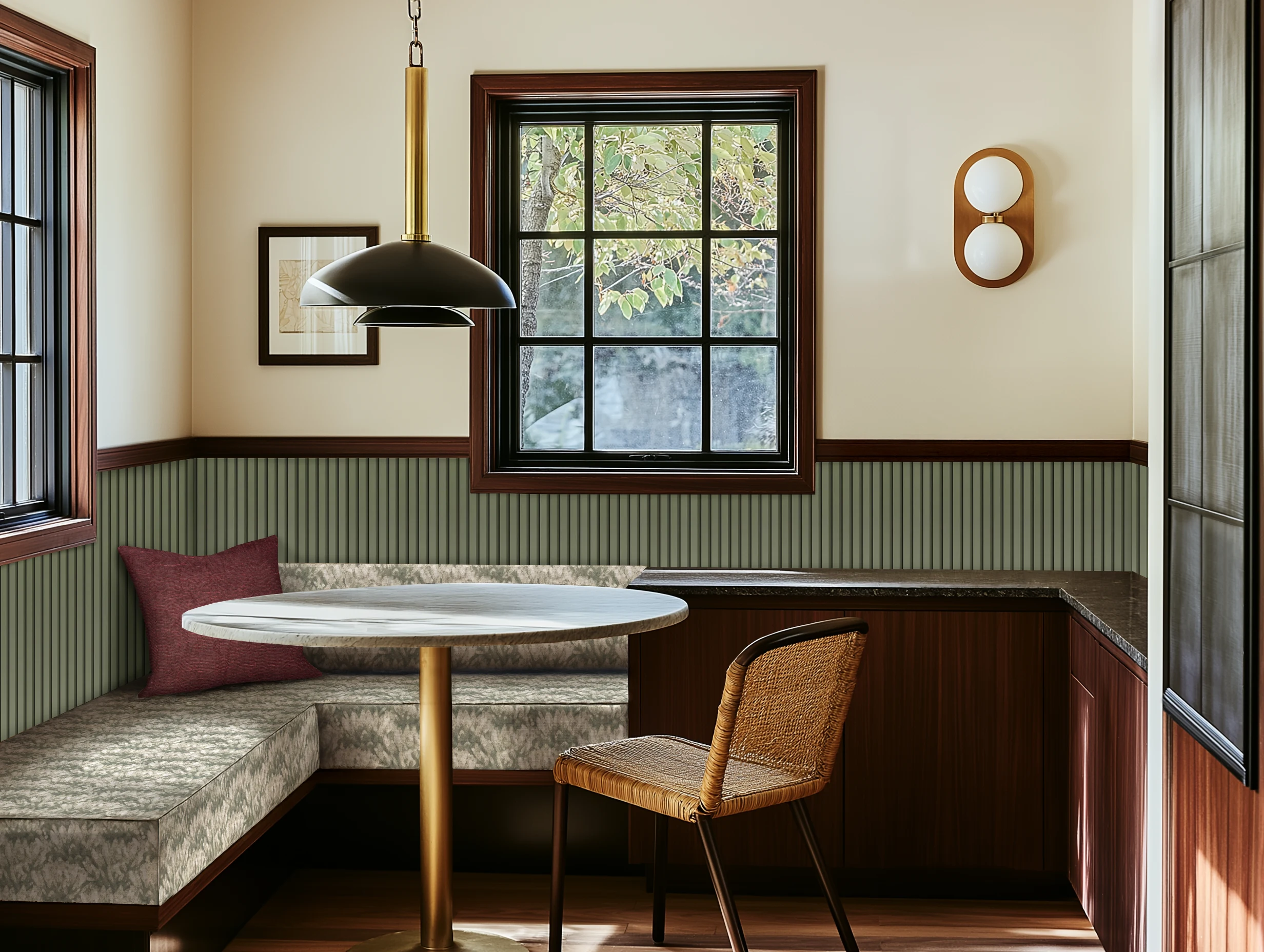
What it is: Narrow vertical planks with a rounded groove (the “bead”) between each board. Today it is commonly installed as large beadboard panels, which is faster than individual boards.
The line pattern: Tight, repeating vertical lines. Lots of rhythm, lots of texture. The grooves are small and frequent.
Board and batten
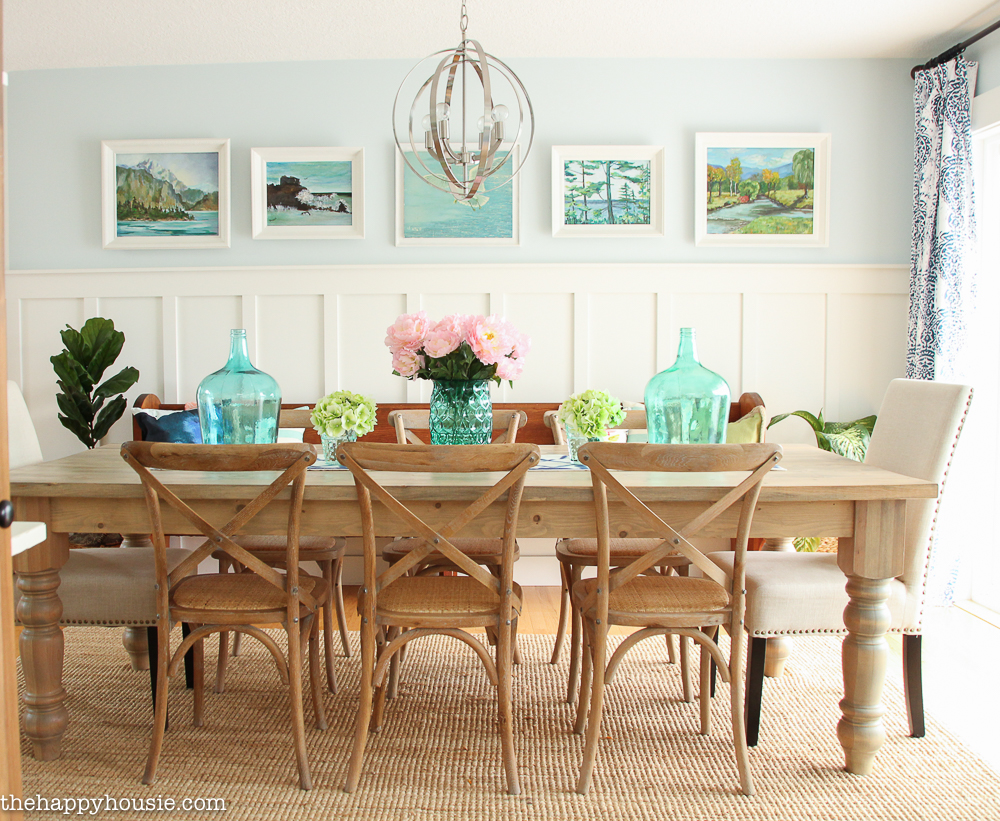
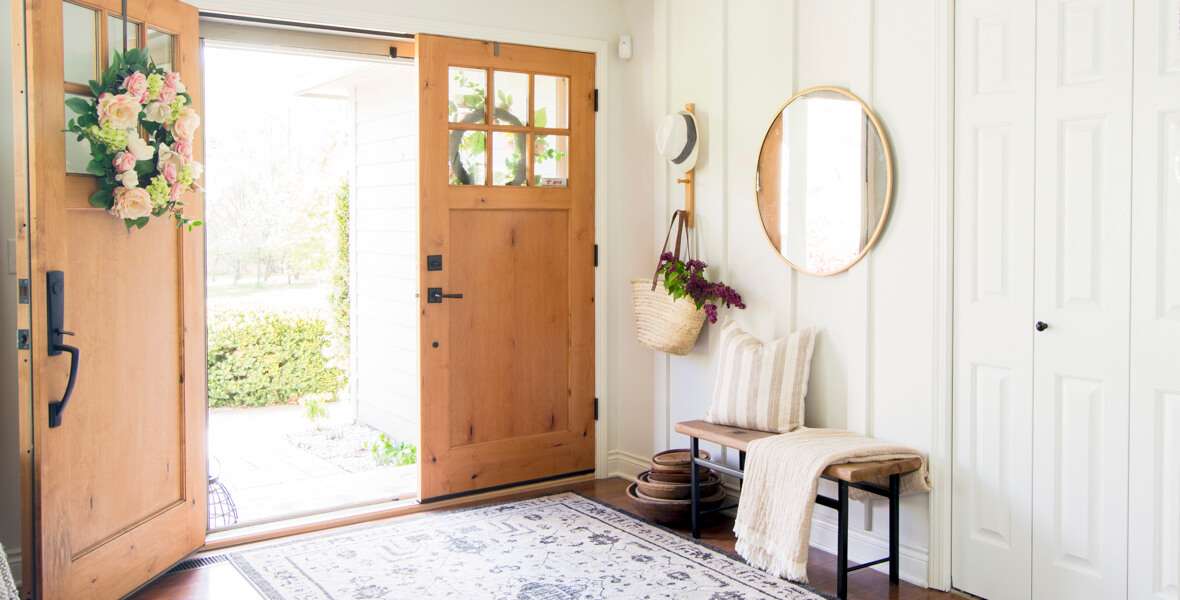
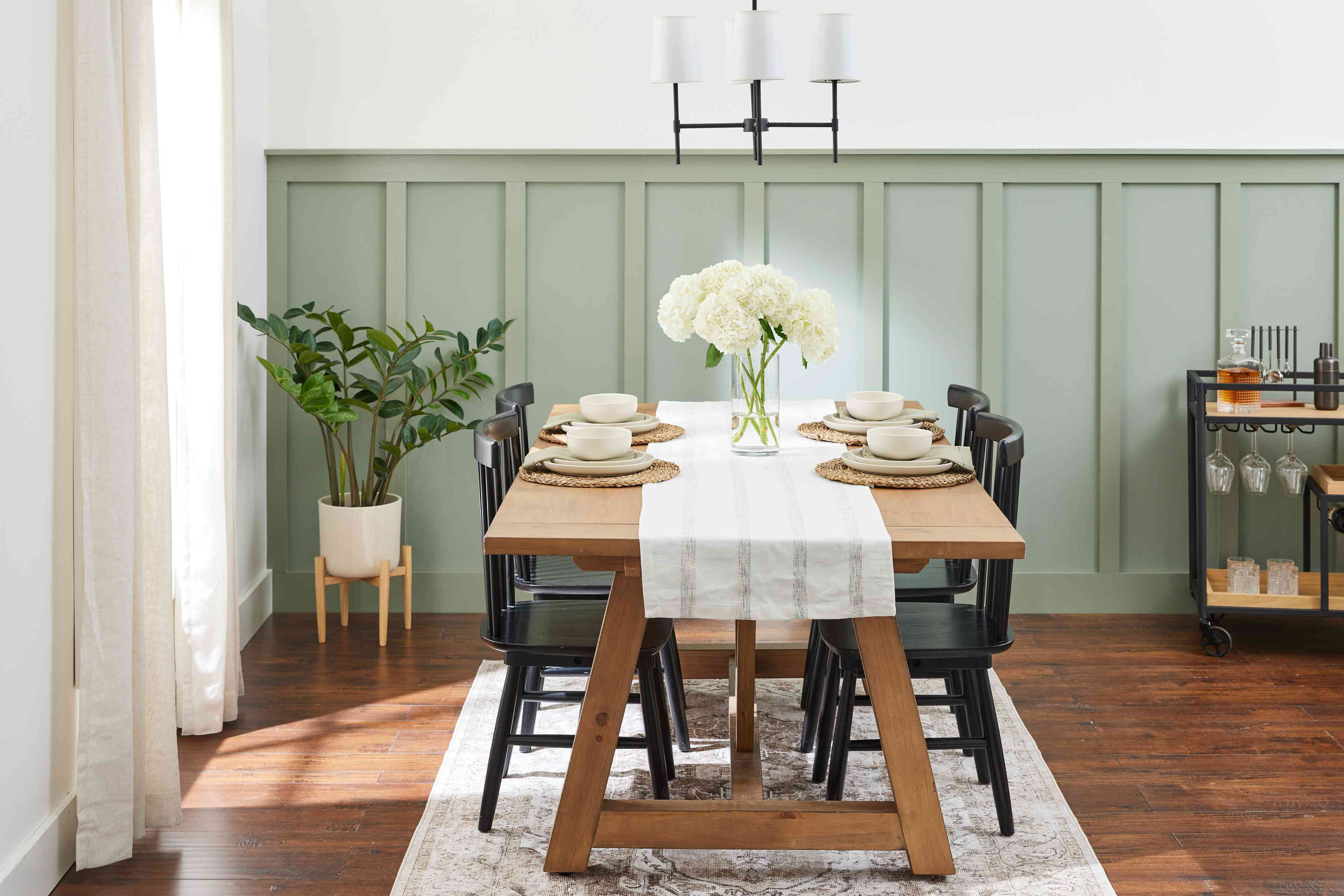
What it is: Wider “boards” with narrow “battens” (strips) covering the seams. It can be done as full height vertical board and batten, traditional wainscoting height, or a grid pattern.
The line pattern: Bold, architectural vertical breaks with lots of breathing room between them. This is the one that can look quietly grand without trying too hard.
How each one reads
Shiplap vibes
- Cottage and coastal: Classic. Horizontal lines feel breezy and casual.
- Modern farmhouse: Works when details are restrained and the finish is matte, not glossy.
- Modern: Can feel modern if the boards are wider, the reveal is tight, and you keep the palette tonal.
Clara note: Shiplap is friendly, but it has a strong personality. If your room already has heavy beams, busy stone, or loud wallpaper, shiplap can start to feel like too many storytellers talking at once.
Beadboard vibes
- Cottage and vintage: This is beadboard’s comfort zone. It feels like old summer houses and well-loved kitchens.
- Traditional: Especially as wainscoting, it plays nicely with classic trim and older homes.
- Modern: It can work in modern spaces when used sparingly, like a ceiling or a mudroom niche, and painted the same color as the walls.
Clara note: Beadboard is the coziest of the three. It is texture-forward and forgiving, which is why I love it in “real life” zones.
Board and batten vibes
- Traditional: Feels tailored and intentional, especially in dining rooms and hallways.
- Modern farmhouse: A great fit when the batten spacing is consistent and the profile is simple.
- Modern: Can look very modern when done as full-height vertical battens with clean lines and minimal ledges.
Clara note: Board and batten is the most architecture-like option. If you want walls to look finished and designed, this is often the winner.
Scale check
If you remember one thing, let it be this: small, frequent lines feel busier. Bigger spacing feels calmer and more elevated.
- Beadboard: The most frequent lines. Great for cozy charm, but can visually texture up a space fast.
- Shiplap: Medium rhythm. The eye travels horizontally, which can make a room feel wider.
- Board and batten: The boldest spacing. It reads structured and can make ceilings feel taller when battens run vertical.
In a tiny powder room, beadboard can feel like a warm sweater. In a large open living room, board and batten can feel like tailored trousers. Same idea, different scale.
Best placements
Shiplap
- Fireplace wall: A clean backdrop for art and antiques.
- Kitchen or breakfast nook: Especially when the rest of the kitchen is simple and you want a little texture.
- Stairwell walls: The horizontal seams can help calm down awkward angles.
- Bedroom accent wall: Cozy, but not fussy.
Beadboard
- Bathrooms: Particularly half-baths and guest baths that want charm (best as wainscoting, not inside a shower enclosure).
- Mudrooms and laundry rooms: Durable, wipeable, and forgiving.
- Kitchen wainscoting: Cottage energy without overwhelming the room.
- Ceilings: The secret weapon for adding character when walls are already busy.
Board and batten
- Entryways and hallways: Adds structure where you usually do not have much furniture.
- Dining rooms: Instant “we host dinner” energy, even if it is mostly Tuesday takeout.
- Primary bedrooms: Full-height board and batten behind the bed looks polished.
- Open-plan living spaces: Helps define a zone without adding clutter.
Install difficulty
All three can be DIY-friendly, but they trip people up in different ways. Here is what usually makes or breaks the project.
Shiplap reality
- Skill level: Beginner to intermediate.
- Main challenge: Keeping rows level over long spans, working around outlets, and handling bowed walls.
- Fast win: Paint before install to save your sanity, then touch up nail holes.
Beadboard reality
- Skill level: Beginner (panels) to intermediate (individual boards).
- Main challenge: Seams between panels and aligning the bead pattern so it looks continuous.
- Fast win: Use a chair rail or cap molding to hide the top edge and make it look intentional.
Board and batten reality
- Skill level: Intermediate.
- Main challenge: Layout and spacing. If your battens are off by even a little, your eye will notice.
- Fast win: Draw the layout on the wall first and measure from a center point, not from a corner that may be out of square.
Material note (especially bathrooms): PVC and polyurethane trim are the low-stress winners for humid spaces and splash-prone wainscoting. Solid wood can work beautifully, but it moves with humidity. MDF is smooth and affordable, but even moisture-resistant MDF can swell if water gets into cut edges or behind paint, so avoid MDF in direct-splash zones and seal every cut edge meticulously if you use it at all. Near direct shower spray, consider tile, fiberglass-reinforced panels, or other truly wet-rated finishes instead of any wood product.
Electrical note: Plan for box extenders/outlet spacers so outlets and switches sit flush with the finished surface, and do not bury junction boxes behind paneling.
Decision guide
Use this like a quick choose-your-own-adventure. It is not about rules. It is about stacking the odds in your favor.
1) Is it a moisture zone?
- Yes (full bath, laundry, near a tub): Beadboard or board and batten as wainscoting works well outside direct shower spray. Choose PVC or polyurethane where possible, prime properly, and seal cut edges.
- No: Any of the three can work. Go to ceiling height.
2) Ceiling height?
- Under 8 ft: Avoid heavy, tall grids. Choose beadboard wainscoting (about 36 to 42 in) or shiplap on one wall in a lighter color.
- 8 to 9 ft: Any of the three can work. Go to home style.
- Over 9 ft: Full-height board and batten shines. Shiplap can work, but keep the reveal subtle.
3) What style are you honoring?
- Pre-1940s or traditional trim: Beadboard or board and batten.
- Mid-century or modern: Board and batten with simple profiles, or shiplap used sparingly.
- 1980s to 2000s builder basic: Board and batten is one of the fastest “custom” upgrades.
Bottom line: Pick the one that fits the room’s humidity, height, and architecture, then use paint sheen and trim details to dial in the vibe.
Maintenance realities
Shiplap
- Dust: Horizontal grooves can collect dust, especially behind beds and near baseboards.
- Scuffs: Matte often hides flaws but can mark more easily unless you choose a washable matte. Satin is more wipeable.
- Seams: Seasonal movement can show hairline gaps, mostly with real wood.
Beadboard
- Cleaning: Little grooves can hold grime in kitchens and mudrooms, but they wipe down well with the right paint finish.
- Moisture: Great in baths when sealed and painted properly. Avoid raw wood edges and avoid using it inside a shower enclosure.
- Touch-ups: Easy to spot-prime and repaint small areas.
Board and batten
- Dust: Ledges and cap rails can collect dust. If you hate dusting, keep profiles minimal.
- Dings: Battens can take hits from chairs and vacuums. Consider harder material in high-traffic zones.
- Caulk lines: You may need occasional caulk touch-ups if your home shifts seasonally.
Paint sheen cheat sheet: Flat looks dreamy but is least wipeable. Matte is a good middle ground for most rooms (especially washable matte formulas). Satin is my go-to for bathrooms, mudrooms, and kid zones.
Quick cheat sheets
Typical dimensions
- Wainscoting height: 36 to 42 in is a safe, classic range for many rooms. Taller can look amazing, just keep proportions in mind (and watch low ceilings).
- Board and batten spacing: Often 12 to 20 in between battens for a clean, modern feel. Tighter spacing reads busier and more traditional.
- Shiplap board width: Commonly 5 to 8 in wide planks, but wider boards can feel more modern and calmer.
Cost vibe (very general)
- Most budget-friendly: Beadboard panels and simple board and batten built from MDF or pine strips (best in dry areas).
- Mid-range: Real wood shiplap or higher-quality plywood-based panels.
- Higher material cost, lowest stress in humidity: PVC boards and PVC trim for bathrooms and laundry rooms.
Clara note: Labor is often where costs jump. The more cutting around outlets, doors, and weird corners, the less “simple accent wall” this becomes.
Room-by-room picks
- Small bathroom: Beadboard wainscoting in satin paint (or PVC beadboard for extra peace of mind), plus a little vintage mirror for glow.
- Long hallway: Board and batten wainscoting to protect walls and add rhythm.
- Open living room: Board and batten on one main wall if you want structure, or skip wall treatment and do a beadboard ceiling for a softer surprise.
- Bedroom: Shiplap behind the bed for relaxed texture, or full-height board and batten for a more tailored look.
- Kitchen nook: Beadboard for instant cottage charm, especially with a round table and linen curtains.
Common mistakes
- Going too tall in a low-ceiling room: If your ceilings are under 8 feet, keep board and batten wainscoting around 36 to 42 inches or go full height with very simple, narrow battens to avoid heaviness.
- Ignoring trim and baseboards: Your wall treatment should meet existing trim cleanly. Budget time for jamb extensions, outlet spacers, and thoughtful transitions.
- Choosing the wrong material for humidity: In wet zones, prioritize PVC or polyurethane options and meticulous priming over “real wood authenticity.” If you use MDF anywhere near humidity, seal cut edges like your life depends on it.
- Overdoing texture everywhere: One hero wall treatment per sightline is usually enough. Let the rest of the room breathe.
My final pick
If you want easygoing charm, pick beadboard. If you want clean, casual warmth, pick shiplap. If you want architectural polish, pick board and batten.
And if you are still torn, here is my best friend advice: choose the one that makes your room feel like you could exhale the second you walk in. The right wall treatment is not just pretty. It is personal.