Rotate, Flip, and Fluff Your Couch Cushions

Clara Townsend
Clara Townsend is an interior stylist, vintage furniture enthusiast, and the creative voice behind Velvet Abode. With over a decade of experience transforming both cramped city apartments and sprawling fixer-uppers, she believes that a beautiful home is built on personal stories rather than massive budgets. When she isn't hunting for the perfect brass sconce at a local flea market, she can usually be found rearranging her living room for the third time this month.
There is a very specific kind of heartbreak that happens when your sofa develops “the spot.” You know the one. The seat where everyone lands becomes flatter, more wrinkled, and just a little sadder each week, while the cushions on the other end stay plump and smug.
The good news: you do not have to replace your sofa or become a person who never sits down. A tiny rhythm of rotate, flip, and fluff can help cushions wear evenly, keep their shape, and feel inviting for years longer. Think of it like turning the mattress, but much less dramatic and far more doable with a cup of coffee in hand.
Quick safety note (worth 10 seconds): Before you flip, unzip, or deep-clean anything, check the manufacturer tag. Some covers are dry-clean only, some zippers are decorative, and some cushions have a dust-cover or non-slip panel on one side that is not meant to be the sitting surface.
First, know what you have
Not all couch cushions are built for flipping. Before you start a schedule, take two minutes to do a little cushion audit.
Quick ID: flip, rotate, or neither?
- Loose seat cushions with a zipper: Usually the easiest. Most can be rotated. Some can also be flipped if both sides are upholstered the same way.
- Loose seat cushions without a zipper: You can still rotate and flip the whole cushion, but you cannot swap the insert around inside.
- Attached seat cushions (non-removable): You cannot rotate the cushion itself, but you can “trade” where people sit by swapping throw pillows, adding a throw, and consciously switching sides.
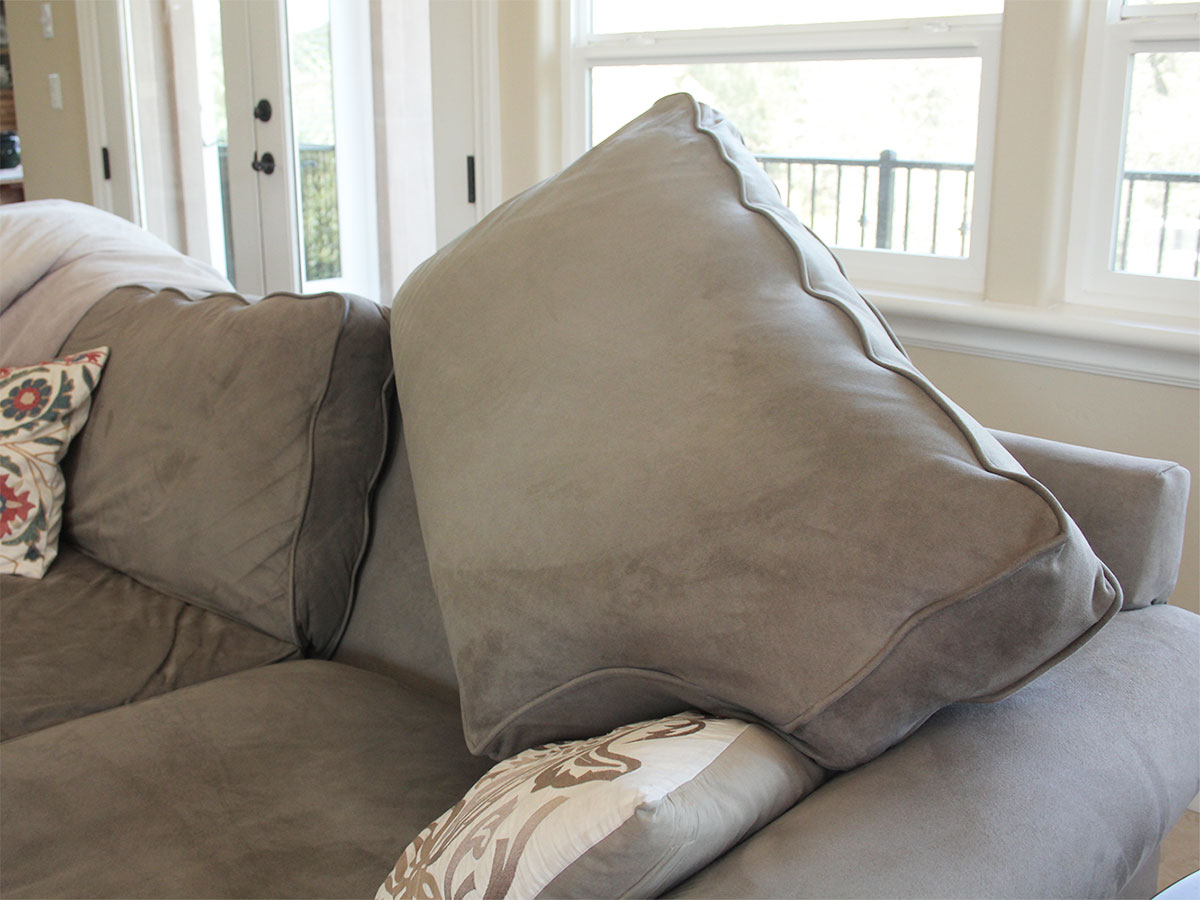
- Loose back cushions: Often rotatable. Many can be flipped, especially if they are not shaped and the construction is symmetrical.
- T-shaped or L-shaped seat cushions: Rotating may be limited. You can sometimes swap left and right only if the shapes match. Otherwise, focus on flipping (if possible) and redistributing fill.
- Tufted, channel-stitched, or buttoned cushions: Often designed to face one way. Rotating can be fine, flipping is sometimes a no. If the tufting feels tight or the fabric looks like it would strain, follow the maker guidance and treat it as rotate-only.
Rule of thumb
If the cushion has the same fabric and seams on both sides, you can usually flip. If one side has a dust cover, a non-slip panel, a label panel, or different piping, treat it as rotate-only.
Rotate vs. flip vs. fluff
These three moves solve different problems, and the magic is in combining them.
- Rotate: Move cushions to different positions so one seat does not take all the wear. This helps with uneven flattening and fabric wear patterns.
- Flip: Turn the cushion over so the top and bottom share the load. This is the closest thing to “resetting” the cushion surface, especially for foam and fiber blends, as long as both sides are finished for sitting.
- Fluff: Redistribute loose fill and reintroduce air. This helps with lumping, corner collapse, and that tired-looking “puddle” effect.
If you only do one thing, rotate. If you can do two, rotate and fluff. If you can do all three, your future self will sit down and feel personally cared for.
The simple schedule
I love a schedule that feels like a gentle nudge, not homework. Pick your usage level, then set a recurring reminder on your phone called something cozy like “cushion reset.”
Light use
- Rotate seat cushions: every 6 to 8 weeks
- Flip seat cushions (if possible): every 2 to 3 months
- Fluff back cushions and throws: every 2 weeks
Medium use
- Rotate seat cushions: every 3 to 4 weeks
- Flip seat cushions (if possible): every 4 to 6 weeks
- Fluff back cushions: weekly
Heavy use
- Rotate seat cushions: weekly
- Flip seat cushions (if possible): every 2 weeks
- Fluff back cushions: 2 to 3 times per week
Pro tip: If one person always sits in the same spot, keep the schedule but shorten it. Your sofa is basically telling you where the traffic is.
How to rotate and flip
This is the part that keeps the routine realistic. You want even wear without turning your living room into a musical chairs situation every Saturday.
Three-seat sofa
- Rotation: move left cushion to center, center to right, right to left.
- Flip (if allowed): flip each cushion in place so the underside becomes the sitting surface.
Two-seat sofa
- Rotation: swap left and right.
- Flip (if allowed): flip both.
Sectional
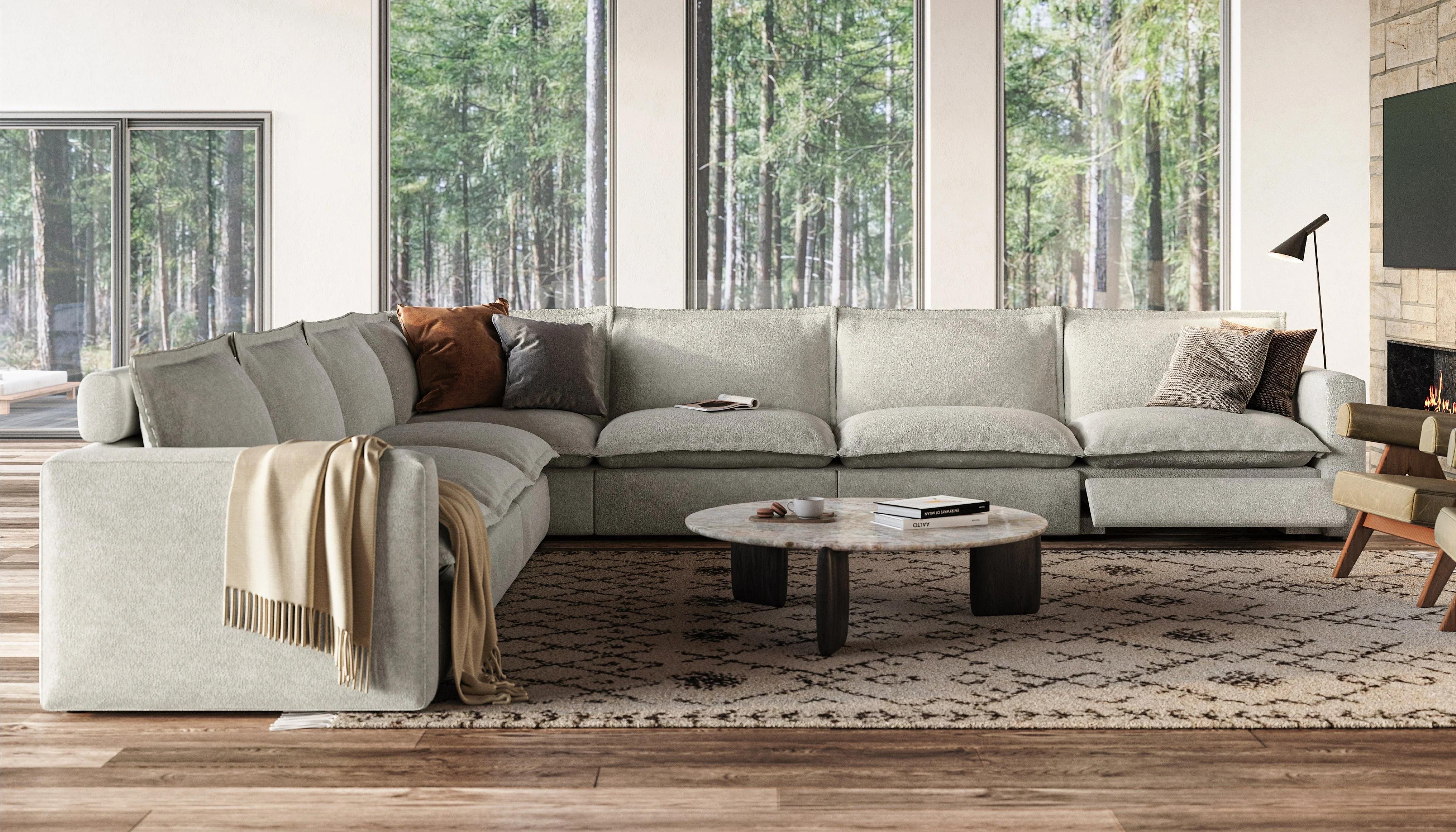
- Prioritize the landing zones: the corner wedge and the first seat nearest the TV usually take a beating.
- Swap matching cushions: if any seats share the same shape, rotate those first.
- Flip what you can: even if rotation is limited, flipping can still help distribute compression, as long as the underside is meant for sitting.
Zippers and inserts
If your cushion has a zipper, you can do more than flip the whole thing. You can also rotate the insert inside the cover, which is especially helpful for foam cores wrapped in batting or fiber.
When to unzip
- When one side feels flatter even after flipping.
- When corners are collapsing while the center still feels fine.
- When the cushion looks a little lumpy, like the fill has migrated.
How to rotate an insert
- Unzip the cover most of the way.
- Slide the insert out halfway, like you are pulling a pillowcase off.
- Turn the insert 180 degrees (front-to-back), or flip it if both sides are the same.
- Slide it back in, using your forearms to guide the corners into place.
- Zip, then give the cushion a few firm pats along the edges to smooth the cover.
Little styling note: If your zipper ends up facing forward after you rotate, simply rotate the entire cushion so the zipper returns to the back. Comfort and tidy lines can absolutely coexist.
Fix lumps and pancake seats
Even with a schedule, cushions sometimes get grumpy. Here is what usually helps, depending on what is inside.
Polyfill or down-alternative
- Do the “karate chop,” but kinder: hold the cushion at opposite corners, shake once, then pat the sides inward to re-round the shape.
- Break up clumps: use your fingers to gently tease lumpy areas through the cover, then fluff again.
- Let it breathe (if the care label allows): take the cushion out of the cover for 10 minutes while you vacuum the sofa frame. This can help if the issue is fill migration or a little trapped moisture, but it is not a magic fix for worn-out fill.
Down or feather blend
- Fluff more often: down looks dreamy, but it needs regular redistributing.
- Push fill back to the edges: use flat palms to sweep fill into corners and along piping.
- Expect a softer lived-in look: down is not meant to stand at attention. It is meant to feel like a hug.
Foam (or foam with a wrap)
- Flip and rotate consistently: foam compresses where you sit most.
- Check for layered foam: some cushions use a firmer base layer with a softer top layer. If yours does, keep it oriented correctly and focus on rotation to spread wear.
- Help the wrap: if there is batting around the foam, smooth it so it is not bunched before you reinsert.
If a foam cushion has a deep permanent dip that does not improve after rotating and flipping for a few weeks, you may be in restuffing territory. This article is all about preventing that moment for as long as possible.
Pair it with vacuuming
The easiest way to maintain cushions is to bundle it with other tiny habits you already do.
5-minute sofa reset
- Pull off throws and pillows.
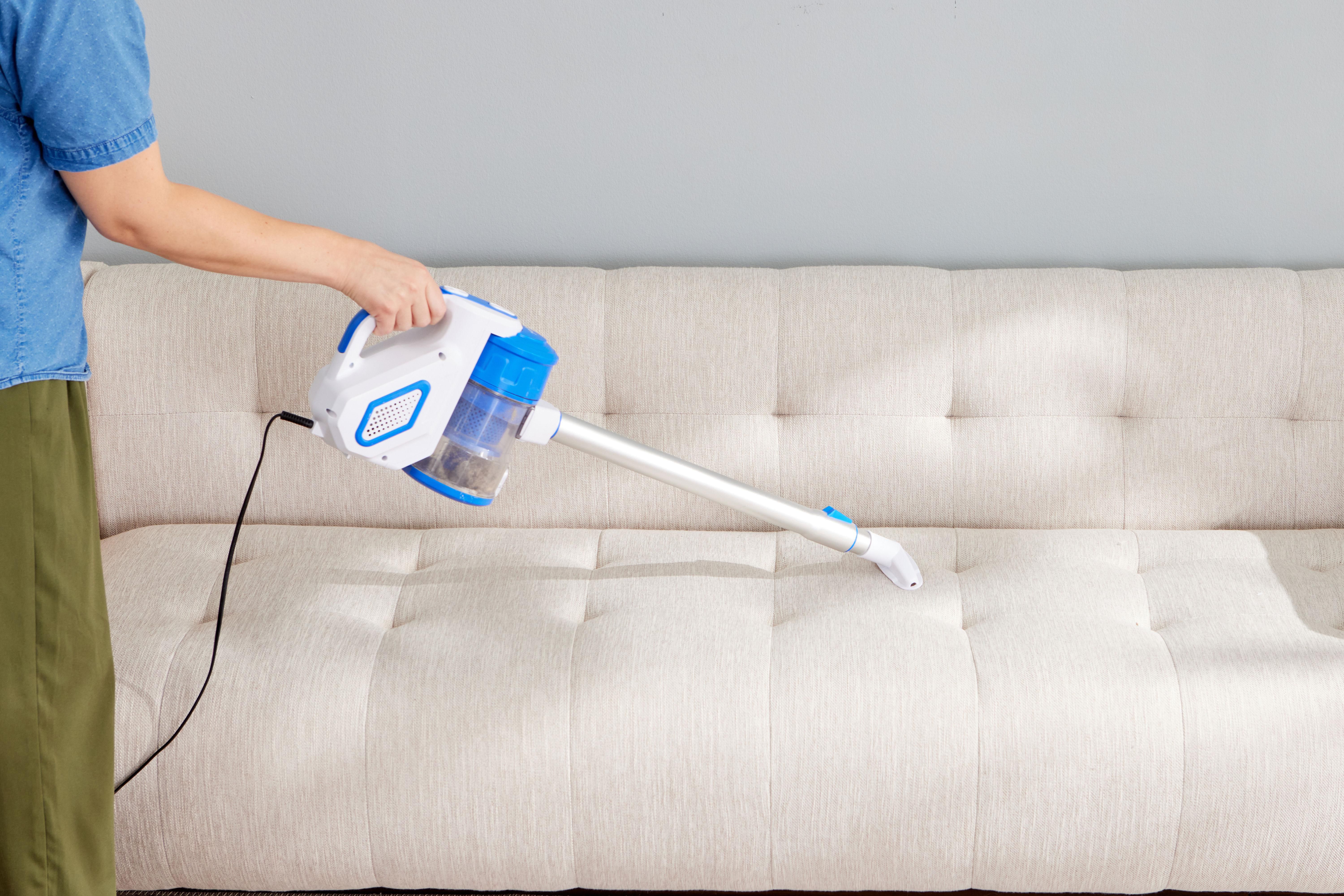
- Vacuum crumbs and pet hair from the seat deck and seams using the upholstery attachment.
- Rotate and flip what you can.
- Fluff back cushions and pillows.
- Put the throw back in a different spot than last time.
Timing note: Once a week is plenty for many homes, but if you have pets, allergies, or snack-loving kids, you will probably want to do the vacuum step more often.
That last step is not just styling fluff. A throw can subtly redirect where people sit, especially in heavy-use homes. If one cushion is wearing faster, drape a throw on that side for a week and “invite” everyone over to the other seat without ever saying a word.
If cushions are attached
Attached cushions are common on budget-friendly sofas and many mid-century inspired frames. You are not stuck, you just work a little differently.
- Rotate the people: intentionally switch where you sit. If you always sit on the left, try right for a week.
- Flip and rotate throw pillows: use them as buffer zones on the most-used area.
- Use a throw like a seat cover: it reduces friction on the fabric and catches the everyday grit that acts like sandpaper over time.
- Vacuum seams: debris in the creases can accelerate wear and make the seat feel lumpier.
When not to flip
A few situations where flipping can cause more harm than help.
- One-sided construction: non-slip backing, dust-cover fabric, labels, or different seam structure on the underside. Rotate instead.
- Tufting and buttons under tension: if flipping strains the fabric or pulls at buttons, keep the cushion oriented as designed.
- Leather or vinyl: rotating is great, but be gentle with vacuum attachments and avoid aggressive brushing that can scuff the finish. A soft brush or a clean, dry microfiber is often the safer move.
When in doubt, the care tag and manufacturer guidance win. Your sofa will not be offended.
Quick checklist
If you want the whole thing distilled into a few satisfying steps, here you go.
- Rotate seat cushions: heavy use weekly, medium use every 3 to 4 weeks, light use every 6 to 8 weeks.
- Flip seat cushions (if both sides are finished): heavy use every 2 weeks, medium use every 4 to 6 weeks, light use every 2 to 3 months.
- Fluff back cushions and pillows: weekly (or more for down, feather, and busy households).
- Vacuum seat deck and seams: weekly for many homes, more often if you have pets, allergies, or lots of crumbs.
- Seasonally (if zippers allow): rotate inserts and smooth batting.
Signs it is time
Maintenance goes a long way, but cushions do not live forever. Consider restuffing or replacing inserts if you notice:
- Foam crumbling or shedding dust when you unzip the cover.
- A dip that returns immediately after rotating, flipping, and a few days of normal use.
- Torn ticking or split inner liners (fill migration will keep getting worse).
- Broken zippers or seams that keep reopening under pressure.
Your sofa does not need perfection. It just needs a little attention in the same way a vintage leather bag does. A quick check-in, a gentle reshaping, and the willingness to let it age evenly, beautifully, and with all your real life written into it.