Roller Shade Won’t Stay Up

Clara Townsend
Clara Townsend is an interior stylist, vintage furniture enthusiast, and the creative voice behind Velvet Abode. With over a decade of experience transforming both cramped city apartments and sprawling fixer-uppers, she believes that a beautiful home is built on personal stories rather than massive budgets. When she isn't hunting for the perfect brass sconce at a local flea market, she can usually be found rearranging her living room for the third time this month.
If your roller shade won’t stay up, it can feel like your window is quietly heckling you all day. The good news is that most “shade slowly slides down” problems come from just a few culprits: the wrong type of shade, not enough spring tension, a worn clutch, or a cord system that is slipping (or was altered for safety).
I’ll walk you through how to tell what you’re working with, what you can safely fix at home, and when it’s smarter to replace the headrail instead of wrestling with tiny parts.
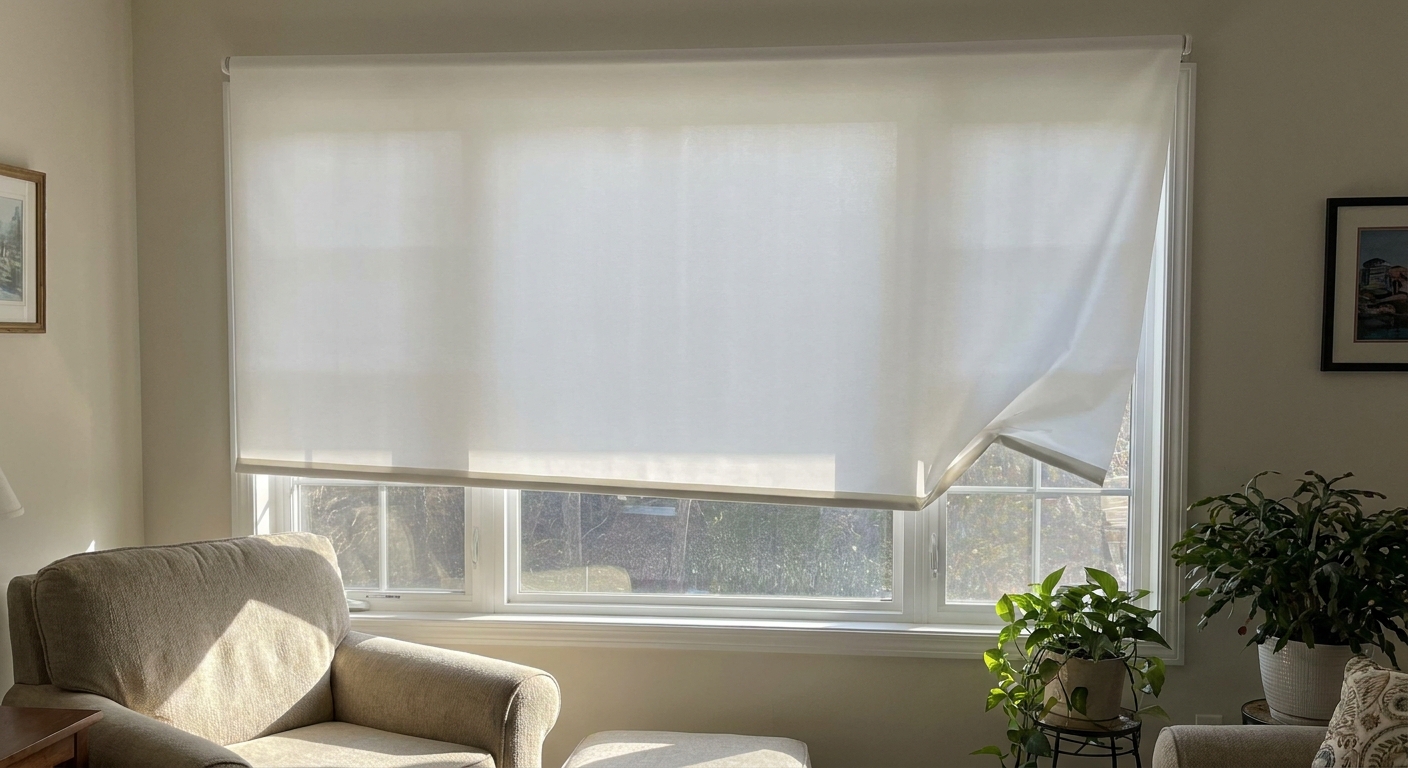
First: What kind of shade is it?
Before you tighten anything, make sure we are talking about the same animal. “Roller shade” is often used for a few different styles, and the fix depends on the mechanism.
Roller shade (spring or clutch)
- Looks like: One flat sheet of fabric that rolls around a tube at the top.
- Operates by: Either a spring inside the tube (spring roller) or a chain and clutch on one side (clutch roller).
- Common failure: Shade won’t stay up, creeps down, free-falls, or won’t roll up evenly.
Cellular or honeycomb shade (not a roller)
- Looks like: Pleated cells that stack up when raised.
- Operates by: Lift cords inside the cells or cord-free systems.
- Common failure: Won’t stay up because the cord lock or internal lift is failing.
Quick check: If your window covering wraps around a round tube, keep reading. If it stacks like an accordion, you likely need cellular shade cord-lock troubleshooting instead of roller tension fixes.
Quick diagnosis: Tension, clutch, or something else?
Here’s the fastest way to narrow it down, coffee in hand, standing right at the window.
- No chain, no cord, you pull it down and it “snaps” up: This is a spring roller. The issue is usually spring tension or an end pin not seated properly.
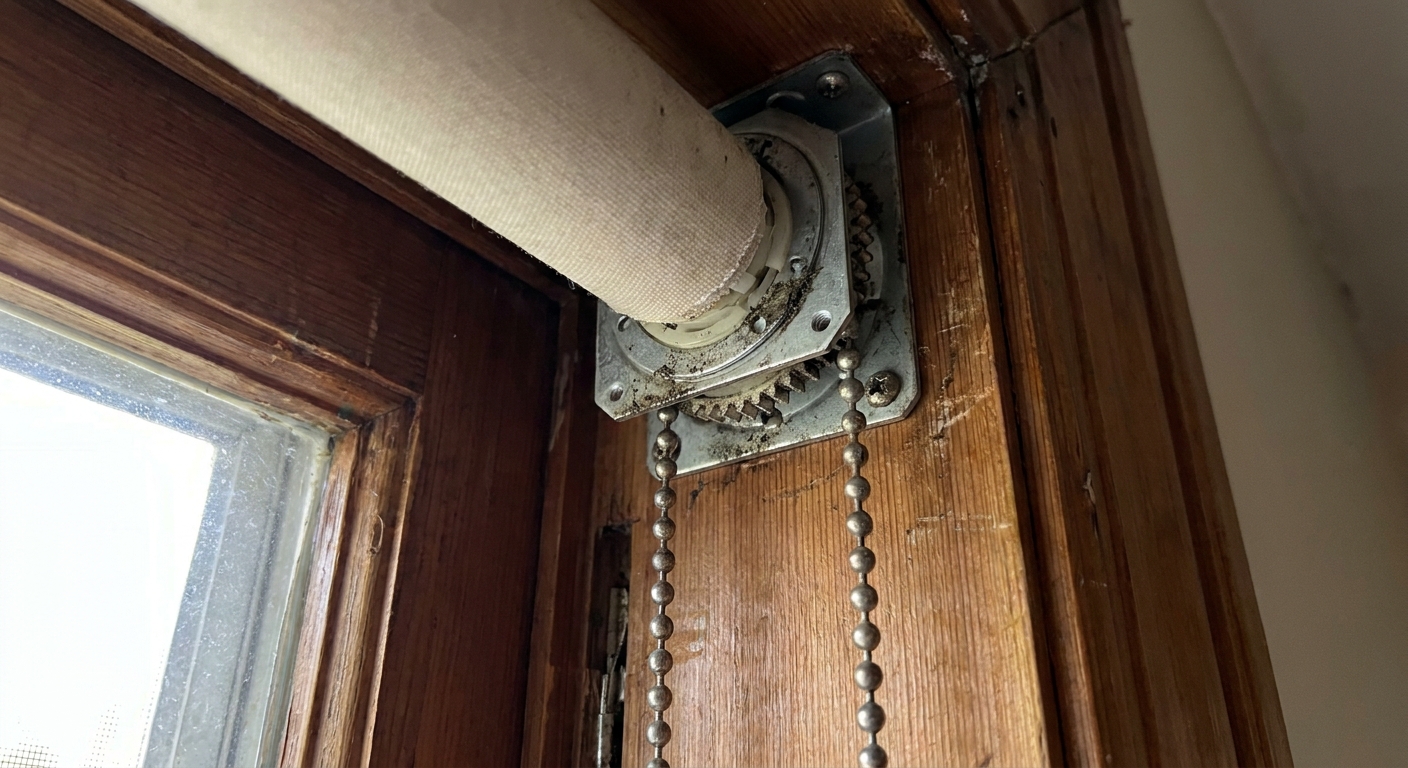
- Metal or plastic beaded chain on one side: This is a clutch roller. The issue is often a worn clutch, a chain path problem, or the shade is too heavy for the clutch rating.
- It stays up sometimes, but drops crooked: Often a bracket seating issue, a fabric roll that is telescoping to one side, or a tube that is slightly out of level.
- It started after a child-safety cord device was installed: The shade may be binding or the chain tension device may be mounted too tight, too loose, or at the wrong angle.
Fix 1: Add tension to a spring roller shade
Spring rollers are simple and satisfying when they work, but once the spring loses tension, the shade can drift down like it is giving up on life.
Safety first
- Go slow. Spring rollers can spin fast when released.
- Keep fingers clear of brackets and end pins.
- Use a step stool if needed, not the arm of a chair (I say this with love and experience).
Step-by-step: Add tension
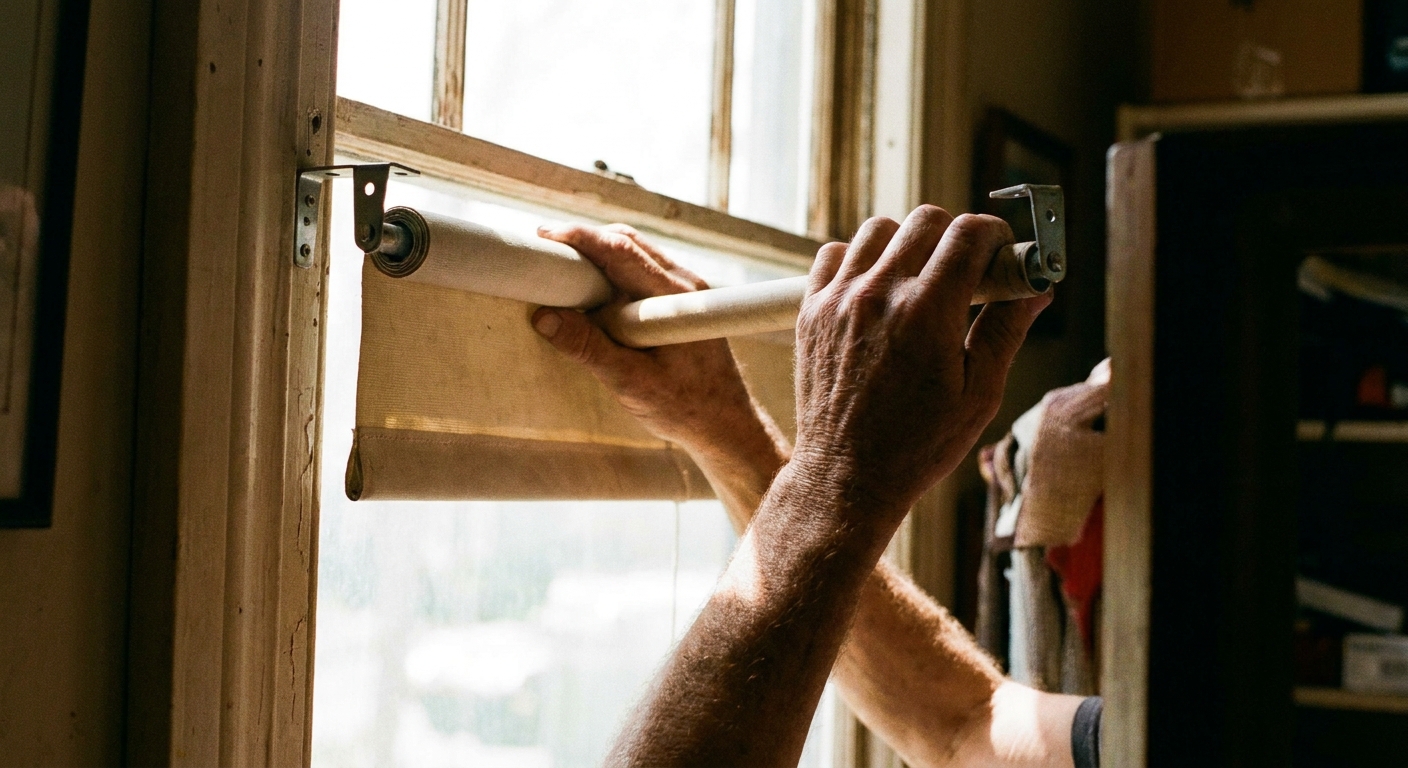
- Lower the shade about 12 to 18 inches while it is still in the brackets. This action preloads the spring.
- Remove the shade from the brackets. Usually one end is spring-loaded and pops out when you push the roller sideways.
- Roll the fabric back up by hand onto the tube until it is fully wrapped. Keep it snug and even as you roll.
- Re-seat the roller into the brackets, making sure both ends click fully into place.
- Test it. Pull the shade down and see if it holds. If it still creeps down, repeat the process and add a little more preload by lowering it slightly farther before removing it.
How much is too much? If the shade snaps up aggressively, bangs the top area, or feels hard to pull down, you have added too much tension. Reduce the preload by starting with a smaller drop next time (closer to 12 inches than 18).
If it rolls up crooked
- Check bracket level: Even a small tilt can encourage the fabric to “walk” to one side.
- Make sure the tube is fully seated: A half-seated end pin causes uneven rolling.
- Try a tiny shim: A thin piece of cardstock behind one bracket can correct a slight level issue (very renter-friendly).
Fix 2: Clutch roller shades that slip down
If your shade uses a chain, the “stay up” power comes from the clutch. Inside that clutch are friction parts that wear out over time, especially if the chain gets yanked (no judgment, we have all done it).
Try these quick fixes first
- Clean the chain and clutch area: Dust and kitchen grease can reduce grip. Wipe the chain with a barely damp cloth and mild soap, then dry fully.
- Check that the chain is not twisted and is running straight down.
- Make sure the shade is rolling the correct direction: Some clutches behave better when the fabric rolls off the back of the tube, depending on the model.
Signs the clutch is worn out
- The chain moves, but the shade slowly slides down afterward.
- You hear clicking or feel a “skipping” sensation.
- The shade will lift only if you help it by hand, then it drops again.
- It used to hold, and now it will not, even after cleaning and re-seating.
Reality check: A worn clutch usually needs replacement. The good news is that clutches are commonly replaceable without buying a whole new shade, but you do need the correct diameter and clutch style for your tube.
What to measure before ordering a clutch
- Tube diameter (common sizes are 1 inch, 1.5 inch, and 2 inch, but measure yours).
- Clutch side (left or right).
- Chain type (beaded metal or plastic, loop length).
- Bracket shape (your new clutch must fit the existing bracket style).
If your shade is a big blackout roller and feels heavy, it may also be overloading the clutch. In that case, a higher-rated clutch or a full headrail replacement can save you from repeating the same problem in six months.
Fix 3: When it’s not tension or clutch
Not seated correctly
This is surprisingly common after cleaning windows or a move-in.
- Pop the shade down and reinstall it firmly into both brackets.
- Look for a bent bracket or a loose screw letting the tube shift.
Fabric telescoping
If the fabric walks toward one end as it rolls up, the tube can end up pulling unevenly, which makes the shade creep down or hang crooked.
- Lower the shade halfway, then roll it up while guiding the fabric edge gently back toward center.
- Confirm the brackets are level. If your home is older and charmingly un-square, a small shim behind a bracket helps.
Something rubbing
If the shade is inside-mounted, the fabric edge might be rubbing the window trim or tile, especially in bathrooms.
- Check for tight clearance on both sides.
- If needed, re-center the brackets by a few millimeters, or add thin spacers.
Cord and chain safety
Roller shades with chains and cords have real safety considerations, especially with kids and pets. If you have a chain loop, treat it like a priority, not an optional accessory.
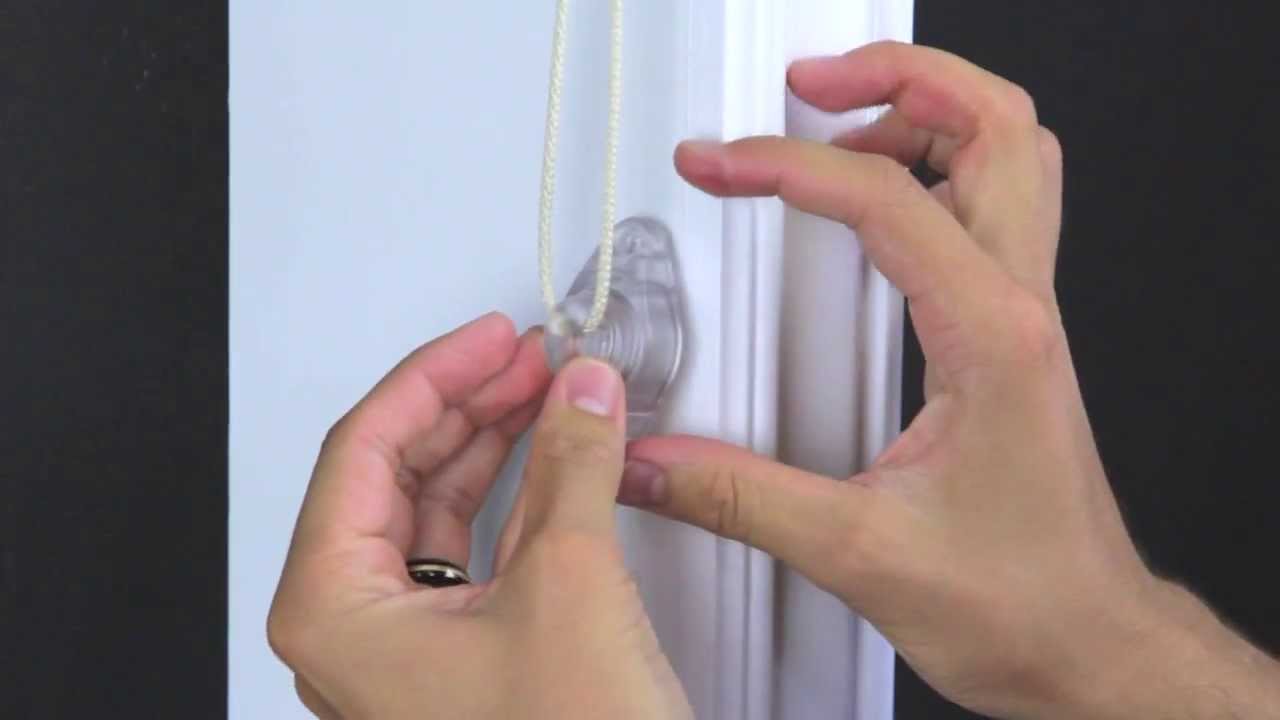
Install a chain tension device
- Use a tensioner that keeps the chain taut against the wall or window frame.
- Mount it in line with the chain path so the chain runs smoothly and does not bind.
- Do not overtighten: Too much tension can make the clutch feel stiff and can contribute to slipping because the chain is not moving freely.
If your shade started acting up right after adding a tensioner, loosen it slightly and re-check alignment. A tiny angle change can make the chain drag.
Consider a safer system
- Cordless roller shades: Great for nurseries and pet-friendly homes.
- Motorized retrofit kits: Sometimes possible, depending on tube size and bracket style.
What not to DIY
- Cutting chain loops shorter without the proper connector and tension device.
- Removing safety devices to “make it work.” If the safety component is causing binding, adjust or replace it, do not ditch it.
Renter-friendly vs replacement
If you are renting, you can usually do more than you think, but you also deserve your deposit back.
Renter-friendly fixes
- Re-seating the shade in its brackets.
- Cleaning the clutch area and chain.
- Adding a small shim behind a bracket (cardstock, thin plastic, or a purpose-made spacer).
- Installing a chain tensioner using existing holes when possible.
Ask first or keep it reversible
- Replacing the clutch (often simple, but you may need to remove hardware).
- Replacing brackets if yours are bent or mismatched.
- Drilling new holes for a tension device if there is no safe mounting point.
Replace the headrail or shade if
- The tube is bent or the brackets are damaged.
- The clutch is discontinued and you cannot match it to your tube.
- The shade fabric is fraying, delaminating, or permanently wrinkled from repeated slipping.
- You need a safer option, like cordless or motorized, and the current hardware cannot be converted reliably.
Stylist note: If you are already replacing, consider a slightly thicker fabric or a textured weave. A simple roller in a warm linen-look can make a room feel calmer instantly, especially paired with soft curtains for that layered, “finished” window look.
Troubleshooting checklist
- Identify the type: spring roller vs clutch roller vs cellular.
- Re-seat the shade: confirm both ends are fully in the brackets.
- Check level and rubbing: crooked brackets or tight inside mount can cause creeping.
- Spring roller: lower 12 to 18 inches, remove, hand-roll back up, reinstall, test.
- Clutch roller: clean chain and clutch area, check chain path, then replace clutch if slipping persists.
- Safety: install or adjust a chain tension device, do not remove safety parts.
When to call for help
If your shade is very large, mounted high, or the spring action feels unpredictable, it is okay to call a local blind and shade shop. Also consider professional help if you have a custom shade with hidden hardware and no visible way to access the clutch.
And if you want to tell me what kind of roller you have and what it’s doing (slow creep, sudden drop, crooked roll, chain slips), you are already most of the way to the fix.