Remove Super Glue and Sticky Adhesives From Fabric Sofas

Clara Townsend
Clara Townsend is an interior stylist, vintage furniture enthusiast, and the creative voice behind Velvet Abode. With over a decade of experience transforming both cramped city apartments and sprawling fixer-uppers, she believes that a beautiful home is built on personal stories rather than massive budgets. When she isn't hunting for the perfect brass sconce at a local flea market, she can usually be found rearranging her living room for the third time this month.
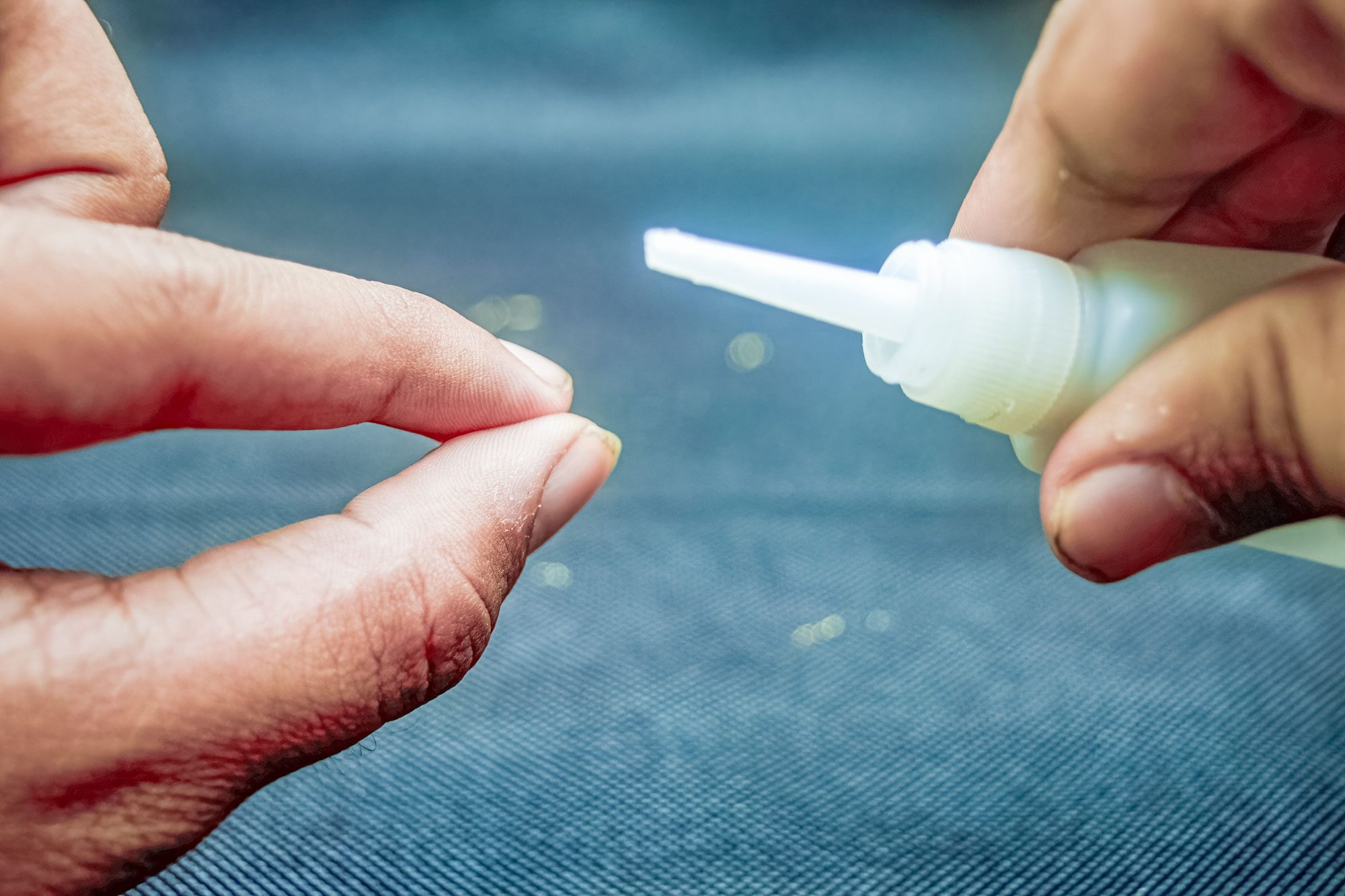
There are two kinds of couch emergencies in a busy home: the loud ones (a toppled juice cup) and the quiet ones (a kid whispering, “It’s fine,” while holding a glue bottle over your sofa). If you’ve got a fabric sofa and you’re staring down super glue, sticker gunk, or craft glue, you can often fix it without turning your cushion into a crunchy, discolored patch.
The trick is to start with mechanical removal first (lifting the glue without chemicals), then match your method to the type of adhesive. Cold helps some glues release. Gentle heat helps others soften. And aggressive solvents can absolutely wreck upholstery by stripping dye, softening certain backings, or pushing residue deeper.
Before you touch the stain: a quick sofa safety check
I know you want to attack the spot immediately. Take one minute to set yourself up for success, because upholstery is layered: a pretty fabric face, sometimes a backing or latex binder, plus batting and foam underneath. The wrong move can push glue deeper or damage the cushion structure.
- Identify the fabric. If it’s velvet, microfiber, chenille, or anything with a visible nap (directional fuzz), plan to be extra gentle. These show scuffs and solvent marks more easily.
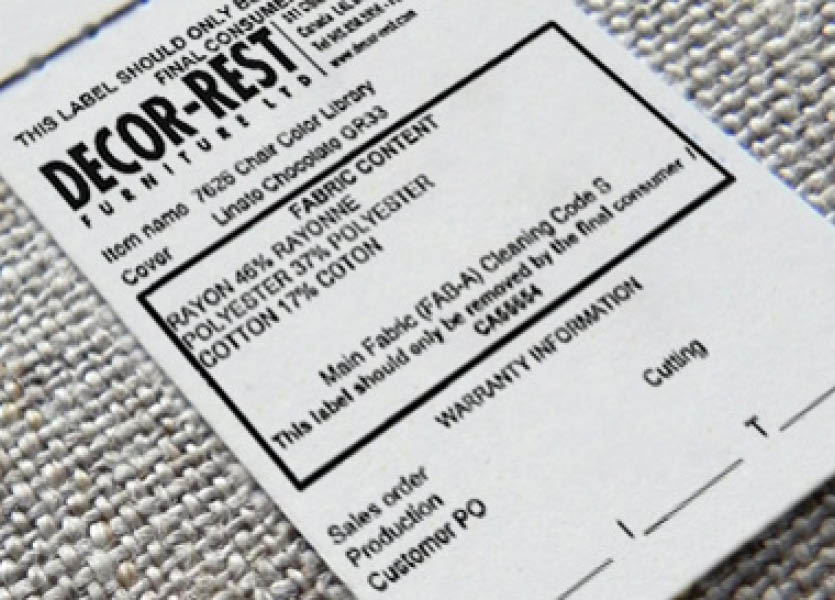
- Check the care code tag (usually under a seat cushion): W = water-based cleaners, S = solvent-based cleaners, WS (sometimes SW) = water or solvent-based cleaners, X = vacuum only or professional cleaning only. These codes are a starting point, not a guarantee.
- Test in a hidden area (back hem, under cushion). Whatever you plan to use, dab and wait 10 minutes. Look for dye transfer, rings, stiffening, or a fuzzy patch.
- Blot, don’t rub. Rubbing frays fibers and spreads sticky residue into a bigger halo.
- Ventilate. If you use any solvent, open windows and keep kids and pets away.
Mechanical removal first (yes, even for super glue)
Mechanical removal means you’re removing stuff before you start dissolving anything. This keeps the mess on the surface and reduces the amount of cleaner you need later.
What to grab
- A dull butter knife or plastic scraper (avoid sharp blades on upholstery)
- A spoon edge (great for a gentle rolling motion)
- Tweezers for lifting flakes
- Lint roller or packing tape for tiny crumbs
- Vacuum with upholstery attachment (for dried bits only)
How to do it
- If it’s wet and spreading, contain it. Lightly blot around the edges with a dry cloth to stop the spread. Don’t wipe through the center and don’t press into the cushion.
- Lift and chip. Once it’s tacky or dry, use the scraper to gently lift the edge and chip off what you can. Work from the outside toward the center.
- Roll residue. For gummy adhesives, a spoon edge can roll residue into little balls instead of smearing it.
- Vacuum up crumbs after you’ve removed the bulk, so you don’t grind bits into the weave.
This step alone often removes most dried school glue, many sticker residues, and even a surprising amount of super glue that has bridged over the fibers.
Know your glue: cold vs heat
Different adhesives respond to different temperature tricks. Here’s the simple rule I keep in my head:
- Super glue (cyanoacrylate): often responds to cold plus careful mechanical lifting. This isn’t foolproof on fabric (it can wick into fibers), but it’s a low-risk first move.
- Hot glue: often releases with cold (hardens and pops off) or controlled reheating with a barrier. On loose weaves and high-pile upholstery, it can embed more than you’d expect.
- Sticker residue, tape adhesive, gum-like glues: can respond to gentle warmth to soften, then lift.
- White school glue and many craft glues (PVA): usually respond to warm water and blotting once the bulk is removed.
Temperature is useful because it changes the glue’s behavior without soaking your sofa in chemicals.
How to remove super glue from a fabric sofa
Super glue is the tricky one because it bonds fast and can lock onto individual fibers like a tiny plastic cast. Your goal is to remove the hardened glue while disturbing the fabric as little as possible.
Step 1: Freeze to make it brittle
- Put ice cubes in a zip-top bag (or use a gel pack wrapped in a thin towel).
- Hold it on the glue spot for 5 to 10 minutes.
- Check whether the glue feels harder and more brittle.
Why this helps: Cold can make cyanoacrylate more brittle, so it may chip off instead of smearing. If the glue soaked into the fibers, you might only get partial lift, and that’s still progress.
Step 2: Gently chip and lift
- Use a plastic scraper or dull knife to lift the edge of the glue.
- If it flakes, keep going slowly.
- Use tweezers to lift tiny shards so you’re not tugging fibers.
Step 3: If a thin crust remains, choose the least risky option
At this point, you’ve got two paths. If your sofa is delicate (velvet, chenille, microfiber, or anything you love too much), I’d strongly consider stopping and calling a professional upholstery cleaner. If you want to proceed, do it like a conservator, not a demolition crew.
- Try warm soapy water first on a cloth and blot the area around the glue to remove skin oils and dirt that make residue cling. This won’t dissolve super glue, but it helps with the halo and makes the final finish cleaner.
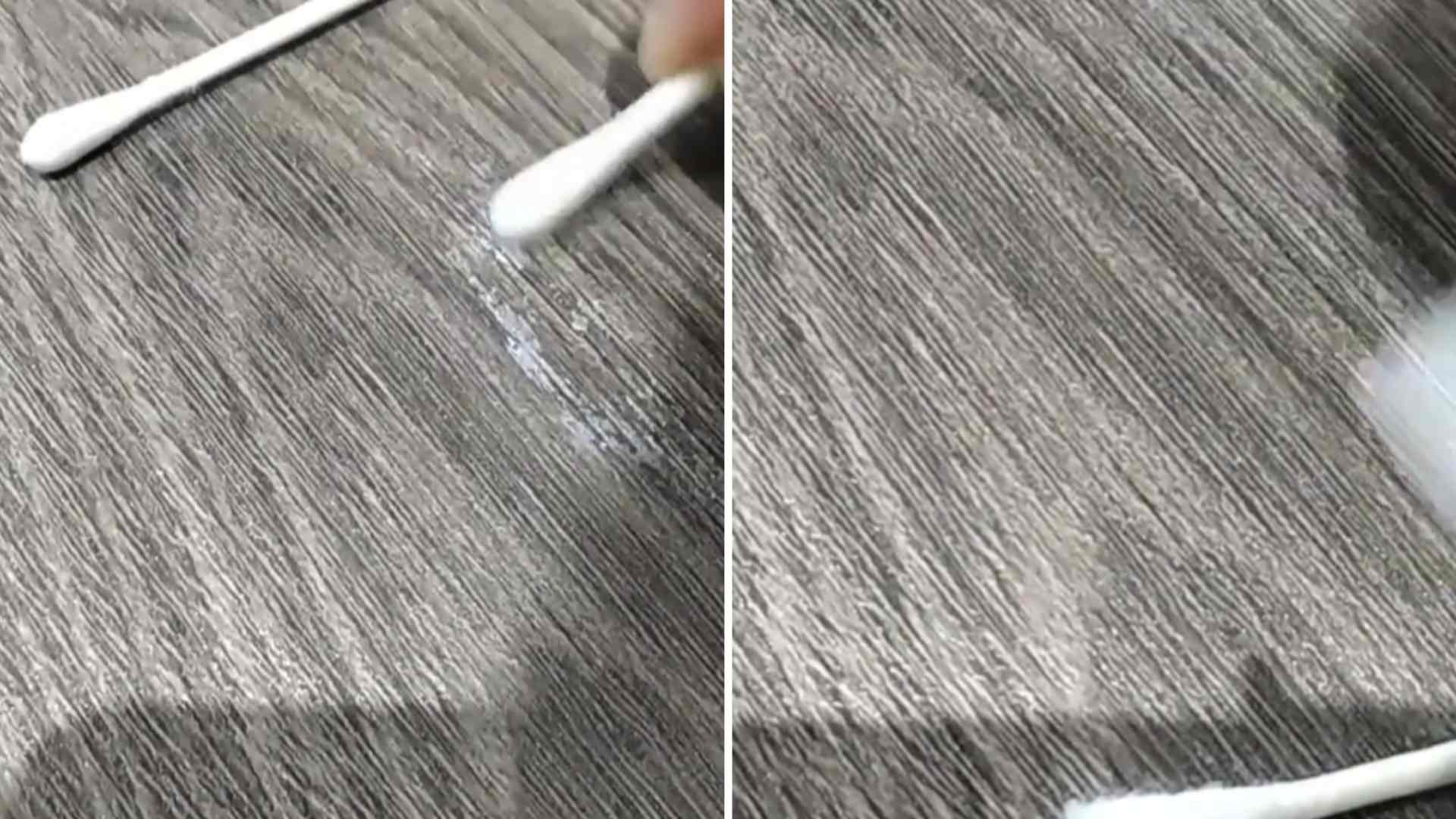
- Use a tiny amount of acetone only if you can test safely. Acetone is commonly suggested for super glue, but it can strip dye, damage some fibers or finishes (especially acetate), and soften certain backings or binders.
If you use acetone (spot-test is non-negotiable)
- Choose 100% acetone (plain nail polish remover often has oils, fragrance, and dyes that can stain).
- Ventilate well and keep it away from flames. No candles, no smoking. Acetone is highly flammable.
- Dampen a cotton swab, don’t pour.
- Dab only on the glue, not the surrounding fabric.
- Wait 20 to 30 seconds, then gently scrape or lift softened glue.
- Work in tiny rounds. Stop immediately if you see color transfer, shine, or fuzzing.
Important: Acetone can wick downward quickly. Too much can reach cushion foam or adhesive layers and create a bigger problem than the original spot.
How to remove hot glue from upholstery
Hot glue is a common kid-craft culprit, especially when a glue gun meets a couch during a quick project in a small apartment. The good news is hot glue often sits on top of fibers rather than chemically bonding, though it can still embed in high-pile fabrics and loose weaves.
Option A: Freeze and pop
- Ice pack in a bag, 5 to 10 minutes.
- Try to flex the glue gently and lift it off in one piece.
- Follow with mechanical cleanup for any strings.
Option B: Re-soften with gentle heat (with a barrier)
- Place a piece of brown paper (or a plain cotton cloth) over the glue.
- Use a warm iron on low with no steam, 1 to 3 seconds at a time.
- Lift the paper and see if glue transfers. Rotate to a clean spot and repeat.
Caution: Heat can flatten nap fabrics and can also push some adhesives deeper. If your sofa is velvet, chenille, or microfiber, start with freezing and skip the iron method unless you’ve tested in a hidden area and you’re confident.
How to remove sticker residue and tape adhesive
Sticker residue is sneakier than it looks. It grabs lint and turns into a gray, tacky patch that seems to attract every crumb in a five-mile radius.
Step-by-step
- Lift what you can mechanically using a spoon edge to roll residue.
- Dab with a fabric-safe solvent based on your care code. For many upholstery fabrics labeled S or WS, a small amount of isopropyl alcohol (70% or 91%) can help. Even then, it’s not automatically safe, so spot-test and watch for dye transfer.
- Ventilate and keep it away from flames. Isopropyl alcohol is flammable, too.
- Blot and rotate cloths so you’re lifting adhesive up, not smearing it outward.
- Finish with a mild soap-and-water blot (if care code allows W or WS) to remove any solvent residue.
Skip oily “miracle” removers on upholstery unless you know the fabric can be fully degreased afterward. Oils can leave dark rings and attract dirt, especially on light sofas.
How to remove school glue and craft glue (PVA)
School glue is a frequent guest in family living rooms, and thankfully it’s one of the friendlier spills when handled correctly.
For wet school glue
- Scoop excess with a spoon (don’t wipe).
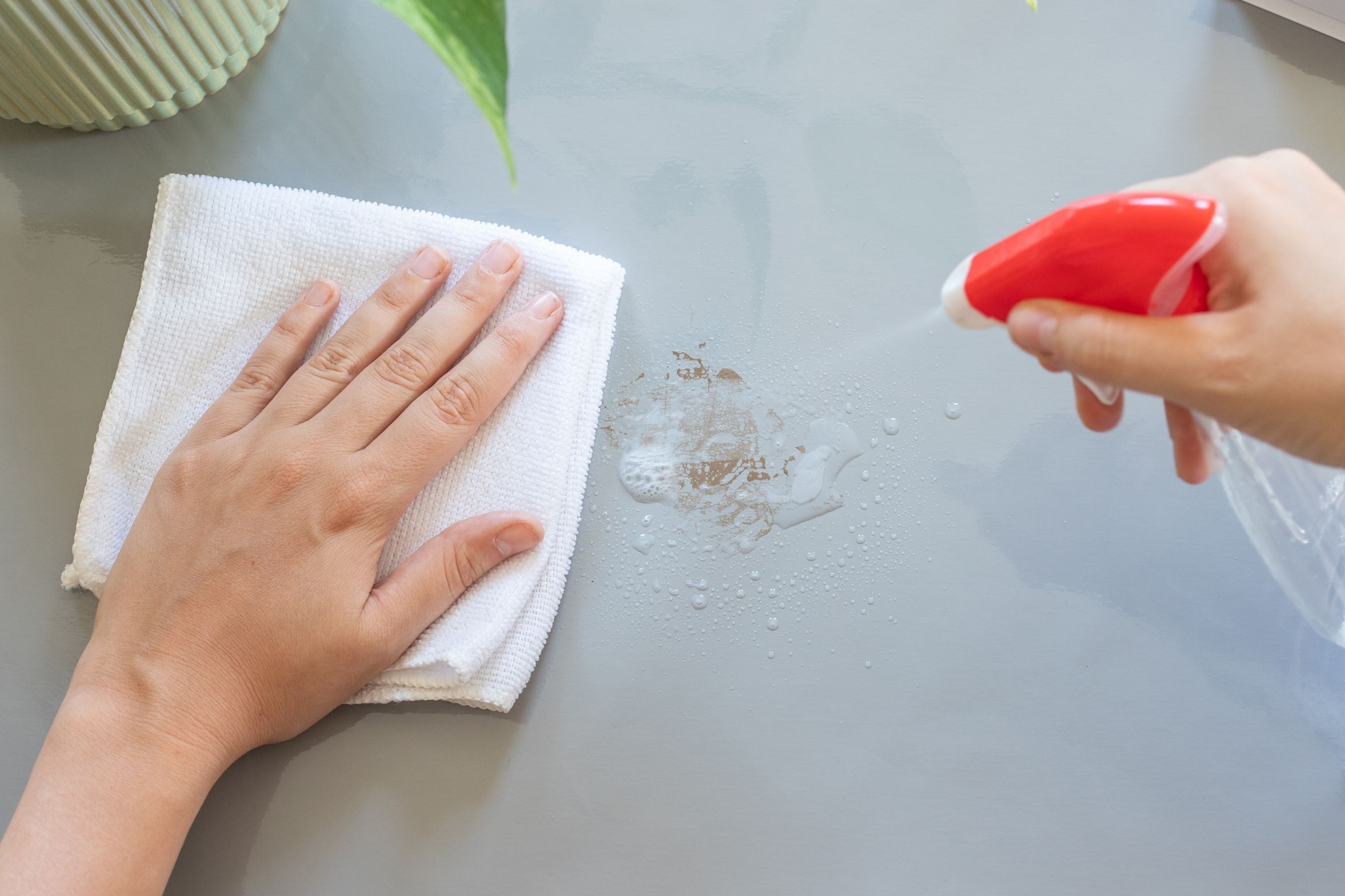
- Blot with cool water on a white cloth, working from the outside in.
- If it’s still sticky, add a drop of mild dish soap to water and blot again.
For dried school glue
- Soften with warm water (not hot) using a damp cloth laid over the spot for a few minutes.
- Gently scrape softened glue, then blot until it releases.
- Rinse by blotting with clean water and dry with a towel.
What about glue sticks?
Glue sticks are often PVA-based but can have waxy additives, so they sometimes behave more like residue. Start with mechanical lifting, then try warm water plus a tiny drop of dish soap (if your care code allows it), blotting patiently.
Pro tip from countless craft afternoons: Dried PVA often turns rubbery when rehydrated. That’s your moment to lift it in pieces instead of smearing it.
Why strong solvents can ruin upholstery
This is the part design blogs sometimes skip. Upholstery isn’t a sealed countertop. It’s fibers, dye, and layers. Strong solvents can cause damage that looks like “the stain is gone,” but the sofa now has a permanent problem.
- Nap damage: Velvet, chenille, and microfiber can get shiny, matted, or bald-looking where solvent or heavy rubbing disturbed the pile.
- Dye loss and rings: Solvents can pull dye, creating a lighter patch or a tide ring that catches the light.
- Backing breakdown: Some fabrics have a latex or adhesive backing. Strong solvents can soften it, leading to bubbling, stiffness, or delamination.
- Foam damage or lingering odor: If solvent wicks down into the cushion, it can degrade foam or leave chemical smell trapped inside.
Extra caution fabrics: acetate, rayon or viscose, silk blends, and some “performance” fabrics with coatings can be surprisingly sensitive. If you’re unsure what you’ve got, that’s a good time to stop.
If you love your sofa and the glue spot is in a high-visibility area, it’s often worth stopping early and calling a pro rather than “winning” the stain and losing the fabric.
Kid-craft scenarios
If you’re working with limited space, crafts tend to migrate to the sofa. Here are the most common scenarios I hear about, and the least stressful first move for each.
- Super glue dropped during a model kit: Freeze, chip, and stop before solvents unless you can spot-test safely.
- Hot glue strings from a costume project: Freeze and pull strings gently with tweezers. Vacuum crumbs after.
- Sticker sheet “stored” on the cushion: Roll residue mechanically first, then dab with isopropyl alcohol if your care code allows and your spot test passes.
- Slime or craft putty mixed with adhesive: Scoop solids, then treat any remaining tackiness as sticker residue. Avoid heat until you know what’s in the mix.
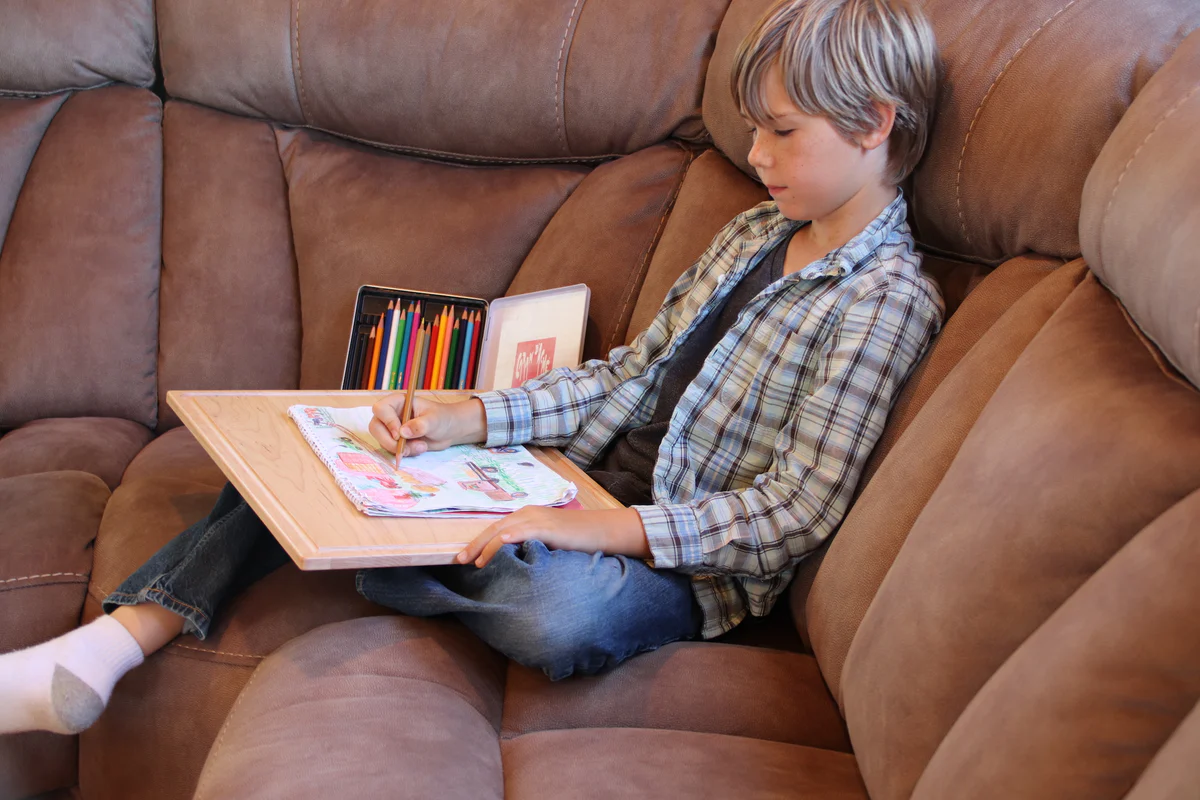
- Glitter glue spill: Let it dry, then scrape off the crust. Glitter is basically confetti with a grudge, so vacuum thoroughly before any wet cleaning.
Finishing touches
Once the glue is gone, the area can look slightly different because the fibers have been compressed or cleaned more than the surrounding fabric.
- Blot-dry, then air-dry fully. Avoid hair dryers on nap fabrics.
- Fluff the fibers. For woven fabrics, a soft brush can lift them back up. For microfiber, a clean, dry cloth rubbed lightly can restore texture.
- Vacuum gently once fully dry to even out the pile and remove any loosened crumbs.
If you accidentally create a ring
Stop spot-scrubbing. If your care code allows water (W or WS), lightly dampen and blot outward to feather the edge, aiming to blend rather than soak. If the ring spreads, the fabric is delicate, or the cushion feels wet deep down, call a pro. Water rings are the kind of “small” problem that can become a big one fast.
When to call a professional
You’re not failing at DIY if you tap out. Call an upholstery pro if:
- The sofa is velvet, acetate, rayon or viscose, silk blend, or a high-pile chenille in a visible spot.
- The glue soaked through to padding or feels stiff deep in the cushion.
- You see dye transfer during any spot test.
- The sofa is labeled X (vacuum only or professional cleaning only).
When you call, tell them what adhesive it was (super glue, hot glue, sticker residue, PVA) and what you already tried. That honesty helps them choose the safest chemistry.
Quick cheat sheet
- Always start mechanical: scrape, chip, roll, lift.
- Cold first for super glue and hot glue: freeze and remove what you can.
- Gentle warmth helps gummy residue: soften and blot, don’t overheat.
- Solvents are last-resort tools: spot-test, use tiny amounts, avoid soaking, ventilate, and keep away from flames.
- Protect the nap and backing: rubbing and harsh chemicals can cause permanent texture damage.
If your sofa could talk, it would say this: go slow, stay on the surface, and do less than you think you need. You can always do another careful round, but you can’t un-strip a fabric.