Remove Smoke and Cooking Odors From Fabric Sofas

Clara Townsend
Clara Townsend is an interior stylist, vintage furniture enthusiast, and the creative voice behind Velvet Abode. With over a decade of experience transforming both cramped city apartments and sprawling fixer-uppers, she believes that a beautiful home is built on personal stories rather than massive budgets. When she isn't hunting for the perfect brass sconce at a local flea market, she can usually be found rearranging her living room for the third time this month.
There is a very specific heartbreak to sitting down at the end of the day and realizing your “cozy” sofa smells like last night’s garlic noodles, or worse, stale smoke. Fabric holds onto odors the way linen holds onto sun. It is not because you are messy. It is because upholstery is basically a soft little labyrinth of fibers, crumbs, and airborne particles.
The good news is you do not need to drown your living room in perfume to fix it. You need a layered plan. We are going to identify what you are dealing with, remove the source, and only then deodorize.
Before you start
A few small checks prevent big upholstery regrets.
- Find the care label if you can: Follow the manufacturer’s instructions first. W/S/WS/X codes are common, but they are not perfectly universal and some pieces do not list them.
- Spot test: Always test any cleaner, vinegar, or deodorizer in a hidden area and let it dry fully.
- Blot, do not rub: Rubbing can push odors and stains deeper and can rough up fibers.
- Do not saturate cushions: Too much moisture and slow drying are how “freshly cleaned” turns into “mysteriously musty.”
- Know your risky fabrics: If you have viscose/rayon, some velvets, or anything that water-spots easily, consider professional cleaning for wet steps.
Identify the odor
Smoke and cooking odors tend to come in two main flavors, and the fix depends on which one is camped out in your upholstery.
1) Particulate smell (smoke, soot, toasted bits)
This is tiny airborne stuff that lands on fabric and gets lodged in the weave. Think cigarette smoke, fireplace smoke, or a kitchen mishap that got a little… smoky.
- Clue: The fabric smells worse after you sit on it or fluff cushions.
- Best approach: Dry removal first, then gentle deodorizing.
2) Grease film smell (cooking oils, frying, bacon, curry)
This is the sneaky one. Cooking oils become an almost invisible film that grabs onto odor molecules and makes them stick around.
- Clue: The sofa feels slightly tacky over time, or odors return quickly after “freshening.”
- Best approach: Break up the film with a cleaner appropriate for your fabric, then deodorize.
Quick smoke severity check
- Light odor: A general smoky or cooking haze that fades a bit with fresh air. DIY usually works.
- Heavy smoke: Visible soot, sharp odor that makes your eyes itch, or anything post-fire. Soot can be hazardous. Skip aggressive DIY and call a professional odor remediation or upholstery cleaning company.
Your plan, in order
If you do these steps out of order, you can accidentally trap smells in. This is especially true with smoke and food splatters.
Step 1: Air it out
Before you touch the sofa, give the odor somewhere to go.
- Open two windows for cross-ventilation if possible.
- Run your bathroom fan and stove hood fan, even after cooking.
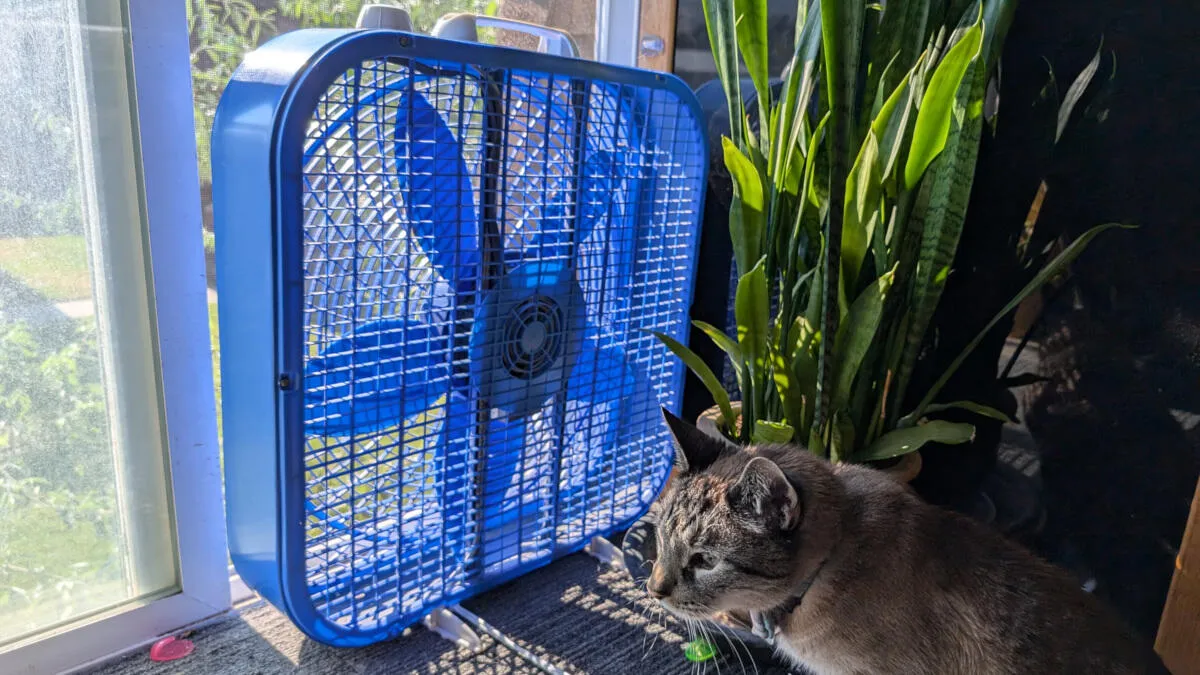
- Point a box fan out a window to push stale air outside rather than just swirling it around.
- If you can, pull the sofa 6 to 12 inches away from the wall for a day so the back can breathe.
Landlord-friendly tip: A temporary window fan setup does more than any candle ever will.
Step 2: Vacuum thoroughly
This is the unglamorous step that makes everything else work. Smoke particles and cooking residue settle into cushions, arms, and the crack where snacks go to retire.
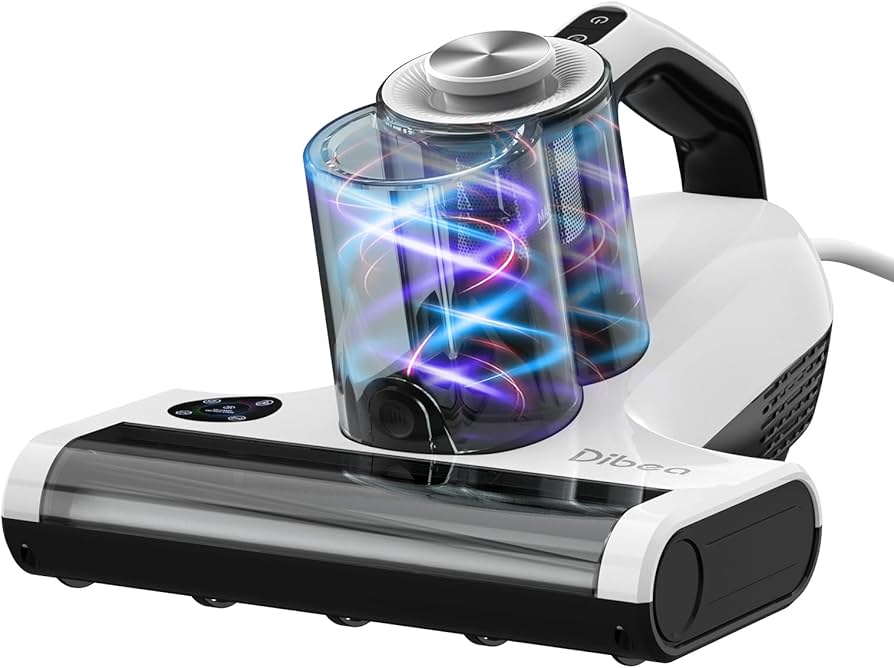
- Use a well-sealed vacuum with a clean filter. A true HEPA vacuum is ideal because it reduces fine-particle recirculation. Some standard vacuums can still capture a lot, but others may blow fine particles back into the air.
- Use an upholstery attachment and a crevice tool.
- Vacuum all sides of removable cushions, including the zipper seams.
- Vacuum the sofa frame, under cushions, and along the baseboards behind it.
Safety note for heavy smoke/soot: Go gently. Avoid aggressive brushing that can kick soot airborne. Ventilate, and consider wearing a mask if you are dealing with visible soot.
Step 3: Wash covers (if removable)
Washable covers are your best friend, but they are also easy to ruin if you get impatient.
Check the label and test
- W means water-based cleaning is typically okay.
- S means solvent-based only. Skip the washing machine and use a product intended for solvent-safe upholstery, or hire a pro.
- WS means either method may be acceptable, with care.
- X means vacuum only. If you have X, focus on vacuuming and dry deodorizing, or call a pro.
Note: Codes and tags vary by manufacturer. When in doubt, follow the tag and do a spot test.
Wash cycle
- Wash in cold or cool water on gentle. Hot water can shrink covers and can make some stains harder to remove.
- Use a fragrance-free detergent. Perfume plus odor often becomes its own weird scent.
- Optional: Add 1/2 to 1 cup of white vinegar to the rinse cycle if the fabric allows it. Do not mix vinegar with bleach products. Avoid vinegar on delicate fibers like wool or silk, and skip it if your spot test shows dye movement.
- Skip fabric softener. It can leave a coating that hangs onto smells.
Drying
- Air-dry when possible, or tumble on low for a few minutes, then air-dry the rest.
- Put covers back on cushions while they are slightly damp to help them reshape without wrestling.
Step 4: Deal with grease film
If cooking odors keep returning, it is often because oil residue is still sitting on the fibers, holding smell like a magnet.
A gentle approach (for W or WS fabrics)
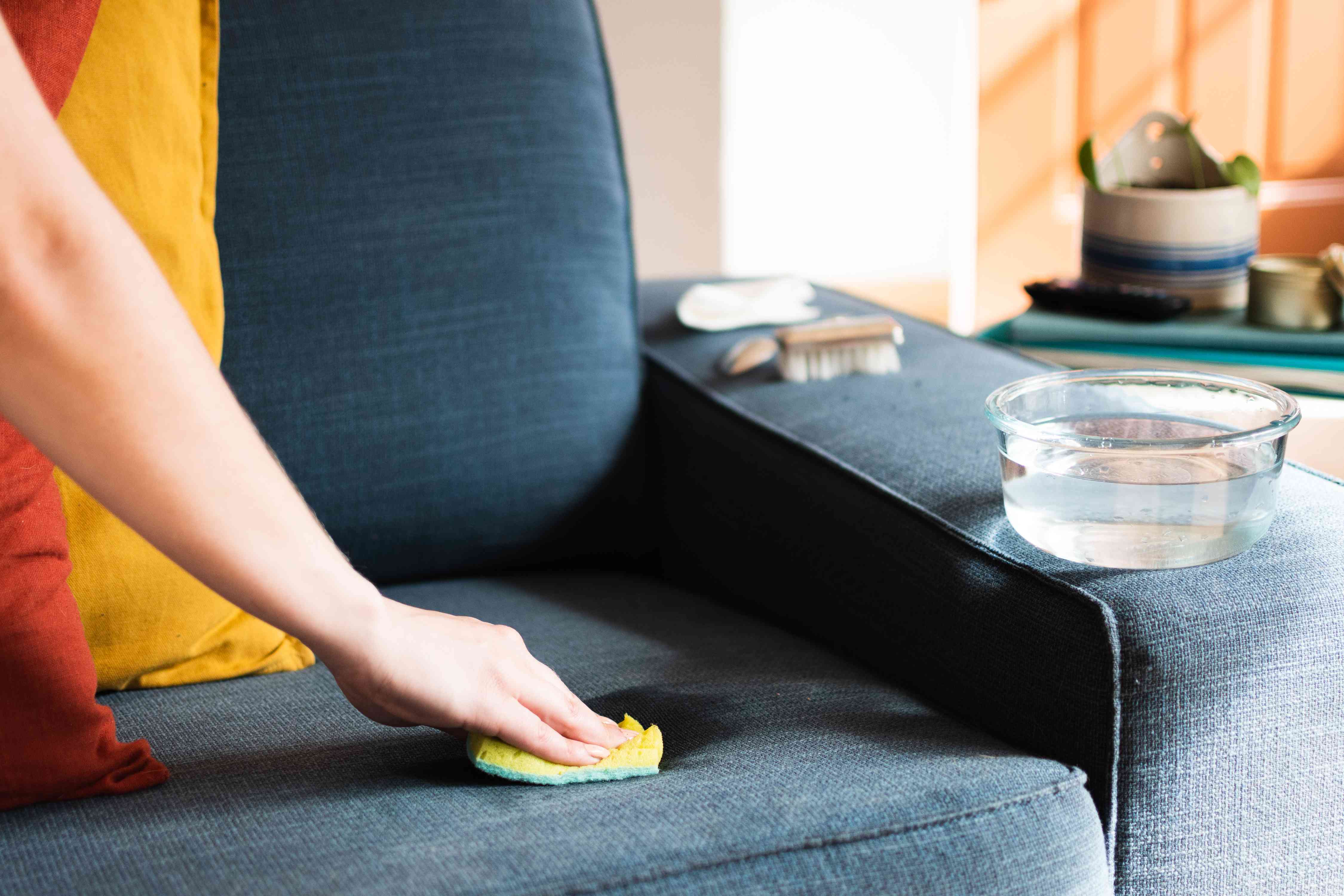
- Mix a small amount of clear, grease-cutting dish soap with cool water. Think a few drops in a bowl, not a bubble bath.
- Dampen a white cloth, wring it out well, and blot the fabric. Do not soak.
- Work in small sections. Arms, headrest areas, and cushion fronts are usually the worst.
- Rinse matters: Blot with a second cloth dampened with plain water to remove soap residue. Leftover soap can attract soil and hold odors.
- Blot dry with a towel, then ventilate with a fan to prevent water rings and mustiness.
Skip this step if your label is S or X, or if your fabric water-spots easily (hello, many rayons). In those cases, use a cleaner intended for your fabric code or call a pro.
Step 5: Treat food and protein odors
If the smell is coming from spills like milk, egg, meat drippings, or pet accidents, deodorizing alone is usually not enough.
- Use a fabric-appropriate enzyme cleaner (match it to your care code and spot test). Enzymes help break down odor-causing organic residue.
- Apply lightly, blot, and let it work for the recommended dwell time.
- Blot with a clean, slightly damp cloth if the product directions call for it, then dry quickly with airflow.
Do not combine enzyme cleaners with bleach. Also, avoid over-wetting. Deep moisture that cannot dry fast is the shortcut to a musty couch.
Step 6: Deodorize by absorption
Once you have removed particles and residue, deodorizing actually sticks. Here are options that play nicely with fabric.
Baking soda
- Lightly sprinkle baking soda over the sofa and cushions.
- Let it sit 8 to 12 hours (overnight is great).
- Vacuum thoroughly with your upholstery attachment.
Note: Baking soda is a fine powder. Vacuum slowly and use HEPA filtration if possible.
Activated charcoal
Activated charcoal can work beautifully for smoke and cooking odors because it adsorbs odor molecules. Results depend on airflow, the amount of charcoal, and time.
- Place charcoal bags or open containers near the sofa and behind it for several days.
- Replace or “recharge” bags according to the product instructions (some are meant to be set in the sun periodically).
Do not sprinkle loose charcoal directly on upholstery. It can stain and is annoying to remove.

Steam cleaning: when to use it
Steam can be wonderful for refreshing upholstery and loosening general grime, but it is not a magic eraser for every smell.
Steam helps when
- You have smoke or “stale room” odor after vacuuming and basic cleaning.
- The fabric is rated for water-based cleaning (W or WS), and you have spot tested.
- You can dry the piece quickly with airflow.
Steam is risky when
- You suspect protein-based spills or splatters. Heat can denature proteins and can make odors and stains harder to remove if you have not cleaned first.
- Your fabric label is S or X.
- Your room is humid and drying will be slow. Damp upholstery can create musty odors.
My rule: If you cannot dry it within a few hours with fans and ventilation, do not introduce more moisture.
Do not do this
- Do not soak cushions with sprays or “odor remover” mists. You can push odor deeper and invite mildew.
- Do not use strong solvents unless your fabric code and product instructions specifically support it.
- Do not cover odor with fragrance before you remove residue. It is a temporary truce, not a fix.
Foam inserts: the hidden odor source
Sometimes you wash the covers and the sofa still smells. That is often the foam inserts holding onto odor.
- If you can remove inserts, let them air out in a well-ventilated space.
- If appropriate for the material, sprinkle baking soda lightly on the foam, let it sit, then vacuum gently with an attachment.
- If the foam smells strongest deep inside and nothing improves after airing, replacement inserts can be the clean-slate solution.
Sunlight note: A little sun can help freshen some materials, but avoid long, harsh exposure that can degrade foam or fade fabric. When in doubt, stick to shade plus airflow.
Ozone machines: use caution
You will see ozone generators recommended for smoke odors, and yes, ozone can neutralize odors. But it comes with serious caveats, especially indoors.
- Ozone is hazardous to breathe and can irritate lungs. People and pets must be out of the space, and you must ventilate thoroughly afterward.
- Ozone can degrade rubber and some materials over time.
- Many rental situations make proper use difficult because you cannot fully isolate and air out the unit.
If smoke odor is severe enough that you are considering ozone, hire a professional odor remediation company and ask exactly how they will ventilate, manage safety, and protect materials.
Habits that prevent comeback odors
Odor removal is one thing. Odor prevention is where you get your peaceful, fresh home back.
During cooking
- Run the hood fan, even if it is loud and unimpressive.
- Put a lid on pans when frying.
- Open a window for 10 to 20 minutes while cooking, even in winter. A small crack helps.
Between deep cleans
- Vacuum upholstery weekly if you cook often.
- Keep a small charcoal bag tucked behind the sofa.
- Wash throw blankets and pillow covers regularly. They are the first place odors land.
For smoke exposure
- If smoke comes from outside or neighboring units, add a door draft stopper and a HEPA air purifier near the main source of air leaks.
- Wipe nearby hard surfaces (walls, side tables, lamp shades). Odor can bounce back from the room even if the sofa is clean.
When to call a pro
Sometimes odors are telling you the problem is bigger than the cushions.
- The smell returns within 24 to 48 hours after cleaning.
- You see visible soot or discoloration.
- The odor is strongest on the inside of cushions or deep in the frame.
- Your fabric is delicate, water-spot prone, or labeled S or X and you need more than vacuuming.
When you call an upholstery cleaner, ask:
- Do you use low-moisture methods for delicate fabrics?
- Can you treat smoke odors specifically, not just surface clean?
- How will you ensure fast drying to prevent mustiness?
Quick checklist
- Smells smoky: Ventilate + vacuum thoroughly + baking soda or charcoal + consider pro help for heavy smoke.
- Smells like fried food: Ventilate + vacuum thoroughly + grease-film cleaning (if fabric allows) + deodorize.
- Washable covers: Wash cool and gentle, skip softener, air-dry mostly.
- Food or protein odor: Enzyme cleaner (fabric-appropriate) first, then deodorize.
- Musty after cleaning: Too much moisture or too slow drying. Increase airflow and avoid re-wetting.
Your sofa should smell like fabric and sunlight, not last week’s stir-fry. Take it one layer at a time, and you will get there.