Remove Ketchup and Tomato Sauce From a Fabric Sofa

Clara Townsend
Clara Townsend is an interior stylist, vintage furniture enthusiast, and the creative voice behind Velvet Abode. With over a decade of experience transforming both cramped city apartments and sprawling fixer-uppers, she believes that a beautiful home is built on personal stories rather than massive budgets. When she isn't hunting for the perfect brass sconce at a local flea market, she can usually be found rearranging her living room for the third time this month.
Tomato sauce has a dramatic personality. It is oily, it is vividly pigmented, and it loves to settle into upholstery like it pays rent. The good news is you can usually get ketchup and marinara out of a fabric sofa at home if you move in the right order: blot first, dab with cold water using a damp cloth, then treat what remains without over-wetting the cushion.
Before you start: check the sofa care code
Find the tag under the seat cushion or along the bottom edge. That little letter matters because it tells you what the fabric can safely tolerate. Keep in mind that care codes can vary a bit by manufacturer, so if you have brand-specific cleaning instructions, those win.
- W: Water-based cleaners are generally safe.
- S: Solvent-based cleaners only. Avoid water-based cleaners unless the manufacturer says otherwise, because water can cause rings or dye bleed on some S fabrics.
- WS (or SW): Either water-based or solvent-based cleaners are acceptable. Still spot test.
- X: Vacuum only. No liquids. For tomato stains, call a pro upholstery cleaner.
Spot test anything you plan to use (even plain water) in a hidden area first. You are checking for color transfer, texture change, or a dark halo once it dries.
Removable covers?
If your cushion cover zips off, check its tag. If it is washable, you can often pre-treat the stain (gently, no scrubbing), then wash per the label. Air-dry unless the label allows heat. If the insert got wet too, still follow the upholstery steps below so you do not trap moisture inside the cushion.
What you need (keep it simple)
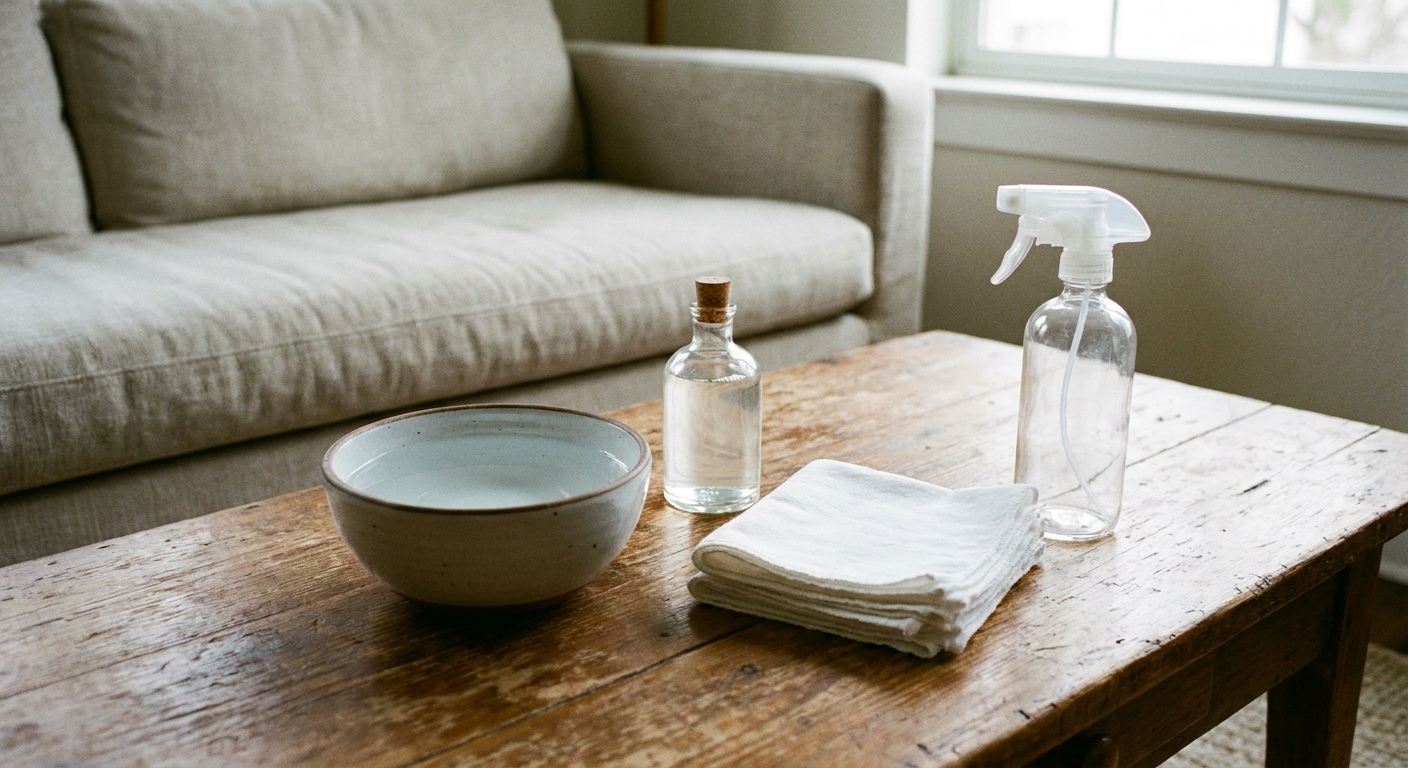
- White cloths or plain white paper towels
- A dull spoon or butter knife (for lifting solids)
- Cold water
- Spray bottle or small bowl
- Mild dish soap (clear if possible)
- Optional: upholstery-safe enzyme cleaner (helps with food residues)
- Optional: oxygen bleach powder (sodium percarbonate) for W or WS fabrics
- Fan or hair dryer on cool
Fresh ketchup or tomato sauce: the 10-minute save
1) Lift solids, then blot without grinding
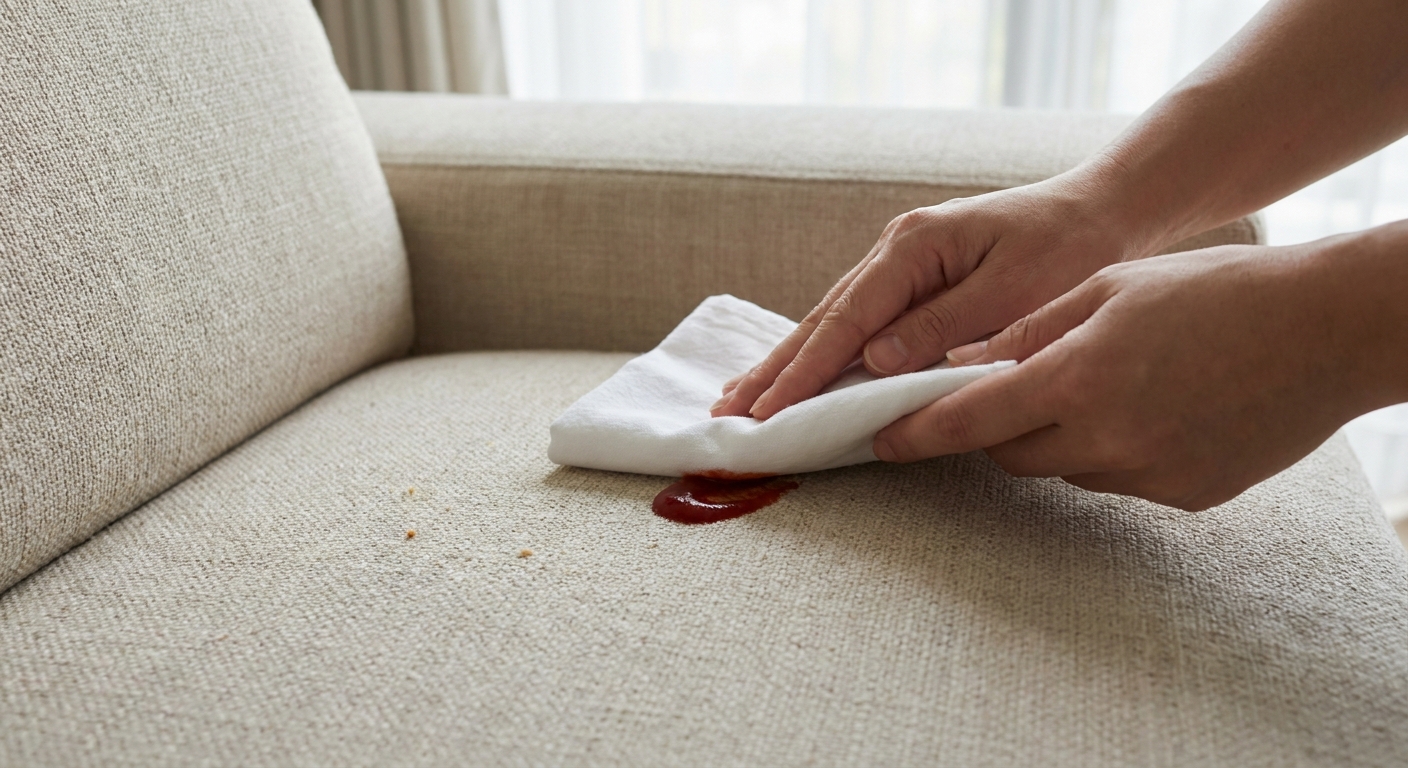
If there is a blob of sauce, gently scoop it up with a spoon. Then blot with a clean cloth, pressing straight down and lifting. No rubbing. Rubbing is how red pigment and oil get pushed deeper into the weave.
2) Cold-water passes (the “dab, then blot” rhythm)
Lightly dampen a cloth with cold water and dab from the outside of the stain toward the center. Follow with a dry cloth to blot. Repeat several cycles. You are trying to move the stain out, not create a wet circle around it.
Why cold water? Heat can make oily stains spread and can make lingering color harder to remove on many fabrics. So stay cool and patient.
3) Add a tiny bit of soap for the oily component
Mix 1/2 teaspoon mild dish soap into 1 cup cold water. Dampen a cloth with the solution (do not pour it on the sofa), then dab and blot. Keep switching to clean sections of cloth.
If your upholstery is delicate or you are seeing residue, use less. A few drops of soap in a cup of water is often plenty.
4) Rinse lightly, then dry quickly
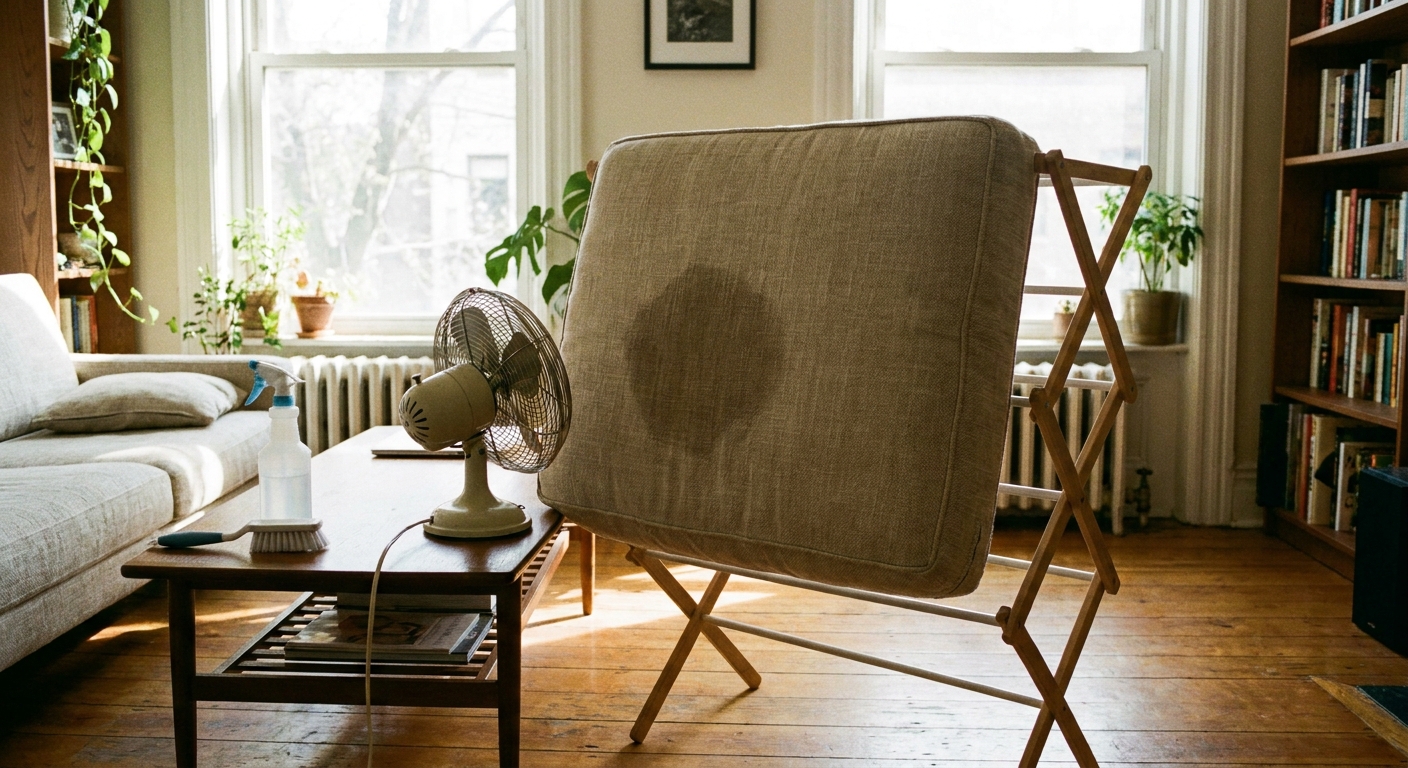
Go back with a cloth dampened with plain cold water to remove soap residue. Finish by blotting dry, then aim a fan at the spot until fully dry. Fast drying is your best defense against water rings.
Set-in tomato stains: when the red shadow won’t quit
If the stain has dried or you are seeing a pinkish cast after cleaning, you need a second stage that targets what is left behind while staying fabric-safe.
Option A: Enzyme cleaner (good for residue)
An upholstery-safe enzyme cleaner can help break down food residues (like sugars and other leftovers) that tomato sauces can leave behind. Spray lightly per label instructions, allow a short dwell time, then blot. Do not oversaturate the cushion.
Note: enzymes may not fully remove the red pigment on their own. If the stain is mostly “pink dye” at this point, oxygen cleaner (if allowed) is often the better next step.
Option B: Oxygen cleaner (for W or WS fabrics only)
Oxygen bleach (sodium percarbonate) is often effective on tomato staining, but upholstery dyes and finishes vary widely, so treat this as a careful, test-first option.
- Confirm your fabric is W or WS and spot test for colorfastness.
- Mix a small batch with cool water according to the product directions.
- Apply sparingly with a cloth to the stained area only.
- Let it sit briefly, then blot with a clean damp cloth to remove residue.
- Dry thoroughly with airflow.
Cautions: Oxygen cleaners can lighten some dyes and can disrupt certain finishes. Always spot test and check any manufacturer guidance you have. Avoid on S code fabrics.
If the stain is gone but a ring appears
A water ring usually means the area dried unevenly. Lightly dampen a slightly larger area around the spot with plain water (think: a soft feathered edge), then blot and dry with a fan. The goal is an even fade-out, not a hard outline.
Care-code branches: what to do if your tag says S
If your sofa is S code, skip DIY soap-and-water steps unless your manufacturer specifically allows controlled water cleaning. Water can create rings and can pull dye, especially on certain weaves and performance finishes.
- Blot and lift solids as usual.
- Use a dry-cleaning solvent upholstery cleaner labeled for S fabrics.
- Work in small amounts, blotting often.
- Ventilate well and keep products away from flames or heat sources. Many solvents are flammable.
- If the stain has spread or the cushion looks uneven, it is usually worth calling a professional before you chase it further.
Special note: performance fabrics
Microfiber and performance fabrics (including Crypton-style textiles) often have specific cleaning rules that do not match generic advice. If you know your fabric brand, follow its instructions first. Even then, the same basics apply: blot, use minimal liquid, and dry fast.
What not to do
- Do not use hot water on tomato sauce stains.
- Do not use at-home steamers or heat tools on the stain unless the fabric and method are specifically approved. Pros may use controlled heat with extraction on some fabrics.
- Do not scrub with a brush or rough sponge. It can fray fibers and lock in pigment.
- Do not use chlorine bleach on upholstery unless the manufacturer explicitly allows it.
- Do not soak the cushion. Deep moisture can cause rings, odor, or mildew.
- Do not mix cleaners (especially anything with bleach and anything with ammonia). Keep it simple and safe.
Quick troubleshooting
The stain is lighter, but still pink
That is usually pigment left behind. Enzyme cleaner can help with residue, but for lingering pink, oxygen cleaner (if your fabric code allows it) is often more effective.
The spot looks clean, but it feels stiff
That is often soap residue. Lightly rinse with a cloth dampened in plain cold water, blot, then dry with airflow.
The stain spread outward
Too much liquid too quickly. Stop adding cleaner, blot what you can, then feather the dampness outward with minimal plain water and dry evenly with a fan.
The fabric looks a little fuzzy after blotting
Once fully dry, lightly vacuum the area with a soft brush attachment to lift the nap and restore texture, especially on microfiber.
When to call a pro
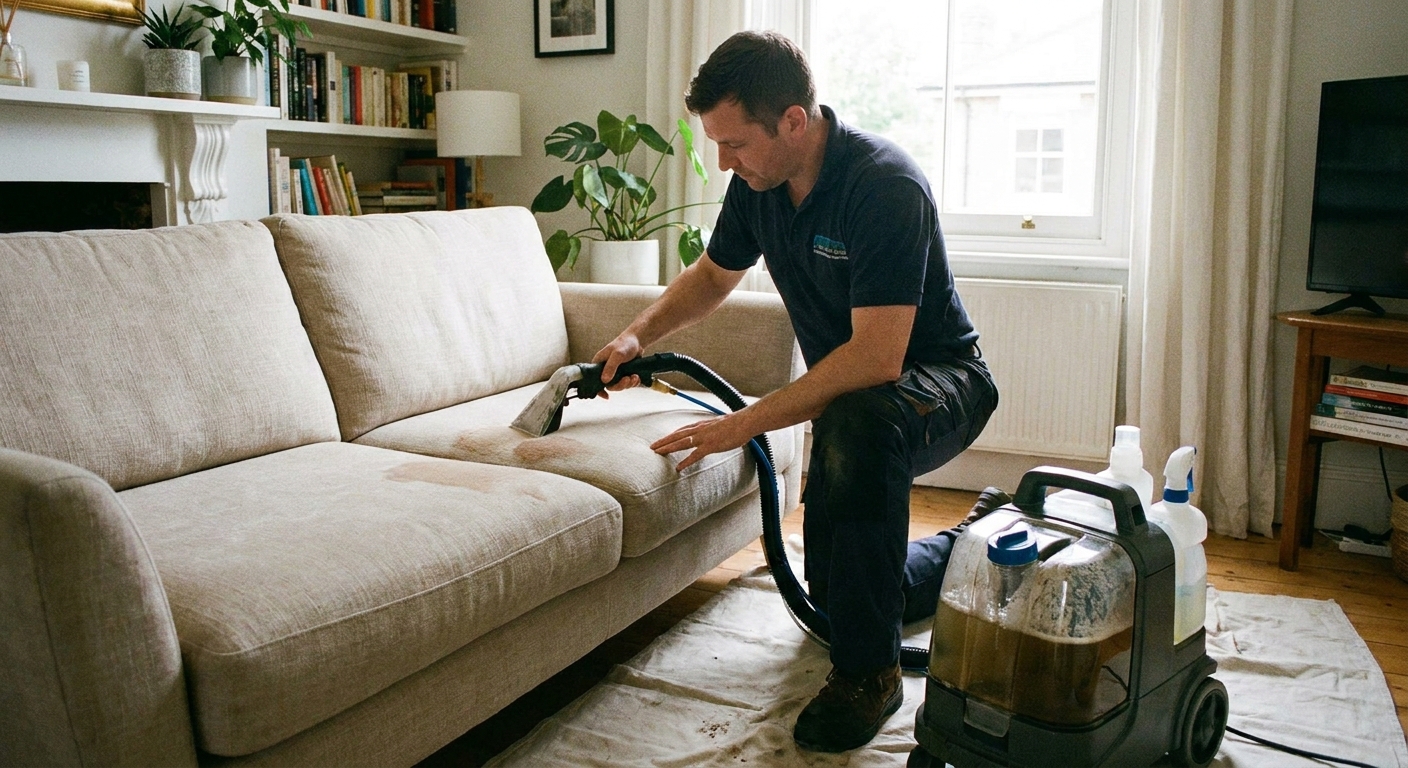
If the sofa tag says X, if the stain is on a delicate fabric (like silk blends), if the cushion is saturated, or if the stain is old and widespread, a professional upholstery cleaner can often remove pigment more evenly without leaving rings. Sometimes the most budget-friendly move is avoiding the trial-and-error spiral.
My favorite tiny habit
Keep two clean white cloths tucked in a drawer near the living room. One for blotting, one for drying. It is such a small thing, but when ketchup hits linen-look upholstery, having the right cloth within ten seconds feels like a superpower.
If you remember only one rule: blot patiently, stay cold, and dry fast. Tomato stains hate a calm, consistent routine.