Recliner Grinding or Clicking? Safe Checks Before You Lubricate

Clara Townsend
Clara Townsend is an interior stylist, vintage furniture enthusiast, and the creative voice behind Velvet Abode. With over a decade of experience transforming both cramped city apartments and sprawling fixer-uppers, she believes that a beautiful home is built on personal stories rather than massive budgets. When she isn't hunting for the perfect brass sconce at a local flea market, she can usually be found rearranging her living room for the third time this month.
A recliner that suddenly starts grinding, clicking, or clunking can feel like a tiny jump scare every time you lean back. The good news is that most noises have an ordinary cause, like a dry pivot, a loose bolt, or something as silly as a coin wedged in the mechanism. The downside is that lubricating too fast can hide a bigger problem, attract grit, or in the case of power recliners, put you too close to pinch points while the chair is still live.
Let’s walk through safe checks first, then lubrication only if it actually makes sense.
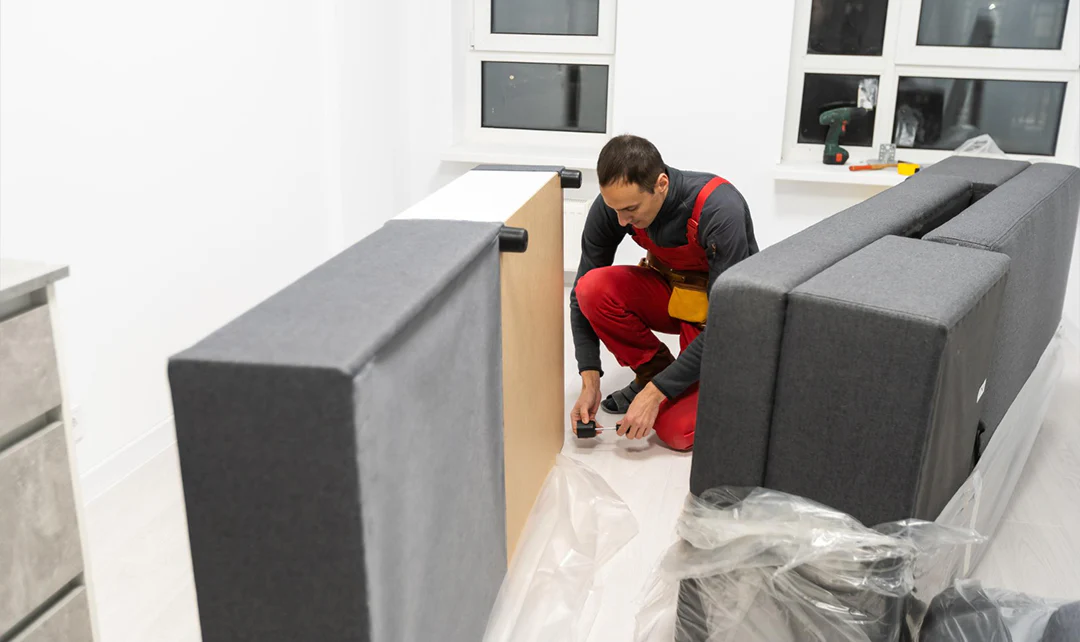
First, check your manual
If you still have the manual (or can find it by searching your model number), give it a quick skim before you touch anything. Some brands call out specific lubrication points, approved lubricants, and do-not-adjust areas. If your recliner is under warranty, this is also your sign to avoid disassembly that could void coverage.
Safety first
If it is a power recliner
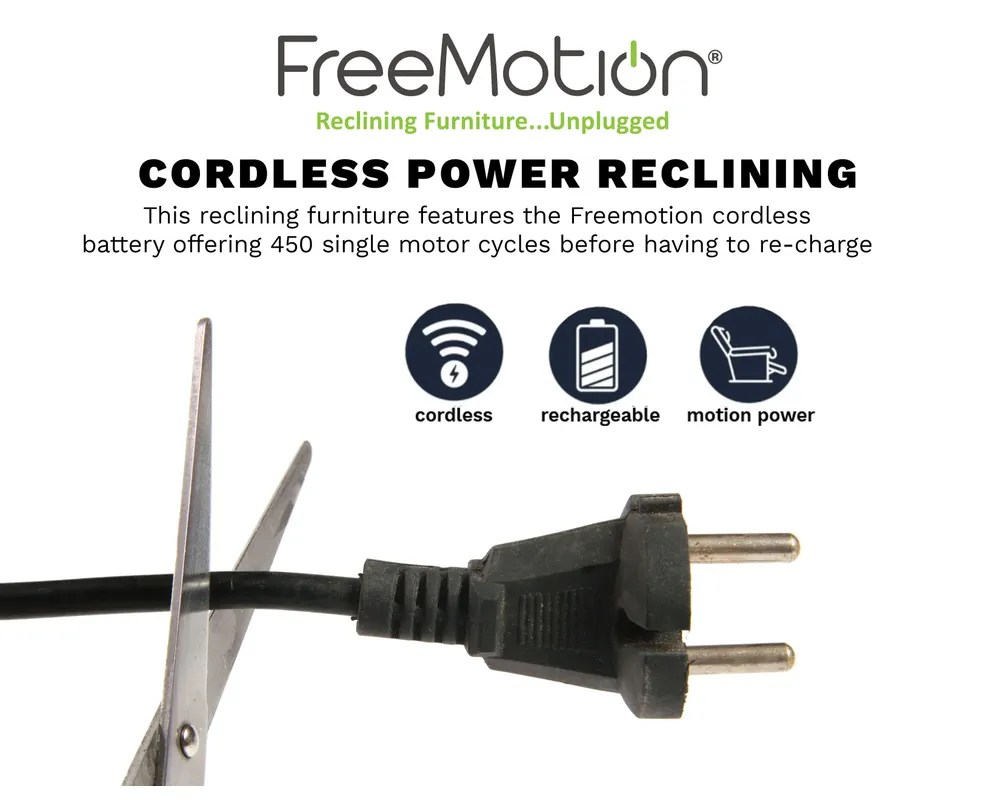
- Unplug it from the wall before you put your hands anywhere near the mechanism.
- If it has a battery backup pack, disconnect the battery pack too.
- With it unplugged, press and hold the recline button for a few seconds to help release any stored charge if your model allows. Some models may retain a small charge briefly.
If it is a manual recliner
- Keep kids and pets out of the area.
- Wear snug gloves if you want, but keep them thin enough that you can still feel edges and gaps.
- Move slowly and assume every joint is a pinch point because it is.
How to access the underside safely
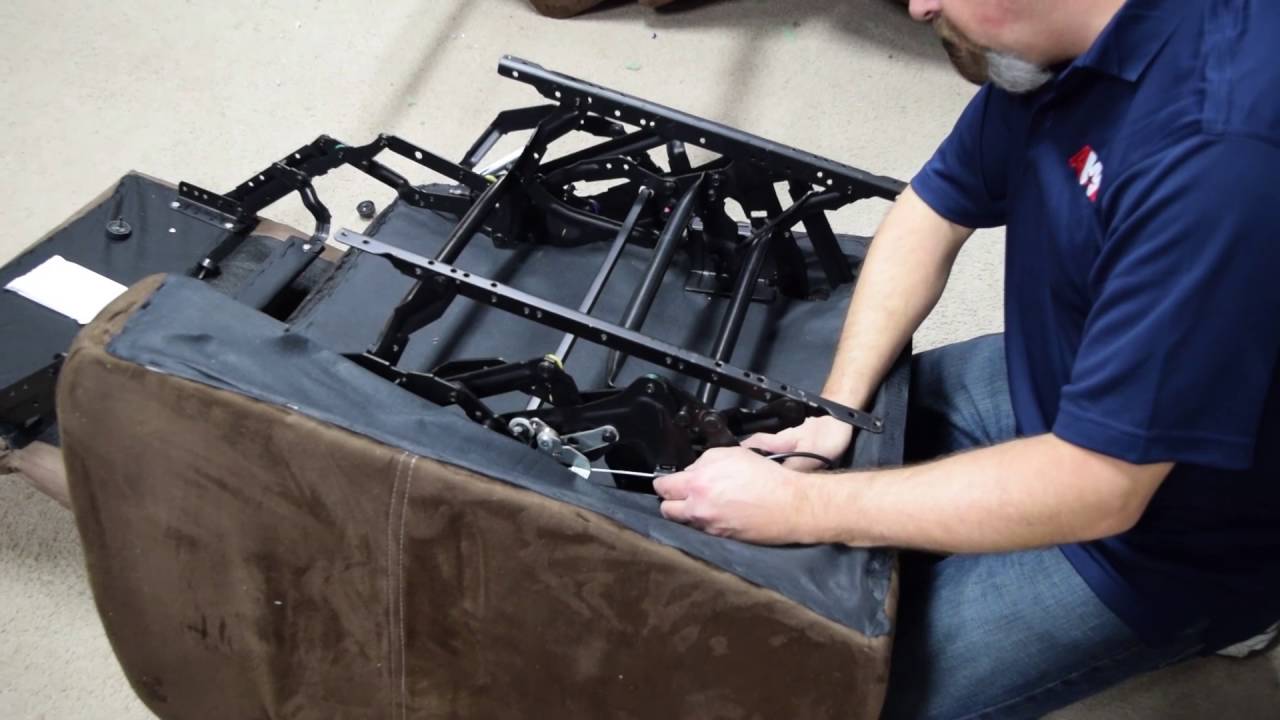
- Tip, do not wrestle. If you can, tip the recliner forward onto a thick blanket or towel so the back faces up and the underside is easier to see.
- Get a helper for heavy chairs. Power recliners can be awkward and heavier than they look, especially with a motor and frame hardware.
- Keep it stable. If it feels tippy, stop and reposition. The goal is “secure and boring,” not “balanced like a circus act.”
Tip from one rearrange-happy homebody to another: that blanket or thick towel protects floors and keeps you from chasing the recliner across the room mid-inspection.
Pinch points to respect
Recliners have scissor mechanisms and linkages designed to move with force. Where parts cross, fold, or slide, fingers can get caught.
- Keep hands out of the scissor mechanism opening while moving the chair.
- Do not test a power recliner while your fingers are near the motor, gearbox, or linkage.
- If you must steady a part to locate the sound, use a wooden spoon handle or a blunt dowel, not your fingertips.
If anything looks bent, cracked, or severely out of alignment, stop. Forcing motion can make a small problem a bigger one very fast.
What the noise means
Different sounds tend to point to different culprits. This is not perfect science, but it helps you narrow the search before you start spraying anything.
Clicking
- A loose fastener (bolt, nut, or screw) that shifts under load
- A worn latch or pawl in the locking mechanism
- A cable or handle assembly that is slightly out of alignment
Grinding
- Metal-on-metal contact at a pivot point that is dry or dirty
- Debris in the track, scissor mechanism, or glide channel
- A bent linkage rubbing where it should not
Clunking or popping
- A joint that is binding, then releasing suddenly
- A cracked plastic bushing or spacer
- Frame movement from loose hardware or a weakening wood rail
Squeaking (the honorable mention)
- Seat springs rubbing
- Wood joints shifting, especially in older frames
- Mechanism points that need a small amount of the right lubricant
Checks before lubricant
1) Rule out nearby culprits
Recliners are famous for taking the blame for things that are nearby.
- Check the chair is not rubbing the wall, baseboard, or a side table as it reclines.
- Look for a rug edge or tassel catching under the base.
- If it is a rocker recliner, make sure the front legs are flat and not teetering on an uneven spot.
2) Do a slow-motion test
With power recliners unplugged and manual recliners controlled slowly, move the chair through its range in small increments. Your goal is to identify when the noise happens.
- Only when the footrest opens
- Only near fully reclined
- Only when returning upright
- Only when weight shifts left or right
That timing tells you where to look, and it helps you avoid randomly lubricating every moving part like you are seasoning a cast iron skillet.
3) Look for shiny rub marks
Grinding often leaves clues. Scan the metal mechanism for:
- Bright, newly shiny spots where two pieces are scraping
- Metal dust or black smudging near a joint
- Misaligned linkage arms that look slightly twisted compared to the other side
4) Clear debris
This is the “you will not believe what I found” step.
- Use a vacuum hose with a crevice tool to remove crumbs, pet hair, and grit.
- For stubborn gunk, wipe accessible areas with a slightly damp cloth, then dry fully.
- Avoid soaking anything. Moisture plus dust turns into paste, and paste plus motion becomes grinding.
5) Tighten loose hardware
Many clicks are simply hardware shifting under load. With the chair stable and unplugged if powered:
- Check accessible bolts and nuts on the mechanism, handle, and frame connection points.
- Tighten snugly, not aggressively. Overtightening can strip threads or crush wood.
If you find a bolt that will not tighten and just spins, that is a repair flag, not a lubricant moment.
6) Check cables, springs, and the handle
- For manual recliners, look at the release cable for fraying, kinks, or a loose housing.
- Check springs for stretching, gaps, or shifting hooks.
- Make sure the handle returns smoothly and is not scraping the side panel.
If you lubricate
After you have checked for debris, tightened hardware, and identified a likely friction point, lubrication can be the fix. The key is using a lubricant that suits furniture mechanisms and does not create a sticky dust magnet.
Best options
- Manufacturer-approved lubricant if your recliner manual specifies one.
- Silicone spray for many sliding contact points and light mechanisms, applied sparingly.
- White lithium grease for metal pivots and heavier load points, in a thin layer.
When food-grade matters
Food-grade is mainly about incidental contact safety, not indoor air. If your recliner sits where snacks happen, little hands touch everything, or you just want a lower-toxicity option for peace of mind, a food-grade silicone lubricant can be a comfortable preference. It is not required for most recliners, but it is a reasonable choice in busy households.
Avoid these mistakes
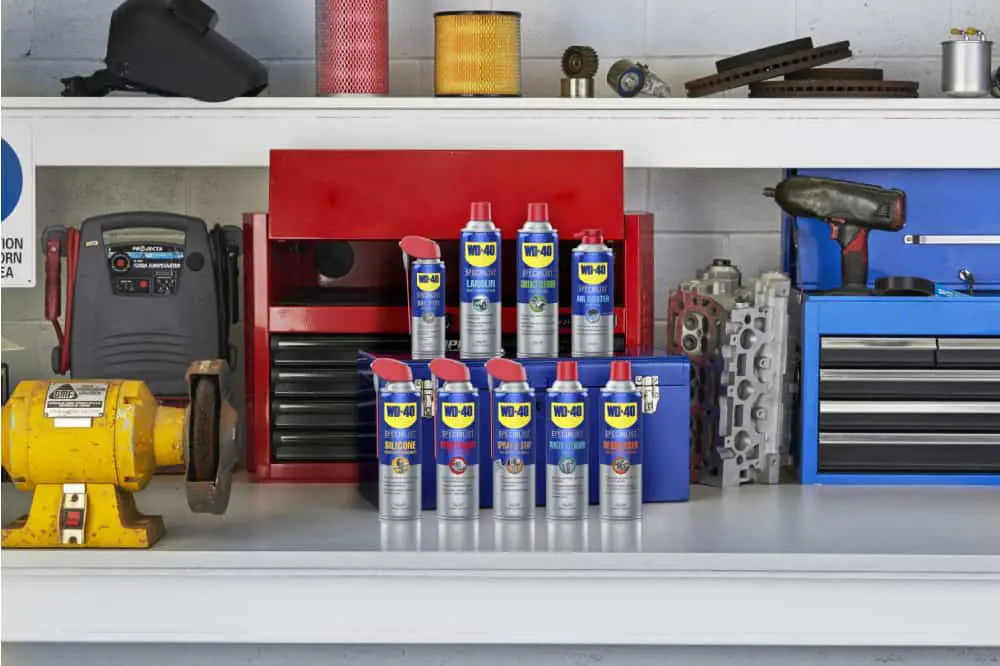
- WD-40 as the final solution: it is great as a cleaner and water-displacer, but it is not a durable lubricant under load. It can quiet things briefly, then the noise returns as the light film dries out or gets pushed aside.
- Heavy oil that drips: it travels, stains fabric, and attracts dust.
- Over-lubricating: more is not better. It turns into grime paste over time.
Where to lubricate
Good candidates
- Pivot points where a pin or bolt acts like a hinge
- Sliding tracks that show rub marks and have been cleaned of grit
- Scissor joints where two arms rotate against each other
Usually skip
- Upholstery and wood near the mechanism (risk of staining)
- Electrical parts like the motor housing, control box, and connectors
- Locking or braking surfaces if present, where friction is part of the function (check your manual if you are unsure)
Apply it cleanly
- Put a towel under the mechanism area.
- Apply a small amount directly to the suspected point.
- Work the chair slowly through a partial cycle to distribute.
- Wipe away any visible excess immediately.
After you lubricate
- Cycle the recliner through several slow, controlled movements to spread the lubricant.
- Wipe overspray and any squeeze-out again, especially near fabric and rugs.
- Let it sit a few minutes, then test with normal use. If the noise is unchanged, stop spraying and go back to inspection.
Red flags
Some sounds are warning bells. Stop and call the manufacturer, retailer, or a furniture repair tech if you notice:
- Grinding with resistance, where the chair feels like it is struggling to move
- Repeated loud popping like something is snapping into place
- Visible bending of linkage arms, brackets, or tracks
- Cracked welds or separated joints in the metal mechanism
- Wood frame cracking sounds, especially near armrests or seat rails
- Motor straining, humming without movement, or intermittent motion (power recliners)
- Burning smell, heat from the motor area, or frayed wires
If your recliner is under warranty, document the issue early with a quick phone video. Recline slowly, capture the sound, and show the underside if you can do it safely.
Noise triage checklist
- Check your manual for approved lubricants and service notes.
- Unplug power recliners and disconnect battery packs.
- Keep hands clear of pinch points and stabilize the chair before inspecting.
- Move the chair slowly and note when the noise occurs.
- Check for wall, rug, or table rubbing.
- Vacuum debris from the mechanism and tracks.
- Look for shiny rub marks and metal dust.
- Tighten accessible hardware.
- Lubricate only the likely friction points, sparingly, using silicone spray or white lithium grease, or a manufacturer-approved option.
- Stop for bent parts, resistance, or electrical smells.
A cozy closing note from Velvet Abode
I love a vintage find as much as anyone, but recliner mechanisms are not the place to just wing it. A few calm checks in good light can save you from a greasy mess and help you catch problems early. Once your chair is moving quietly again, you get back what a recliner is supposed to give you: that soft, low-stress exhale at the end of the day.
If you want, tell me whether yours is manual or power, and when the clicking happens. I can help you narrow down the most likely spots to inspect.