Pink or Black Slime in the Toilet Bowl

Clara Townsend
Clara Townsend is an interior stylist, vintage furniture enthusiast, and the creative voice behind Velvet Abode. With over a decade of experience transforming both cramped city apartments and sprawling fixer-uppers, she believes that a beautiful home is built on personal stories rather than massive budgets. When she isn't hunting for the perfect brass sconce at a local flea market, she can usually be found rearranging her living room for the third time this month.
There is a specific kind of bathroom panic that hits when you lift the lid and see it: a pink ring hugging the waterline or a black, slippery film clinging to the bowl. It looks dramatic, it feels unhygienic, and it has a way of returning right when you thought you were on top of your cleaning routine.
The good news is that most of the time, this is not a mystery stain. It is usually either mineral buildup from hard water or a biofilm, which is a thin, clingy layer of microbes that sticks to damp surfaces. Either way, it is very fixable with the right approach.
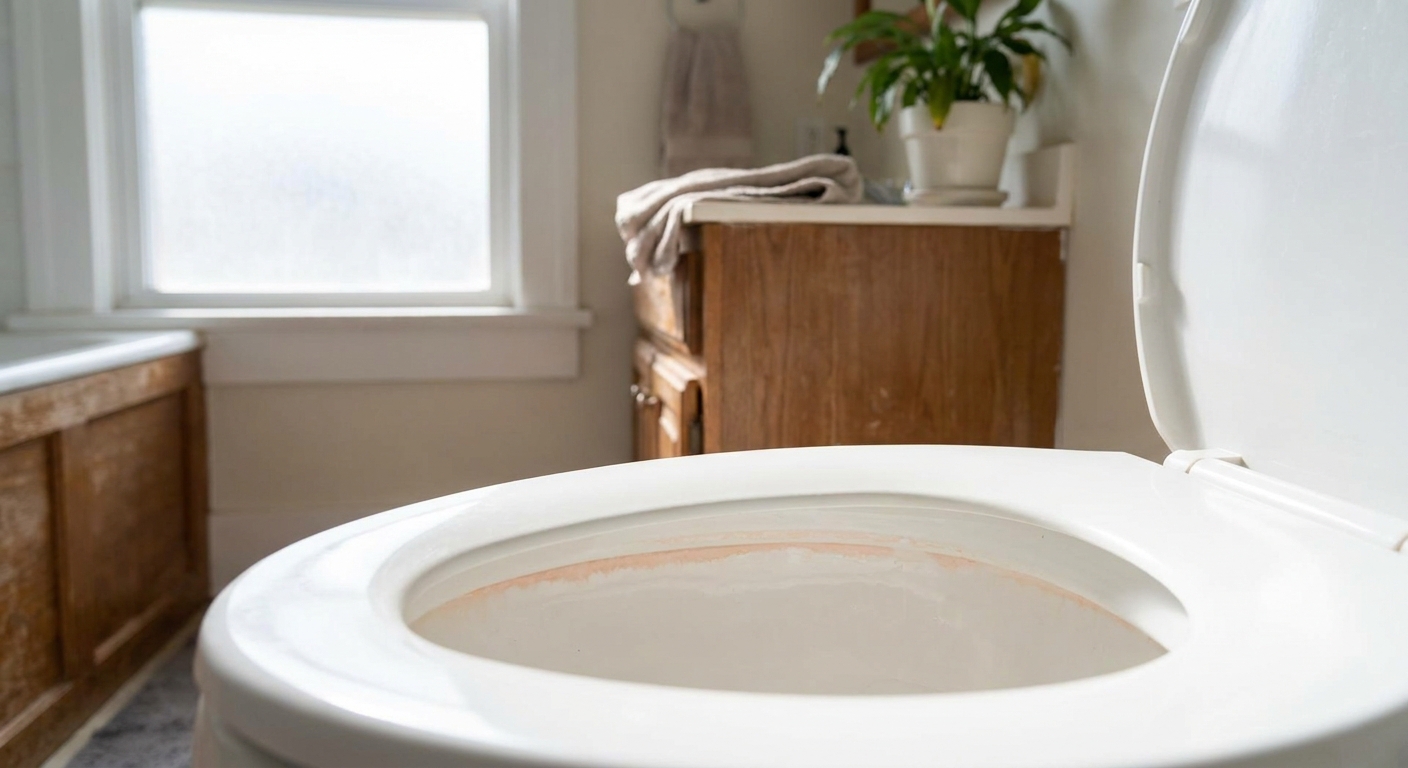
Below, I will help you tell the difference between hard water staining and pink or black biofilm, then walk you through safe, finish-friendly cleaning steps, plus prevention habits that do not rely on bleach every week.
First, is it slime or a stain?
This matters because a mineral stain and a living film behave differently. One needs acid to dissolve it. The other needs mechanical scrubbing plus a disinfecting step to break up the film and keep it from bouncing back.
Hard water stains (mineral buildup)
- Color: often orange, rust, tan, gray, or greenish.
- Texture: feels rough, crusty, or chalky, especially under the rim or at the waterline.
- Clue: shows up anywhere water sits and evaporates, like the bowl, showerhead, and faucet aerators.
- Best cleaners: acids like citric acid or vinegar, and products formulated for limescale.
Pink slime or film (biofilm)
- Color: pale pink, salmon, or orange-pink.
- Texture: slippery, gel-like, wipes off in streaks.
- Clue: also appears on shower curtains, grout lines, and around drains.
- What it is: often associated with Serratia marcescens (a common bathroom bacterium), though other microbes can look similar. You cannot confirm the exact organism without testing.
- Why it happens: dampness plus low airflow plus residues (soap, body oils, sometimes minerals) create a cozy landing pad.
Black film (biofilm or mineral staining)
- Color: dark gray to black.
- Texture: can be slimy or smudgy (biofilm), or rough and gritty (minerals).
- Clue: often worse under the rim, on the waterline, and in bathrooms with poor ventilation. But black discoloration can also be iron or manganese staining in some water supplies.
- What it means: If it smears and feels slick, treat it like biofilm (scrub plus disinfect). If it does not smear and feels gritty, treat it like minerals (acid cleaner).
Quick at-home test: Put on gloves and swipe the area with a piece of toilet paper. If it smears and feels slick, think biofilm. If it feels gritty and does not really smear, think mineral stain.
Is pink slime dangerous?
In most households, pink film in the toilet bowl is linked to bacteria and other microbes that thrive in damp environments, often discussed as Serratia-related biofilm. For healthy people, it is usually more of a cleanliness issue than an emergency, but you still want to remove it because:
- Biofilm can harbor germs and odors.
- It can spread to other wet areas like shower corners and sink drains.
- It tends to return faster if you only rinse it away without scrubbing.
If anyone in your home is immunocompromised, has open wounds, or is recovering from illness, it is wise to be more strict about disinfection and hand hygiene during cleaning. When in doubt, check with a medical professional for personal guidance.
Safe cleaning supplies
You do not need a chemical cocktail. You need the right tools and one main cleaner, used correctly.
Grab this first
- Rubber gloves and good ventilation
- Eye protection if you are using anything that can splash
- Toilet brush plus an old toothbrush or small detail brush (for under the rim)
- Microfiber cloths or paper towels
- One disinfecting cleaner (choose one option below)
Cleaner options (often septic-friendly)
Most septic systems can handle normal, label-directed use of common bathroom cleaners, but avoid overuse and never dump large quantities of harsh chemicals down drains. If your septic service provider has specific rules, follow those.
- Hydrogen peroxide (3%): a solid option for routine disinfection in many homes.
- Oxygen bleach (sodium percarbonate) products: often used as soaking or bowl cleaners.
- Registered disinfectant: follow the label for contact time (this is key for biofilm). In the US, look for an EPA-registered disinfectant. Elsewhere, choose a disinfectant registered by your local authority and use the label directions.
Material note: Always check manufacturer guidance for your toilet finish and any nearby materials. Acid cleaners can damage natural stone (like marble) and some metals if splashed. Abrasives can scratch glazed porcelain, and scratches give grime and biofilm more places to cling later.
Rental note: If you are renting, avoid abrasive powders and pumice stones unless you know the bowl is safe for it. If you do use a pumice stone, use it only on porcelain, keep it wet, and use a very light touch.
Important: Never mix bleach with vinegar, ammonia, or many toilet bowl cleaners. Stick to one product at a time, rinse well between steps, and ventilate.
How to clean pink or black film
This is the method I use when I want results without slowly destroying fixtures. Think: loosen, scrub, disinfect, then prevent.
Step 1: Ventilate and protect
Open a window or run the fan. Put on gloves. If you are using a product that can splash, add eye protection. Biofilm is not the time for bare hands, even if you are just doing a quick wipe.
Step 2: Lower the water level (optional but helpful)
If the ring is right at the waterline, you will get better cleaner contact if the bowl water is lower. You can plunge to move water out of the bowl, scoop or bail a bit of water into a bucket, or turn off the water supply and flush once.
Step 3: Scrub to break the film
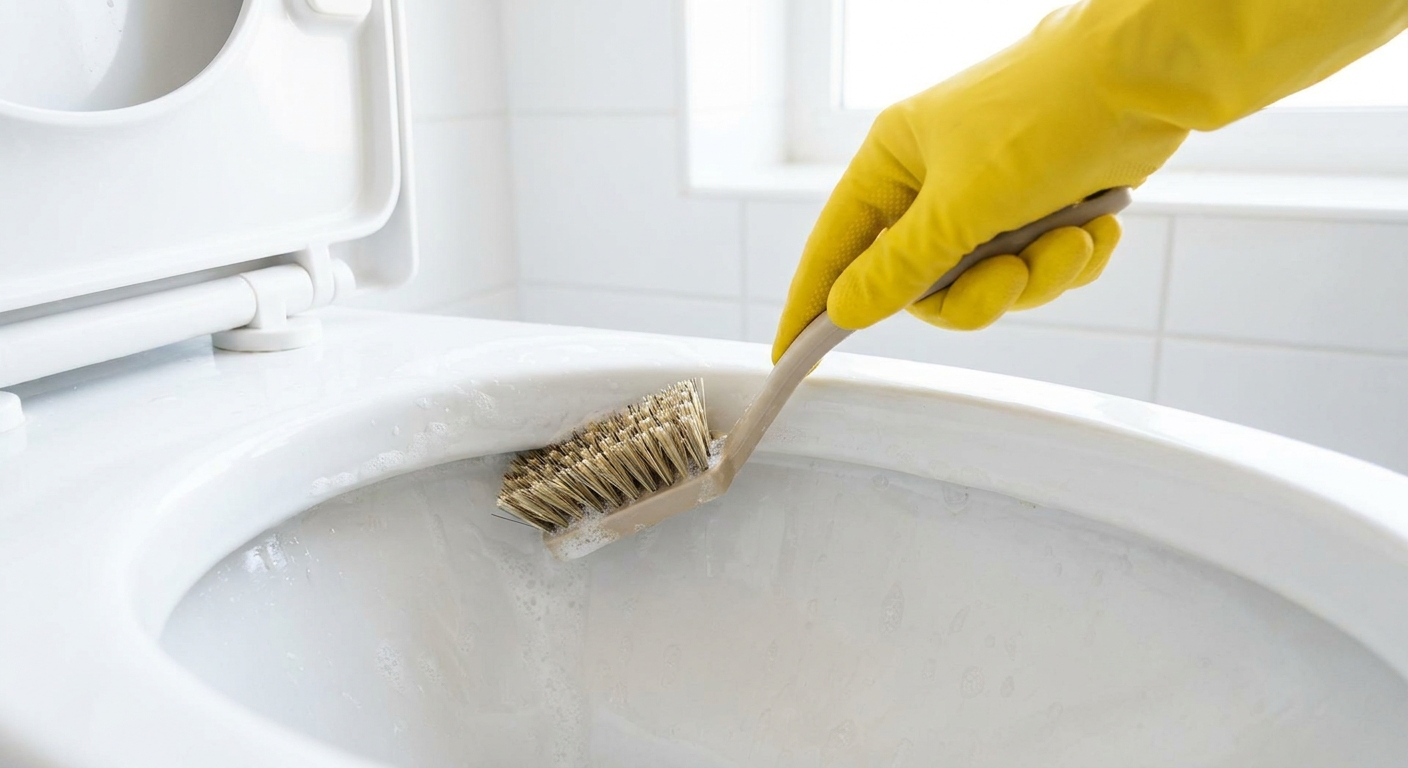
Apply your cleaner around the bowl and under the rim. Use the toilet brush to scrub thoroughly, then use a small detail brush under the rim where film loves to hide.
Biofilm has structure. The scrubbing step is what breaks its grip so your disinfectant can actually reach what is underneath.
Step 4: Let it sit (contact time matters)
Follow the product label for contact time. Many disinfectants need several minutes on the surface to work. If you scrub and flush immediately, you are not giving the product time to do its job.
Step 5: Flush and wipe high-touch areas
Flush, then wipe the seat hinges, handle, and the outside base of the toilet with the same disinfectant (or a disinfecting wipe). Pink and black films are not always just in the bowl.
What if it keeps coming back?
If your toilet looks clean and then the pink or black film returns quickly, the bathroom is giving you a few hints.
Check ventilation
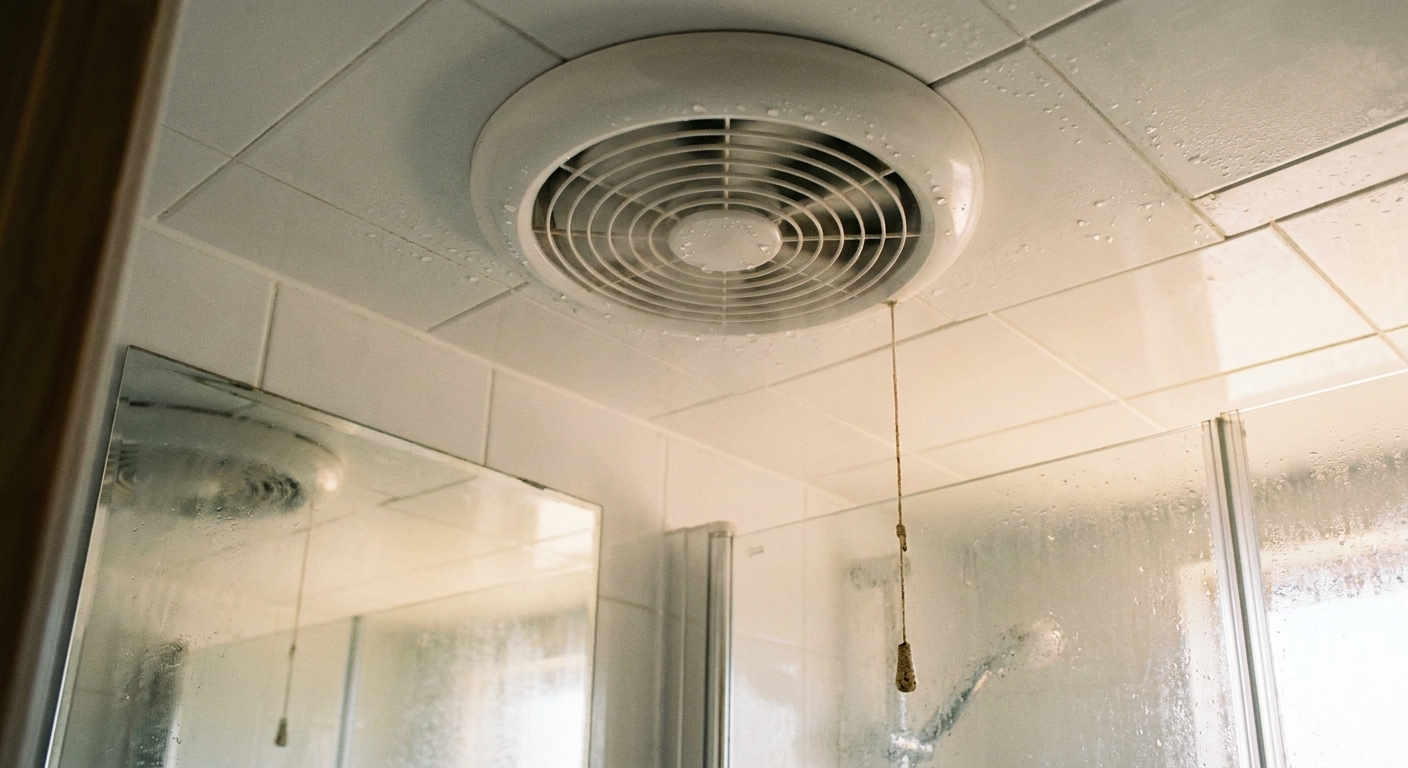
- Run the fan during showers and for 20 minutes after.
- If there is no fan, crack a window or leave the door open to move humid air out.
- Consider a small dehumidifier if the bathroom stays damp for hours.
Wash mats and towels more often
Bath mats are basically moisture sponges. If they stay damp, they can contribute to a constantly humid, microbe-friendly room.
- Hang mats to dry daily if possible.
- Wash mats and towels at least weekly, more often in humid seasons or busy households.
- Avoid leaving wet towels in a heap on the floor.
Clean the hidden source zones
- Under the rim: prime real estate for black film.
- Toilet brush holder: rinse the brush, then let it dry as much as possible. Clean the holder regularly.
- Tank and flapper (if you see buildup there): a dirty tank can reseed the bowl. If you are comfortable opening the tank, keep it gentle. Avoid abrasive pads and avoid soaking rubber parts (flapper, seals) in strong disinfectants. Many manufacturers also advise against in-tank tablets and harsh in-tank cleaners, so check your toilet manual. If you rent, ask before doing anything beyond basic cleaning.
Also check for leaks or sweating: A constantly running toilet, a slow leak, or a tank that sweats with condensation can keep things damp and speed up repeat growth.
Bleach: when to use it
Bleach works, but it is not always the kindest long-term habit for finishes and components.
Skip routine bleach if
- You have older rubber parts and you notice frequent flapper wear or leaks.
- Your bathroom has delicate finishes nearby that you do not want splashed or faded.
- You are already using other strong cleaners and want to avoid accidental mixing.
Use bleach thoughtfully
- Use it occasionally, not as an everyday crutch.
- Never mix it with other cleaners.
- Ventilate well and follow the product label.
- Avoid putting bleach or tablets in the tank unless the toilet manufacturer says it is safe.
If you want a gentler routine, consistent scrubbing plus peroxide or an oxygen-based cleaner often keeps biofilm from taking hold in the first place.
Prevention routine
The goal is not perfection. It is removing the conditions that let slime get comfortable. If your bathroom is humid, you have kids, or the toilet gets heavy use, you may simply need to do the quick steps more often.
Twice a week (5 minutes)
- Quick brush the bowl, including under the rim.
- Flush and swish the brush in clean water.
- Let the brush dry as much as possible before putting it away.
Weekly (10 to 15 minutes)
- Disinfect the bowl and high-touch exterior areas.
- Swap hand towels and wash bath mats.
- Wipe down damp-prone edges like around the toilet base and nearby floor.
Monthly
- Deep clean under the rim with a detail brush.
- Check for slow leaks or constant running water, which can contribute to buildup and odors.
Think of it like styling a room: the magic is in the small resets that keep everything feeling fresh, not in a once-a-year overhaul that leaves you exhausted.
When to call a pro
Call a plumber or property manager if you notice any of the following:
- Persistent black growth that returns within a day or two despite thorough cleaning
- Soft or crumbling caulk, water damage, or a musty odor that will not quit
- A constantly running toilet, frequent clogs, or signs of a leak at the base
- You suspect a larger mold problem outside the toilet bowl
A toilet bowl film is common. Ongoing moisture problems are the real issue to solve.
Quick FAQ
Can I use vinegar for pink slime?
Vinegar is great for mineral deposits, but biofilm usually needs a disinfecting step plus scrubbing. You can use vinegar to remove scale first, rinse well, then use a disinfectant.
Will toilet tablets stop it from coming back?
Some in-tank tablets can be hard on rubber parts over time and may cause premature wear. If you use them, monitor for leaks and check your toilet manufacturer guidance. A simple brush-and-disinfect routine is often safer for the toilet’s internals.
Is black film always mold?
Not always. Black discoloration can be mildew or other microbes within a biofilm, or it can be mineral staining (often iron or manganese). Use the smear vs. gritty test to choose the right cleaner, and when in doubt, start with gentle scrubbing and a safer cleaner before escalating.