Pet-Safe Houseplants for Low-Light Apartments

Clara Townsend
Clara Townsend is an interior stylist, vintage furniture enthusiast, and the creative voice behind Velvet Abode. With over a decade of experience transforming both cramped city apartments and sprawling fixer-uppers, she believes that a beautiful home is built on personal stories rather than massive budgets. When she isn't hunting for the perfect brass sconce at a local flea market, she can usually be found rearranging her living room for the third time this month.
Low light gets a bad reputation. People act like it is a design dead end, when really it is just a softer mood. Think: quiet corners, gentle shadows, a lamp glowing honey-amber at dusk. The trick is choosing plants that can live happily without sunbathing all day and making smart choices if you share your space with a curious cat, a teething puppy, or a dog who snacks when bored.
Below is an ASPCA-minded shortlist of plants that are commonly listed as non-toxic to cats and dogs, plus placement tips for apartments, toxic lookalikes to steer clear of, and care basics tailored to the rooms you actually live in: living room, bedroom, and the humidity-happy bathroom.
Quick note: “Non-toxic” does not mean “edible.” Even pet-safer plants can cause mild stomach upset if a pet eats a lot. If your pet is a committed plant chewer, combine safer picks with smart placement and training, and call your vet if you see symptoms.
Source check: Always confirm the exact plant by botanical name using the ASPCA Toxic and Non-Toxic Plants database. Common names get messy fast, and listings can vary by species or cultivar.
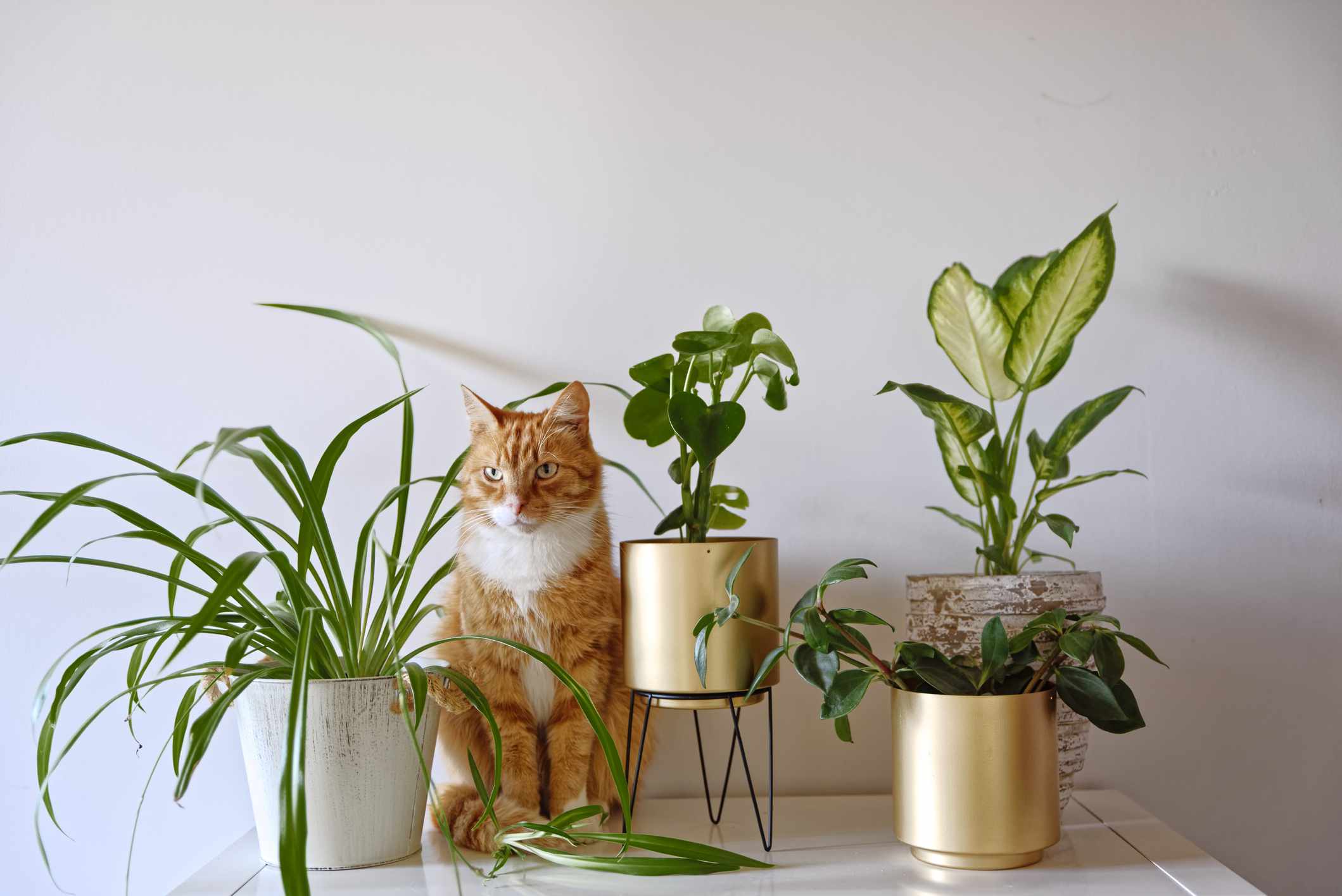
What “low light” means
Most of us overestimate how much light our rooms get. If you can comfortably read a book during the day without turning on a lamp, that spot is usually medium light. If you can navigate just fine but reading feels dim, that is closer to low light. A north-facing window, a room shaded by buildings, or a window set back behind a balcony all count.
- Low light rule of thumb: Try to keep plants within about 3 to 6 feet of a window when possible, even if the window is not sunny. Real-life light varies by season, window size, and nearby buildings, so treat this as a starting point, not a promise.
- Reality check: If you cannot comfortably read there in daytime, most plants will struggle without help. A free light meter app can be surprisingly clarifying.
- Best cheat code: A small LED grow light in a pretty plug-in sconce or a discreet clip light can turn “surviving” into “thriving,” especially in winter.
Pet-safe, low-light shortlist (ASPCA-minded)
These are popular choices that tend to tolerate lower light and are commonly listed as non-toxic for cats and dogs per the ASPCA database. I am including the vibe, the care rhythm, and where they look best, because a plant should earn its footprint in a small apartment.
Cast Iron Plant (Aspidistra elatior)
Why it works: The cast iron plant is the queen of dim corners. It has upright, deep-green leaves that look tailored, almost architectural, and it will not punish you for missing a watering day.
- Light: Low to medium, avoids harsh direct sun.
- Water: Let the top half of the soil dry. It prefers a slow, steady routine.
- Placement: Perfect on the floor beside a sofa, in a bedroom corner, or near a media console where you want height without fuss.
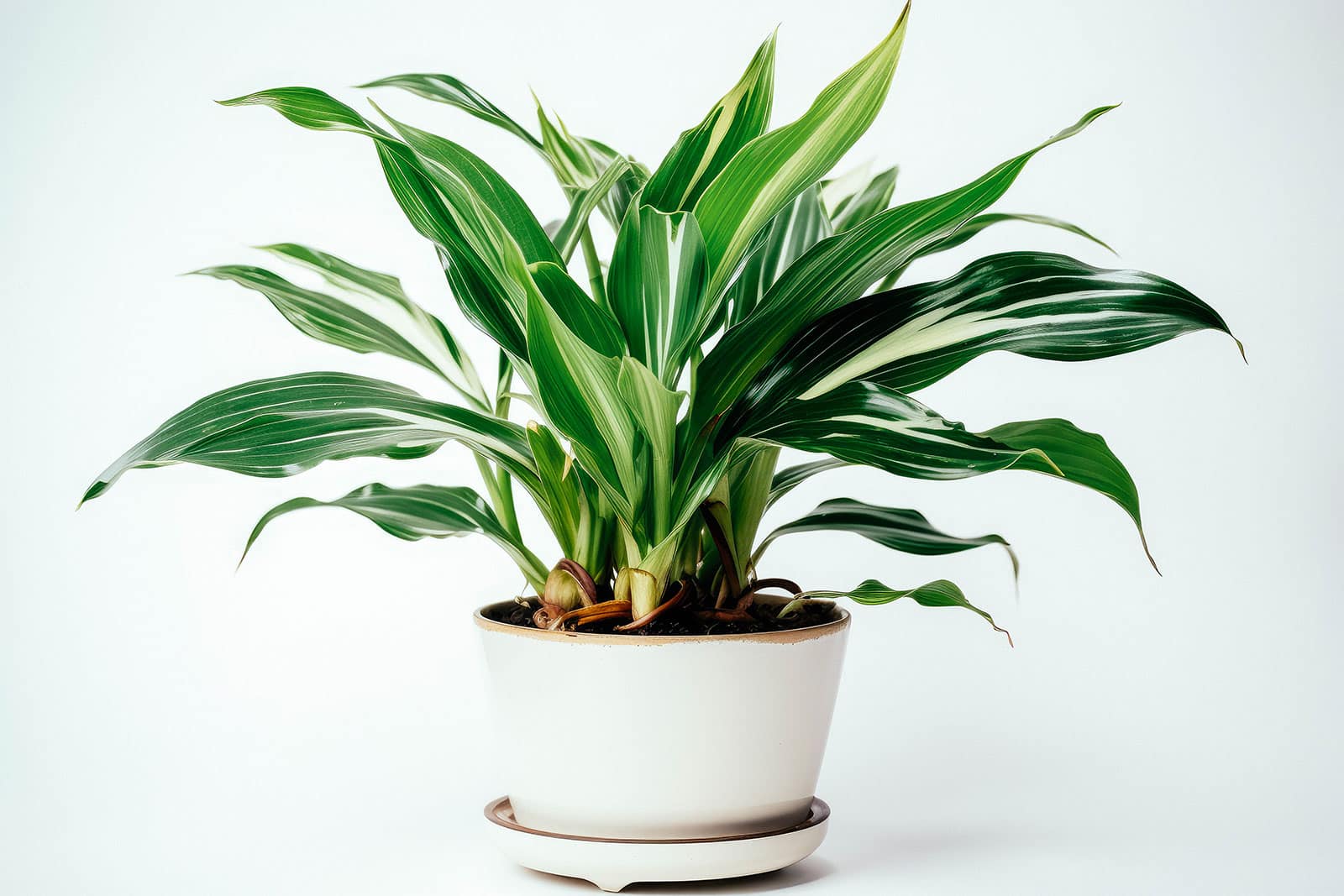
Parlor Palm (Chamaedorea elegans)
Why it works: Soft, feathery fronds that make a room feel finished, like you put on earrings before leaving the house. It is also one of the more forgiving palms indoors.
- Light: Low to medium. Bright indirect is ideal, but it can handle less.
- Water: Water when the top inch feels dry. Do not leave it sitting in a saucer of water.
- Placement: Lovely on a plant stand in the living room, or tucked near a dresser in the bedroom to soften hard lines.
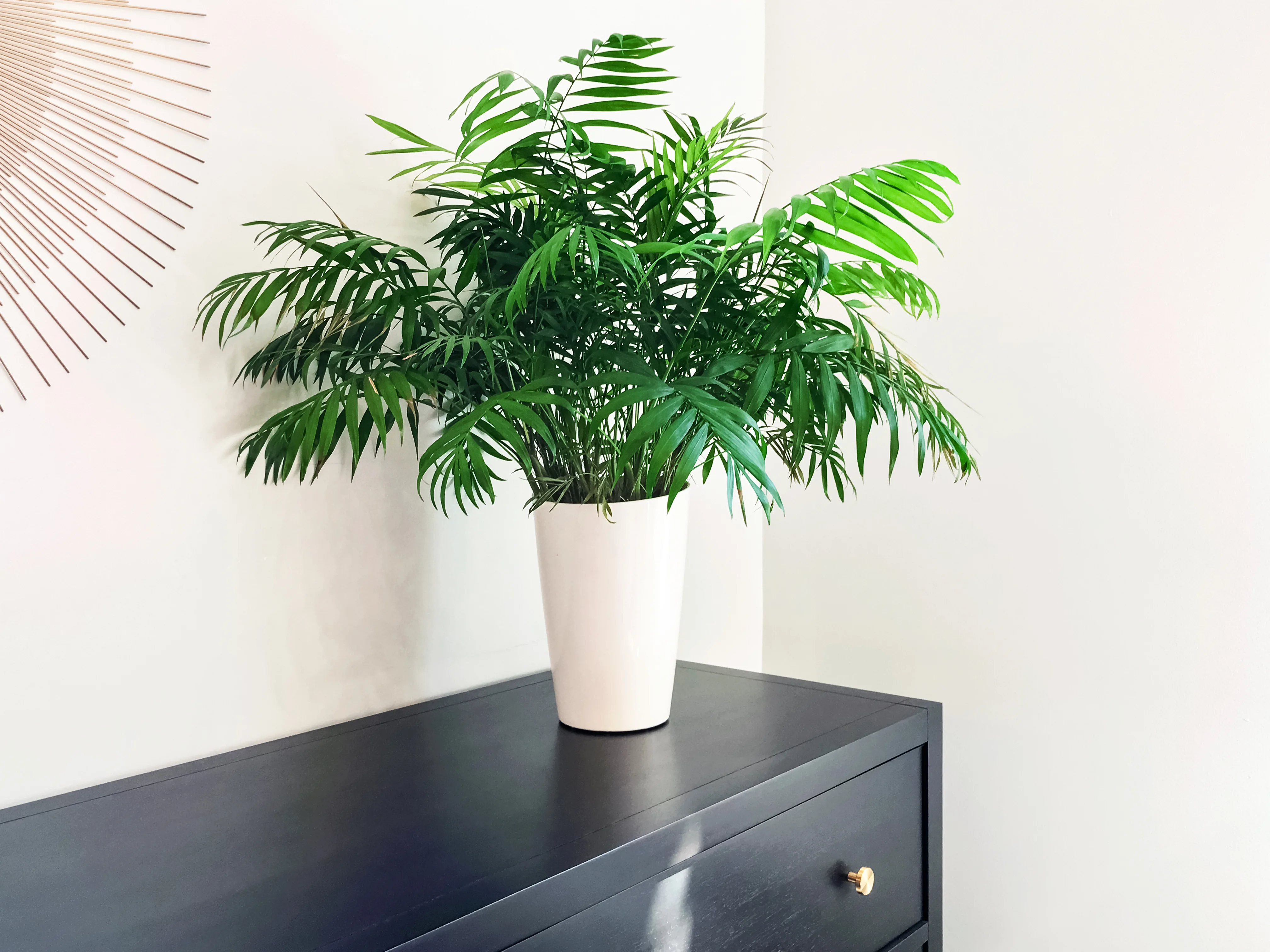
Spider Plant (Chlorophytum comosum)
Why it works: It is cheerful, fast-growing, and throws out little “pups” you can propagate and gift. In low light it grows slower, but it still holds its shape nicely.
- Light: Low to bright indirect. In deeper shade, choose green varieties over highly variegated ones for better performance.
- Water: Water when the top 1 to 2 inches dry. It likes consistency.
- Pet note: Commonly listed as non-toxic, but some cats get mild stomach upset if they chew it a lot. Also, some cats find spider plants a little too exciting, so hang it high if yours is a dedicated nibbler.
- Placement: Ideal in a hanging planter near a window, or high on a bookshelf to keep it out of nibbling range.
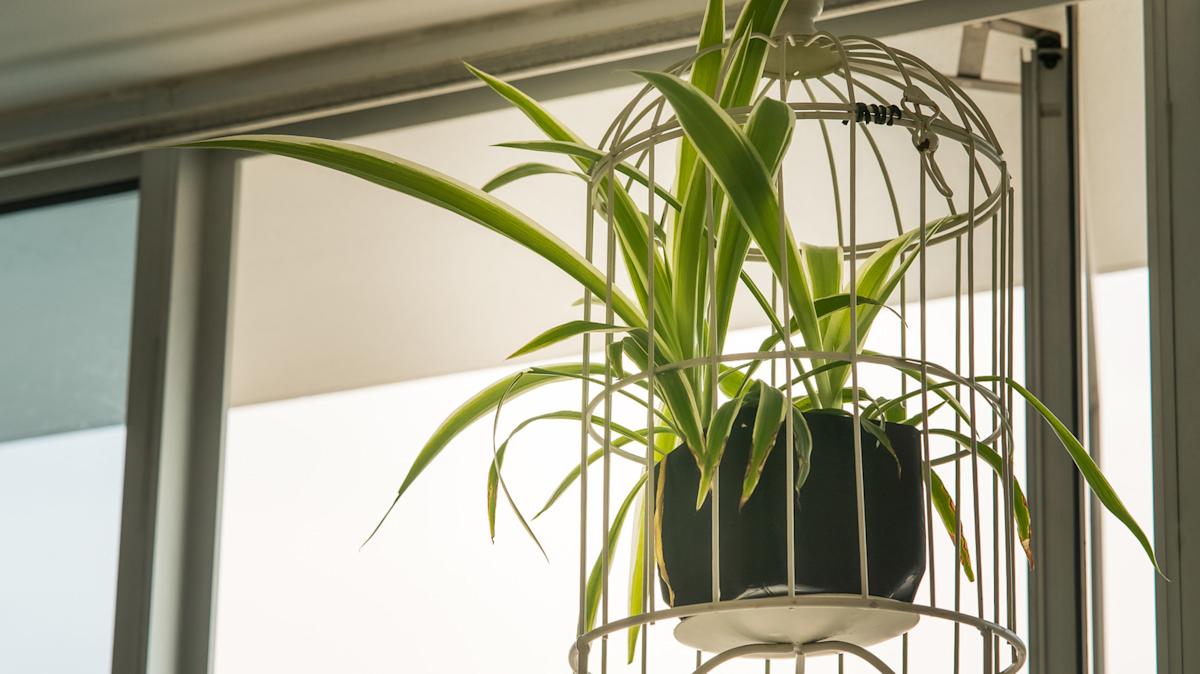
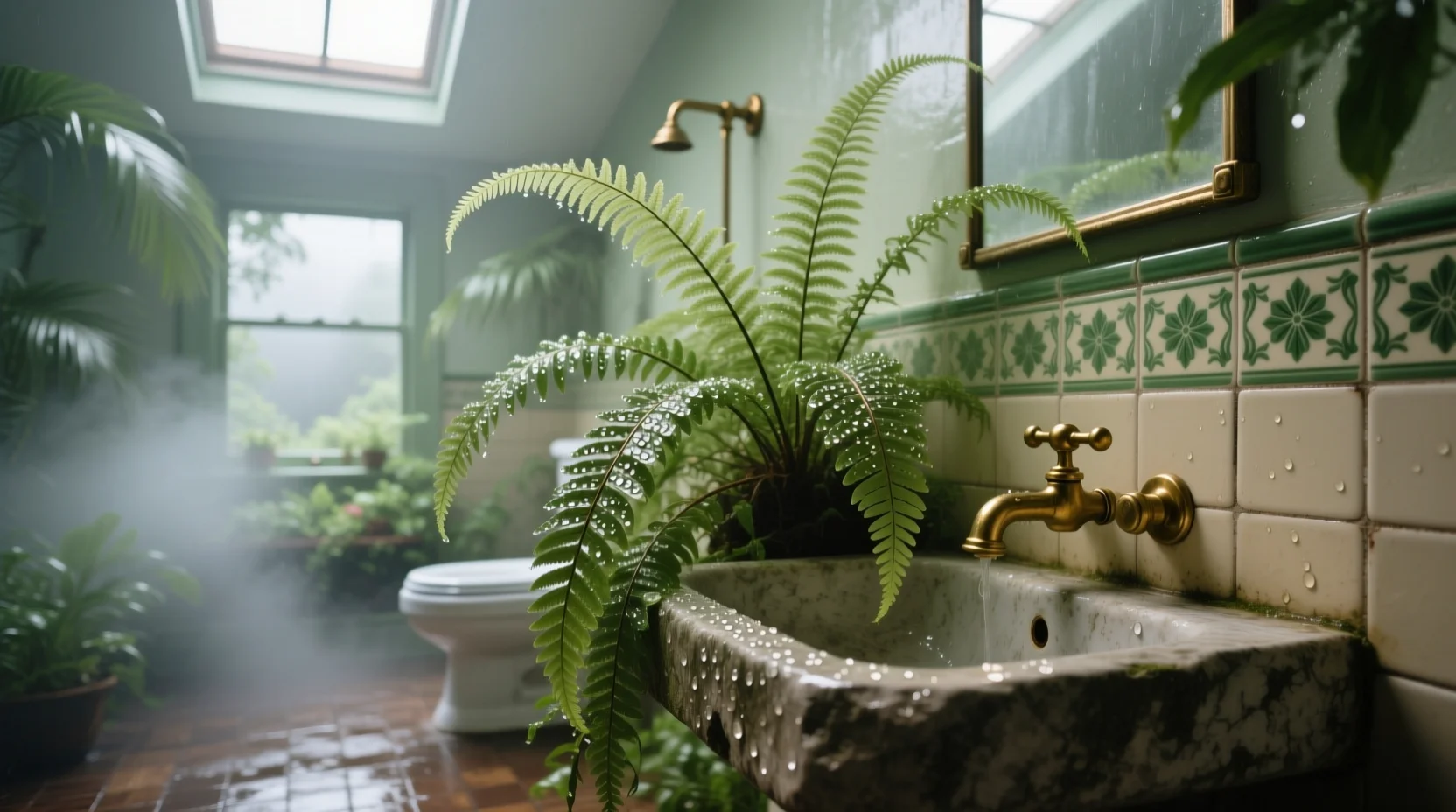
Boston Fern (Nephrolepis exaltata)
Why it works: A Boston fern is pure romance, like a vintage slip dress for your windowsill. It is pet-safe, but it does ask for humidity and more frequent watering than the plants above.
- Light: Low to medium, indirect only.
- Water: Keep evenly moist, not soggy. Crispy tips usually mean it dried out or the air is too dry.
- Placement: Best in a bathroom with a window, or near a kitchen sink where it catches ambient humidity.
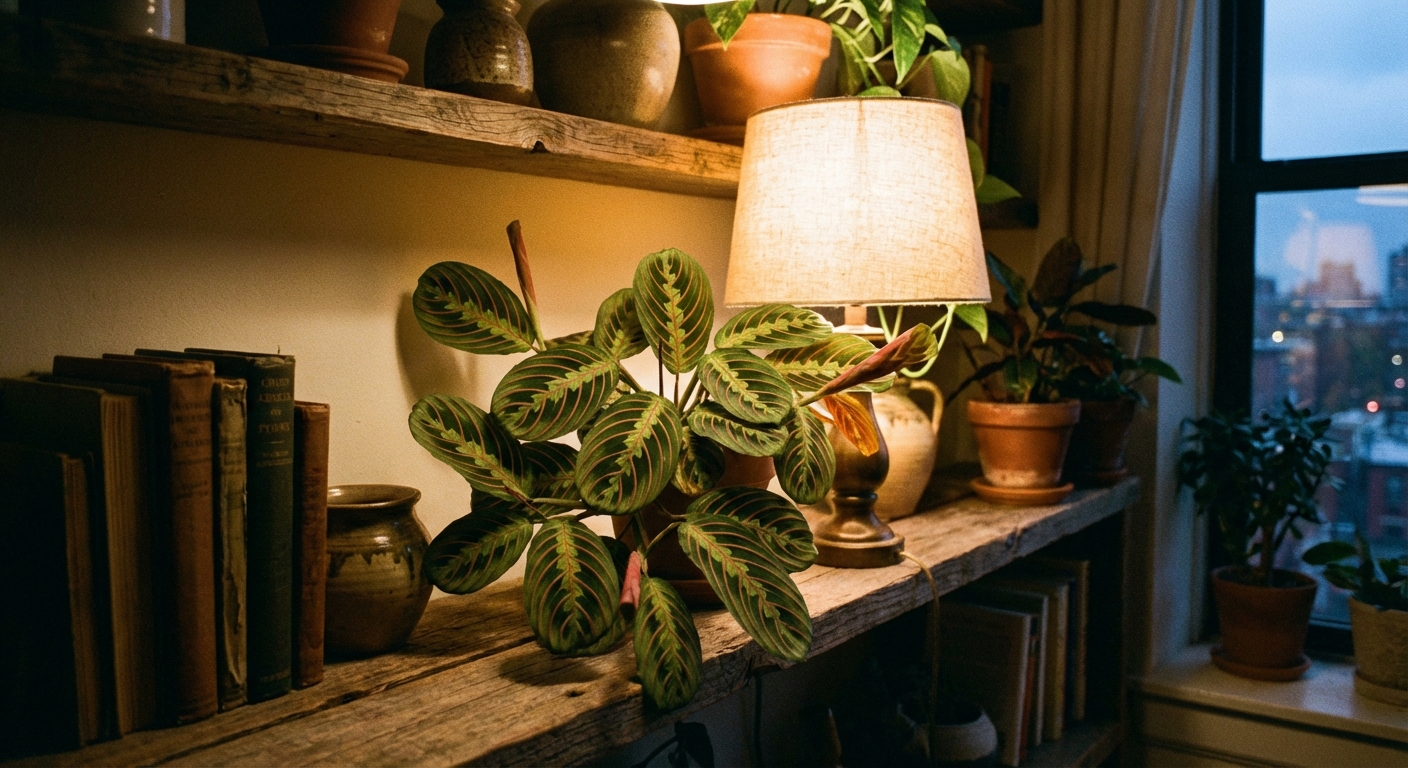
Prayer Plant (Maranta leuconeura)
Why it works: Patterned leaves that look hand-painted, plus the sweet habit of folding upward at night. It can handle lower light, but its colors are happiest in medium indirect light.
- Light: Low to medium indirect. Avoid direct sun, which can fade the pattern.
- Water: Likes lightly moist soil. Use filtered water if you get crispy edges.
- Placement: Bedroom nightstand, a sheltered shelf, or a bathroom vanity with indirect light.
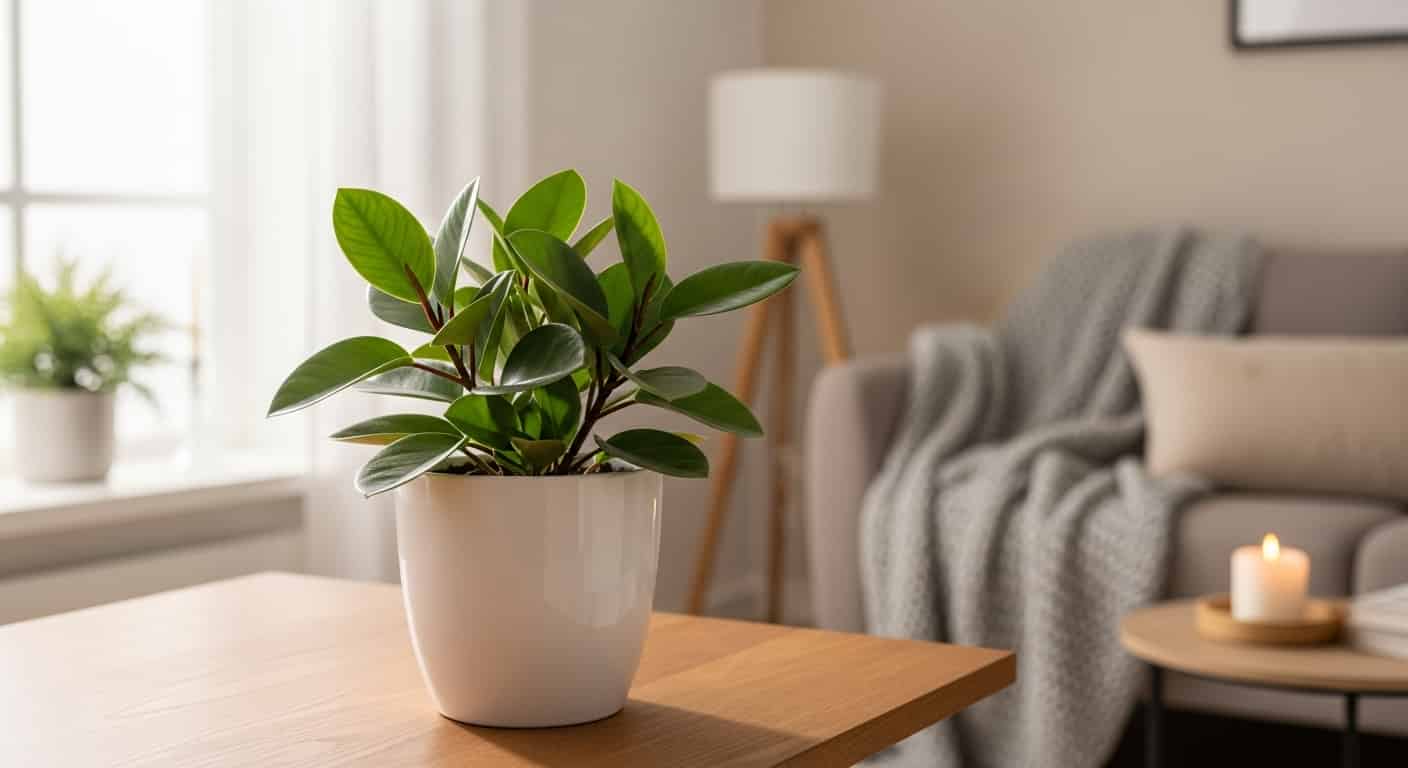
Peperomia (check species, for example Peperomia obtusifolia)
Why it works: Peperomias are compact, tidy, and perfect for small surfaces. Many common peperomias are listed as non-toxic to cats and dogs, and they do well in medium to lower light as long as you do not overwater.
- Light: Low to medium indirect.
- Water: Let the top couple inches dry. Thick leaves store moisture.
- Verification note: “Peperomia” is a big genus. Most common houseplant types are listed as non-toxic by ASPCA, but it is still worth double-checking the exact species on the label before you buy.
- Placement: Coffee table (if your pet is not a jumper), high shelf, or a desk that needs a little softness.
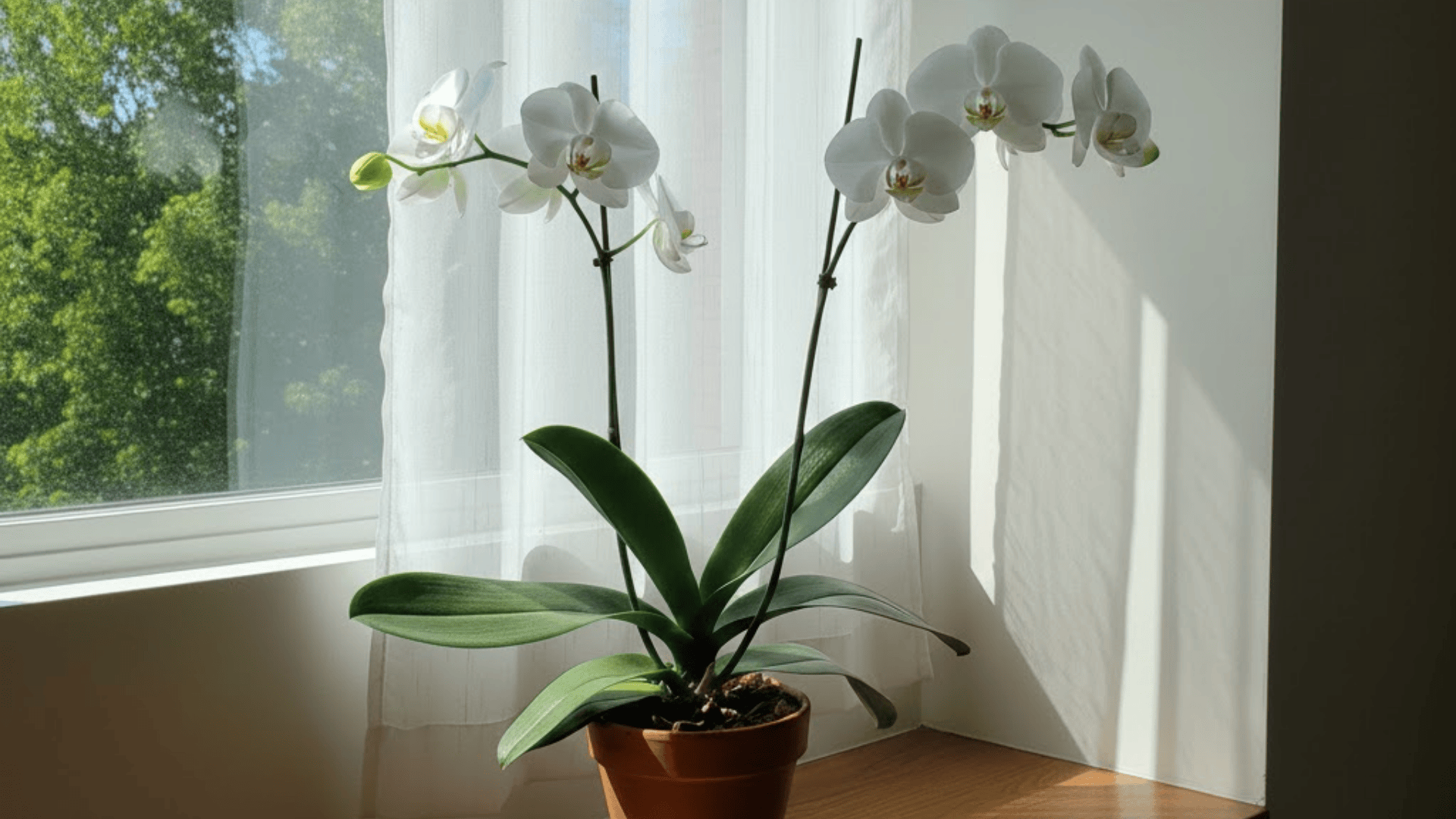
Moth Orchid (Phalaenopsis)
Why it works: Sleek, sculptural, and quietly fancy. Orchids are commonly listed as non-toxic to cats and dogs, and they look like you know what you are doing even if you are still learning.
- Light: Medium to bright indirect. Not a deep-corner plant, but great near a window that does not get harsh sun.
- Water: Water thoroughly, then let the mix dry slightly. Most orchids die from love, not neglect.
- Placement: A bedside dresser, a living room side table near a window, or a bathroom with a bright frosted window.
Room-by-room placement
Living room
Your living room plants should read like part of the layout, not a lonely afterthought. In low light, the goal is to get plants close to a window without clogging the walkway.
- Use corners: A cast iron plant or parlor palm on the floor anchors an empty corner the way a floor lamp would.
- Go vertical: Use a tall plant stand or wall-mounted shelf for a spider plant to keep it away from pets.
- Keep it stable: Choose a heavier pot, a wider base, or a sturdy cachepot with weight added to the outer pot. Skip the “gravel layer for drainage” trick, it can backfire and keep roots wetter.
Bedroom
In bedrooms, I like plants that feel quiet and intentional. One or two well-placed pieces beat a crowded jungle that collects dust on every leaf.
- Best picks: Parlor palm for softness, cast iron plant for structure, prayer plant for color, or a moth orchid near a window.
- Pet tip: If your cat treats your nightstand like a runway, use a wall shelf or a tall dresser top instead.
Bathroom
If you have a bathroom with any natural light, even a small frosted window, you have a built-in spa climate. This is where ferns and prayer plants can shine.
- Best picks: Boston fern, prayer plant, and some peperomias.
- Watch-outs: Bathrooms can be low light and cold. Keep plants away from drafty windows in winter and avoid placing them right beside a blasting exhaust fan.
- No-window bathrooms: Treat it like a plant-free zone unless you add a grow light. Otherwise it is basically a closet with better tiles.
Toxic lookalikes to avoid
This is the part that saves a lot of heartbreak. Some of the most common “low light” plants are also some of the most problematic for pets. These are frequent mix-ups I see in stores and online listings.
- Snake plant (Dracaena trifasciata) looks like a sturdier cousin of the cast iron plant, but it is toxic to cats and dogs. If you want that upright vibe, choose cast iron plant instead.
- ZZ plant (Zamioculcas zamiifolia) is a low-light legend, but it is toxic. If you want glossy leaves and a modern silhouette, try peperomia for tabletop scale, or parlor palm for a floor option.
- Pothos (Epipremnum aureum) is everywhere, tolerates low light, and is toxic. For a trailing alternative, use a spider plant in a hanging pot.
- Peace lily (Spathiphyllum) thrives in low light and looks elegant, but it is toxic to pets and can cause painful mouth irritation. It is not a true lily, which is good news for cats, but it is still a no for most pet homes.
- Philodendron is another common low-light recommendation, and many types are toxic. Swap in a prayer plant for pattern, or peperomia for a compact green moment.
Shopping tip: Save the botanical name in your phone notes. Common names get messy fast, especially with “lily” being used for plants that are not true lilies. When in doubt, cross-check with the ASPCA’s Toxic and Non-Toxic Plants list before you bring anything home.
Care basics for low light
Water slower than you think
In low light, soil dries more slowly. That means the most common mistake is overwatering. If you are unsure, wait a day. Your plant would rather be slightly thirsty than waterlogged.
- Finger test: Stick your finger in the soil up to your first knuckle. If it feels damp, do not water.
- Pot choice: Drainage holes are non-negotiable. Use a saucer, or keep the plant in a nursery pot inside a prettier cachepot.
Dust the leaves
Dust acts like a tiny curtain, blocking light. In low light, every bit counts.
- Routine: Wipe leaves with a damp cloth every couple weeks, especially on cast iron plant and peperomia.
Rotate for even growth
Plants lean toward the light like they are listening for gossip. Give them a quarter turn every week or two to keep them balanced.
Go easy on fertilizer
Low light means slower growth, which means less need for feeding. If you fertilize, do it lightly in spring and summer, and pause in fall and winter.
Pet-proofing that looks good
Even with non-toxic plants, I like a layered approach because pets have main-character energy.
- Go up, not out: Wall shelves, tall plant stands, and hanging planters keep greenery away from curious mouths.
- Create a decoy: Offer pet grass in a dedicated spot. Many cats love it, and it can reduce the appeal of your other plants.
- Choose stable pots: Wider bases, heavier ceramic, or baskets with a weight inside help prevent tipping.
- Use texture strategically: A top dressing of larger decorative stones can discourage digging, especially for dogs who think your planter is a sandbox.
Quick troubleshooting
- Yellow leaves: Often too much water. Let soil dry more between waterings and check drainage.
- Leggy growth: Not enough light. Move closer to the window or add a small grow light.
- Crispy tips: Dry air or inconsistent watering. This is common with ferns and prayer plants. Bathrooms help.
- Brown mushy stems: Overwatering. Remove affected growth, repot in fresh soil if needed, and water less.
If you only buy two
If you want the simplest, prettiest start for a low-light apartment with pets, I would do this:
- Cast iron plant for the living room floor, because it is unbothered and looks expensive in a minimal pot.
- Spider plant hung near a window, because it grows with you and gives you babies to propagate.
Add a Boston fern later if you have a bathroom window and want that soft, vintage-lush energy. Or add a moth orchid if you want a plant that reads like decor, not a project.
Safety reminder: If you suspect your pet has eaten a plant and is vomiting, drooling, lethargic, or pawing at the mouth, call your vet right away. In the US, you can also contact ASPCA Animal Poison Control (a consultation fee may apply).